
Metro Magazine

 MENU
MENU SEARCHMENUSEARCH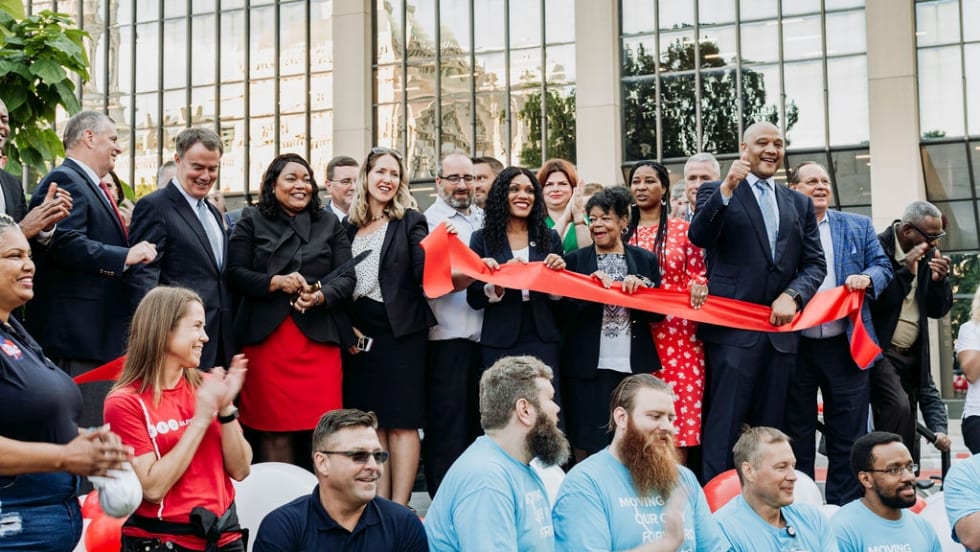
Inez Evans was selected as IndyGo’s president and CEO in the summer of 2019, replacing Michael Terry, who led the agency for more than 11 years.
Read More →
Depending on the status of coronavirus in your city, you will be working to minimize complex risks so that everyone working in and using public transport is safe.
Read More →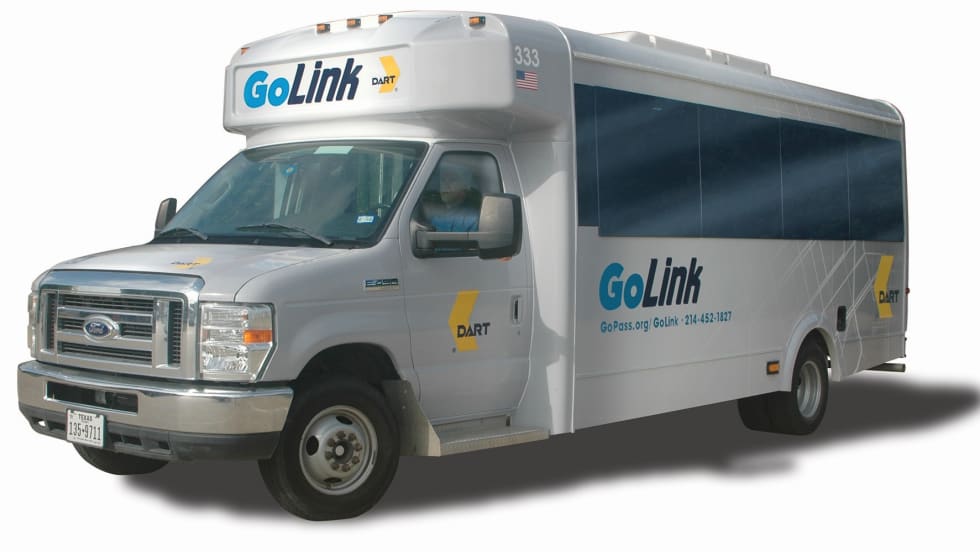
The area is currently served by three DART rail stations, MLK, Jr. Station, Fair Park Station, and Hatcher Station, as well as 10 bus routes.
Read More →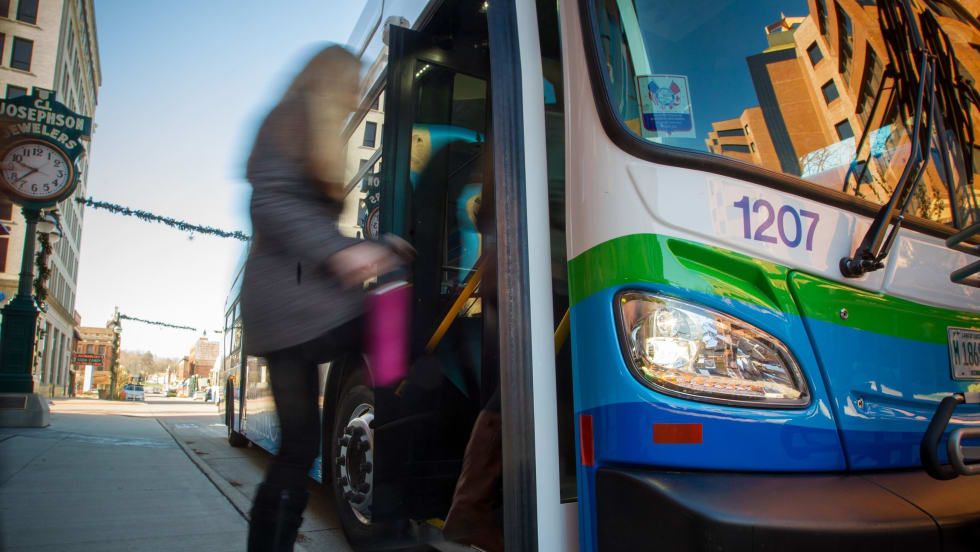
Today everything is changing and this requires the industry and the tools it uses to be much more agile.
Read More →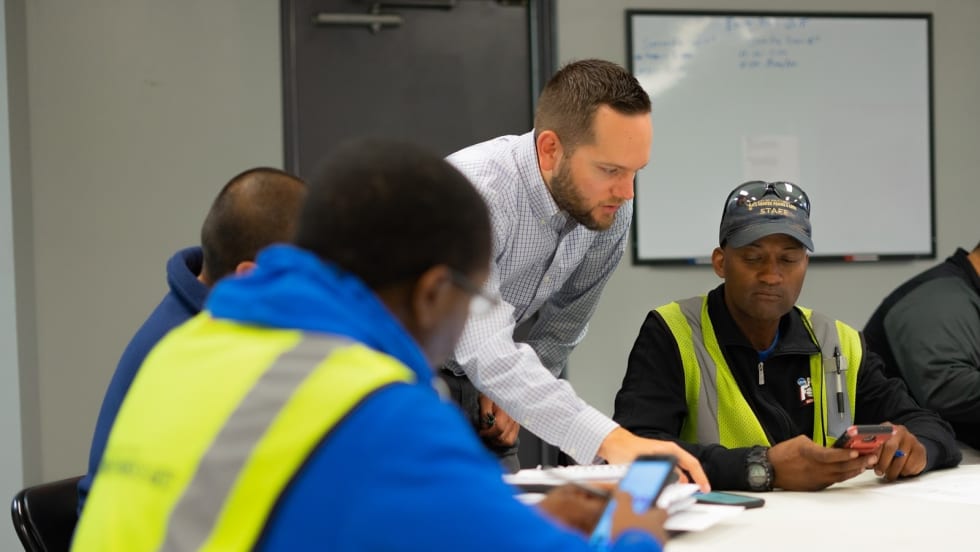
Imagine a robust public transit system, at the snap of a finger, could be in full swing in small- to mid-sized cities across the U.S.
Read More →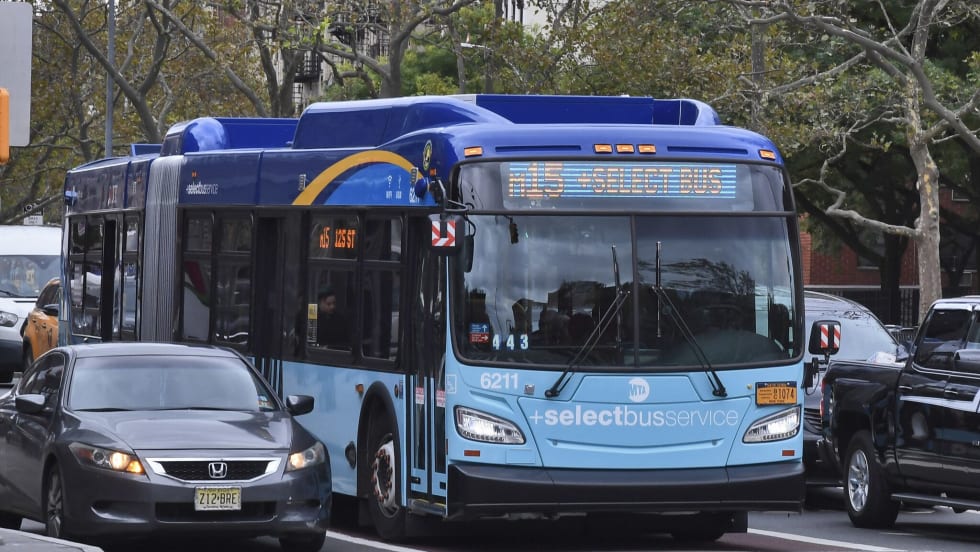
Public opinion poll among 1,000 Americans found that 48% feel that riding public transit poses a high health risk due to the virus.
Read More →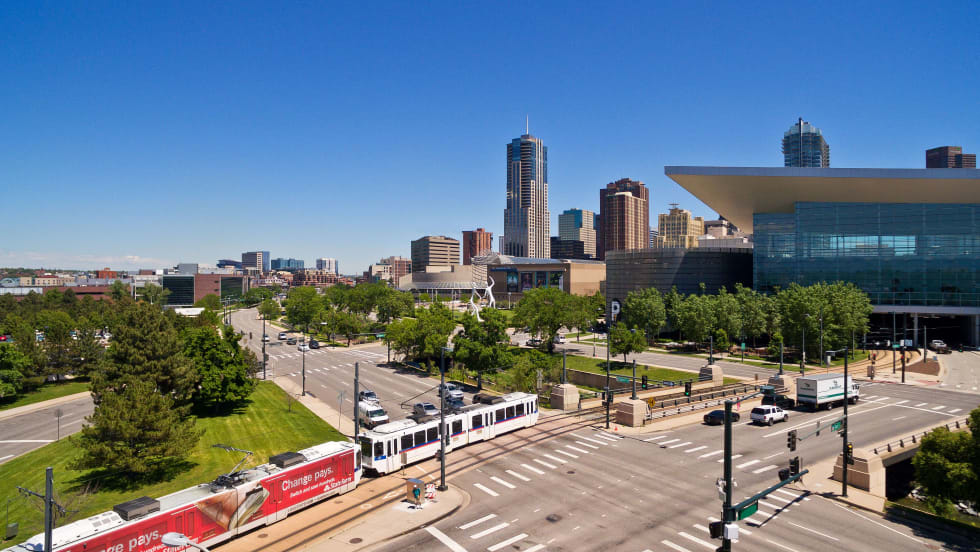
The agency is working to quantify the effects the pandemic is having on its ridership and solidify actual ridership figures.
Read More →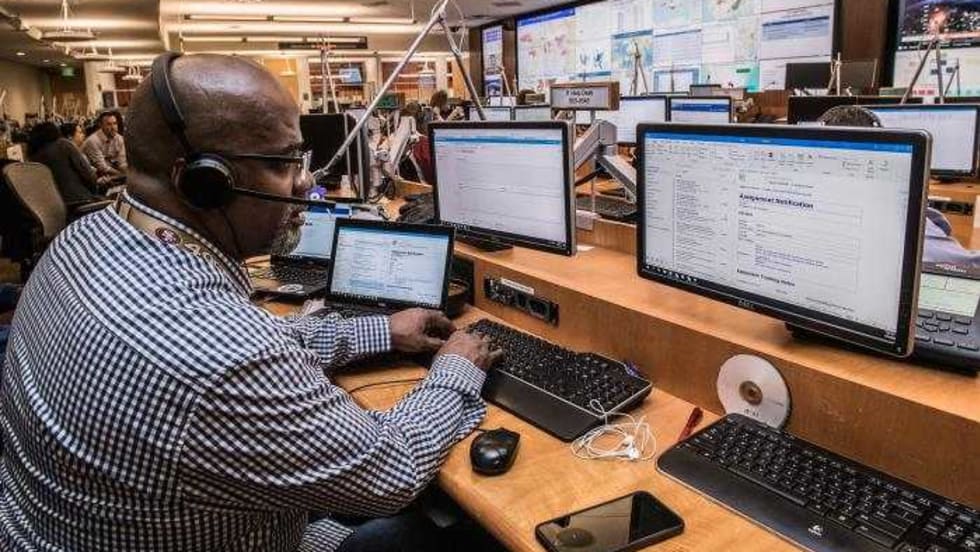
Agencies are left to figure out how best to provide transit service while minimizing the spread of the virus and contending with expected drops in ridership and driver availability.
Read More →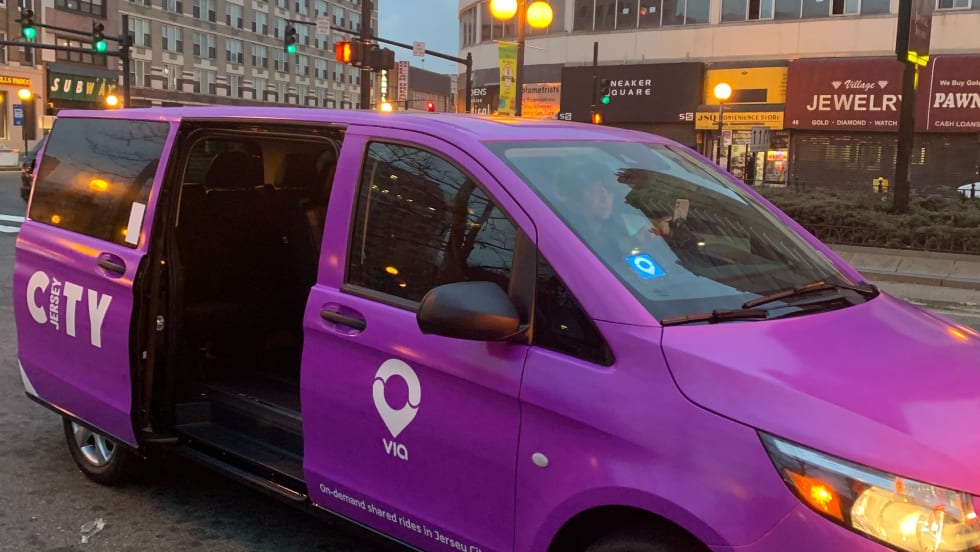
Via, which operates the service, has experienced steady daily growth and high demand since launch in Jersey City, with an increasing number of both new and repeat riders.
Read More →
In this article, we show you how public transportation benefits cities, and what cities can do to make their public transit systems thrive.
Read More →