




With shared mobility options enabled by digital technology, services, and fleet capacity become much more flexible and on demand.
How to Create a Viable Alternative for Cities Without Public Transit access
Imagine a robust public transit system, at the snap of a finger, could be in full swing in small- to mid-sized cities across the U.S.
March 25, 2020
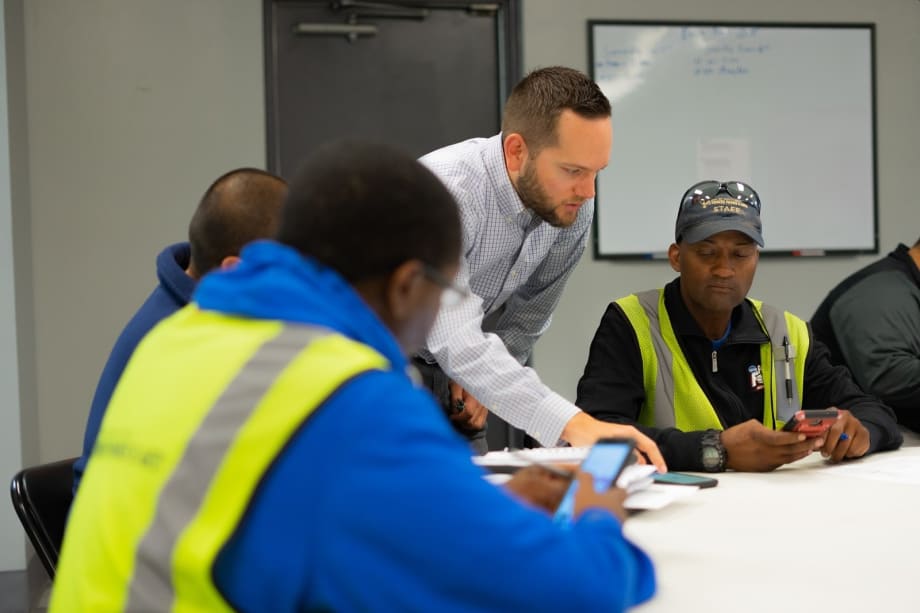
A Commuters Trust team member assists participants enrolling in the program.
Photo: Commuters Trust
4 min to read
Imagine a robust public transit system, at the snap of a finger, could be in full swing in small- to mid-sized cities across the U.S.
Sure, ridership might be low at the start. But eventually, communities would start to feel the positive impacts of public transit — increased economic opportunities and savings, decreased accidents, gasoline consumption, and carbon footprint. Over time, those economy-boosting benefits could be the catalyst our smaller cities need to attain the critical population density that sustains their public transit systems.
It’s a catch-22 — the chicken-and-egg dilemma — for any small- or mid-sized city when it comes to implementing public transit. Leaders are fully aware that public transit would benefit the community, but they’re also aware that realizing those benefits requires a critical population mass to support frequent service — a population mass they just don’t have.
Detractors focus on the tax burden, high fixed costs, and declining ridership.
Advocates agree public transit must be frequent and proximate enough to attract lots of riders.
That requires a high level of residential, employment, commercial, and institutional activity. That requires all-day — not just peak hour — trip making. That requires infrastructure — sidewalks, bikeways, transit connections, and parking — to connect riders to transit. That requires multiple, high-demand destinations, such as major employment centers, educational institutions, or civic centers, be serviceable by fixed-route connections. And, that also requires a dedicated source of funding.
So, what’s a small- to mid-sized city to do?
The South Bend Transit Solution
The City of South Bend, Ind., has wrestled with these issues. A winner of the Bloomberg Mayors Challenge, South Bend is exploring alternative mobility solutions that connect people to jobs. South Bend has a fixed-route bus system, but similar to other cities of its size, there isn’t sufficient demand to justify overnight and full weekend service. Most routes run on a 30-minute frequency or more.
South Bend just doesn’t have the required combination of factors — density, demand, and funding — to support frequent traditional transit services like buses and trains.
Instead of trying the same old approaches, South Bend, with its winnings from the Bloomberg program, has launched Commuters Trust, a public-private collaboration to create a “transportation-as-a-benefit” program for local employees. The idea is to complement public transit with more commute options to help residents get to work. The program, launched late last year, currently provides discounted Lyft rides and access to carpool rewards utilizing the mobile app Hytch Rewards, as well as free bus passes.
While small town and rural public transit ridership increased nearly 8% from 2007 to 2015, according to the American Public Transportation Association, it’s primarily seniors, veterans, and people with disabilities — not low-income workers — who have the highest usage in these areas. A study conducted in the South Bend region in 2016 found that one in three low-income workers cited transportation as a top barrier to finding and maintaining employment. The city estimates this impacts around 10,000 residents.
For employers in the region, lack of transportation access can lead to high rates of turnover and difficulty recruiting staff. Especially in a tight labor market, this ends up significantly costing businesses. According to Aaron Steiner, director of Commuters Trust, South Bend believes this is a multi-million-dollar annual problem for the local economy.
“Traditional mass transit can and should be part of the solution,” Steiner says, “but cities like South Bend need to think outside the box to help residents achieve greater mobility. We’re working to harness technology to create better mobility alternatives and, in the case of the Hytch Rewards app that South Bend is using, to coordinate, track, and pay for a carpool ride.”
Supplementing Traditional Public Transit Services
With the help of digital technology, carpooling — and other shared mobility options such as ride-hailing, microtransit shuttles, bike and scooter share, and vanpooling — can now play a bigger role in a city’s transport mix.
In traditional mass transit, services and fleet capacity are more or less fixed. With shared mobility options enabled by digital technology, services, and fleet capacity become much more flexible and on demand. And, in many cases, vehicles are owned by individuals or private operators, not public entities. What does this mean? Public investment also becomes more scalable — cities can choose how and when to invest in shared mobility programs, which is exactly what South Bend is doing.
The innovative program being pioneered in Indiana is an attempt to add more mobility tools to the city’s toolkit, to supplement its bus system, and fill some of the gaps of its public transit. What’s exciting is that the concepts and technology behind the South Bend initiative could potentially be adopted by other small- to mid-sized cities across America.
Towns that lack the population density that’s traditionally been needed for robust public transit, now have a new way forward.
About the Author: Mark A. Cleveland is co-founder and CEO of Hytch Rewards, a Nashville-based mobility incentive platform that gives users access to cash rewards and carbon-zero transportation in sponsored areas. Hytch is a technology partner of the City of South Bend’s Commuters Trust program.
Subscribe to Our Newsletter
More Blog Posts
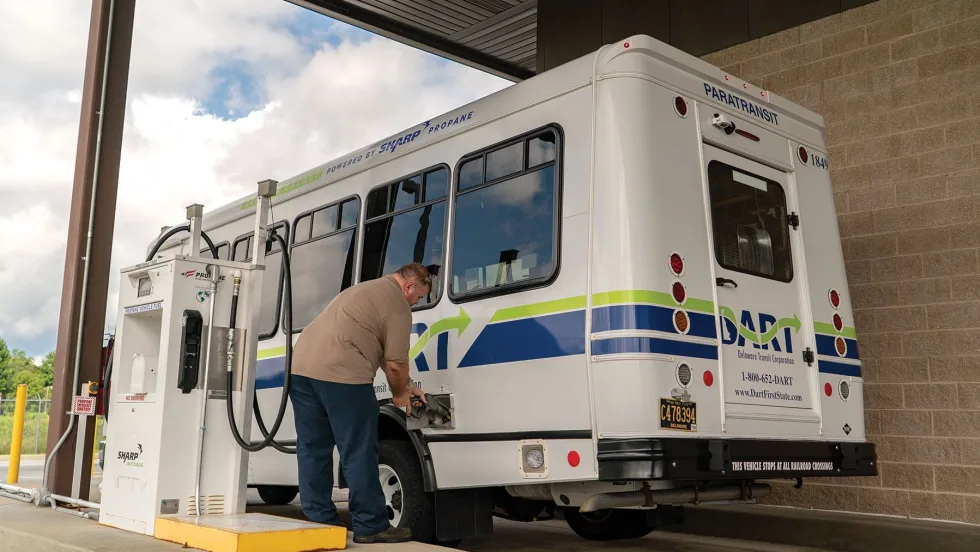
Building a Winning FTA Grant Proposal: Why Propane Autogas is the Pragmatic Choice for Fleet Resilience
With $610 million available through the FY 2026 Buses and Bus Facilities Competitive Program and the Low or No Emission Grant Program, agencies must build a compelling case before the September 21 deadline that balances environmental compliance with operational feasibility.
Read More →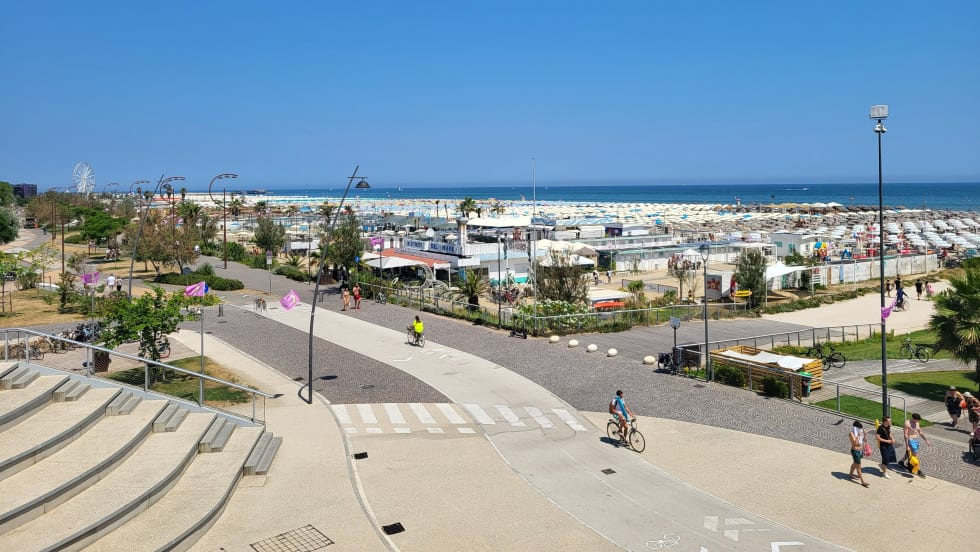
Velo-city Conference 2026: Latest Trends in Cycling as Part of Urban Mobility
The global cycling conference highlighted how cities are integrating bicycles into multimodal transportation networks, expanding cycle tourism and reshaping urban mobility.
Read More →
Kindness Isn’t Soft...It’s Strategic.
Mike Bismeyer — often known as “The Kindness Guy” — has spent more than 17 years in public transit and mobility, serving in industry leadership roles, speaking across North America, and advocating for stronger workplace cultures. But his message doesn’t come from theory. It comes from lived experience.
Read More →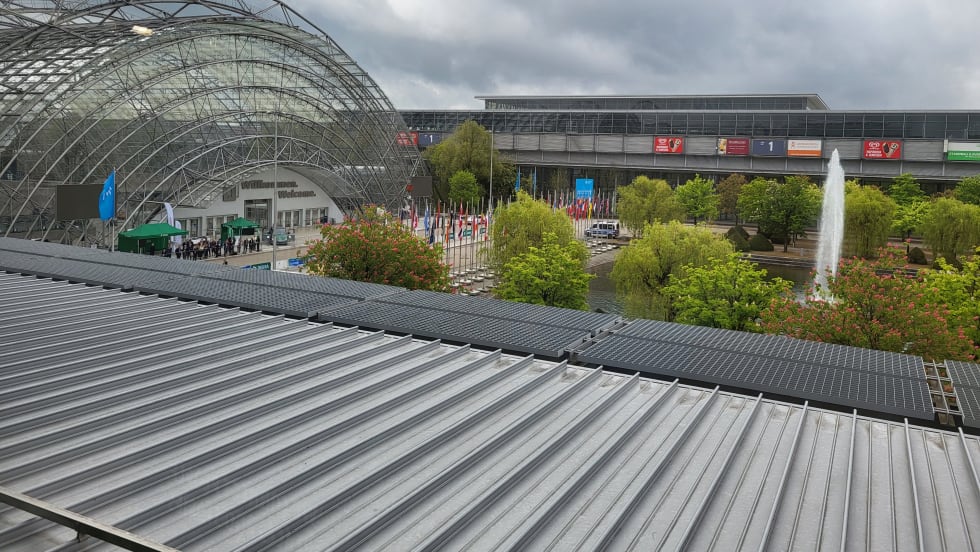
Inside ITF 2026: Transport Reacts to A Challenging World
Transport leaders from around the world gathered in Leipzig, Germany, for the 2026 International Transport Forum to discuss resilience, climate impacts, supply chains and the future of sustainable mobility.
Read More →
Every Ride Tells a Story — But You’re Not Just Selling the Ride
You’re selling the moment, the meaning, and the emotion behind it.
Read More →
How Digital Signage is Reshaping the Traveler Experience at Transportation Hubs
What was once a landscape of static signs has evolved into a responsive, immersive environment powered by real-time visual communication.
Read More →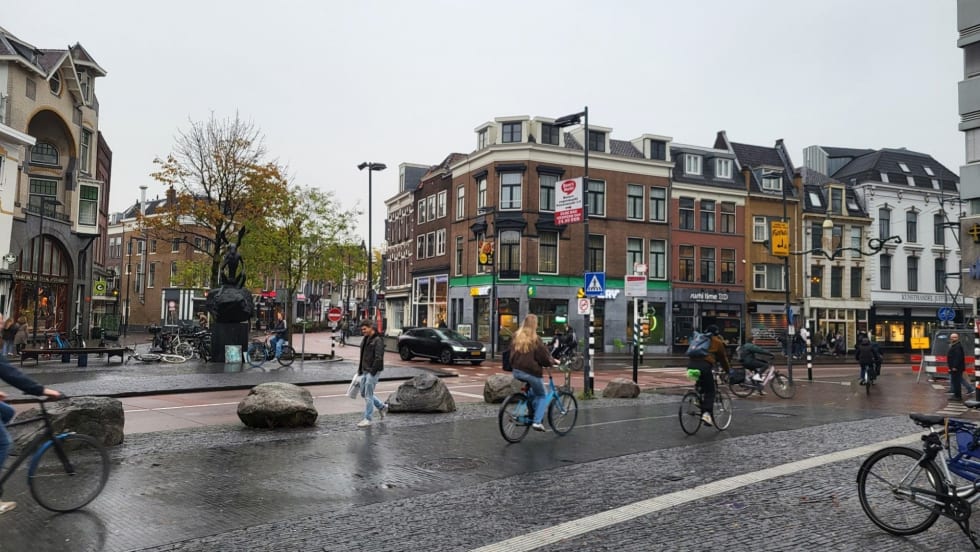
Latest Trends in Urban Mobility from Polis Conference 2025
Polis comprises cities and regions, as well as corporate partners, from across Europe, promoting the development and implementation of sustainable mobility. This year’s event had over a thousand attendees across various policy forums and an exhibition.
Read More →
Why Transit Leaders Require Better Tools for Operational Clarity In Today’s Tech-Fragmented Environment
Across North America and beyond, transit agency officials are contending with a perfect storm of operational headaches and strategic challenges that hamper daily service and long-term progress.
Read More →
The Powerless Brokers: Why California Can’t Build Transit
It is no secret that transit in the U.S. is slow and expensive to build.
Read More →
Why Transport Sustainability Should Focus on People Instead of Cars
Simply incentivizing electrification is not enough to make a meaningful impact; we must shift our focus toward prioritizing public transportation and infrastructure.
Read More →