



Collision avoidance systems, helmet usage could prevent bicyclist fatalaties, NTSB reports
Investigators identified an array of other factors in reducing crash risks, including use of adaptive headlights and limiting speeds on roads where motor vehicles share the roadway

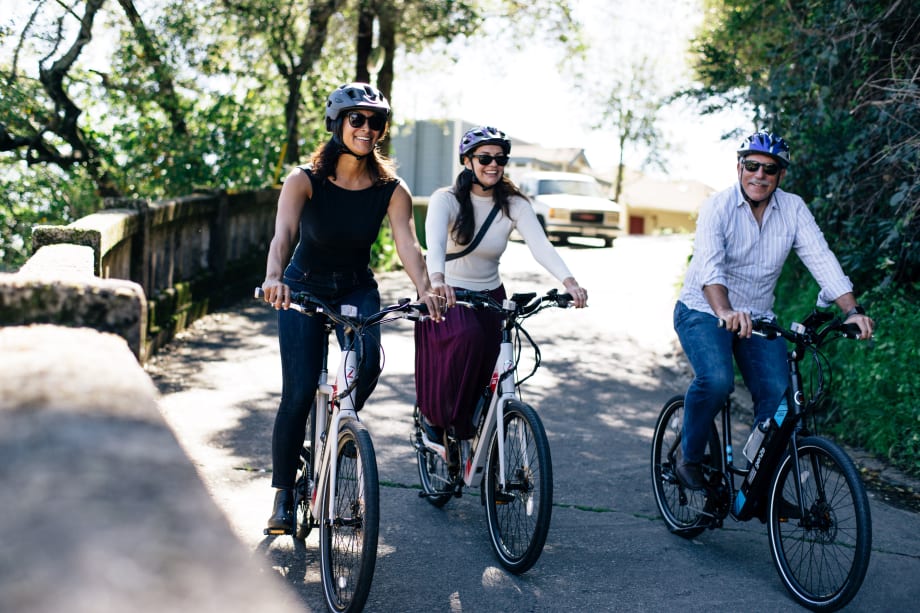
NTSB investigators said 25% of all fatal collisions involving bicyclists — the most frequent type — occurred while a motorist was overtaking a bicyclist in the stretches of roadway between intersections.
GenZe
NTSB investigators said 25% of all fatal collisions involving bicyclists — the most frequent type — occurred while a motorist was overtaking a bicyclist in the stretches of roadway between intersections.
GenZe
Actions from federal and state agencies and bicyclists themselves are needed to lower the number of crashes between motor vehicles and bicycles, according to the National Transportation Safety Board (NTSB).
In the NTSB’s first examination of bicyclist safety on U.S. roadways since its last report on this topic in 1972, the agency said critical changes were needed to address the recent rise in fatal bicycle crashes involving motor vehicles, even as overall traffic deaths fell in 2018.
Investigators found that improving roadway design, enhancing the conspicuity of bicyclists through both visibility and technology, and increasing helmet use held the most promise for reducing the number of fatal and serious crashes.
NTSB investigators said 25% of all fatal collisions involving bicyclists — the most frequent type — occurred while a motorist was overtaking a bicyclist in the stretches of roadway between intersections. Although intersection crashes were more frequent, the overtaking collisions were more often fatal since vehicles tended to be traveling faster. The NTSB said improving roadway infrastructure so vehicles are separated from bicyclists, such as with separated bike lanes, would likely reduce the number of the most serious crashes.
At intersections, where more than 65% of collisions occur, investigators determined treatments that clearly denote right-of-way using color, signage, medians, signals, and pavement markings would likely reduce the number of crashes in those environments.
The conspicuity of the bicyclists was identified as another key factor that could prevent crashes. Investigators found about a third of the motorists involved in fatal crashes while overtaking a bicyclist did not see the bicyclist prior to the collision. The NTSB said improvements to the visibility of bicyclists to not only the human eyes of motorists, but also to collision avoidance systems and connected vehicle technologies, would also likely reduce crashes.
In a message directed to the bicycling community, the NTSB said actions taken by bicyclists themselves — following traffic rules, obeying traffic signals, and using bicycle lights — will reduce their risks on the road.
The investigators’ primary focus was on crash avoidance, but in those instances when crashes do occur, they said the use of a helmet was the single most effective way for riders to reduce their chances of receiving a serious head injury. Because research shows that less than half of bicyclists wear helmets and that head injuries were the leading cause of bicyclist fatalities, the NTSB recommended that all 50 states, the District of Columbia, and Puerto Rico, require that all persons wear a helmet while riding a bicycle.
Investigators identified an array of other factors in reducing crash risks, including use of adaptive headlights and limiting speeds on roads where motor vehicles share the roadway with bicycles.
More Security and Safety

Transit Agencies Highlight Safety Gains at National Summit
Leaders from 15 major transit systems shared crime-reduction results and safety initiatives while discussing the role of continued federal support.
Read More →
DART Launches Major Security, Fare Enforcement Initiative
The 90-day demonstration will deploy coordinated security teams at five light rail stations while testing controlled access and gathering data to guide future investments.
Read More →
RTD Launches NextRide App to Consolidate Trip Planning, Fares, Security Reporting
The app expands on RTD’s existing NextRide web application and allows customers to view real-time vehicle locations and service alerts, purchase and store digital fares, and access customer support.
Read More →

TAPTCO Updates OSHA Compliance Training for Transit Maintenance Operations
The revamped program addresses 26 OSHA standards for maintenance facilities, with TAPTCO pointing to training, documentation, and everyday shop hazards as continuing challenges for transit operations.
Read More →
How VaporVision Adds Value to Transit Door Systems
Wabtec engineers explain how the system improves doorway detection, strengthens diagnostics and gives transit agencies and OEMs greater operating flexibility.
Read More →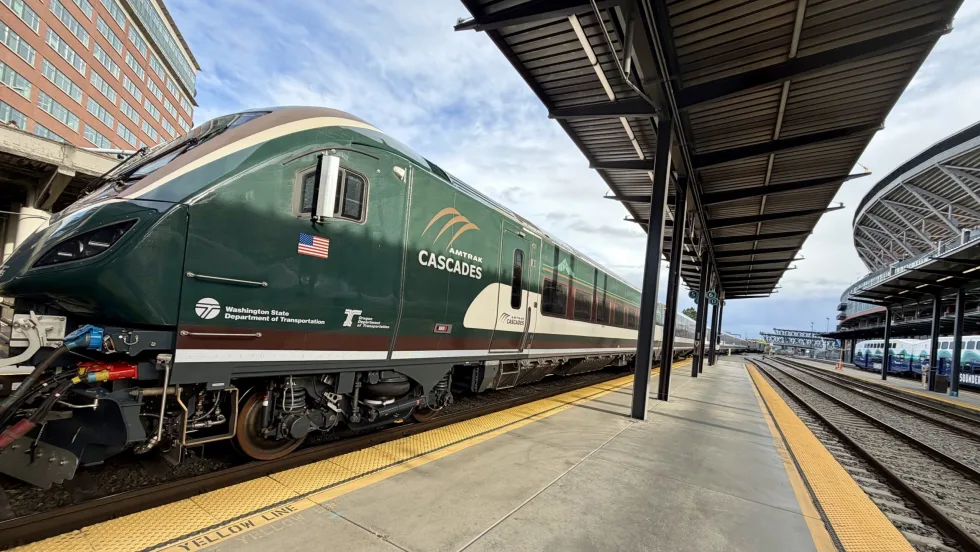
FRA Announces $5.3B in Rail Investments, Including $2B for Amtrak
Funding will support grade-crossing improvements, infrastructure upgrades, and new Amtrak equipment in 23 states.
Read More →
Chicago, Maryland Expand Non-Law-Enforcement Safety, Rider Support
The CTA and MTA are launching new programs aimed at de-escalation, crisis response, rider assistance, and greater transparency.
Read More →
LA Metro, City of West Hollywood, and Partners Advance Smarter Bus Lane Enforcement
The award-winning partnership combines AI-powered detection with human oversight to improve bus reliability, accessibility, and enforcement efficiency.
Read More →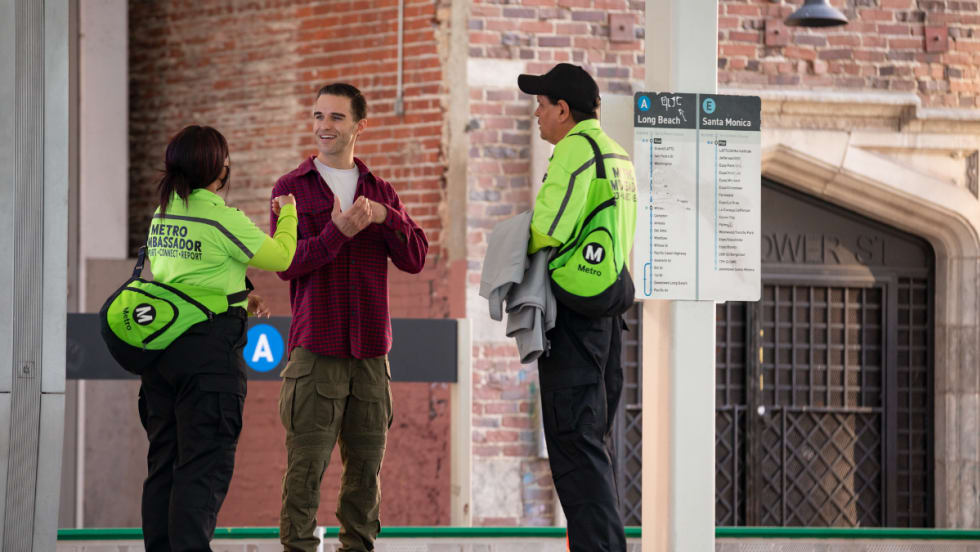
LA Metro Reports 57% Decline in Homelessness on Transit System Since 2024
The agency's latest homelessness count offers new data on how care-based services and cross-sector partnerships can complement traditional transit security strategies.
Read More →
FTA Launches 'Transit Moves America' Dashboard to Highlight Agency Safety and Performance
The online dashboard transforms National Transit Database information into a public-facing resource that allows users to compare transit agencies on key operational and safety metrics.
Read More →