




RELATED: Olympics could paralyze Tokyo's subway system, study warns
Toyota supplying variety of electric vehicles for 2020 Tokyo Olympics
Will include approximately 500 fuel-cell electric vehicles and approximately 850 battery-electric vehicles.
September 17, 2019
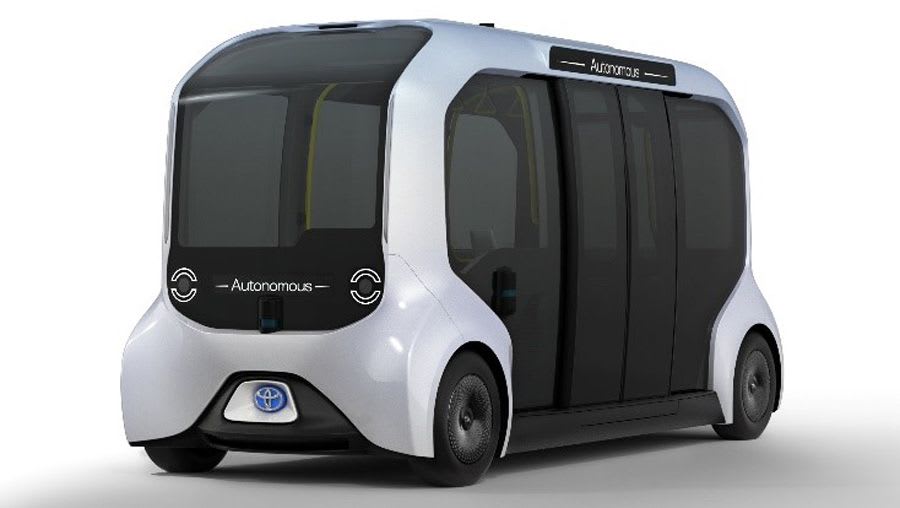
Toyota's e-Palette is the company's first battery-electric vehicle developed specifically for Autono-MaaS.
Toyota
3 min to read
Toyota's e-Palette is the company's first battery-electric vehicle developed specifically for Autono-MaaS.
Toyota
Toyota Motor Corp. (Toyota) announced that it will provide a full line-up of electrified vehicles to support the 2020 Olympic and Paralympic Games being held in Tokyo.
The automotive company will provide a total of around 3,700 mobility products and/or vehicles for the events. The majority, or nearly 90%, of the official vehicle fleet will be electrified.
Electrified vehicles include hybrid-electric vehicles (HEV), fuel-cell electric vehicles (FCEV), plug-in hybrid-electric vehicles (PHEV), and battery-electric vehicles (BEV), including the APM (accessible people mover) and the autonomous e-Palette. Among the electrified vehicles provided, Toyota will include approximately 500 FCEVs and approximately 850 BEVs, the largest of any fleet for a Games to date.
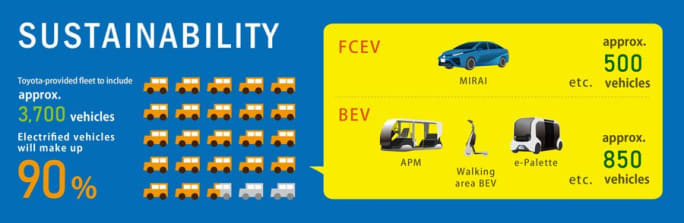
Preliminary calculations suggest that the CO2 emitted by the commercially-available fleet for Tokyo 2020 will average less than 80 g/km*1, resulting in a reduction by approx. half of the typical amount when compared to a similar sized fleet of mostly conventional gasoline and diesel models. Additionally, further reductions are anticipated during the Games when combined with Toyota's other advanced mobility products and/or electrified vehicles, including the unique versions of vehicles or vehicles designed for use at the Games. As such, Toyota aims to achieve the lowest emissions target level of any official fleet used at the Olympic and Paralympic Games.
To help avoid collisions and reduce/mitigate potential damage or injury, all of the commercially-available vehicles for staff transportation support will come equipped with Toyota's preventative safety technologies. Additionally, nearly all the commercially-available vehicles will also be equipped with Intelligent Clearance Sonar (ICS), designed to assist with braking in the event of unintended misapplication of the acceleration pedal.
Aside from the official fleet, Toyota will also support Games operations with other vehicles, including the mass-transit Fuel Cell Bus "Sora", assistive vehicles that help lift passengers into their seats or are equipped with an attached slope to allow passengers with wheelchairs access to enter the vehicle via the back door, and other vehicles such as Fuel Cell Forklifts made and sold by Toyota Industries Corp.
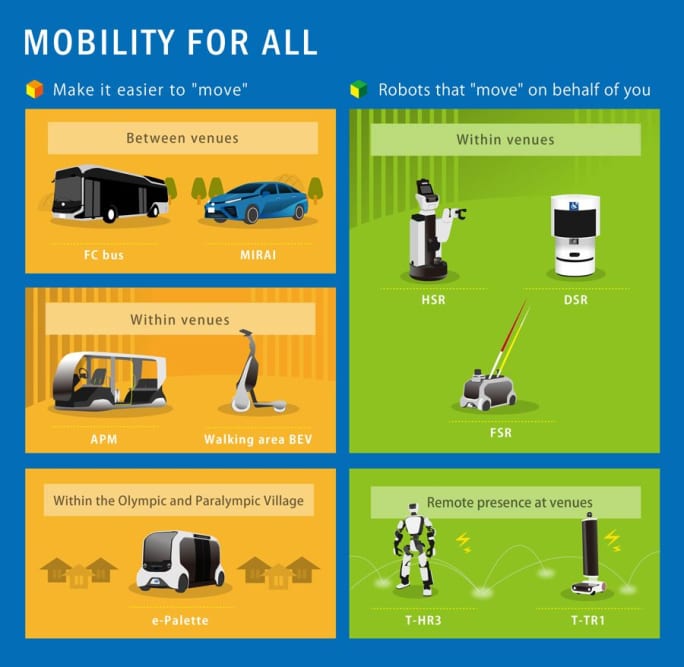
Some of the vehicles that Toyota will provide:
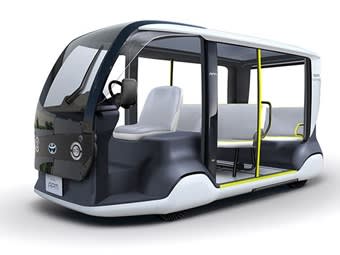
Toyota's accessible people mover (APM) will help attendees with special mobility needs travel within Tokyo 2020 event venues for last-mile transportation and relief activities.
Toyota
APM/automated people mover
Approx. 200 units to help attendees with special mobility needs travel within Tokyo 2020 event venues for last-mile transportation and relief activities.
The APM will feature three-row seating. In the first row will be the driver's seat, the second row provides seating for three, and the third row will offer seating for two, allowing total seating for six people, five passengers and one driver. When used for passengers in wheelchairs, the configuration can be modified by folding the seats to allow the wheelchair rider in the second row.
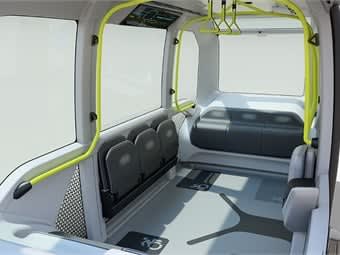
Interior of Toyota's e-Palette autonomous vehicle.
Toyota
e-Palette/autonomous shuttle
Toyota's first battery-electric vehicle developed specifically for Autono-MaaS, the Tokyo 2020 e-Palette will support transportation needs of staff and athletes, with a dozen or more running on a continuous loop within the Olympic and Paralympic Village.
With a low-floor, electric slope and by stopping precisely at each stop, leaving little to no gap or opening between the curb and the bus, the e-Palette will make travel easier for wheelchair passengers and support smooth transport over short distances.
The vehicle is anticipated to feature automated driving (up to SAE Level 4). In addition to having an operator aboard every vehicle to monitor the automated driving operation, Toyota will also provide a digital control system to monitor the general operating conditions of the vehicle.
More Zero Emissions
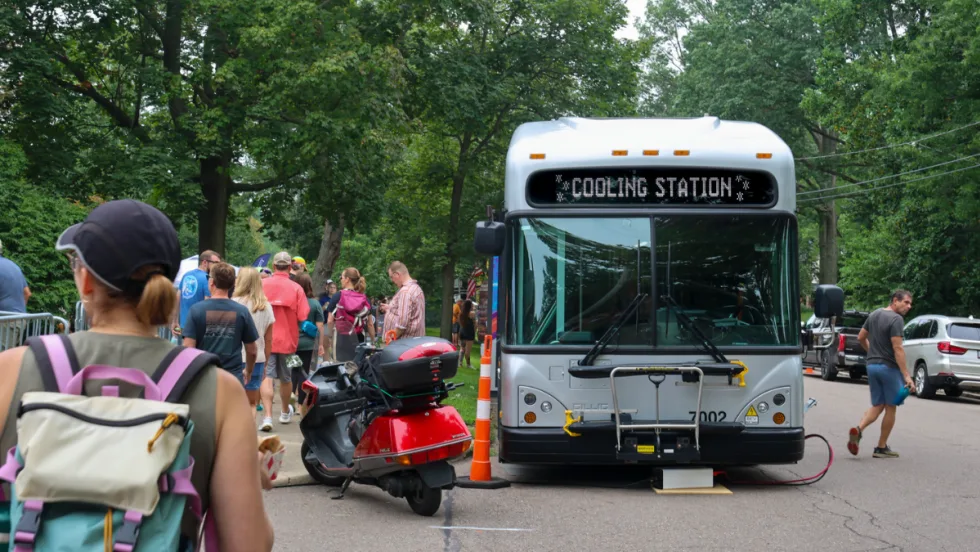
Ohio’s METRO RTA Turns Electric Buses into Mobile Power Sources at PorchROKR
See how three Gillig battery-electric buses powered festival stages while the agency’s new Park & Ride service carried approximately 1,000 attendees, demonstrating another potential use for transit agencies’ electric fleets.
Read More →
CALSTART and Forth Combine to Form Catalyst Mobility
The new name represents a renewed vision for the nonprofit focused on advancing clean, equitable, and affordable transportation solutions that move people and goods.
Read More →
Building a Flexible Path to Transit Electrification
John Hroncich discusses BAE Systems’ modular and scalable approach, lessons learned from decades of real-world operations, and how agencies can identify electrification strategies that fit their fleets.
Read More →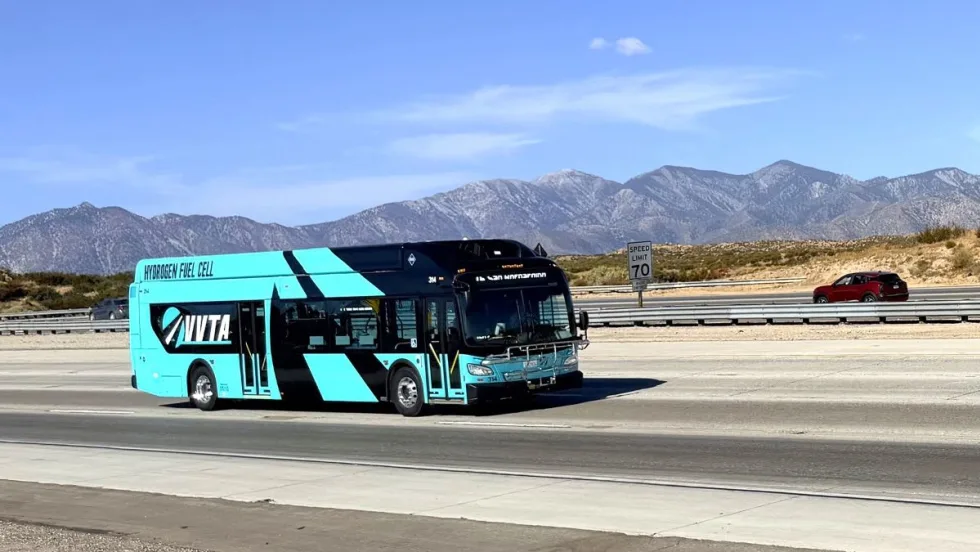
California's VVTA Begins Phased Rollout of Hydrogen Fuel Cell Buses
The agency is introducing 13 zero-emission buses into revenue service while evaluating performance across its urban, rural, and long-distance routes.
Read More →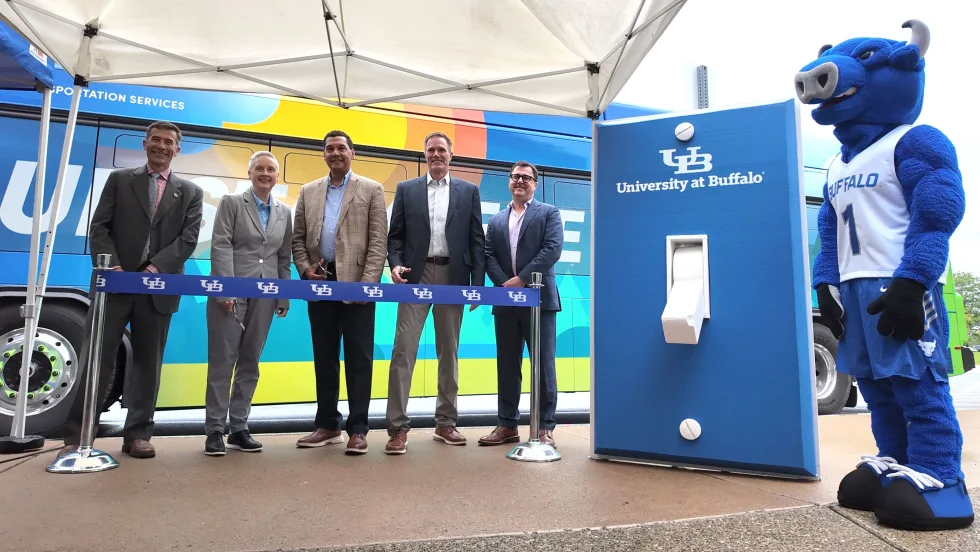
Inside Look: University at Buffalo Puts First 8 Electric Buses Into Stampede Service
UB, transportation solutions provider WeDriveU, and fleet electrification specialist Zenobē marked the deployment in the presence of students, university administrators, and local officials.
Read More →
Biz Briefs: OCTA Taps Clean Energy for Hydrogen Station, Stadler to Supply Via Rail Vehicles, and More
From manufacturers and suppliers to transit agencies and motorcoach operators, these updates offer a snapshot of the projects, partnerships and business moves driving the industry forward.
Read More →
AC Transit’s Cecil Blandon on Building the Next Generation of Transit Maintenance Leaders
The agency’s maintenance chief discusses leadership, workforce development, zero-emission technology, and preparing technicians for the future of public transportation.
Read More →
CTDOT Taps STV for Electric Bus Facility Design
The firm will work with CTDOT and RVT to define the facility layout, operational requirements, and long-term flexibility for RVT’s growing electric fleet.
Read More →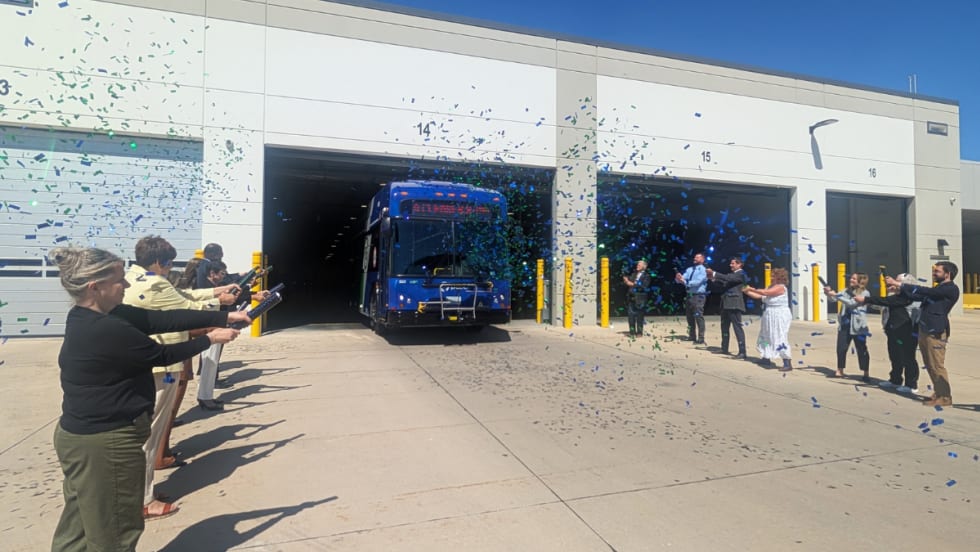
Chicago’s Pace Deploys 24 Hybrid-Electric Buses in Will County
The new buses reduce emissions and fuel consumption while advancing the agency's long-term goal of transitioning to a fully zero-emission fleet.
Read More →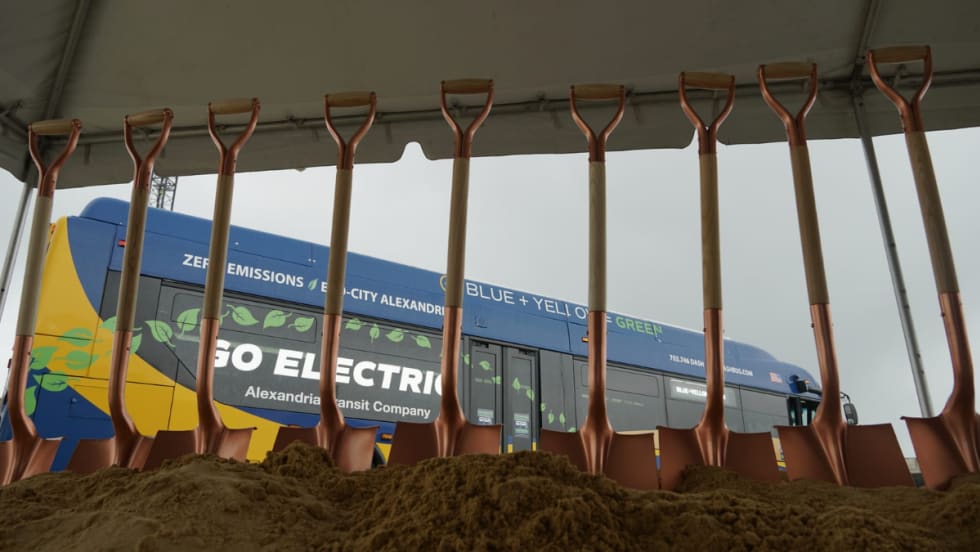
DASH Breaks Ground on First On-Route Electric Bus Chargers in D.C. Region
The fast-charging infrastructure will help extend electric bus range, improve fleet utilization, and support DASH's goal of transitioning to a fully zero-emission fleet.
Read More →