




RELATED: Consultants address funding, trends
Support for raising Federal gas tax continues to rise, finds Mineta report
Seventy-five percent of respondents supported a 10¢ increase in the gas tax if the revenue raised is dedicated to maintenance projects.
June 24, 2019
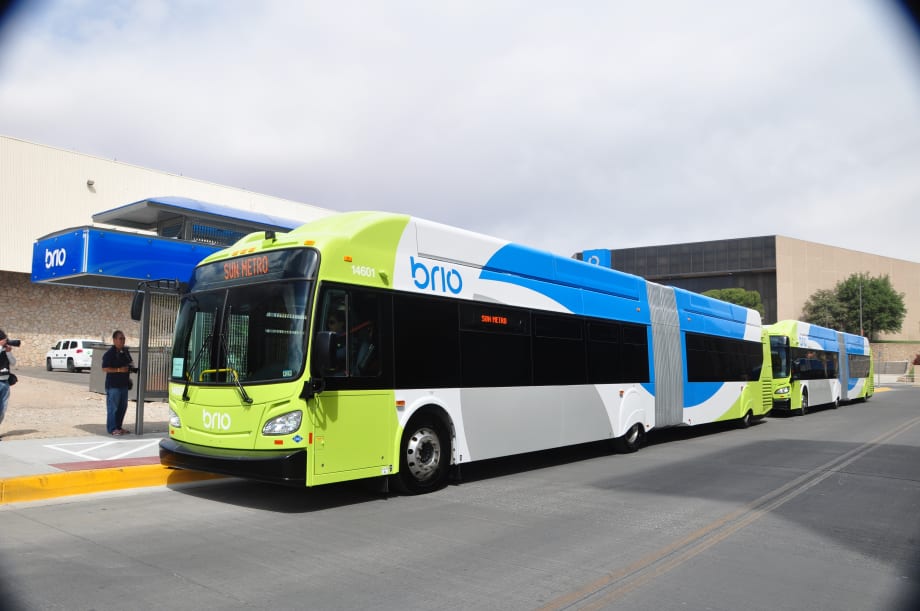
Large majorities value transportation improvements across transportation modes, including spending gas tax revenue for public transit-related projects.
Sun Metro
2 min to read

The Mineta Transportation Institute released its 10th annual survey exploring public support for raising federal transportation revenues through gas taxes of mileage fees: “What Do Americans Think about Federal Tax Options to Support Transportation? Results from Year Ten of a National Survey.”
“Support for raising the gas tax is largely dependent on how the revenue will be spent,” says Dr. Asha Weinstein Agrawal, one of the study’s authors and director of MTI’s National Transportation Finance Center. “Seventy-five percent of respondents supported a 10¢ increase in the gas tax if the revenue raised is dedicated to maintenance projects, but only 40% support the same increase if the money is used more generally to maintain and improve the transportation system.” (See Figure.)

Five of the same gas tax options have been tested each year to assess trends. Study co-author Dr. Hilary Nixon noted that in every case support has risen since 2010, with an increase for each of 13 percentage points or more.
Other key 2019 findings include:
Large majorities value transportation improvements across transportation modes, including spending gas tax revenue for road and public transit-related projects.
People do not have an accurate understanding of how much they pay in federal gas taxes. For example, 19% of respondents thought the federal gas tax rate is at least 76¢ per gallon, far higher than the current rate of 18.4¢ per gallon.
People would prefer to pay a mileage fee each time they buy fuel or charge an electric vehicle, rather than being billed monthly or annually.
People hold nuanced views on mileage fees with respect to equity and privacy
Linking transportation taxes to environmental objectives can increase support.
“We face growing needs across our transportation system, but funding hasn’t kept pace,” says Dr. Agrawal. “To solve this dilemma, we must either lower our goals for system maintenance and improvements, or raise new revenues.”
To view the full report, click here.
More Management

Transportation Construction Coalition Unveils Infrastructure Case Studies Ahead of Federal Funding Deadline
The coalition noted the next surface transportation bill should provide sustained investment in highways and public transit to strengthen freight movement, improve safety, and support economic growth.
Read More →
People Movement: American Bus Association Extends Ferguson and More
METRO’s People Movement highlights the latest leadership changes, promotions, and personnel news across the public transit, motorcoach, and people mobility sectors.
Read More →
METRO Magazine Announces 2026 Innovative Solutions Awards Winners
Projects Recognized for Advancing Mobility Through Technology, Accessibility, Workforce Innovation, and Operational Excellence
Read More →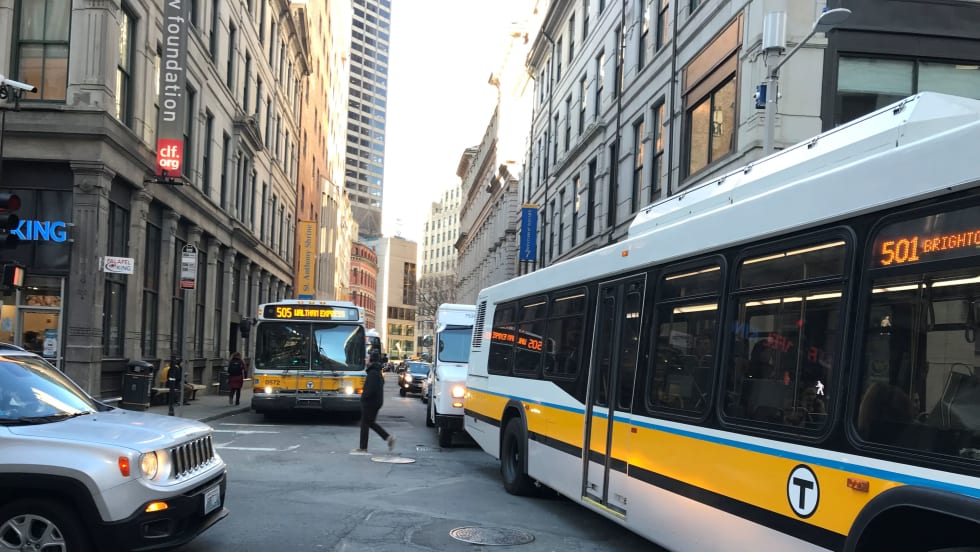
MBTA Rolls Out Pilot Programs to Cut Costs, Simplify Travel
Three new fare pilots — including unlimited two-hour transfers, reduced express bus fares, and free transit for eligible seniors — will launch this fall as Massachusetts extends popular commuter rail discounts through November.
Read More →
FTA Opens $610 Million Funding Opportunity for Bus Infrastructure Projects
The latest Notice of Funding Opportunity provides transit agencies with funding for bus facilities, fleet modernization, and low- and no-emission vehicles, with applications due September 21.
Read More →
Biz Briefs: STV teams with Amtrak, Motorcoach Operators Boost Fleet and Land Contracts, and More
From manufacturers and suppliers to transit agencies and motorcoach operators, these updates offer a snapshot of the projects, partnerships and business moves driving the industry forward.
Read More →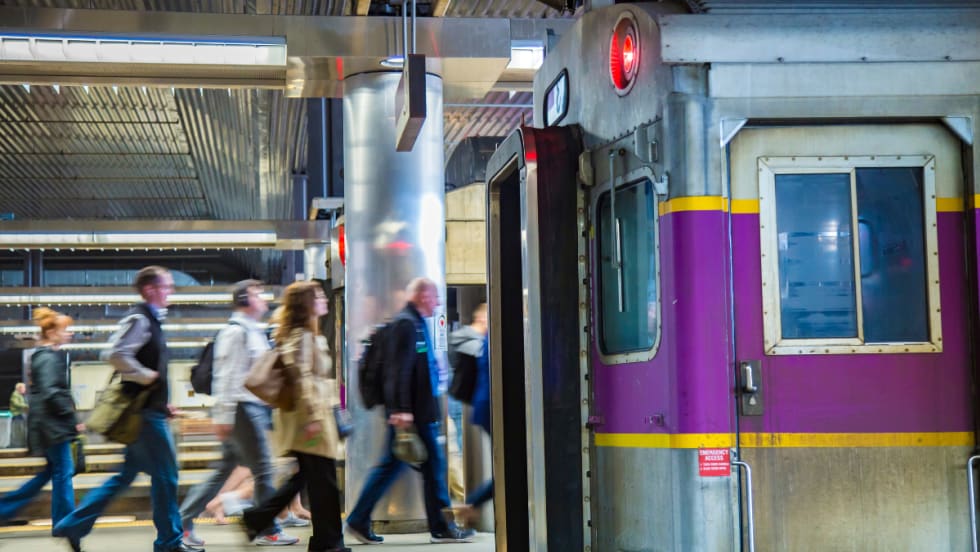
Massachusetts Approves $530M to Strengthen MBTA Operations, Infrastructure
The funding package targets operating stability, capital improvements, and fare affordability, offering a model for agencies navigating long-term funding challenges.
Read More →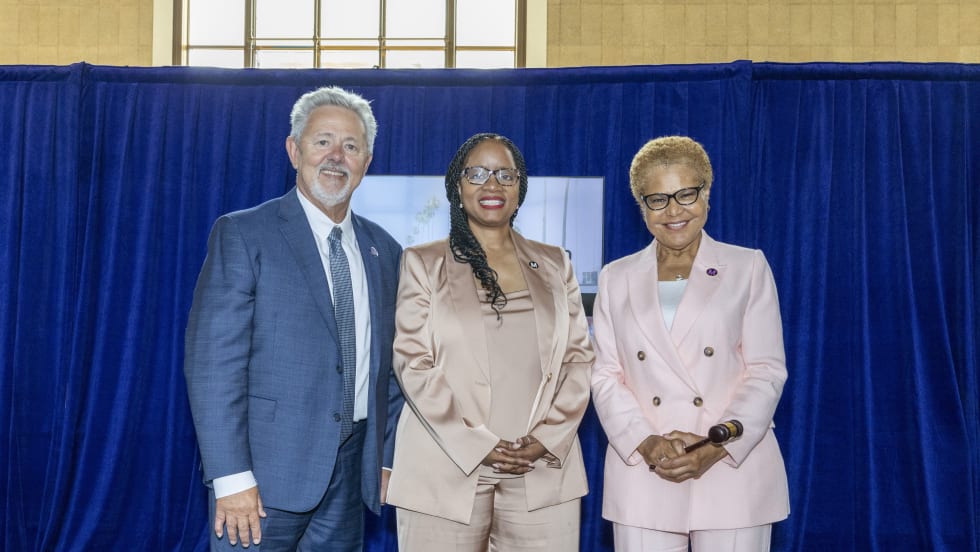
LA Metro Marks Banner Year, Sets Ambitious Goals for New Fiscal Year
Incoming LA Metro Board Chair and Los Angeles Mayor Karen Bass joined outgoing Board Chair Fernando Dutra and LA Metro CEO Stephanie Wiggins to review accomplishments from fiscal year 2026, which included the opening of new rail extensions, advancement of major transit projects, expanded safety programs, and new rider amenities.
Read More →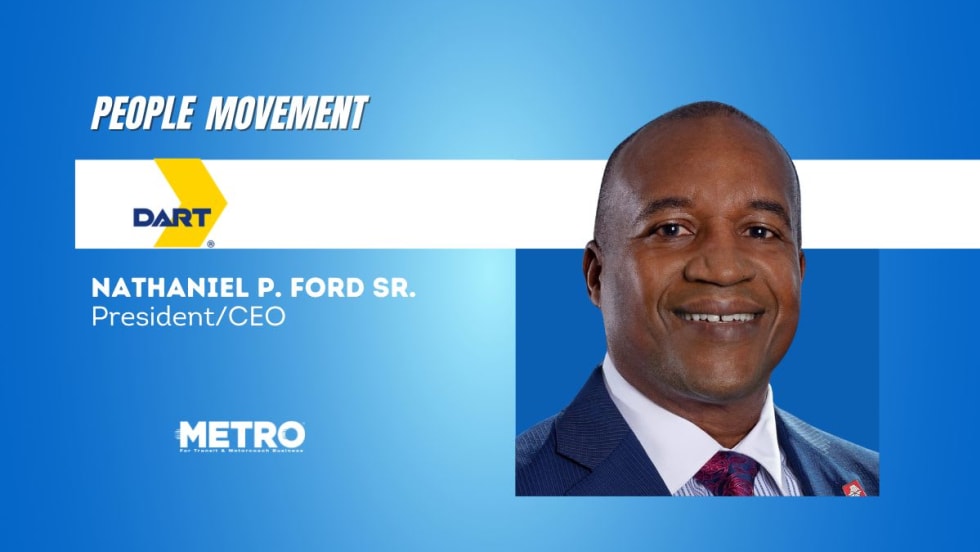
DART Taps Nathaniel P. Ford Sr. as Next President/CEO
Since 2012, Ford has served as the CEO of the Jacksonville Transportation Authority
Read More →
AC Transit’s Cecil Blandon on Building the Next Generation of Transit Maintenance Leaders
The agency’s maintenance chief discusses leadership, workforce development, zero-emission technology, and preparing technicians for the future of public transportation.
Read More →