



MTA to use UV light to clean transit system
The MTA is also launching the Essential Plan Night Service marking a robust increase in overnight bus service — substantially increasing the number of bus trips by 1,168 or more than 76%,

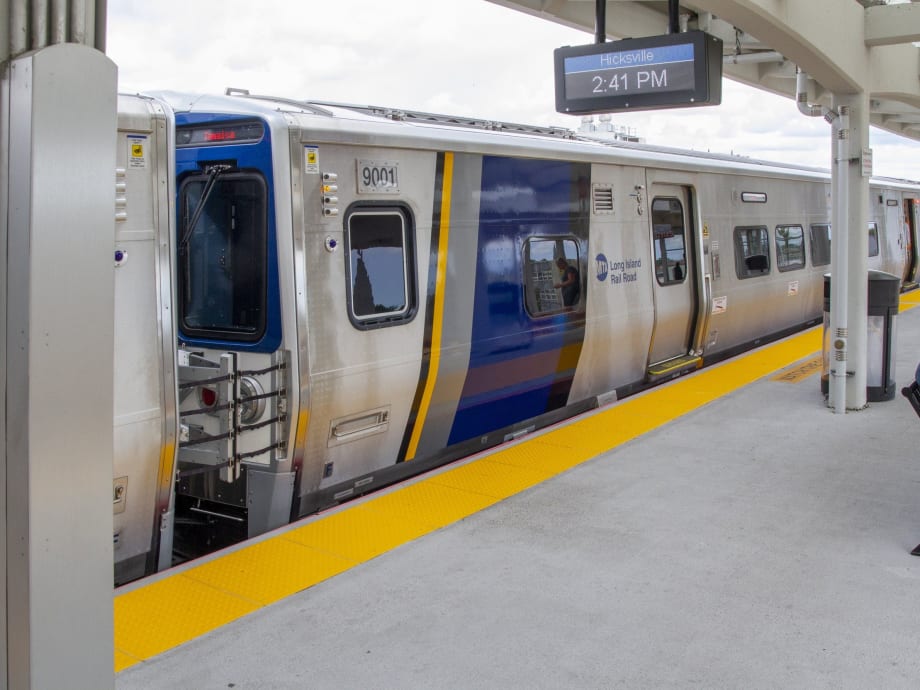
Subway ridership has fallen approximately 92% below normal levels as a result of the COVID-19 pandemic.
MTA
Subway ridership has fallen approximately 92% below normal levels as a result of the COVID-19 pandemic.
MTA
New York’s Metropolitan Transportation Authority (MTA) detailed its unprecedented 24/7 cleaning operation and new MTA Essential Plan Night Service during the upcoming subway closure from 1 to 5 a.m., which begins Wednesday. The new cleaning and disinfecting regimen marks the most aggressive in the MTA’s history, and will include around-the-clock efforts at all facilities, including those of New York City Transit, the LIRR, Metro-North, MTA Bridges and Tunnels, and MTA Construction & Development. The MTA is also leveraging and evaluating innovative new cleaning solutions such as antimicrobial biostats and ultraviolet light to eradicate the COVID-19 virus. If proven successful, the MTA will deploy these solutions systemwide.
The MTA’s Essential Plan Night Service marks a robust increase in overnight bus service — substantially increasing the number of bus trips by 1,168 or more than 76%, and adding 344 new buses on top of the 235 already deployed increasing the operational fleet by nearly 150% during 1 to 5 a.m. period.
Subway ridership has fallen approximately 92% below normal levels as a result of the COVID-19 pandemic. Bus ridership has fallen more than 80%. On average, approximately 11,000 customers currently use the subway during this time, and this represents 2.5% of New York City Transit’s overall current essential customer base.
“The safety of our customers and employees is always our highest priority,” said MTA Chairman/CEO Patrick J. Foye. “Overnight closure of the subway will allow us to take our cleaning operation to a never-before-seen level. We will more aggressively and efficiently disinfect our full fleet of rolling stock every single day. Touch points at stations will be cleaned twice daily. We’ve never undertaken so challenging a task, and as Governor Cuomo has said, it’s going to take a herculean effort.”
Details on the upcoming overnight closure and MTA Essential Plan Night Service are available below:
Overnight Subway Closure
Effective on the early morning of Wednesday, New York City Transit personnel will close all 472 subway stations at 1 a.m.
Any person remaining inside stations will be asked to depart; enforcement will be performed by the NYPD in collaboration with the MTA Police Department. Officers be deployed to all 472 subway stations from 1 to 5 a.m. to make sure their critical work goes on uninterrupted. The MTA will continue to work in partnership with the NYPD to connect more homeless New Yorkers with access to the medical care and social services they need and deserve. The NYPD has intensified patrols and presence at all stations. Shuttle buses will be strategically placed at select stations to help transport unsheltered New Yorkers.
Cleaning
To more effectively combat the spread of coronavirus, the MTA is undertaking a new cleaning program unprecedented in its history, covering both public and employee facilities. Crews will further enhance cleaning of all MTA rolling stock through around the clock disinfecting, including poles, seating, floor, ceiling, doors and walls. Every car in passenger service will be disinfected at least every 24 hours through three primary activities:
Daytime Terminal Car Cleaning: After each train reaches its final destination, crews will remove trash, clean spills and biohazards, and spot clean seats, floors, and other surfaces. Trains will also be disinfected at terminals during particular hours over the course of the day.
Overnight Yard Cleaning: Trains in service during daytime hours but out of service at night will receive a more comprehensive cleaning every night in yards. Crews will remove garbage and graffiti, clean spills and biohazards, mop floors, clean seats cleaning, and disinfect surfaces.
Overnight Terminal Car Cleaning: Trains that remain in service at night will receive cleaning that is identical to the yard cleaning above, except at terminal stations.
The MTA is also investigating innovative methods to eradicate traces of COVID-19. Currently, three antimicrobial biostats are being applied to the interior of MTA rolling stock (buses and subway cars) and in control rooms and crew quarters. The antimicrobial biostats are applied after the surfaces are cleaned and disinfected with an EPA-registered disinfectant. These products lay down a protective colorless, odorless barrier on surfaces that does not allow germs to grow.
There are several methods of how these products are applied: traditional squirt bottles and clothes, mechanical sprayers, floggers, and electrostatic sprayers. These antimicrobial biostats are being used in electrostatic sprayers in a pilot across New York City Transit for improved 360-degree coverage.
Additionally, ultraviolet (UV) light is an efficient, proven, and effective technology for eliminating viruses, including SARS-CoV-2, from surfaces including hospital operating rooms. This pilot will focus on the use of UVs to eradicate SARS-CoV-2 from rolling stock (subway cars, buses, railcars, transit vehicles) and fixed locations (break rooms, technology centers, operation centers, offices). In March, MTA worked with Columbia University and an innovative UV startup to successfully demonstrate the efficacy of UV technology on its subway system. MTA will pilot this technology on its transit and railway vehicles in the second week of May, but will focus on subway and buses.
For essential employees who cannot complete their trips using buses, the MTA will operate a limited “Essential Connector” program offering for-hire car service. Qualified individuals will be provided with one trip per night via licensed for-hire vehicles at no cost to the rider. The MTA is partnering with CTG, Limosys, and Curb on this effort. These companies currently operate Access-A-Ride service in partnership with the MTA.
More Security and Safety
CSA Group Releases Climate Resilience Standard for Transit, Passenger Rail
Developed with support from the Standards Council of Canada, CSA D700 guides assessing climate-related risks and planning adaptation measures for transit and passenger rail systems.
Read More →
San Diego MTS Approves New Fare Evasion Penalty Program
The new administrative process will move eligible violations out of the criminal court system, cap penalties at $125, and provide flexible payment options for riders.
Read More →
RTC of Southern Nevada Reports 29% Drop in Transit Operator Assaults
The agency credits expanded security measures, employee training, and technology investments for improvements in transit safety, while security officers have responded to 19 suspected overdoses since July.
Read More →
Public Transit Conference Returning to GFX in 2027, Call for Papers Now Open
The Call for Papers is now open, allowing transit agency professionals and industry experts to help shape the PTC educational program by submitting session ideas for consideration.
Read More →
Safe Transit Act Proposes New Security Requirements for Federal Transit Funding
Proposed legislation would link federal transit dollars to safety measures while requiring security investments, onboard cameras, and new fare collection standards.
Read More →
FTA Ends Direct Oversight of MBTA Safety Actions
The federal agency closed its remaining special directive to the Massachusetts Department of Public Utilities following a safety review that began in 2022.
Read More →
Transit Agencies Highlight Safety Gains at National Summit
Leaders from 15 major transit systems shared crime-reduction results and safety initiatives while discussing the role of continued federal support.
Read More →
DART Launches Major Security, Fare Enforcement Initiative
The 90-day demonstration will deploy coordinated security teams at five light rail stations while testing controlled access and gathering data to guide future investments.
Read More →
RTD Launches NextRide App to Consolidate Trip Planning, Fares, Security Reporting
The app expands on RTD’s existing NextRide web application and allows customers to view real-time vehicle locations and service alerts, purchase and store digital fares, and access customer support.
Read More →
TAPTCO Updates OSHA Compliance Training for Transit Maintenance Operations
The revamped program addresses 26 OSHA standards for maintenance facilities, with TAPTCO pointing to training, documentation, and everyday shop hazards as continuing challenges for transit operations.
Read More →