



USDOT Announces Funding Opportunity for Transit-Oriented Development
The funding will support local planning and investment near transit hubs to promote sustainable, livable, and equitable communities.

Since 2015, FTA’s TOD program has provided more than $104 million to help communities around the country plan for new opportunities around transit.
Photo: USDOT
The U.S. Department of Transportation announced the availability of approximately $13.4 million in competitive grant funds through the Federal Transit Administration’s (FTA) Pilot Program for Transit-Oriented Development (TOD) Planning.
The funding will support local planning and investment near transit hubs to promote sustainable, livable, and equitable communities.
TOD links public transportation, land use, and housing to create communities that are connected to transit and walkable. TOD planning can reduce transportation costs for American families and reduce their carbon footprint by improving transit access to jobs and services.
“Transit-oriented development helps shape communities where you can conveniently access jobs, groceries, medical care, good schools, affordable housing, and more,” said U.S. Transportation Secretary Pete Buttigieg. “We are all better off when there is easy access to affordable, accessible, and convenient ways to get around, which is why DOT is proud to announce this funding to support transit-oriented development.”
FTA’s TOD Program History, Purpose
Since 2015, FTA’s TOD program has provided more than $104 million to help communities around the country plan for new opportunities around transit.
Past award recipients have invested funds into creative and innovative projects, including work by Phoenix and Tempe city officials who are transforming the areas around Valley Metro streetcar and light rail routes to expand housing opportunities and build sustainable, equitable neighborhoods.
“Transit-oriented development reduces reliance on single-occupancy vehicles, improves mobility, and reduces greenhouse gas emissions and air pollution. It helps promote transit ridership by creating more opportunities for people to access rail stations, transit centers, and bus stops,” said FTA Administrator Nuria Fernandez. “Through this program, we will support more investments in TOD and help improve communities and people’s lives.”
The Pilot Program for Transit-Oriented Development Planning will help fund site-specific planning efforts that advance the Biden-Harris Administration’s goals to lower costs for American families, combat climate change, and promote equitable delivery of benefits to underserved communities.
Special consideration will be given to applications that improve air quality, advance environmental justice, support unhoused populations, and promote housing affordability.
To Apply...
This year, applications for areas with a lower population density or lower average income compared to surrounding areas will receive a higher federal funding share.
Additionally, applications with a substantial focus on affordable housing may receive up to 100% federal cost share support.
TOD grants align with the Biden-Harris Administration’s Housing Supply Action Plan, which will ease the burden of housing costs over time by boosting the supply of quality housing in every community.
To apply for funding, an applicant must be an existing FTA grant recipient – either a project sponsor of an eligible transit project or an entity with land use planning authority in the project corridor.
To ensure that work meets the needs of the local community, transit project sponsors and land use planning authorities must partner to conduct the planning work.
More Management
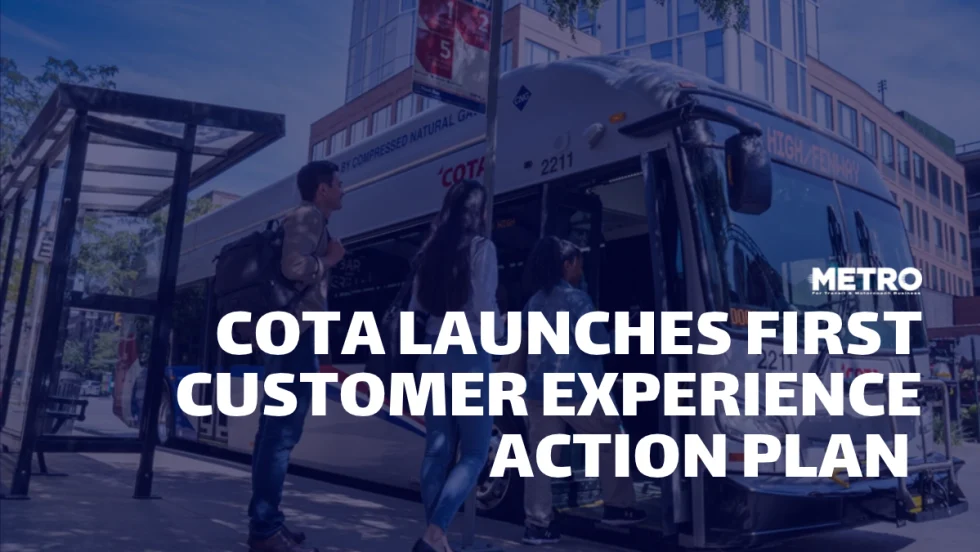
COTA Launches First Customer Experience Action Plan to Improve Transit Service
The new plan outlines improvements to service reliability, accessibility, communication, and the overall rider experience across Central Ohio's transit system.
Read More →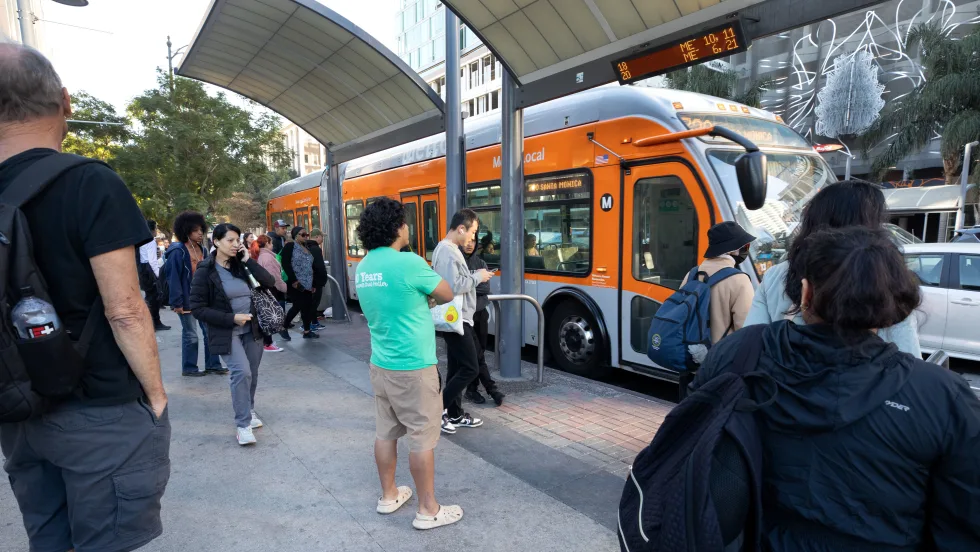
LA Metro September Ridership Climbs 3.9%, Led by Rail Growth
The agency recorded more than 27.2 million boardings, with rail ridership increasing 12.4% year over year and the D Line posting the largest gains.
Read More →
Utilimarc Launches SmartReplace to Optimize Fleet Replacement Decisions
AI-powered SmartReplace helps fleets prioritize vehicle replacements, model budget scenarios, and build more defensible long-term strategies.
Read More →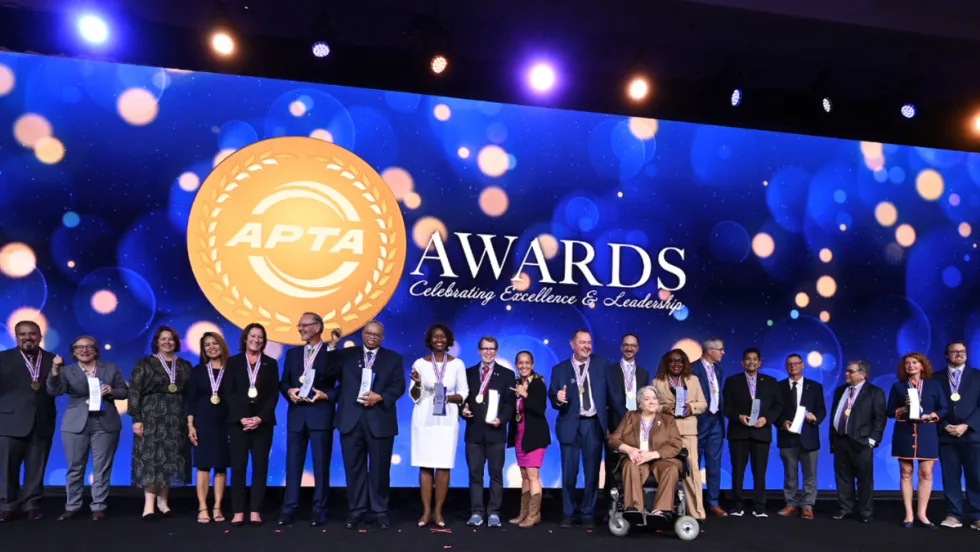
APTA Honors 2026 Award Winners, Hall of Fame Inductees at TRANSform & EXPO
Innovations in autonomous and zero-emission transportation, standout transit systems, and industry leadership took center stage among this year's honorees.
Read More →
7 Ways to Build a Better Transit Internship Program
Lessons from DRPA/PATCO’s approach to creating a meaningful internship experience—and developing the next generation of transportation professionals.
Read More →
Scenes from APTA TRANSform & EXPO 2026
Transit leaders, manufacturers, and industry professionals gathered in Chicago to explore new technologies, share ideas, and discuss the future of public transportation.
Read More →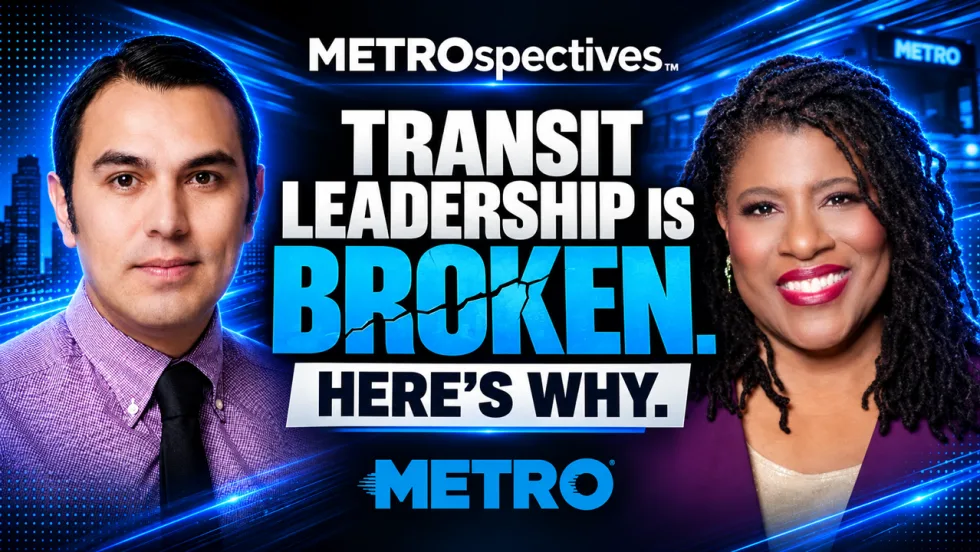
Building Stronger Leaders, More Resilient Transit Teams
Dr. Carol Parker Walsh discusses leadership development, employee retention, workplace culture, and preparing transit’s workforce for AI and automation.
Read More →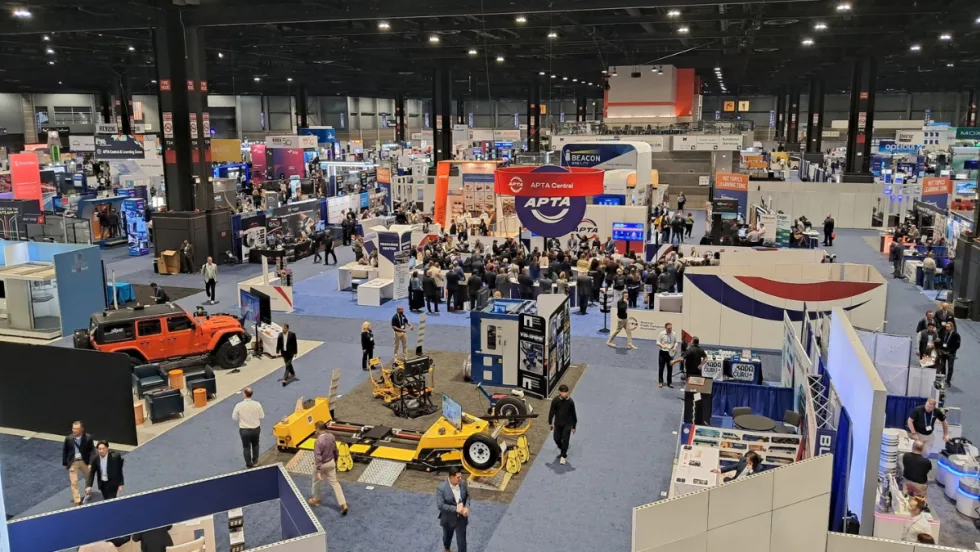
APTA 2026 TRANSform & EXPO Kicks Off in Chicago
After 45 years, APTA returns to Chicago with a focus on next-generation fleets, AI, connected transit networks, and the funding strategies shaping public transportation’s future.
Read More →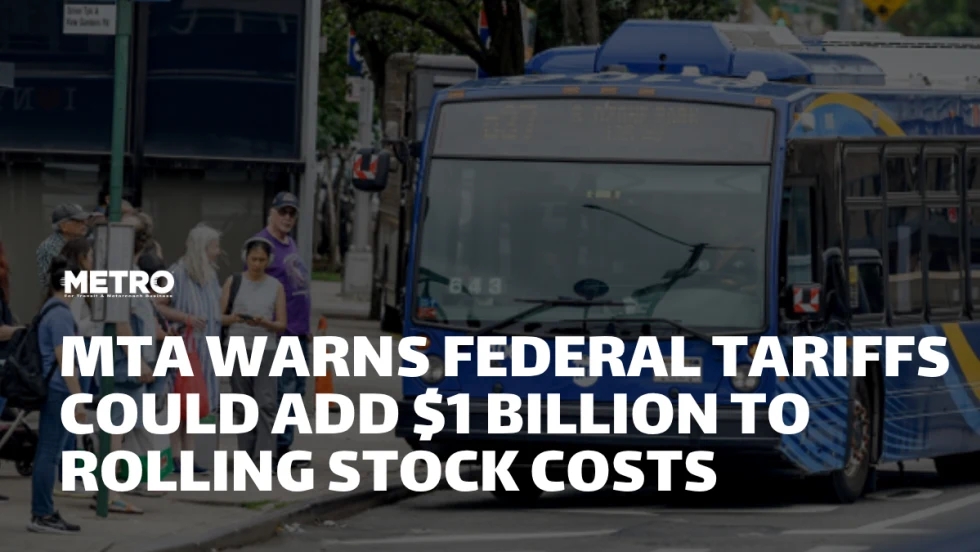
New York MTA Warns Federal Tariffs Could Add $1 Billion to Rolling Stock Costs
The agency said tariffs on specialized imported components could reduce the purchasing power of its $23 billion investment in new subway cars, railcars, and buses.
Read More →
From the Show Floor: What Happened at APTA TRANSform & EXPO 2026
See the latest product launches, partnerships, technology updates, and transit industry announcements from APTA TRANSform & EXPO in Chicago.
Read More →