



New York MTA Launches 'Fair Fares' OMNY Pilot
The pilot is scheduled to run for 90 days, which will allow for the agency to collect feedback from participants, evaluate the pilot, and finalize a plan for the full transition to OMNY across all Fair Fares customers at a later date.

As outlined in the Blue-Ribbon Report on MTA Fare and Toll Evasion, the authority is aggressively expanding awareness around the Fair Fares program among the riding public to actively increase enrollment.
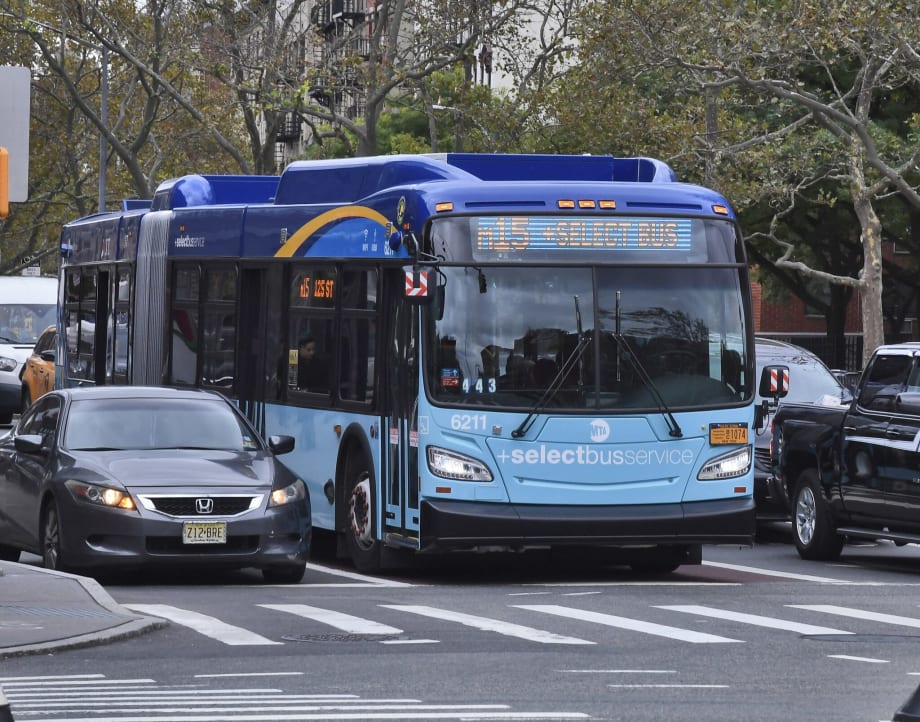
Photo: MTA/Marc A. Hermann
The New York Metropolitan Transportation Authority (MTA) and the City’s Department of Social Services (DSS) officially launched the Fair Fares pilot on OMNY, the authority’s contactless fare payment system.
Fair Fares customers registered for the pilot can now use OMNY cards to pay via tap-and-go on New York City subways and buses. The pilot is scheduled to run for 90 days, which will allow for the agency to collect feedback from participants, evaluate the pilot, and finalize a plan for the full transition to OMNY across all Fair Fares customers at a later date.
There are currently 50 Fair Fares members enrolled and already tapping into the subway system and on buses with OMNY cards as part of the pilot program.
The Fair Fares Program
Following the Mayor Adams Administration’s implementation of the first-ever expansion of Fair Fares eligibility, extensive community outreach, and numerous enrollment events held in partnership with the MTA, elected officials, agency partners, and community-based organizations, more New Yorkers than ever — over 330,000 — are currently enrolled in Fair Fares.
The pilot comes after the MTA, New York City, DSS, and the Mayor’s Office of Public Engagement held the most expansive single day of action in all five boroughs of New York City to promote and enroll riders into the City’s half-priced Fair Fares program.
Additionally on April 29, the authority announced the completion of its OMNY Card Vending Machine rollout pilot program. To date, MTA crews have activated 39 machines at 25 stations with more activations scheduled — providing additional ways pilot participants can reload their cards.
“Targeted affordability is key to not only growing ridership, but ensuring the most loyal transit riders, no pun intended, pay the fair fare,” said NYC Transit President Richard Davey. “Fair Fares reps have been great partners, joining our TransitTalks to help spread the word about this vital program. Fair Fares has serious potential to be a game-changer, and with OMNY now in the mix the potential to substantially grow the program is highest it has ever been.”
Fully-Vetted Fair Fare Users
Pilot participants attended an in-person orientation where they were able to ask questions about the pilot, including how to reload the OMNY card, which, just like a MetroCard, must have money added to it before it can be used.
The Fair Fares discount is added to the OMNY Cards when they are assigned to a participant and all participants will be able to continue using their OMNY card with the Fair Fares discount even after the pilot concludes.
As outlined in the Blue-Ribbon Report on MTA Fare and Toll Evasion, the authority is aggressively expanding awareness around the Fair Fares program among the riding public to actively increase enrollment. City representatives and MTA staff informed and directed riders to the right resources and information, while offering the opportunity to sign up on site.
Reduced-Fare customers and select Fair Fares customers in the pilot program can now pay their fare with OMNY. In addition to being able to pay for the fare on subways and buses customers taking the Roosevelt Island Tramway and AirTrain JFK can use OMNY to pay full fare.
More Technology

From Hardware to Digital Partner: Luminator Charts Its Next Chapter
CEO Magnus Friberg discusses Luminator’s shift toward becoming a digital partner, the growing importance of software and interoperability, and how AI can help agencies improve operations and passenger experience.
Read More →
Beyond the Checklist: A Structured Approach to Transit Maintenance
Reliability-Centered Maintenance helps transit agencies move beyond routine checklists to focus limited resources on the assets and failures that have the greatest impact on safety, reliability, and service.
Read More →
NJ TRANSIT Advances Bus Technology Upgrades Across Statewide Fleet
More than 1,500 buses now feature upgraded technology designed to improve arrival predictions and provide free Wi-Fi, with deployment expected to reach nearly 2,000 buses by the end of 2026.
Read More →

Building a Flexible Path to Transit Electrification
John Hroncich discusses BAE Systems’ modular and scalable approach, lessons learned from decades of real-world operations, and how agencies can identify electrification strategies that fit their fleets.
Read More →
Biz Briefs: Alstom Lands Canadian Contract, LYT to Supply California TSP, and More
In METRO's latest installment, we take a look at recent news from Complete Coach Works, Beep, FlixBus, and more partnerships making headlines across the transportation sector.
Read More →
From Legacy Silos to Conversational Intelligence
What if transit leaders could ask any operational question and get a trusted answer in seconds? Conversational AI is transforming how agencies use their data.
Read More →
USDOT Announces Rail Vehicle Replacement Grants, Chattanooga AV Shuttle Funding
More than $191 million in federal funding will help three transit agencies replace aging rail vehicles and support a new autonomous shuttle service in Chattanooga.
Read More →
Bus Tech Talk: Keeping Transit Technicians Ahead of the Technology Curve
LA Metro’s Obed Mejia discusses technician training, evolving maintenance technology, fleet replacement, and strategies for getting the most out of today’s transit fleets.
Read More →
Biz Briefs: RIPTA Unveils New Frontrunners, Clevland RTA Adds New Siemens, and More
In METRO's latest installment, we take a look at recent news from Siemens, Prevost, Dodge, and more partnerships making headlines across the transportation sector.
Read More →
Why Simulating Pedestrian Movement Has Become Essential for Modern Rail Stations
Pedestrian microsimulation is helping rail planners identify bottlenecks, test station designs, and prepare complex transit hubs for growing passenger volumes.
Read More →