




Read More: New York MTA Celebrates ADA Accessibility at Hunter College Station
New York MTA Announces Pilot Program for Live ASL Interpretation
Convo Access looks to bring live ASL interpretation to Subway, Metro-North, and Long Island Rail Road stations.
February 11, 2025

The Convo Access program allows users to connect quickly with a live ASL interpreter to help communicate with MTA staff and ask questions about New York City's transit system.
Photo: NY MTA
2 min to read
The New York Metropolitan Transportation Authority (MTA) is implementing a pilot program to connect people who are deaf or hard-of-hearing with instant, on-demand American Sign Language (ASL) interpreters while using the transit system.
Convo Access is a mobile smartphone and web-based application that allows users to scan a QR code to connect with a live interpreter and chat with an MTA employee about service changes, payment, or other parts of their journey.
The pilot program was initially deployed at Penn Station, Times Square, and Port Authority and is free for all customers. Those locations saw a 94% activation rate and users reported enhanced personal connections and more natural interactions with transit staff.
Evolving Transit Tech Lab Pilots
The program was deployed after a successful initial Transit Tech Lab proof of concept. Transit Tech Lab is a private-public initiative created by the MTA and the Partnership fund for New York City to make New York transit more accessible, responsive, and efficient.
"Delivering a solution for customers who are Deaf or hard-of-hearing to have direct communications with MTA employees is a great enhancement to the customer experience," said MTA Chief Accessibility Officer Quemuel Arroyo." This Pilot is going to redefine how we engage with our customers and allow us to explore new best practices ensuring equal access for all our customers throughout the MTA."
With the announcement of the pilot program, Convo Access will be coming to various locations including select NYC Transit Customer Service Centers, Long Island Rail Road stations, and Metro-North Railroad stations.
The Convo Access Pilot will run through at least November 2025. During this time period users can submit questions and feedback.
“Convo Access is more than a tool – employees and riders will be able to greet each other and have conversations beyond directions and train times,” said Convo CEO Jarrod Musano. “Together with our partners at MTA, we’re creating a transit system where everyone feels empowered and welcomed.”
Building on Previous Accessibility Tech
The MTA and Transit Tech Lab introduced NaviLens and NaviLens Go in 2023.
The free smartphone apps translate visual information into accessible formats when users scan a NaviLens code in a subway station or at a bus stop.
The apps read out information including arrival times, elevator status, and information about in-station features to help blind and low-vision riders use the transit system.
More Management
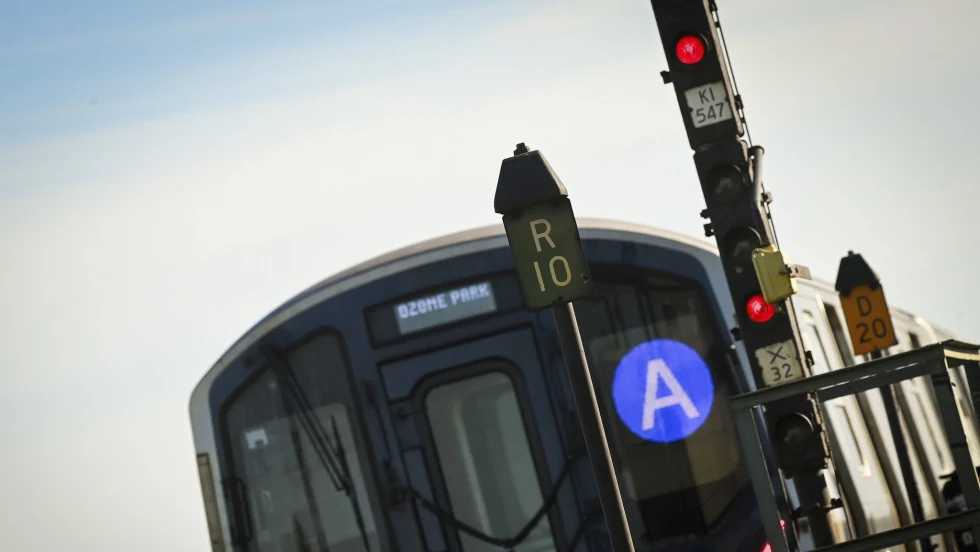
New York MTA Launches Historic $1.9B Signal, Track Modernization Project
Funded in part by congestion pricing revenue, the project will replace nearly century-old signals along the A and C lines in Brooklyn and Queens.
Read More →
Brian Dickson on Building Stronger, More Resilient Transportation Organizations
Bus Business Consultants Founder Brian Dickson discusses the leadership principles, operational discipline, and strategic planning that separate transportation companies positioned for long-term success from those stuck in survival mode.
Read More →
LA Metro Breaks Ground on Vermont BRT Project
The 12.4-mile corridor is projected to serve 66,200 daily riders, reduce travel times by up to 24%, and create the nation's busiest bus rapid transit corridor.
Read More →
Building Stronger Leaders, More Resilient Transit Teams
Dr. Carol Parker Walsh discusses leadership development, employee retention, workplace culture, and preparing transit’s workforce for AI and automation.
Read More →
Roman Cornell on ABC Companies’ Evolution and the Future of Passenger Transportation
The company’s CEO discusses carrying forward a third-generation family legacy, ABC’s continued evolution in passenger transportation, support for increasingly complex fleets, and how technology and continued investment could help operators improve uptime.
Read More →
CATS Launches West Charlotte Microtransit Zone, Expands Transit Services
The new microtransit zone connects residents to key destinations as Charlotte Area Transit System rolls out the first phase of its 2055 Transit System Plan.
Read More →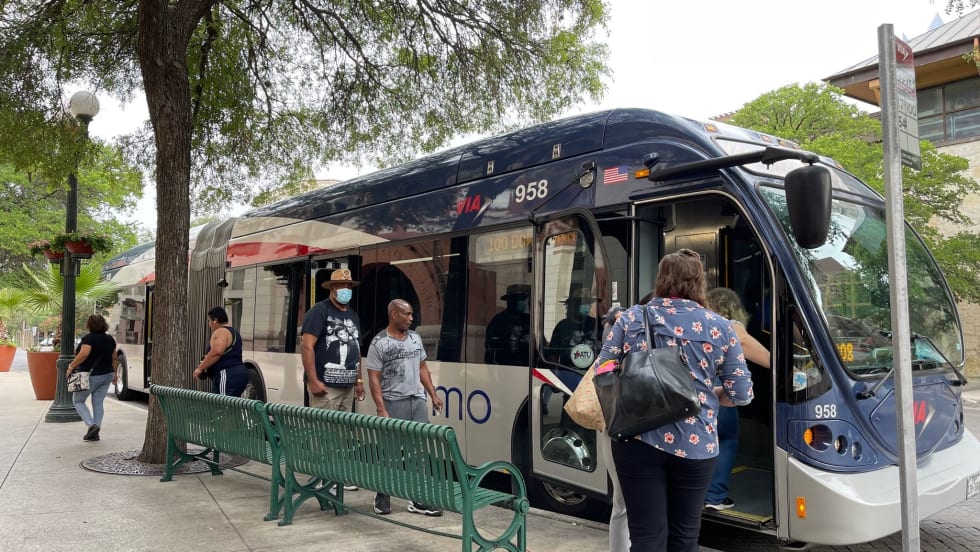
VIA Bus Ridership Grows 10.1% Through August 2026
San Antonio's VIA Metropolitan Transit reported the highest bus ridership growth among major Texas transit systems. Federal Transit Administration data ranked it second among the nation's 50 largest transit systems.
Read More →
CSA Group Releases Climate Resilience Standard for Transit, Passenger Rail
Developed with support from the Standards Council of Canada, CSA D700 guides assessing climate-related risks and planning adaptation measures for transit and passenger rail systems.
Read More →
ETA CEO John Maglio on Transit Technology, Innovation, and Building Agency Trust
ETA founder and CEO John Maglio explores the evolution of transit technology, the importance of reliable systems, and how stronger partnerships can help agencies improve operations and the passenger experience.
Read More →
COTA Launches First Customer Experience Action Plan to Improve Transit Service
The new plan outlines improvements to service reliability, accessibility, communication, and the overall rider experience across Central Ohio's transit system.
Read More →