



TransLink adding tactile, braille signage at bus stops
Will also be looking at developing a wayfinding technology pilot that will help customers better navigate the system using data sent directly to a phone or tablet.

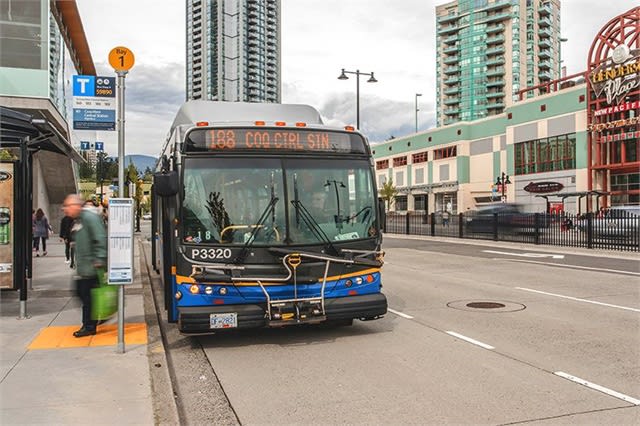
TransLink will also be looking at developing a wayfinding technology pilot that will help customers better navigate the system using data sent directly to a phone or tablet.
TransLink
TransLink will also be looking at developing a wayfinding technology pilot that will help customers better navigate the system using data sent directly to a phone or tablet.
TransLink
Vancouver’s TransLink is moving ahead with plans to implement a program benefiting customers who are blind or partially sighted. Beginning in 2020, tactile and braille signage will be installed at every bus stop, and tactile walking surface indicators (TWSI) at stations and bus exchanges — making TransLink one of the first transit authorities in North America to provide this level of information across the bus network.
“We are committed to making our transit system accessible for as many people as possible,” said TransLink CEO Kevin Desmond. “We know that a lot of our customers with vision loss rely on transit to get around the region and this is another example of the work we are doing for a very important community.”
The tactile and braille signage will be installed at approximately 8,500 bus stops with:
The unique five-digit bus stop ID number
The words “STOP” or “BAY #” to identify the bus stop
Route numbers
The customer service telephone number
TransLink will also be looking at developing a wayfinding technology pilot that will help customers better navigate the system using data sent directly to a phone or tablet.
The work to test Universally Accessible Bus Stops first started in 2012 and included the installation of TWSI, tactile, and braille at various bus stops as part of a pilot project. Throughout the process, TransLink has consulted with representatives from the community through a wide-reaching survey and direct engagement with key stakeholders.
More Paratransit
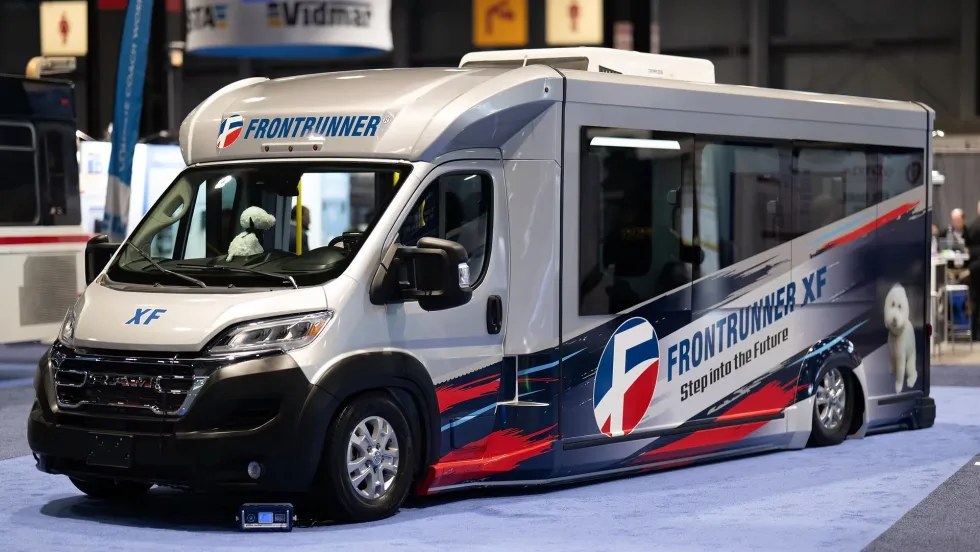
Frontrunner Bus Group Introduces XF Low-Floor Bus with Enhanced Accessibility
The new mid-sized bus features a full flat-floor design, eight-inch curbside step-in height, and zero-entry rear ramp to improve passenger access and operational flexibility.
Read More →
Scenes from APTA TRANSform & EXPO 2026
Transit leaders, manufacturers, and industry professionals gathered in Chicago to explore new technologies, share ideas, and discuss the future of public transportation.
Read More →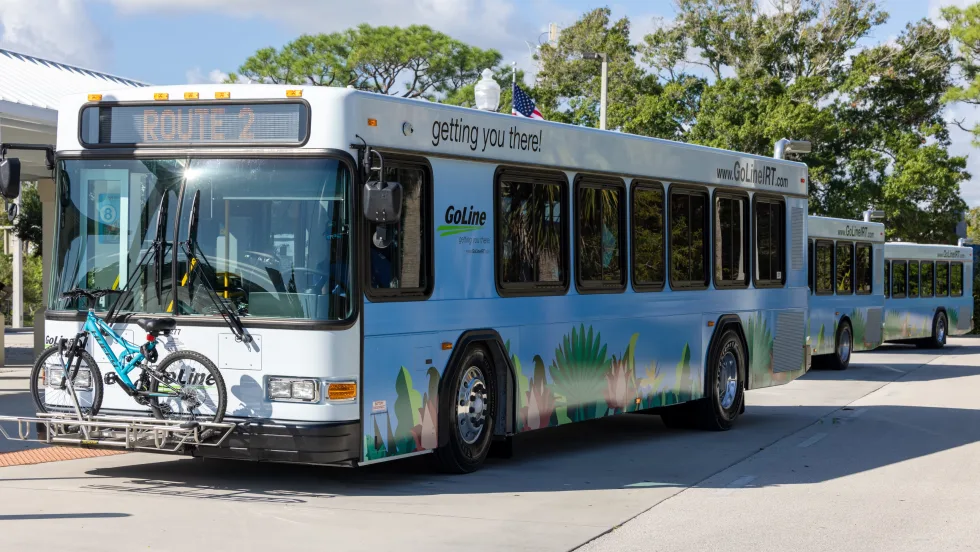
Indian River Transit’s Community-Focused Approach Earns National Recognition
Named APTA’s 2026 Outstanding Public Transportation System in its size category, Florida’s Indian River County transit system continues to grow ridership through fare-free service and a focus on evolving community needs.
Read More →
Everett Transit, Community Transit Outline Consolidation Agreement
The proposed agreement calls for a 50% increase in bus service in Everett, a new microtransit zone, continued paratransit service, and the transfer of Everett Transit operations to Community Transit.
Read More →
Driving Smarter Paratransit
John Hanlon shares how AlphaRoute is leveraging AI-powered technology to help paratransit providers optimize operations, support frontline staff, and enhance the rider experience.
Read More →
People Movement: Dan Dipert Coaches Adds Third-Generation Leader, Keolis Names New Valley Metro VP/GM, and More
In this edition, we also cover recent appointments and announcements at the Wabtec, SilverRide, HNTB, and more, showcasing the individuals helping to shape the future of transportation.
Read More →
Biz Briefs: RIPTA Unveils New Frontrunners, Clevland RTA Adds New Siemens, and More
In METRO's latest installment, we take a look at recent news from Siemens, Prevost, Dodge, and more partnerships making headlines across the transportation sector.
Read More →
King County Metro Makes ADA Paratransit Easier to Navigate
METRO's Innovative Solutions Award winner replaces complex service-area descriptions with an accessible, interactive map that puts paratransit information directly in customers’ hands.
Read More →
Jacksonville’s NAVI Project Charts a New Course for Autonomous Public Transportation
Through its NAVI program, JTA is showing how autonomous vehicles, intelligent infrastructure, and coordinated operations can work together to deliver everyday public transportation.
Read More →
Driving Smarter Paratransit
John Hanlon shares how AlphaRoute is leveraging AI-powered technology to help paratransit providers optimize operations, support frontline staff, and enhance the rider experience.
Read More →