



Intercity bus services should be part of national policy
The focus should not simply be in greater safety enforcement; a larger vision of better mobility choices, including intercity bus services, must be part of the next bill.
Once an industry sector on the verge of extinction, regularly scheduled intercity bus service has made a huge comeback in recent years. That fact seems to be lost on national policymakers, and that situation has to change.
Chicago-based DePaul University’s Chaddick Institute for Metropolitan Development tracked this comeback through its annual survey of intercity bus service. The most recent report, covering the year 2012, shows an annual service growth of 7.5%, as measured in daily service departures,
the second-highest rate in the survey’s 15-year history. In addition, ridership is also on an impressive upward trajectory and annual boardings now exceed the number served by airlines.
Innovative service offerings
It’s also a vibrant industry, with many innovative curb-side services offered by BoltBus, Megabus, the so-called “Chinatown” services in the Northeast and other recent start-up carriers, a segment that grew in the most recent annual survey by more than 30%. Part of this growth is represented by new services from traditional companies, such as Greyhound Express and Peter Pan Express, which are both responses to the new demand.
Some of the forces that are driving the intercity bus growth are the same driving other modes, such as less automobile use, the aging of the population and the desire of many in the millennial generation to have more transportation options than those that come with owning a car.
These are trends that seem to be more than what can be explained by the recent recession, because they started before it and have continued after the recovery began. What is also driving this mode’s growth is what drives Amtrak’s growth: the greater freedom offered, including fewer boarding hassles and the ability of passengers to use new personal technology in ways that airlines have been unable to provide in recent years.
Very little done for industry
Although many in the U.S. Department of Transportation and Congress are beginning to take notice of these trends, very little was done in either of the major transportation bills that were passed since the recession, the Recovery Act and the two-year surface transportation authorization.
To its credit, the feds have begun to address safety concerns in this industry, but only after a spate of high-profile accidents and traffic-related issues that have been created by operators in some cities.
This year, Congress and the president have another chance to more fully integrate intercity bus services into a national transportation policy as the current authorizing legislation expires at the end of September. The focus should not simply be in greater safety enforcement; a larger vision of better mobility choices, including intercity bus services, must be part of the next bill.
More Management
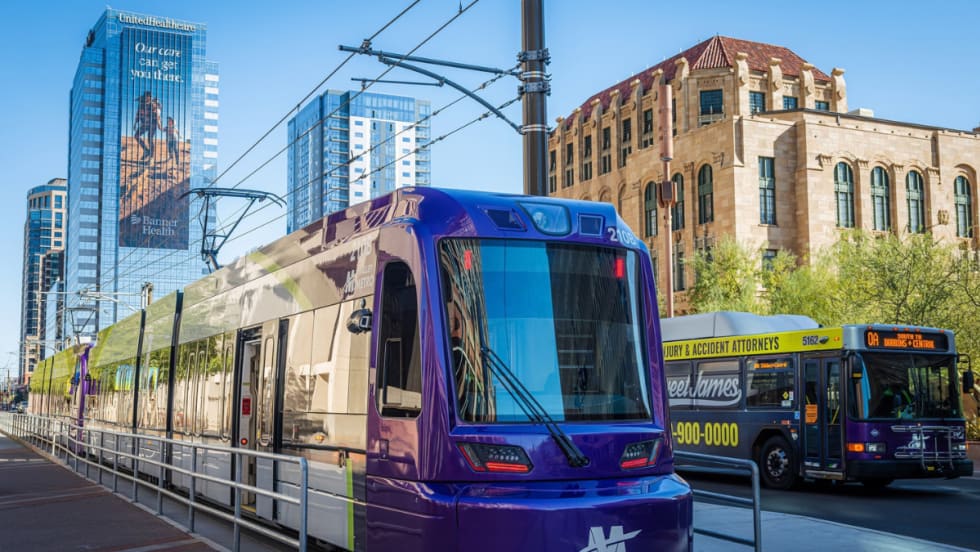
How Valley Metro Is Balancing Transit Growth With the Rider Experience
The APTA award-winning agency is pairing rapid system expansion with investments in workforce, safety, technology, and the fundamentals of transit service.
Read More →
Bus Tech Talk: Keeping Transit Technicians Ahead of the Technology Curve
In this episode of Bus Tech Talk, Complete Coach Works’ Business Development Manager Mark Hollenbeck and METRO’s Executive Editor Alex Roman sit down with Obed Mejia, Senior Technical Trainer for Bus Maintenance, at LA Metro to discuss how rapidly evolving bus technology is changing the maintenance shop — and the skills technicians need to keep pace.
Read More →
Michael Schneider Joins Paslay Group to Expand Transportation Practice
The longtime transportation executive will help Paslay Group grow its advisory and program management work across transit, highway, and other infrastructure sectors.
Read More →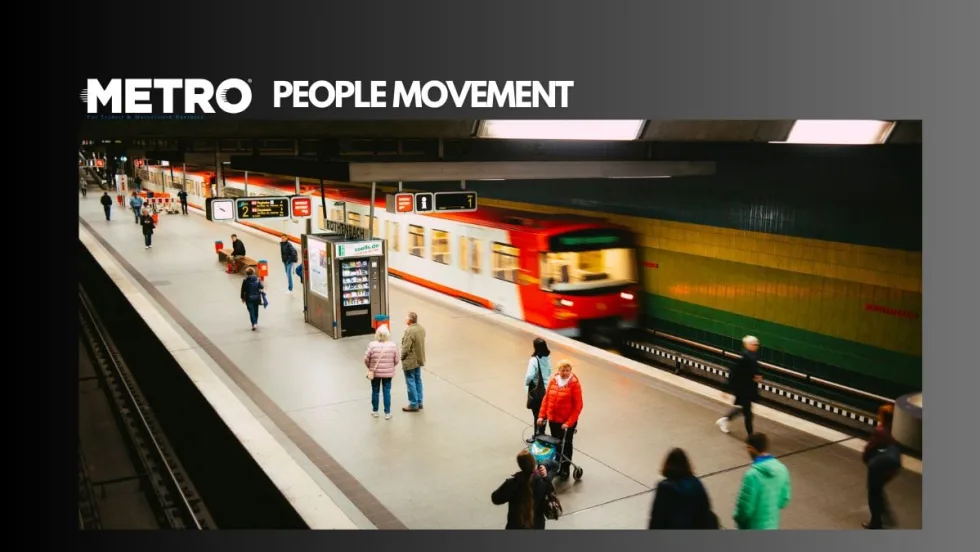
People Movement: Connectpoint Expands Leadership Team, Stadler Names New Group CEO, and More
In this edition, we also spotlight recent personnel moves at Burns, UZURV, and more, highlighting the people taking on new roles across the transportation industry.
Read More →
More Than a Summer Job: Building the Next Generation of Transit Talent
The Delaware River Port Authority and PATCO have transformed their internship program into a hands-on professional development experience that introduces students to the breadth of transportation careers — and creates a pipeline for future employees.
Read More →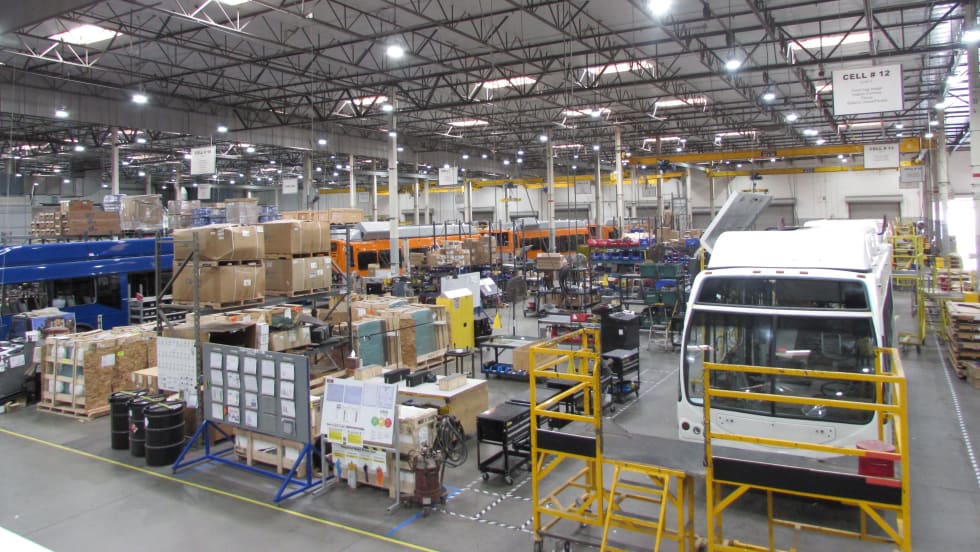
LA Metro Board Awards 220 Battery-Electric Bus Contract to ENC
The contract, which is the largest base award of battery-electric buses by a U.S. transit agency, will be built in Southern California, sustaining good jobs as LA prepares to welcome the world in 2028
Read More →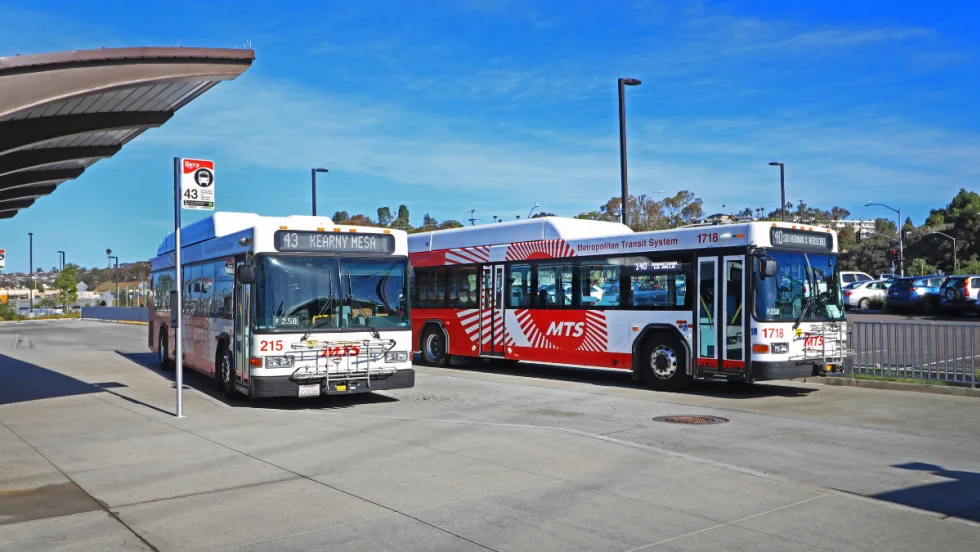
What’s Behind San Diego MTS’s Award-Winning Transit Strategy
Named one of APTA’s 2026 Outstanding Public Transportation Systems with 50 million or more annual passenger trips, California’s San Diego Metropolitan Transit System points to gains in ridership, safety, technology, and reliability as foundations of its success.
Read More →
Public Transit Conference Returning to GFX in 2027, Call for Papers Now Open
The Call for Papers is now open, allowing transit agency professionals and industry experts to help shape the PTC educational program by submitting session ideas for consideration.
Read More →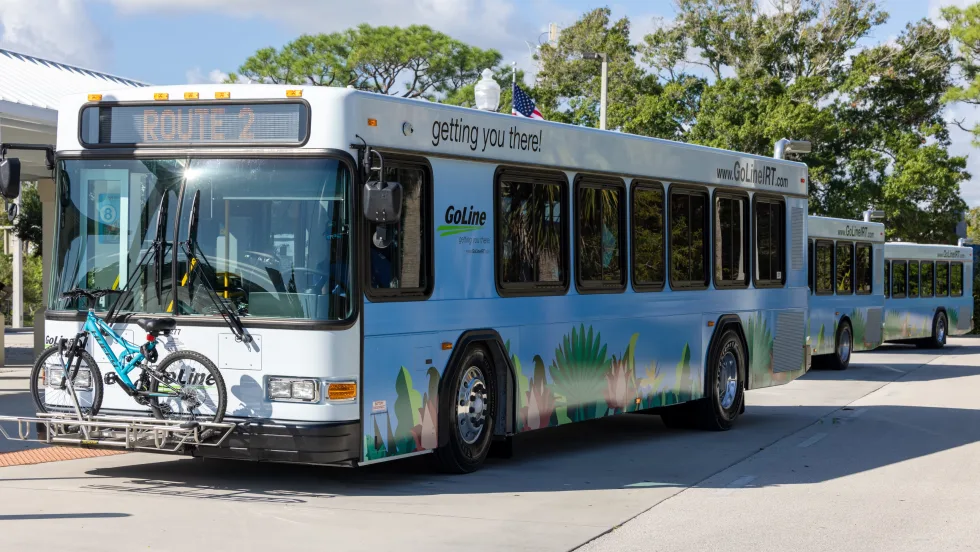
Indian River Transit’s Community-Focused Approach Earns National Recognition
Named APTA’s 2026 Outstanding Public Transportation System in its size category, Florida’s Indian River County transit system continues to grow ridership through fare-free service and a focus on evolving community needs.
Read More →
ENC Lands MATA Contract and More in Biz Briefs
In this edition of Biz Briefs, we spotlight the latest developments shaping the future of mobility.
Read More →