



Transdev’s Hendricks Talks Management, Future of Mobility
As CEO, Hendricks is responsible for all the company’s activities and operations in the U.S., which includes contracts for bus, paratransit, and rail in more than 200 cities and communities.

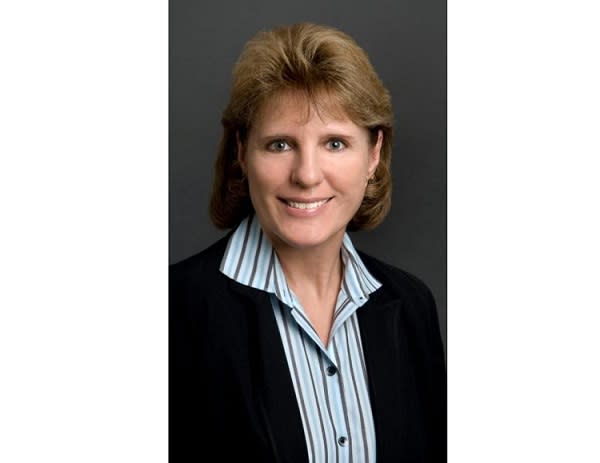
Hendricks
After joining the company in 2019 as president of Transdev Services division, Laura Hendricks was named CEO of Transdev U.S. earlier this year. As CEO, she is now responsible for all the company’s activities and operations in the U.S., which includes contracts for bus, paratransit, and rail in more than 200 cities and communities, encompassing a workforce of close to 16,000 employees. Prior to joining Transdev, Hendricks served as president and/or CEO of several companies, including Coach America; Paint Drop, a division of Valspar; and Merry Maids.
METRO Executive Editor Alex Roman recently spoke to Hendricks about taking over Transdev during a pandemic, how her experience is informing her managerial style with the company, and what the future of mobility could look like down the road.
What has it been like taking over your position at Transdev during the pandemic?
What I will say is that it really did not cause many issues. When I came into Transdev in late December 2019, as president, I already had a big portion of responsibility for our transit division. Getting to work with the expanded team at Transdev was important. COVID actually created an advantage for us, so to speak. It helped us expedite some of the things we were already working on as a team, like some of our technology initiatives. However, COVID did impact the way we did business, though. If I think about my first 60 days when I first joined Transdev as president, I was out in the field almost every day traveling to our locations and visiting our team members and clients. That does make a difference and it is not something we can do now. I always like to hear the voices of the people who are providing our services and the voices of our clients. I can still do that, but now I do it utilizing technology.
How did the company adjust to work from home?
We found that we could be effective working virtually because we had the technology and we even found communication increased between teams. Again, I think the pandemic created an opportunity, in a sense, to increase the frequency and transparency of communication. Because of the pandemic, we really had to stay close, be flexible, and quickly adjust to the changing landscape. That regular communication, and the available technology that enabled us to work virtually, enhanced our ability to stay in touch across the organization, and be more effective.
Can you talk a little bit about how your past experience informs your managerial style at Transdev?
When I think about my experience and what helps me be successful here at Transdev today, it all comes back to people and service. I have always been with organizations where first and foremost, it is about taking care of the people that you are here to serve. I think bringing my experience from across many different industries, helps me focus on those goals — not only during the pandemic, but also after it ends. It is important to treat each team member of the organization, from our operators, to our dispatchers, to our road supervisors, equally. My role as CEO of Transdev U.S. is to serve them, break down barriers, and help them provide the best service possible to the communities and the clients that we serve. There is nothing more important, regardless of the industry. I think the common thread through it all is leadership — based on the culture we build, the trust and transparency we establish, the safety environment we create for our people, and the service we provide. I have always been in the service industry. It may not be transportation experience I bring to the table, but every industry I have been involved in has been all about service. And, when you are in a service industry, it is about, first and foremost, how you treat the individuals delivering that service and the customer’s experience. There is nothing more important than each and every one of us, from our frontline team members to myself as an executive leader, going to work and being proud about our purpose and about who we serve. We have the opportunity to provide mobility solutions to those who depend on us. For me, this is enough excitement to get up every morning to come in and do the best job possible.
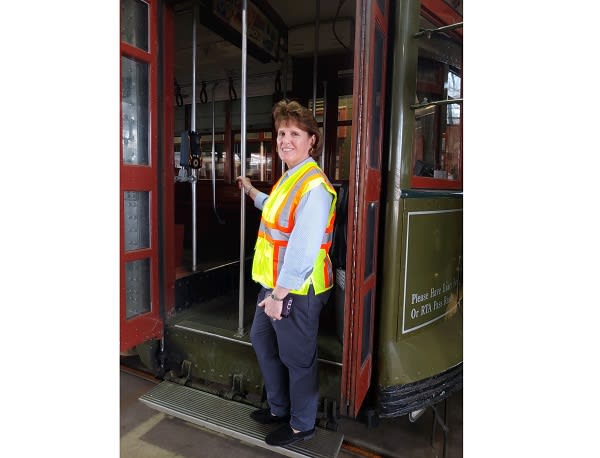
As CEO, Hendricks is responsible for all the company’s activities and operations in the U.S., which includes contracts for bus, paratransit, and rail in more than 200 cities and communities.
Transdev
What are some of the biggest challenges Transdev is facing as a company and how are you addressing them?
If you look at some of the issues that we continue to face, it is definitely the pandemic, and more importantly, continuing to protect the health and safety of our team members, as well as the communities we serve. Therefore, staying abreast of the regulations and the CDC guidelines is continuously our first priority. This will help us make sure that we are doing everything we can to protect the well-being of our passengers, our team members, and the communities we serve. One of the key issues, as we start to open back up and people try to return to some sense of normalcy, whatever that may look like, is that we can’t lose sight of the fact that COVID has not gone away. The need to make sure that everyone still has access to the necessary PPE and that we have built into our culture the new routines and habits that will continue to keep our people safe and our vehicles disinfected. Everything we have done to this point in time during COVID needs to continue to be a part of how we operate into the future, as we look forward to the ‘new norm.’
I think also one of the things that we continue to face is the need for continued funding. Obviously, we were supported by the government through the CARES Act package. But it is important we continue to voice how important transit and transportation is to the entire country, as we continue to provide the essential services to those who need it. Farebox revenue, sales taxes, and other sources of revenue that transit has traditionally relied on is being challenged in today’s operating environment. Because of that, the transit industry really needs the continued support from the government to help us into the future until the economy and everything else is stabilized.
Many Transdev properties have stepped up to help in the communities they serve, can you discuss those efforts?
The total industry overall did many things to adapt to the changing situation and the challenges we faced. At Transdev, we looked at ways to utilize the assets that were available to us to provide essential services to those in need. Based on that, we launched several services, including bringing passengers to get their COVID testing, delivering meals for social service agencies, and deploying our vehicles to pick up and deliver groceries for those who could not go out because of the pandemic. We did that in several of our cities. Again, I think stepping up to help our communities aligns with what attracted me to this position. Quite frankly, it is all about the purpose we serve and that has been demonstrated more today than ever before.
How do you think the pandemic will impact mobility in the future? Do you see tech playing a bigger role?
Yes, I think technology will play a key role in a couple of ways, including finding innovative approaches to create more on-demand services and in regaining the trust and confidence from riders so they will continue to use public transit. Now, I am not only talking about technology that will show a rider whether their bus is on time as scheduled, but also provide individuals the ability to see the capacity of the bus. This helps address the social distancing concerns of some riders — this way they can decide whether to get on that bus or wait until the next scheduled bus — whichever makes them more comfortable. We are using this technology already at several of our properties, and I believe it gives our riders the transparency they need to continue to practice social distancing and to feel comfortable that they are safe. Again, health and safety is a top priority for not only our team members, but also the public we serve.
Technology also helps us be nimbler in our scheduling. If you look at the big picture, many people who used express commuter services in the past have learned and adapted to work remotely from home and will continue to do so even after the pandemic. Since we operate some of those express services, we will have to find ways to adapt and utilize those assets with more flexibility. This will allow us to maximize their return on investment, as well as provide better service to those who need it.
With work from home possibly being something that remains in place after COVID, how do you think it will impact ridership moving ahead?
I think the biggest impact will be on our express commuter services. I believe that while people have learned to work from home, some are still going to want to go back to their offices. It may not be five days a week like we’ve typically known, but I think people eventually will want to return to the office and enjoy the collaboration and interaction with their work colleagues like they had in the past. As time evolves, we may not get ridership back to pre-COVID levels, but I believe we will gradually see an increase. Passengers are seeing the actions we are taking to ensure their safety. As we continue to put service back out, and it is shown to be safe and reliable, people will use it. In fact, we are starting to see this already. That usage will continue to grow and ridership will start to bounce back as we continue to demonstrate dependability, reliability, safety, and focus efforts to gain the trust and confidence of our riders.
More Management

ENC Lands MATA Contract and More in Biz Briefs
In this edition of Biz Briefs, we spotlight the latest developments shaping the future of mobility.
Read More →
From Surviving to Thriving: Building Stronger Transportation Organizations
Bus Business Consultants founder Brian Dickson shares lessons on leadership, organizational health, and creating options for long-term success in a changing transportation industry.
Read More →
Everett Transit, Community Transit Outline Consolidation Agreement
The proposed agreement calls for a 50% increase in bus service in Everett, a new microtransit zone, continued paratransit service, and the transfer of Everett Transit operations to Community Transit.
Read More →

Strada360’s Steve Lassey on Turning Transit Data Into Better Decisions
From breaking down data silos to preparing for AI, Strada360 CEO Steve Lassey discusses how transit agencies can use technology to improve operations, customer information, and long-term decision-making.
Read More →
People Movement: Phil Washington Joins HNTB, Denver RTD Launches CEO Search, and More
In this edition, we also spotlight recent personnel moves at STV, the Eno Center for Transportation, and more, highlighting the people taking on new roles across the transportation industry.
Read More →
SEPTA Details Accelerate Vision for Transit System
The plan outlines investments in trolley modernization, new Metro and Regional Rail vehicles, accessible stations, and more frequent bus and rail service.
Read More →
FTA Ends Direct Oversight of MBTA Safety Actions
The federal agency closed its remaining special directive to the Massachusetts Department of Public Utilities following a safety review that began in 2022.
Read More →
Report: Transit Bus Manufacturing Supports 34,100 Jobs, $5.1B in GDP
The “Buses Mean Business” report examines the transit bus manufacturing industry’s economic footprint, supply chain, and rising demand for vehicle replacements.
Read More →
LIT Marks 10-Year Milestone at Annual Summit
Hosted by the COTA from September 10 to 13, the Summit carried the theme “Celebrating 10 Years of Excellence, Leadership, and Impact,” with every part of the program honoring the people, agencies, and partners who built LIT over its first decade.
Read More →
People Movement: Dan Dipert Coaches Adds Third-Generation Leader, Keolis Names New Valley Metro VP/GM, and More
In this edition, we also cover recent appointments and announcements at the Wabtec, SilverRide, HNTB, and more, showcasing the individuals helping to shape the future of transportation.
Read More →