



Talking Passenger Rail, Workforce Development With LAN’s Schmidt
Timothy Schmidt, VP of Lockwood, Andrews, & Newnam Inc., is one of several top executives METRO spoke with for a consultant roundtable in the July issue.


Timothy Schmidt is VP of Lockwood, Andrews, & Newnam Inc.
As cities, states, and provinces throughout the U.S. and Canada slowly begin to reopen, there is no doubt there will be a new normal not only in the way people commute, but in the way capital projects are planned and executed.
Timothy Schmidt, VP of Lockwood, Andrews, & Newnam Inc., is one of several top executives METRO spoke with for a consultant roundtable in the July issue to discuss what may lie ahead for transit service planning, capital projects, workforce development, and much more.
With the pandemic hitting passenger rail systems quite hard, how quickly do you feel those systems can recover and what will be some of the keys to that recovery?
Transit properties and agencies were certainly hit very hard by the pandemic. Transit ridership sunk to new lows. Many of them had expansions planned that were based on pre-pandemic models. As more people get vaccinated and we get closer to herd immunity, mass transit systems will start to see an increase in ridership.
Another key aspect of the recovery is the economy. Most transit agencies get their funding through sales and gas taxes, and tax collections have gone down. The infrastructure bill that our new administration is working on will be critical in replenishing these tax shortfalls. The recent COVID-19 relief bill and last year’s CARES Act provided some operating expenses relief, but the infrastructure bill will be critical for the expansion and maintenance work that transit agencies have planned.
All indicators are that we are coming back well. Jobs are growing again, and unemployment is going down. These are all key to bringing passengers back. The last piece that is needed is the infrastructure stimulus.
How is your firm continuing to work with clients as we continue to slowly emerge from the pandemic?
During the pandemic, we learned how to communicate and build relationships with our clients through Microsoft Teams calls and conference calls, and we did that successfully. With our clients slowly returning to their workplaces, we are starting to do the same. We are continually working with them to understand and address their needs. Some clients prefer design charettes and face-to-face meetings in their offices. Other clients are ok with collaborating virtually. It all depends on what the clients want.
With workforce development being such a huge aspect of the industry, how do you feel these new work norms, like work from home, will impact a company’s ability to continue the professional growth of its employees?
At our firm, we have always placed a big emphasis on professional development. One of the things that I and many of my colleagues missed over the last 15 months was mentoring young professionals one-on-one. Our own internal survey showed that collaboration was one of the top three challenges employees faced because of remote work.
Keeping this in mind, our firm just launched a new program called COACH. Through this program, employees and their supervisors can engage in regular forward-looking dialogue that focuses on strengths and areas of opportunity to help employees along their professional path. The model allows the employee and his/her supervisor to connect frequently on professional goals and expectations. I believe this leaner, more agile model will be invaluable to our employees, whether they are working from home or in the office.
On a personal level, what are the top 3 things that helped you get through the pandemic? Pick up any new hobbies?
From my perspective, the projects that I was working on were considered essential. So, I never really stopped working and that is probably one of the things that helped me get through the pandemic.
Two, I was able to stay in touch with my team and colleagues as well as communicate and build relationships with our clients through Microsoft Teams and conference calls. So, that helped as well.
As far as hobbies are concerned, I have always enjoyed cooking. I love to barbecue and smoke meats. I have a large smoker that I use quite extensively. During the pandemic, I also branched out and tried eastern European dishes and Indian cuisines.
More Management
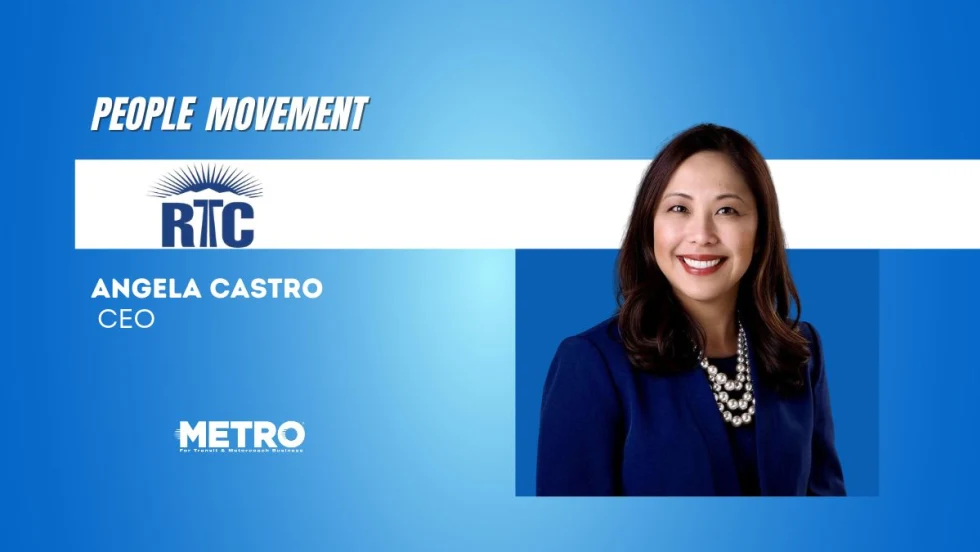
Castro to Lead RTC of Southern Nevada and More in People Movement
In this edition, we also cover recent appointments and announcements at the STV, MCI, and more, showcasing the individuals helping to shape the future of transportation.
Read More →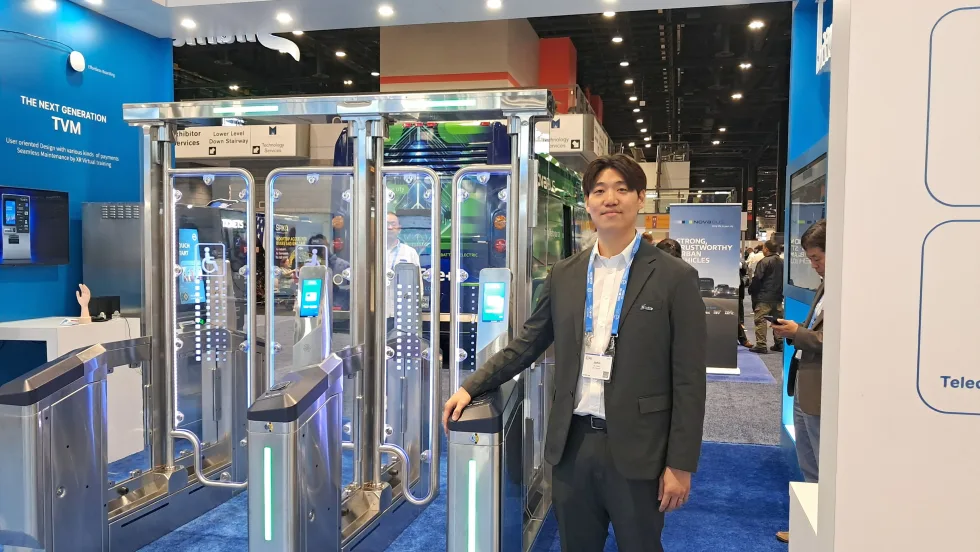
STraffic Expands North American Presence with Fare Collection Technology
John Moon, Associate Director, Product Strategy at STraffic, discusses the company's growth in North America, its efforts to reduce fare evasion, and more.
Read More →
Study: Denver RTD Generates $2.1 Billion in Annual Economic Activity
An economic impact study finds the agency supports approximately 17,500 jobs, delivers $1.6 billion in annual community and mobility benefits, and generates $2.42 in economic value for every dollar invested.
Read More →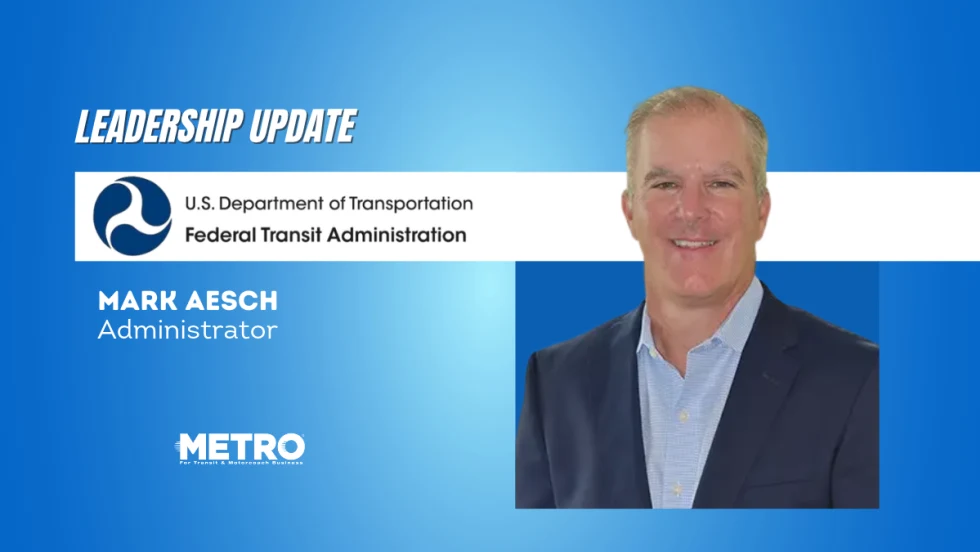
Mark Aesch Nominated to Lead Federal Transit Administration
The former Rochester transit chief and TransPro founder, who has also contributed to METRO Magazine, brings decades of industry experience and a focus on performance, accountability, and financial sustainability to the nomination.
Read More →
Best and Worst U.S. Cities for Public Transportation in 2026
A new analysis of 50 major U.S. urban areas ranks public transit systems based on accessibility, affordability, usefulness, and safety, highlighting where transit performs best and where challenges remain.
Read More →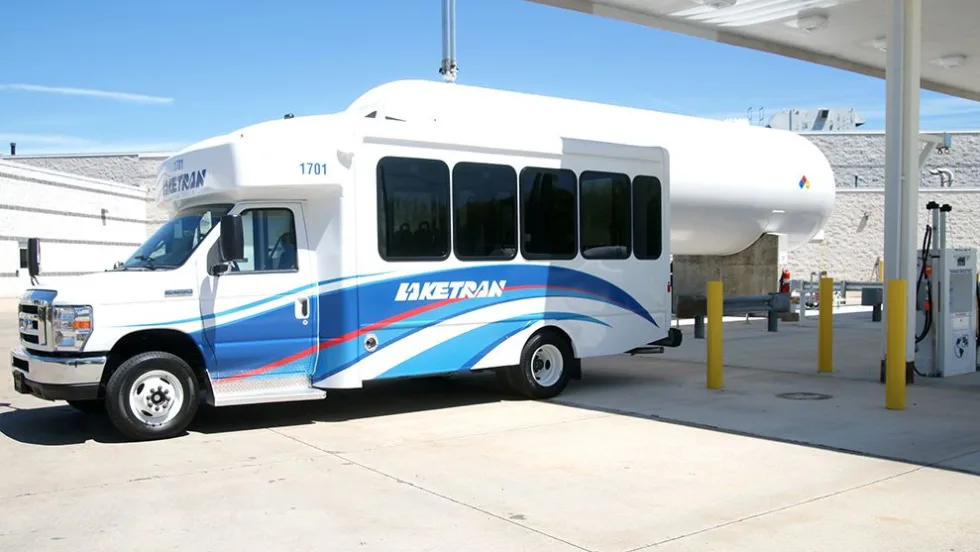
Laketran Cuts Fuel Costs, Boosts Efficiency with Propane-Powered Fleet
The Ohio transit agency is using propane-powered vehicles and on-site fueling infrastructure to cut fuel and maintenance costs while meeting growing demand for paratransit services.
Read More →
Canada’s Public Transit Supports $65.6 Billion in Annual GDP
New research from the Canadian Chamber of Commerce examines transit's economic contributions, including job creation and the financial implications of transportation investment.
Read More →
Pierce Transit Moves to Expand Fleet Following Proposition 1 Approval
The agency authorized the purchase or refurbishment of up to 60 buses to support a 47% service expansion, as voters nationwide approved billions in new transit funding.
Read More →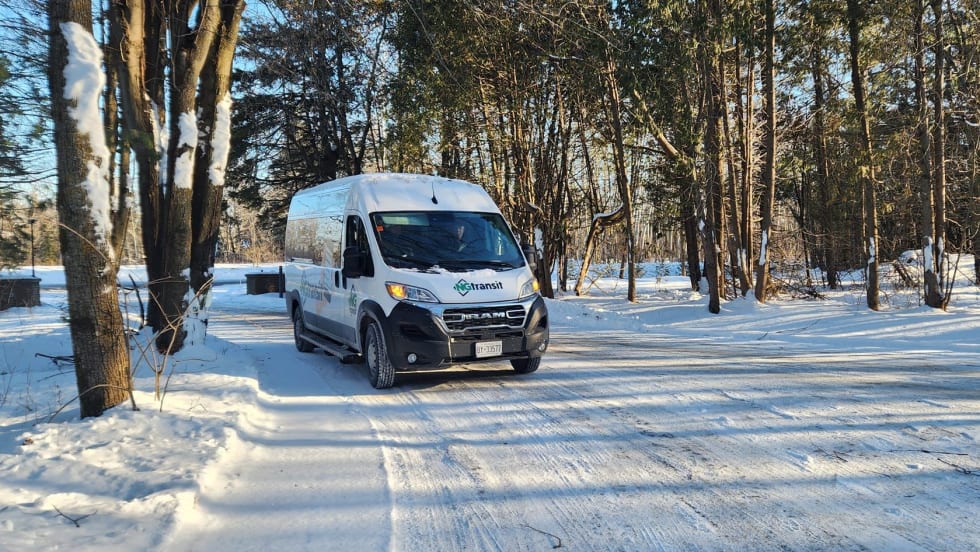
Right-Sizing Rural Transit: Lessons from North Grenville’s On-Demand Model
A small municipality shows how flexible service, rider needs, and public accountability can expand mobility with limited resources.
Read More →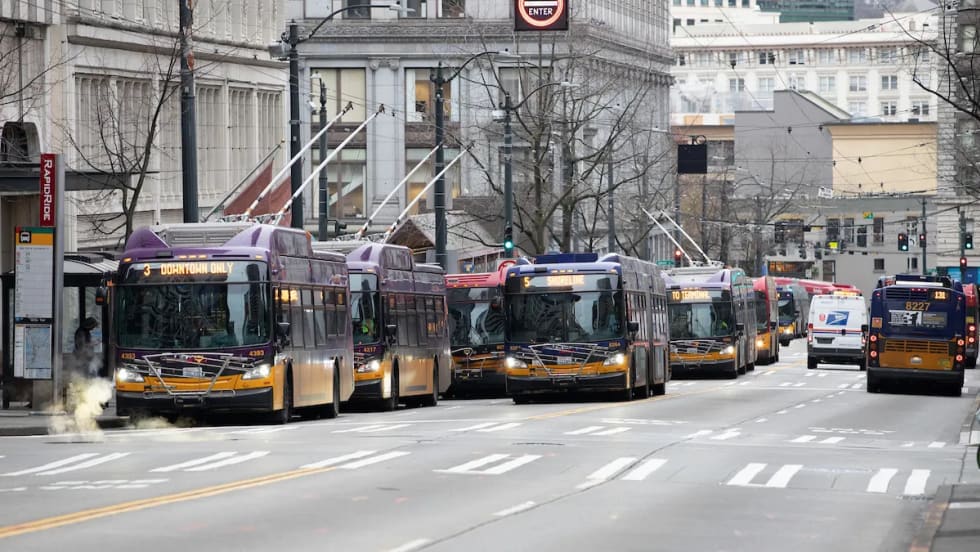
Transit Ballot Victories Signal Strong Voter Support: What Comes Next?
Voters approved billions in public transportation investments in 2026, giving agencies opportunities to preserve service, expand operations, and strengthen regional connections amid a changing political landscape.
Read More →