



3 Essential Action Steps to Establish Certainty
Much is being said and written about the uncertainty in Washington, DC. What we know to be certain is that yesteryear’s argument of “give us more money and we will make it better” will unlikely carry the day.


Today, more than ever, performance results will matter. Personalities at the podium are nice, but the actual delivery of measurable outcomes is what really matters.
Photo: METRO
- The climate in Washington, DC is characterized by significant uncertainty.
- Past approaches demanding increased funding with promises of improvement are no longer deemed effective.
- Establishing certainty requires new strategies beyond merely allocating more financial resources.
*Summarized by AI
Much is being said and written about the uncertainty in Washington, DC. What we know to be certain is that yesteryear’s argument of “give us more money, and we will make it better” will unlikely carry the day.
This new landscape also makes the case for performance-driven leadership rather than personalities that seem to land in a fancy-titled role for no other reason than “they’re so nice.” This is how we wind up with the same people at the podium event after event, while the actual performance leaders are sitting in the audience.
High-performance executives are those who can precisely explain — supported with data — why their organization has achieved success. And not the success that happened to them, but the success they purposefully designed and delivered.
Steps to Success
Here are three essential action steps to high-performance leadership:
1. Declare The Results: Put a stake in the ground and measurably declare the outcomes your organization will produce in the coming year. For example, Customer satisfaction will improve by 8%; we will become 5% less reliant on taxpayer subsidies; and our laundry list of efforts, actions, and programs unrelated to measurable outcomes will be reduced.
2. Deliver the Results: Organize your team’s time, treasure, and talent to produce the declared outcomes. Improving Community Value by 8.5% doesn't happen by happenstance. The performance-driven executive needs to understand what the community prioritizes and then deliver on the priority. Team alignment requires prioritizing, saying no, and extreme focus to produce the outcomes that have been declared. High-performance alignment does not have time for a litany of programs, distractions, and budgets that fund and protect the status quo.
3. Disseminate the Results: The performance-driven executive insists upon objective evaluation of their performance and will tie their compensation to it. For example, if customer satisfaction meets its objectively defined goal, the executive is financially compensated. Even better, so are their subordinates.

High-performance executives are those who can precisely explain — supported with data — why their organization has achieved success.
Photo: METRO
Today, more than ever, performance results will matter. Personalities at the podium are nice, but the actual delivery of measurable outcomes is what really matters. More plow horses and fewer show horses.
Outstanding customer satisfaction, improved efficiencies, communities that prioritize value, reduced tax burden — this is what performance-driven leaders deliver.
Communities across the country will be best served by public sector executives who have set measurable outcomes, delivered on them, and take ownership by being evaluated on the
Quick Answers
The article discusses the uncertainty in Washington, DC and the ineffectiveness of the traditional approach of increasing funding as a solution.
*Summarized by AI
More Blog Posts
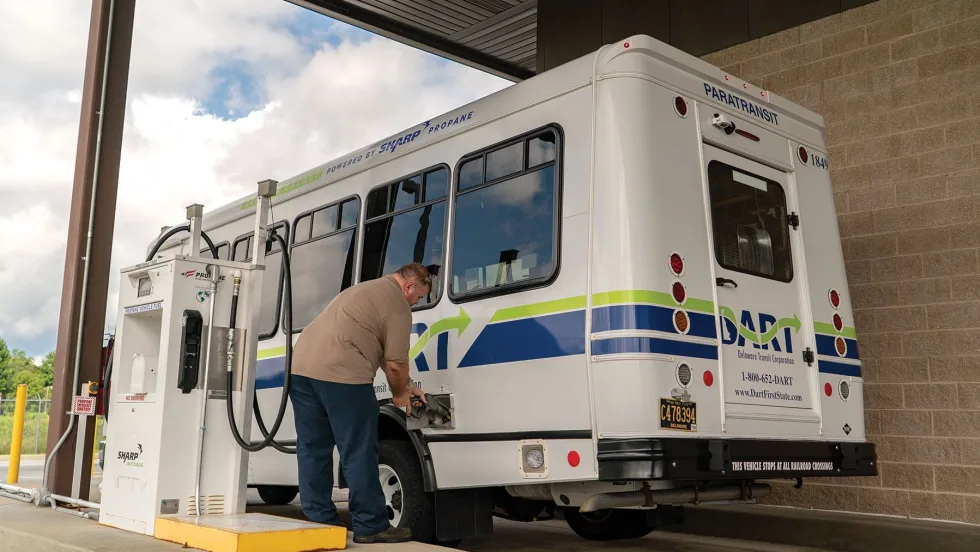
Building a Winning FTA Grant Proposal: Why Propane Autogas is the Pragmatic Choice for Fleet Resilience
With $610 million available through the FY 2026 Buses and Bus Facilities Competitive Program and the Low or No Emission Grant Program, agencies must build a compelling case before the September 21 deadline that balances environmental compliance with operational feasibility.
Read More →
Velo-city Conference 2026: Latest Trends in Cycling as Part of Urban Mobility
The global cycling conference highlighted how cities are integrating bicycles into multimodal transportation networks, expanding cycle tourism and reshaping urban mobility.
Read More →
Kindness Isn’t Soft...It’s Strategic.
Mike Bismeyer — often known as “The Kindness Guy” — has spent more than 17 years in public transit and mobility, serving in industry leadership roles, speaking across North America, and advocating for stronger workplace cultures. But his message doesn’t come from theory. It comes from lived experience.
Read More →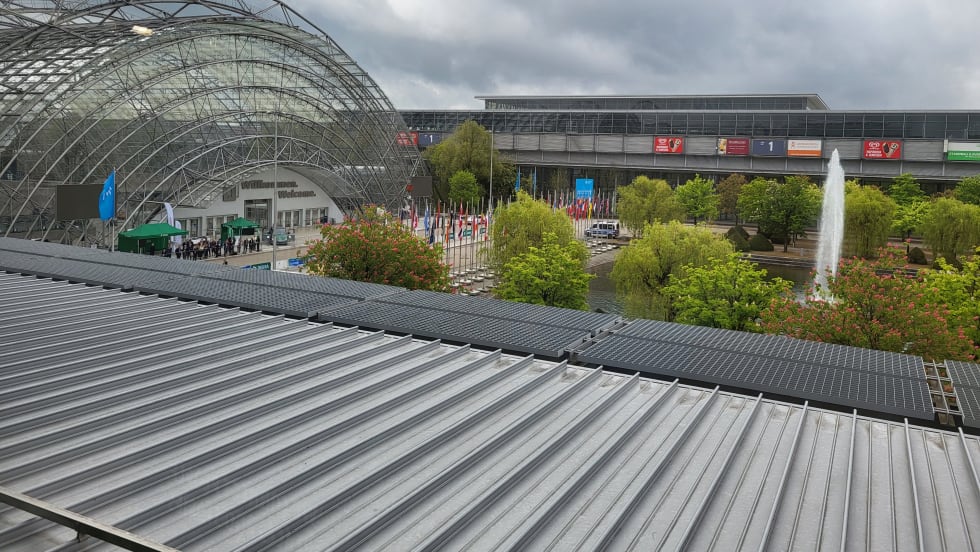
Inside ITF 2026: Transport Reacts to A Challenging World
Transport leaders from around the world gathered in Leipzig, Germany, for the 2026 International Transport Forum to discuss resilience, climate impacts, supply chains and the future of sustainable mobility.
Read More →
Every Ride Tells a Story — But You’re Not Just Selling the Ride
You’re selling the moment, the meaning, and the emotion behind it.
Read More →
How Digital Signage is Reshaping the Traveler Experience at Transportation Hubs
What was once a landscape of static signs has evolved into a responsive, immersive environment powered by real-time visual communication.
Read More →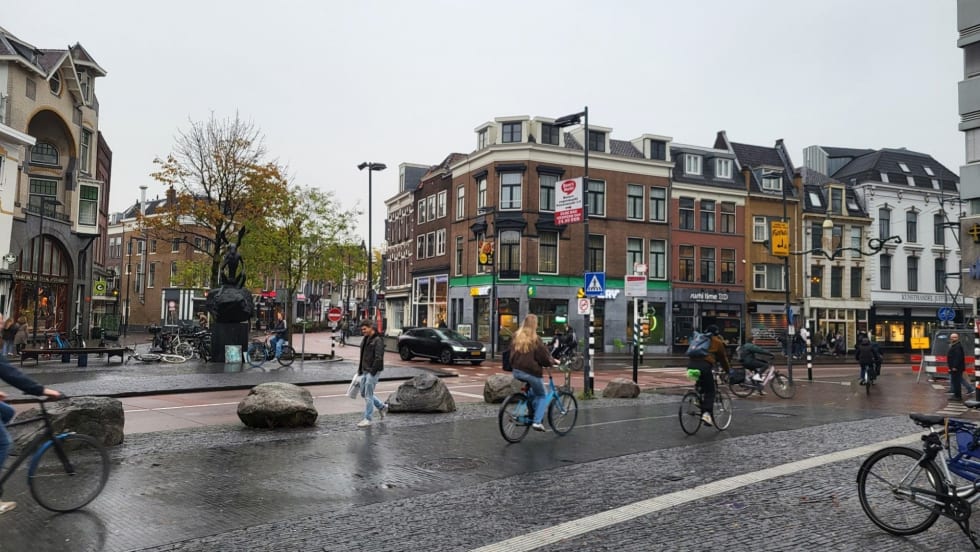
Latest Trends in Urban Mobility from Polis Conference 2025
Polis comprises cities and regions, as well as corporate partners, from across Europe, promoting the development and implementation of sustainable mobility. This year’s event had over a thousand attendees across various policy forums and an exhibition.
Read More →
Why Transit Leaders Require Better Tools for Operational Clarity In Today’s Tech-Fragmented Environment
Across North America and beyond, transit agency officials are contending with a perfect storm of operational headaches and strategic challenges that hamper daily service and long-term progress.
Read More →
The Powerless Brokers: Why California Can’t Build Transit
It is no secret that transit in the U.S. is slow and expensive to build.
Read More →
Why Transport Sustainability Should Focus on People Instead of Cars
Simply incentivizing electrification is not enough to make a meaningful impact; we must shift our focus toward prioritizing public transportation and infrastructure.
Read More →