



6 Ways High-Speed Rail Will Benefit Texas, Transportation Industry
Ask commuters who drive between Houston and Dallas almost every day and see what they have to say. They are known as “super commuters” – the nearly 50, 000 people traveling back and forth between the two cities at least once a week. That number will increase as the growth in Texas continues to climb. Super commuters and other drivers want another solution to Texas’ traffic-clogged highways. Enter the Texas Central high-speed rail project...

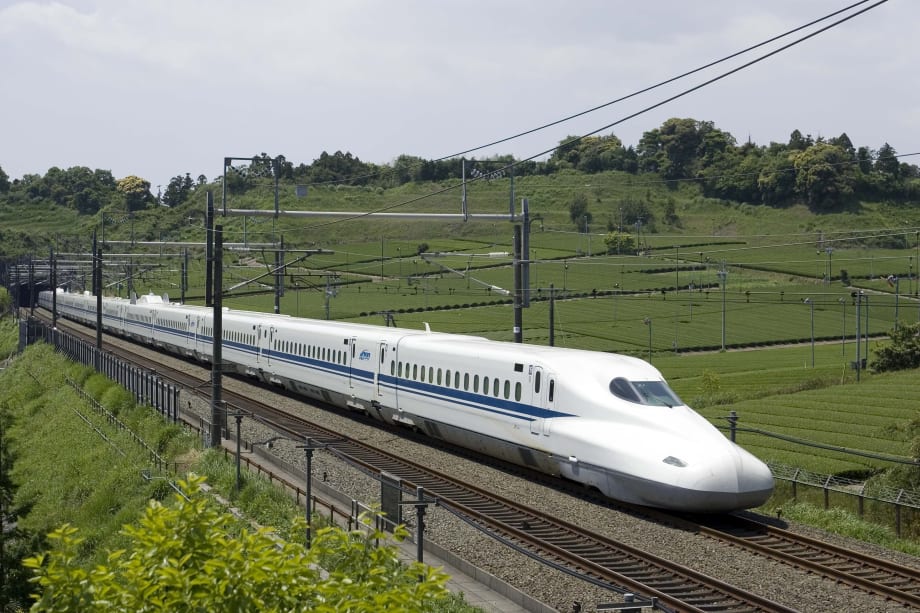
Texas Central will deploy Central Japan Railway Company’s (JRC) “N700-I Bullet” high-speed rail system (pictured) based on their “Shinkansen” system that has been refined over more than 50 years of operation.
Photo: J R Central
Texas Central will deploy Central Japan Railway Company’s (JRC) “N700-I Bullet” high-speed rail system (pictured) based on their “Shinkansen” system that has been refined over more than 50 years of operation.
Photo: J R Central
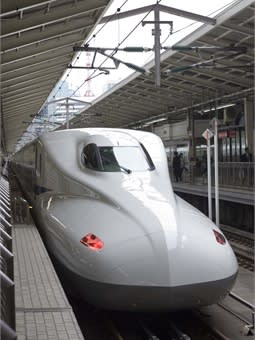
Photo: J R Central
Ask commuters who drive between Houston and Dallas almost every day and see what they have to say. They are known as “super commuters” – the nearly 50, 000 people traveling back and forth between the two cities at least once a week. That number will increase as the growth in Texas continues to climb.
Super commuters and other drivers want another solution to Texas’ traffic-clogged highways. Enter the Texas Central high-speed rail project – a state of the art high-speed passenger rail system that will move people between Texas’ two largest economic powerhouses – North Texas and Houston. The benefits are significant, marked by these highlights:

Photo: J R Central
Transportation Solution/Private Venture: The Texas Central project is an innovative and transformational solution providing a safe, clean and convenient alternative. It’s a private venture that will not take federal construction grants or public subsidies for operations. This project is a model for how privately built infrastructure can provide significant and long-lasting benefits.
Reduces Congestion: Travelers will leave traffic and airport congestion behind and can avoid highway construction. A Texas Department of Transportation study estimates the sometimes four-hour commute could take up to 6.5 hours by 2035. A 2010 study of intercity travel estimated that the average travel speeds of approximately 60 mph along the Interstate 45 corridor would drop almost 35 percent to 40 mph – making for a 6.5-hour drive between North Texas and Houston. This increase in travel time includes all planned improvements and increased highway capacity.
The Texas Central high-speed rail will give riders the chance to decide: “Do I want to sit in traffic or would I rather travel comfortably and arrive in 90 minutes.”
A vice president for the planning, engineering and program management firm Lockwood, Andrews & Newnam, Inc., Philip Meaders, agrees. “The project, once completed, will also provide a safe and time-efficient option for commuters to travel between Dallas and Houston, two cities that have added more people than any other area in the country in recent years, according to the U.S. Census Bureau.”
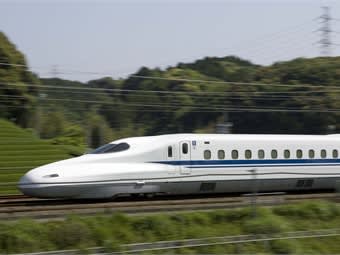
Photo: J R Central
Economic Engine
The high-speed rail project will boost the economy and add revenue to the state, local and county coffers. The construction and operation of the Texas Central high-speed rail is expected to generate more than $36 billion over the next 25 years - roughly the economic equivalent of 180 Super Bowls. This is an unprecedented multi-billion-dollar private investment in the future. That’s not all.
Meaders believes companies involved in the construction phase will also benefit greatly.
“The project will also benefit other transportation industries in the state such as the freight and trucking industries through increased movement of materials and goods to supply the construction needs,” he said.
Also, an estimated $2.5 billion in taxes will be paid to schools, cities and counties along the more than 240-miles of track. Take this into consideration: the project’s estimated school taxes alone could provide enough funds to pay the annual salaries for 13,000 teachers, buy 8,500 school buses, or buy more than 600,000 new iMacs for classrooms.
While the benefits to schools would be felt statewide, all counties along the route would receive significant, long-¬term benefits during and after construction of the landmark project. More than $1 billon will be invested in Grimes County, home of the project's Brazos Valley stop, resulting in more than $50 million in additional tax revenues to the County over the next 25 years. This is a first of its kind project where privately-developed infrastructure will be funding other public infrastructure.
Create Jobs
The construction and operation of the Texas high-speed rail will create an estimated 40,000 jobs during the four years of construction. Once high-tech transportation industry is created, it will employ about 1,000 people with an estimated annual payroll of $80 million.
New Development
The development of the three high-speed rail stations along the route will spur economic development around the stations. That includes retail stores, restaurants and shops in the passenger stations to cater to the needs of the traveling public.
Environmentally Sound
High-speed rail’s comparatively light environmental impact is one of the plan’s greatest benefits. The technology used is the JRC’s Series N700 rolling stock with an eight-car train that will hold 400 passengers. The N700-I Bullet total system is the international version of the Tokaido Shinkansen total system currently in operation between Tokyo and Osaka, Japan.
This international version will feature the core system – passenger train, overhead catenary, tracks, signaling – along with all of the corresponding maintenance and operations procedures that have made Tokaido Shinkansen operations so safe, efficient and successful for over 50 years. This system emits 1/12th the carbon dioxide than a Boeing B777-200 per seat. The trains are also exceptionally quiet and unobtrusive to its neighbors.
“The bullet train that will be deployed on the track is environmentally friendly - the electrified trains will have little impact on air and water quality along its route,” Meaders said. “With significantly lower emissions per passenger mile, it will preserve clean air. Water quality is also expected to improve with fewer cars leading to fewer contaminants running-off from highways into nearby water bodies.”
The time is now
High-speed rail is an exciting option for Texas travelers clamoring for another solution that is safe, reliable and affordable. The Texas Central high-speed railway system will boost the economy, create jobs, spur new development and protect the environment. The time for high-speed rail is now.
Holly Reed is the managing director, external affairs for Texas Central.
More Blog Posts
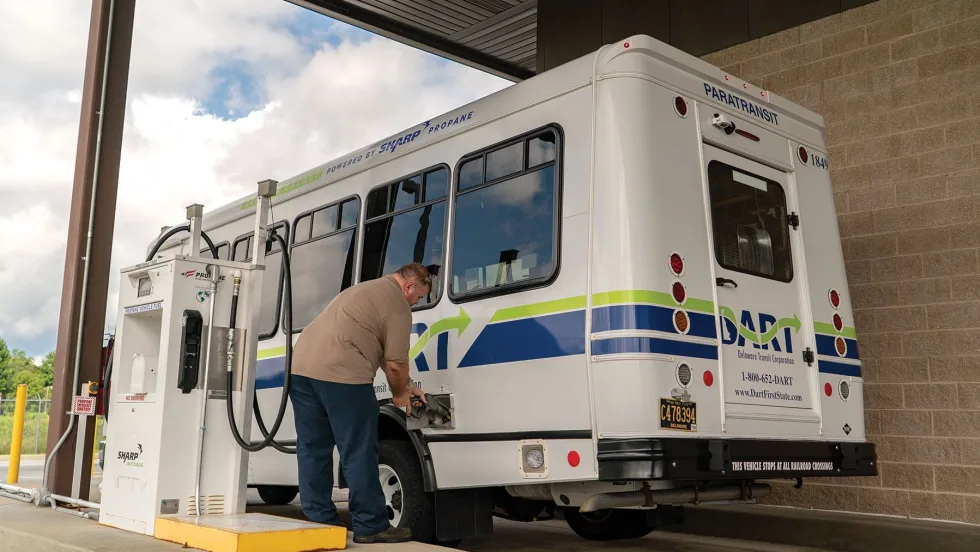
Building a Winning FTA Grant Proposal: Why Propane Autogas is the Pragmatic Choice for Fleet Resilience
With $610 million available through the FY 2026 Buses and Bus Facilities Competitive Program and the Low or No Emission Grant Program, agencies must build a compelling case before the September 21 deadline that balances environmental compliance with operational feasibility.
Read More →
Velo-city Conference 2026: Latest Trends in Cycling as Part of Urban Mobility
The global cycling conference highlighted how cities are integrating bicycles into multimodal transportation networks, expanding cycle tourism and reshaping urban mobility.
Read More →
Kindness Isn’t Soft...It’s Strategic.
Mike Bismeyer — often known as “The Kindness Guy” — has spent more than 17 years in public transit and mobility, serving in industry leadership roles, speaking across North America, and advocating for stronger workplace cultures. But his message doesn’t come from theory. It comes from lived experience.
Read More →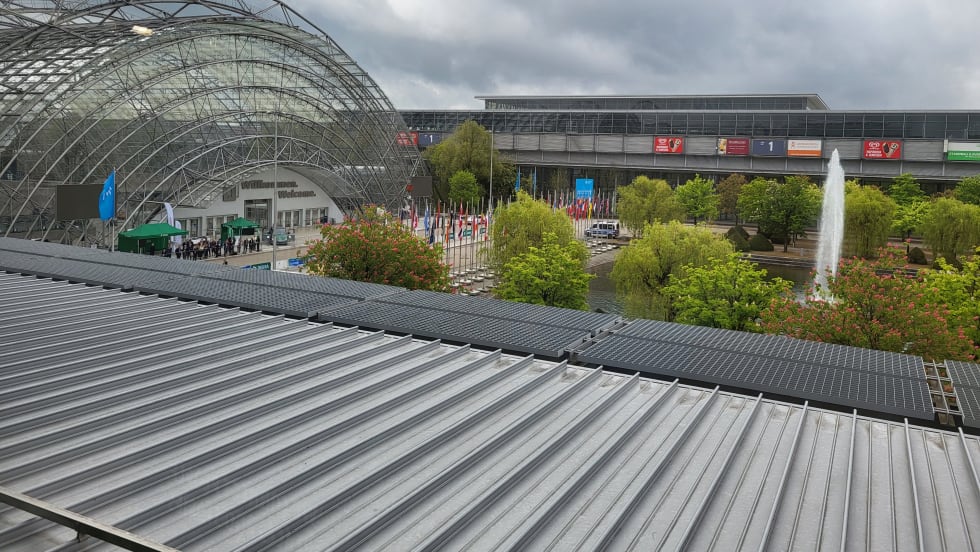
Inside ITF 2026: Transport Reacts to A Challenging World
Transport leaders from around the world gathered in Leipzig, Germany, for the 2026 International Transport Forum to discuss resilience, climate impacts, supply chains and the future of sustainable mobility.
Read More →
Every Ride Tells a Story — But You’re Not Just Selling the Ride
You’re selling the moment, the meaning, and the emotion behind it.
Read More →
How Digital Signage is Reshaping the Traveler Experience at Transportation Hubs
What was once a landscape of static signs has evolved into a responsive, immersive environment powered by real-time visual communication.
Read More →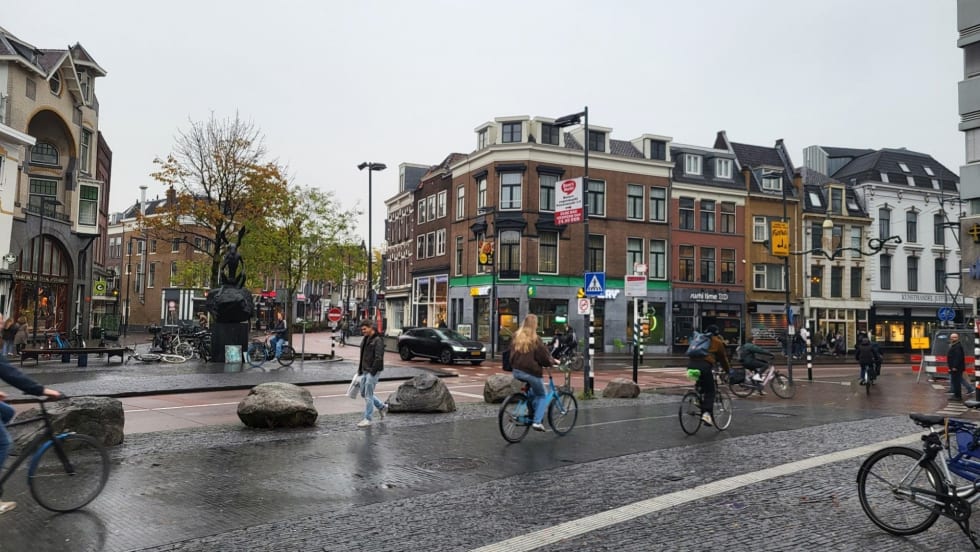
Latest Trends in Urban Mobility from Polis Conference 2025
Polis comprises cities and regions, as well as corporate partners, from across Europe, promoting the development and implementation of sustainable mobility. This year’s event had over a thousand attendees across various policy forums and an exhibition.
Read More →
Why Transit Leaders Require Better Tools for Operational Clarity In Today’s Tech-Fragmented Environment
Across North America and beyond, transit agency officials are contending with a perfect storm of operational headaches and strategic challenges that hamper daily service and long-term progress.
Read More →
The Powerless Brokers: Why California Can’t Build Transit
It is no secret that transit in the U.S. is slow and expensive to build.
Read More →
Why Transport Sustainability Should Focus on People Instead of Cars
Simply incentivizing electrification is not enough to make a meaningful impact; we must shift our focus toward prioritizing public transportation and infrastructure.
Read More →