




“Nothing breeds success like success” – Gary Player
7 Tips for Making, Saving Money for Your Transit Agency
If there’s one thing I’ve learned in thirty years about getting increased funding from your board, it’s that winners get investment. People want to invest in winners because they have already shown a propensity to get results with what they have.
October 31, 2017

6 min to read
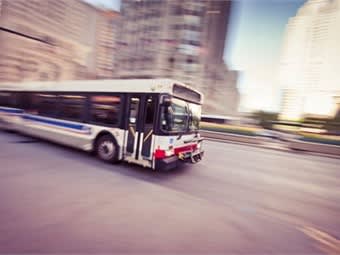
Right-sizing bus routes is one of the ways agencies can cut costs. Photos courtesy Paul Comfort
I’ve spent my whole career in transportation and government, and one thing I know is that we never have enough money to do all we want. So, I’ve gathered ideas that have worked for me to gain money for my agencies and also some approaches that have been perfected by others. I also look at ways to save money knowing that as Benjamin Franklin said, “A penny saved is a penny earned”.
MAKING MONEY
If there’s one thing I’ve learned in thirty years about getting increased funding from your board, it’s that winners get investment. People want to invest in winners because they have already shown a propensity to get results with what they have.
When I arrived as CEO at the MTA in Baltimore, the Governor had just made a decision to cancel the proposed light rail project for downtown Baltimore called the Red Line. When I evaluated our six operating modes of bus, light rail, metro subway, commuter bus, commuter train (MARC) and paratransit (Mobility), it became clear that the bus service had the most passengers but the worst service.
After quick fixes in mobility and replacing 30,000 linear feet of track in our light rail and metro divisions, we developed a plan to improve bus service based on previously gathered data and over 200 public meetings with plenty of input from our bus drivers and pitched it to the Governor and legislature. Based on our plan and successes that we trumpeted, we were able to secure $135,000,000 in new investment and over 100 new positions for our agency from the Democratic-controlled legislature and the Republican Governor to fulfil the promise of improved and connected bus service.
Gleaning lessons from this and other similar experiences I can tell you that the number one way to increase your funding is to:
1. Build Momentum
- Identify your pain points – address them.
- Establish a service improvement plan and execute.
- Publicize your success and build momentum with small wins.
- Tell your own story – use social and traditional media.
- Remember, people only invest in winners.
While many city transit agencies charge their school system for providing public transit to schools, some CEO’s have taken it to the next level. Bill Carpenter, CEO of the Rochester-Genesee Regional Transit Service in upstate New York now has over 70 contracts with businesses and educational institutions that have extended his transit service to their operations, while charging them the fully allocated cost of doing so. When a nursing home asked him to extend a bus route to their facility at certain times of the day, he did so but only at those times and with them paying the full cost of extending that public route. You can evaluate doing this for your agency to by adding:
2. Service Contracts
- Charge for new routes/stops/service – per trip or fully allocated for extra service necessary.
- Businesses want an extra stop added to end-of-route or a new route – figure total allocated cost – fuel, driver, vehicle, depreciation etc… and charge that amount by hour or by mile.
Most transit agencies have tapped their local market for traditional ads on their buses and bus shelters but now new technology is opening the market for more revenue options. Your current ad agency should be able to discuss options for:
3. New Digital Ads
- Beyond standard bus and shelter ads look for new digital revenue. Get your ad agency to sell ads on ticket vending machines screens, put small TV screens on buses and sell geo-coded ads as they pass stores and restaurants or on your agency’s smart phone app.
- Ask your ad agency to purchase new hardware and keep all ad revenue to pay for it. (i.e. – new downtown digital screens at major stops with real-time arrival info and ads.)
SAVING MONEY
Too often the answer that “we’ve always done it this way” ends up costing you dearly. One way cities across America are now improving service and saving money is by:
4. Right-Sizing Bus Routes
- Analyze ridership by stop and route. Establish benchmarks. Reduce those that don’t meet standards. (e.g. Baltimore eliminated any stops with under 10 passengers per day or within 400 feet of another stop.)
- For businesses (i.e. Fed Ex or Amazon) – ramp up or ramp down service based on shift times. Don’t need to go to end of line every time. Put it in your schedule and keep it open to the public.
5. Improve Procurement Procedures
- Evaluate requirements that can slow a procurement down or vastly increase the cost of the procurement thus leaving less money available for other improvements to services. These include:
high-performance bonds or letters of credit
one-sided legal terms such as uncapped liability or strict order of precedence and
high liquidated damages
One way to evaluate these options is to hold an Industry Day before you issue an RFP. Ask industry reps to give you best practices and identify areas of risk aversion on your part that may end up causing them to raise their prices too much. Make a business decision on how much risk you can absorb while keeping an eye on the bottom line.
A good example of this is how the transit contracting officers got smart in the 1990s about how to handle fuel cost. When I first got into the transit business development arena in the mid- 1990s many transit agencies asked contractors to include fuel prices in their overall per hour charge. Of course no one knew what gas was going to cost 3-5 years out so companies included buffer in their bids which increased the cost to the transit agency, sometimes unnecessarily. Then in the early twenty first century, agencies started providing fuel themselves for the contractors (often gleaning the additional benefits of state gas tax exemptions) or asking contractors to provide fuel cost as a “pass through” to the agency. This eliminated unnecessary risk for the contractors thus keeping the overall cost for the agencies lower. Applying this same principle of reducing risk to the contractors in other areas of procurement can have the same result.
The total per-passenger cost to provide ADA paratransit service is now topping $45 per trip, well over 10 times the cost to provide an individual fixed-route bus trip. On average, paratransit makes up about 1-2% of system total ridership, but at least 8-9% of operating cost, according to a TCRB report.
These increases are unsustainable for most transit agencies so they are going to need to:
6. Better Manage Paratransit Cost
- Purchase sedans instead of all wheelchair lift-equipped vans (cheaper, quicker to purchase, less fuel, easier to maintain, customers like them).
- Use a trip broker approach – taxi, sedan service (i.e. Lyft).
- Lowering or eliminating the fare for ADA-certified passengers to use fixed-route bus/rail service (a much lower-cost option).
- Increasing travel training for regular ADA users so they can adopt fixed-route transit usage for their primary mode of mobility.
Finally, most transit agencies outsource some of their regular service such as paratransit or fixed-route bus in order to save money and utilize the expertise of private sector companies who specialize in this area. However, there are many other options to reduce cost to your agency by:
7. Outsourcing
- Paratransit service
- Revenue handling
- ADA certification
- Travel training
- P3 approach toward major capital expansions (i.e. Purple Line)
These seven steps and the practical application points afterwards can assist you in making your transit operation more efficient and thus able to provide more service to the tens of thousands of passengers who rely on your system daily for mobility.
Paul Comfort is VP, business development with Trapeze Group.
© Copyright by Paul Comfort, 2017
Subscribe to Our Newsletter
More Blog Posts
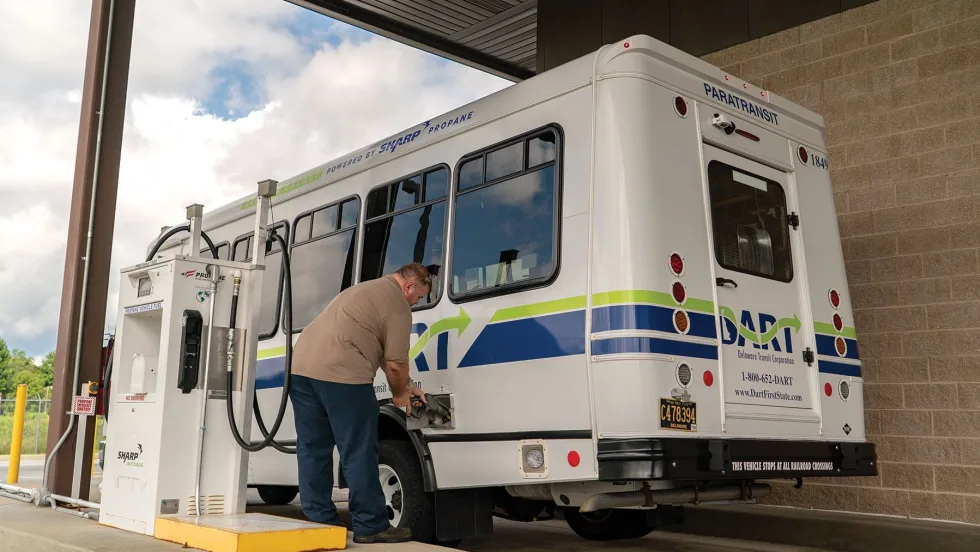
Building a Winning FTA Grant Proposal: Why Propane Autogas is the Pragmatic Choice for Fleet Resilience
With $610 million available through the FY 2026 Buses and Bus Facilities Competitive Program and the Low or No Emission Grant Program, agencies must build a compelling case before the September 21 deadline that balances environmental compliance with operational feasibility.
Read More →
Velo-city Conference 2026: Latest Trends in Cycling as Part of Urban Mobility
The global cycling conference highlighted how cities are integrating bicycles into multimodal transportation networks, expanding cycle tourism and reshaping urban mobility.
Read More →
Kindness Isn’t Soft...It’s Strategic.
Mike Bismeyer — often known as “The Kindness Guy” — has spent more than 17 years in public transit and mobility, serving in industry leadership roles, speaking across North America, and advocating for stronger workplace cultures. But his message doesn’t come from theory. It comes from lived experience.
Read More →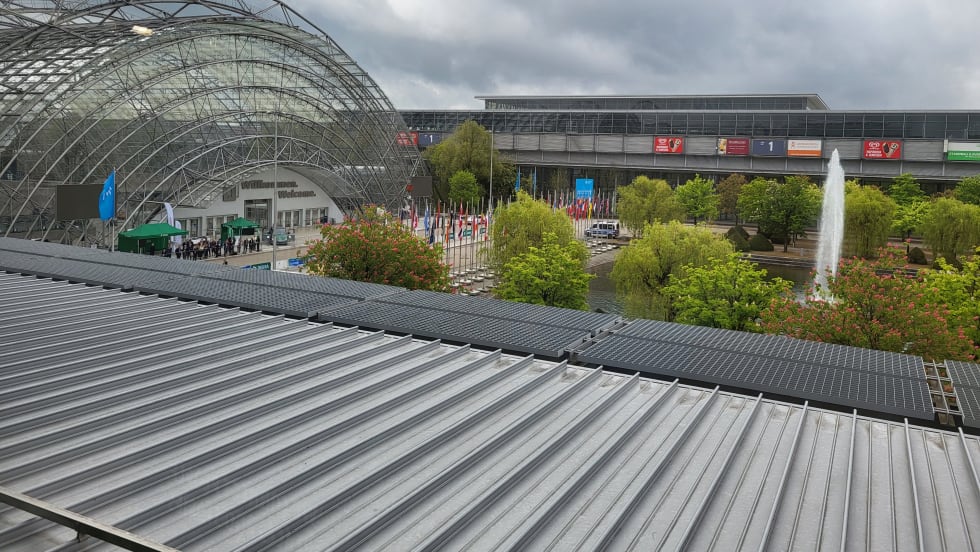
Inside ITF 2026: Transport Reacts to A Challenging World
Transport leaders from around the world gathered in Leipzig, Germany, for the 2026 International Transport Forum to discuss resilience, climate impacts, supply chains and the future of sustainable mobility.
Read More →
Every Ride Tells a Story — But You’re Not Just Selling the Ride
You’re selling the moment, the meaning, and the emotion behind it.
Read More →
How Digital Signage is Reshaping the Traveler Experience at Transportation Hubs
What was once a landscape of static signs has evolved into a responsive, immersive environment powered by real-time visual communication.
Read More →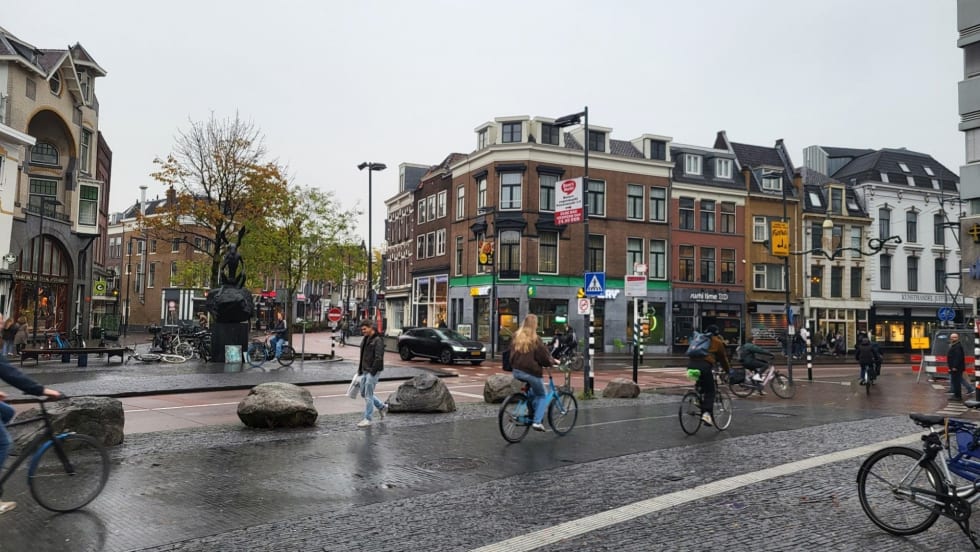
Latest Trends in Urban Mobility from Polis Conference 2025
Polis comprises cities and regions, as well as corporate partners, from across Europe, promoting the development and implementation of sustainable mobility. This year’s event had over a thousand attendees across various policy forums and an exhibition.
Read More →
Why Transit Leaders Require Better Tools for Operational Clarity In Today’s Tech-Fragmented Environment
Across North America and beyond, transit agency officials are contending with a perfect storm of operational headaches and strategic challenges that hamper daily service and long-term progress.
Read More →
The Powerless Brokers: Why California Can’t Build Transit
It is no secret that transit in the U.S. is slow and expensive to build.
Read More →
Why Transport Sustainability Should Focus on People Instead of Cars
Simply incentivizing electrification is not enough to make a meaningful impact; we must shift our focus toward prioritizing public transportation and infrastructure.
Read More →