



Velo-city Conference 2026: Latest Trends in Cycling as Part of Urban Mobility
The global cycling conference highlighted how cities are integrating bicycles into multimodal transportation networks, expanding cycle tourism and reshaping urban mobility.

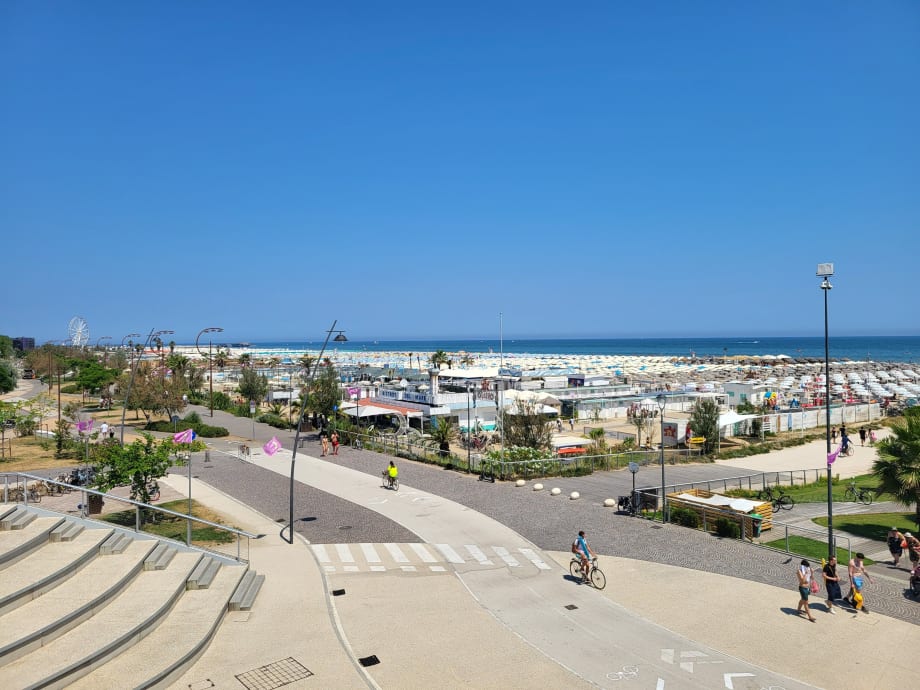
Rimini is famous within Italy as a beach resort on the Adriatic Sea and a conference venue.
Giles Bailey
- The conference focused on how cities are incorporating bicycles into multimodal transport systems.
- Expansion of cycle tourism was a significant theme, emphasizing its role in urban mobility.
- Discussions included the transformative impact of cycling on reshaping urban transportation.
*Summarized by AI
Velo-city — an annual conference for the cycling industry focused on developing sustainable communities — was held in Rimini, Italy, in June. The Brussels-based European Cyclists’ Federation (ECF) owns the event.
The conference has been held since 1980. While initially a European event and formally still owned by the ECF, Velo-city has been held on other continents and addresses global cycling issues.
This year’s event was attended by over 1,400 attendees from more than 60 countries. A range of corporate sponsors also supported the event, including Stava–Metro, Lyft Urban Solutions, and the FIAB (Federazione Italiana Ambiente e Bicicletta.
The Velo-city conference attracts active cycling advocates from commercial, policy, and research perspectives. However, it is not a “bike show.” It aims to position cycling as part of the solution for developing robust and sustainable cities and rural areas, and as a means of growing local economies.
Velo-city Returns to Italy
This year’s host was the City of Rimini, Italy, assisted by the Italian region of Emilia-Romagna. The conference was last held in Milan, Italy, in 1991.
Rimini is famous within Italy as a beach resort on the Adriatic Sea and a conference venue. The city of 150,000 welcomes more than 1.5 million visitors a year.
Meanwhile, Emilia-Romagna, a region of 4.4 million, is one of the most prosperous regions in Italy and Europe, with Bologna as its capital, and has extensive engineering industries, including the high-performance car industry centered on Modena, as well as extensive high-value food production.
As part of the continuing development of the economy of Emilia-Romagna, cycle tourism is being developed as an emerging sector that can take advantage of the extensive historical assets, small villages, beach access, coastal plains, and adjacent hills that ultimately lead to the Apennine Mountains across central Italy.
Rimini’s Transport Picture
Throughout the day, the narrow streets of Rimini are extremely busy and congested. This causes issues for the bus public transport network, other road users (cars and trucks), pedestrians, and now cyclists.
Giles Bailey
Rimini’s transport situation is unique. It is a small, ancient city with huge visitor numbers, who are primarily, though not exclusively, arriving for a relaxing beach holiday.
The city is also a major regional conference and exhibition venue. Thus, the historic city center is near miles of beachfront hotels for leisure activities. Development is very intense along the beachfront, but the city has encouraged low-rise, smaller-scale hotels, which perhaps spread the development along the coast even further.
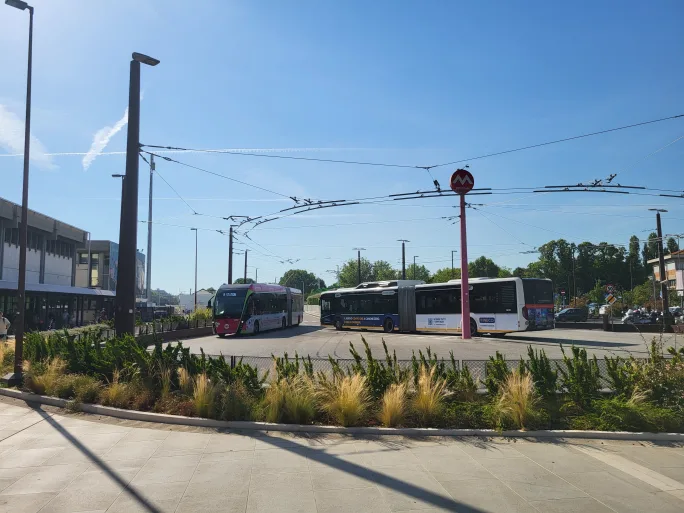
The historical city is naturally composed of narrow, winding roads, typically two lanes wide, that run around historical sites from the Roman and medieval eras. The main railway station, located in the city center, provides excellent connections to Bologna and Milan, as well as along the Adriatic coast. Adjacent to the railway station is the main local bus/trolleybus interchange.
Throughout the day, the narrow streets of Rimini are extremely busy and congested. This causes issues for the bus public transport network, other road users (cars and trucks), pedestrians, and now cyclists.
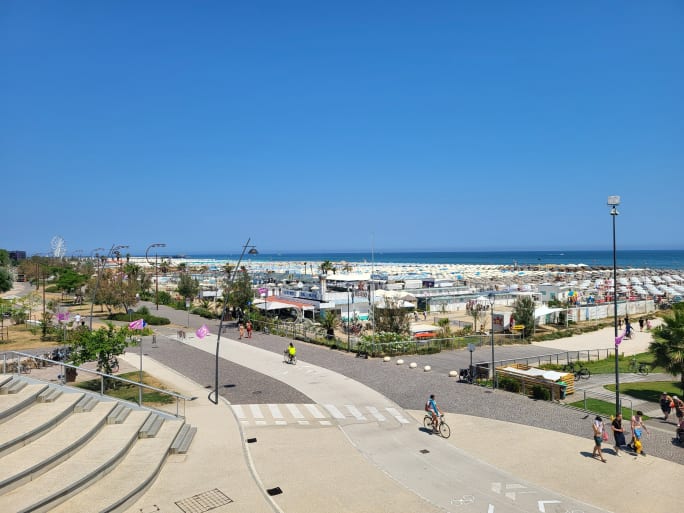
The city has taken the view over the last 15 years that the strategy to deal with much of this congestion is the bicycle. This strategy also repositions Rimini’s tourism product and that of the wider region in a modern, contemporary setting amongst the offer of European resorts.
Bicycles — both personally owned and shared — are pervasive as a mode of transportation in the city center. This is somewhat unique for an Italian city. Bicycles are also widely used to access the beachfront from other parts of the city, as well as for leisure cycling along the coast.
The city has completely transformed the beachfront area over the last decade from a barren, sterile expanse of parking lots and sand into a multi-purpose parkland of beach cabanas, bike lanes, restaurants, sports facilities, and pedestrian zones that locals and visitors use extensively.
The promotion of the bicycle along the coast is no doubt contributing to more cycling activity in other parts of the city and region. Research indicated that two-thirds of the tourists in the city who use bikes stay longer and spend more locally.
The city also has a higher-capacity trolleybus system to meet demand along the coast, with two parallel routes — one along the main coastal road, which is being reconstructed, and another a few hundred yards inland, near the main railway line corridor.
Cycling: A Growing, Viable Option
Cycling is a large, growing, and ambitious business. Numerous issues were discussed in conference sessions attended by the author, at plenaries, and in private conversations.
Creating a narrative in cities that inspires citizens through the development of public spaces that include cycling is key. This has been seen in many cities around the world to create a more “liveable” city — particularly in city centers. However, “politics” does exist around the expansion of cycling facilities and use in many locations, and cities are having to manage complex and often persistent resistance to reimagining urban space.
Strong local political leadership for sustainable mobility solutions, including cycling, walking, and classic public transport, was repeatedly cited as key to reimagining a successful city for its residents. One quote from a plenary was “the streets need to be safe enough to make a choice…[to the car].”
In Italy, Rome is making significant progress in bringing cycling to the historic center, developing a culture of cycling, and improving the classic public transport offer.
An increasing number of European cities are removing shared e-scooters from their streets while maintaining space for shared bikes. This includes recent announcements from Brussels and Barcelona.
Velo-tourism is seen as an increasingly lucrative opportunity for cities and regions to grow the economies of visitors and residents by providing quality infrastructure, policies, and supporting services. This also promotes a more sustainable and dispersed version of tourism that can partially address some of the issues being seen in “over-tourism” hotspots across Europe.
Four European countries currently account for 80% of velo-tourism, an industry valued at approximately $52.3 billion. Emilia-Romagna sees this opportunity, but other emerging examples being discussed ranged from northern Italy (Veneto) and Poland’s Baltic Sea coast to Turkiye.
Certainly in a European context, but also in other markets around the world, trains, classic public transport, and cycling continue to work together to build multimodal mobility systems for residents as well as for velo-tourism. This often remains a challenge to implement effectively. Multimodal integration is progressing in many markets, but for many current and potential travelers, it remains a point of confusion, exasperation, and frustration.
Cities are rolling out shared bikes on a regional basis to assess the role of such services in suburban and even rural areas, such as in Munich, Germany, and Trondheim, Norway. In these cases, public subsidies are being used to fill a gap in the perceived mobility offer and to create a more sustainable transport situation for these non-city-center residents.
Moving East for 2027
The city has taken the view over the last 15 years that the strategy to deal with much of this congestion is the bicycle.
Giles Bailey
The Velo-city Conference will return in Matsuyama, Ehime Prefecture, Japan, in late May 2027.
This will be the first time the event has been held in East Asia since 2016, when it was held in Taiwan, ROC, and will further broaden the cycling debate and incorporate extensive lessons from Japan.
The author continued his habit of, where feasible, traveling to European conference events by train from London, UK, and in this case, breaking what would have been a very long day journey with an overnight stay in Paris outbound and Milan on return.
The 1,000-mile journey involved up to five trains, most of which were high-speed services, but with ample time to recompose at most interchanges and a very scenic trip across the Swiss Alps.
Quick Answers
Cities are integrating bicycles by developing dedicated cycling lanes, providing bike-sharing services, and ensuring connectivity with public transit options like buses and trains.
*Summarized by AI
More Blog Posts
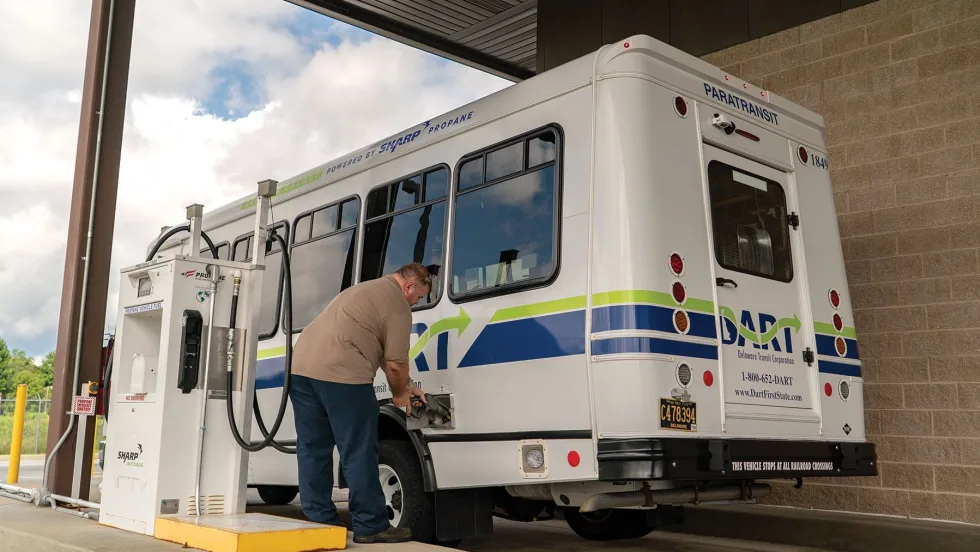
Building a Winning FTA Grant Proposal: Why Propane Autogas is the Pragmatic Choice for Fleet Resilience
With $610 million available through the FY 2026 Buses and Bus Facilities Competitive Program and the Low or No Emission Grant Program, agencies must build a compelling case before the September 21 deadline that balances environmental compliance with operational feasibility.
Read More →
Kindness Isn’t Soft...It’s Strategic.
Mike Bismeyer — often known as “The Kindness Guy” — has spent more than 17 years in public transit and mobility, serving in industry leadership roles, speaking across North America, and advocating for stronger workplace cultures. But his message doesn’t come from theory. It comes from lived experience.
Read More →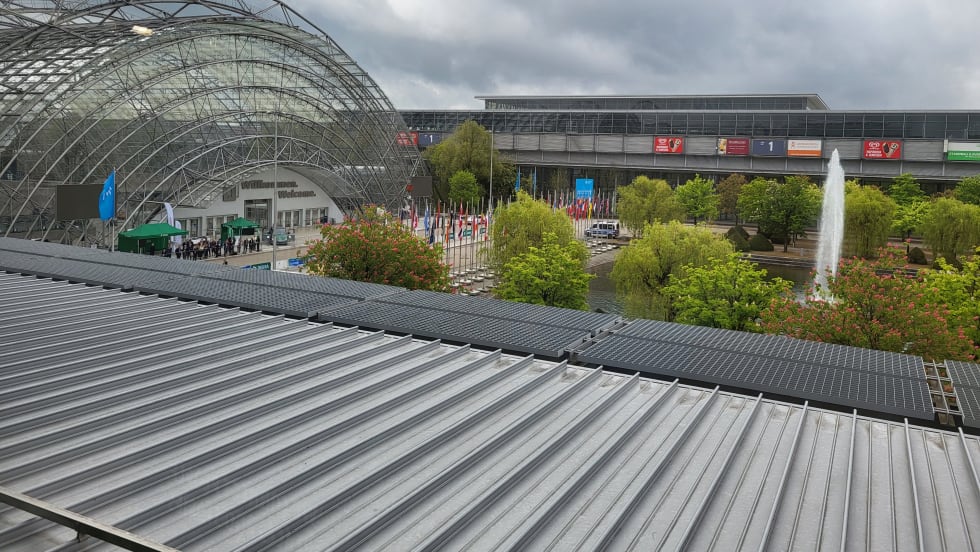
Inside ITF 2026: Transport Reacts to A Challenging World
Transport leaders from around the world gathered in Leipzig, Germany, for the 2026 International Transport Forum to discuss resilience, climate impacts, supply chains and the future of sustainable mobility.
Read More →
Every Ride Tells a Story — But You’re Not Just Selling the Ride
You’re selling the moment, the meaning, and the emotion behind it.
Read More →
How Digital Signage is Reshaping the Traveler Experience at Transportation Hubs
What was once a landscape of static signs has evolved into a responsive, immersive environment powered by real-time visual communication.
Read More →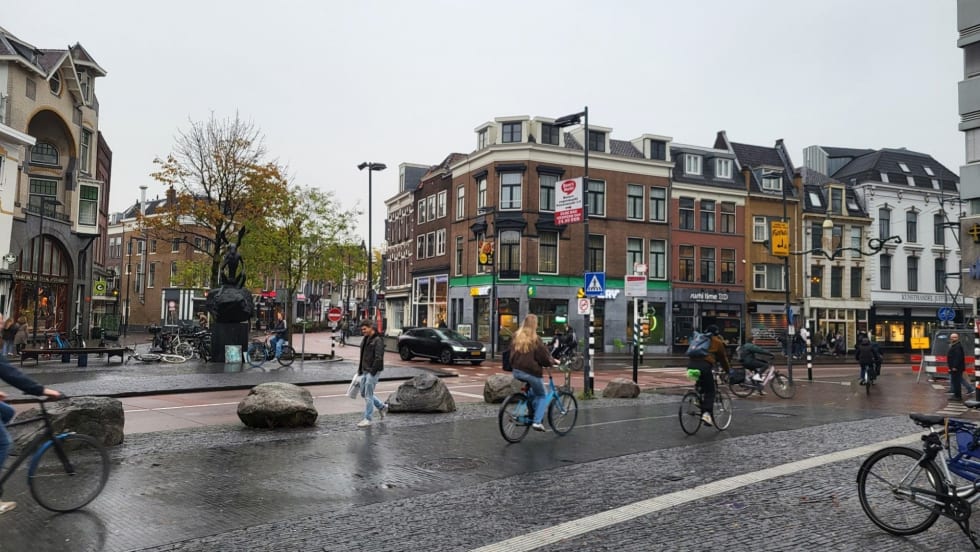
Latest Trends in Urban Mobility from Polis Conference 2025
Polis comprises cities and regions, as well as corporate partners, from across Europe, promoting the development and implementation of sustainable mobility. This year’s event had over a thousand attendees across various policy forums and an exhibition.
Read More →
Why Transit Leaders Require Better Tools for Operational Clarity In Today’s Tech-Fragmented Environment
Across North America and beyond, transit agency officials are contending with a perfect storm of operational headaches and strategic challenges that hamper daily service and long-term progress.
Read More →
The Powerless Brokers: Why California Can’t Build Transit
It is no secret that transit in the U.S. is slow and expensive to build.
Read More →
Why Transport Sustainability Should Focus on People Instead of Cars
Simply incentivizing electrification is not enough to make a meaningful impact; we must shift our focus toward prioritizing public transportation and infrastructure.
Read More →
Transit ROI & System Efficiencies Will Drive 'Big, Beautiful' Transit Funding
For many years, the narrative surrounding public transit improvements has been heavily weighted toward environmental gains and carbon reduction. While these are undeniably crucial long-term benefits, the immediate focus of this new funding environment is firmly on demonstrable system efficiencies and a clear return on investment.
Read More →