



Kindness Isn’t Soft...It’s Strategic.
Mike Bismeyer — often known as “The Kindness Guy” — has spent more than 17 years in public transit and mobility, serving in industry leadership roles, speaking across North America, and advocating for stronger workplace cultures. But his message doesn’t come from theory. It comes from lived experience.
In a wide-ranging discussion, Mike Bismeyer explains why leadership extends far beyond job titles and organizational charts.
METRO
- Leadership is often associated with tangible metrics, but human elements like kindness are vital to strong organizations, according to Mike Bismeyer.
- Bismeyer, known as "The Kindness Guy," emphasizes that kindness is a strategic leadership tool rather than a soft skill, drawing from his extensive career in public transit and mobility.
- A personal encounter with kindness during his childhood shaped Bismeyer’s understanding of leadership and the role of kindness in influencing workplace cultures.
*Summarized by AI
Leadership conversations often default to structure, systems, and performance metrics — those matter. But as my recent conversation with Mike Bismeyer makes clear, the real foundation of strong organizations is far more human.
Bismeyer — often known as “The Kindness Guy” — has spent more than 17 years in public transit and mobility, serving in industry leadership roles, speaking across North America, and advocating for stronger workplace cultures. But his message doesn’t come from theory. It comes from lived experience.
And at the center of that message is a simple but powerful idea:
Kindness isn’t soft. It’s strategic.
The Personal Story Behind the Leadership Message
Bismeyer’s’s belief in kindness as a leadership principle didn’t originate in a boardroom. It began in childhood.
After experiencing bullying at a young age, one unexpected act of kindness shifted his outlook entirely. That moment didn’t just change his perspective; it reshaped how he sees leadership, influence, and responsibility.
That early experience became a lifelong lens: the way we treat people matters. Not only morally, but organizationally.
It’s easy to dismiss kindness as a personality trait. Bismeyer challenges that assumption. In his view, kindness is a decision. And decisions compound into culture.
From Managing Down to Empowering Up
One of the central themes in our conversation was how leadership has evolved.
The traditional model — command-and-control, manage down, enforce compliance — is fading. Today’s workforce expects something different. They expect to be heard. They expect development. They expect purpose.
Empowering up, as Bismeyer describes it, means:
- Sharing information rather than guarding it.
- Coaching rather than directing.
- Building trust rather than demanding obedience.
- Creating visibility instead of reinforcing silos.
Organizations that fail to make this shift often struggle with engagement, retention, and succession planning. Not because their strategy is flawed — but because their culture is brittle.
Mentorship Is Not Optional
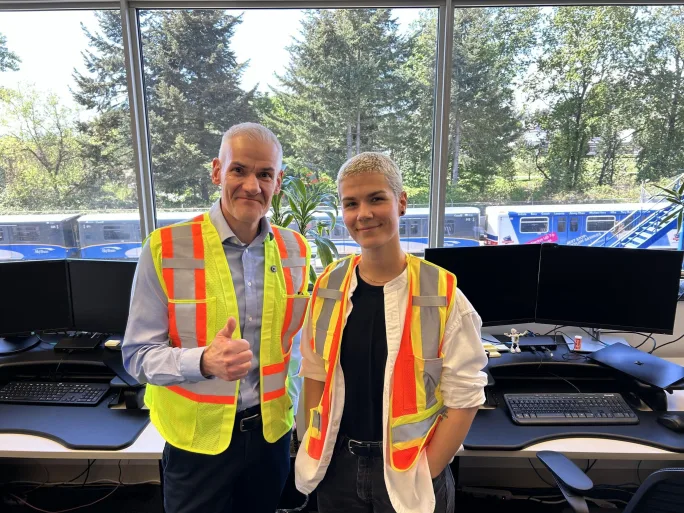
According to Mike Bismeyer, leadership begins with how we treat people—and small daily decisions shape lasting organizational culture.
Brian Dickson/Mike Bismeyer
Succession planning often gets reduced to “Who replaces whom?” But as Bismeyer emphasized, real succession is built long before transitions occur.
It’s built through mentorship.
It’s built when leaders actively develop others.
It’s built when knowledge flows freely rather than being hoarded as leverage.
Organizations suffer when individuals become “guardians of information.” When expertise is protected instead of shared, growth stalls. Trust erodes. And continuity becomes fragile.
A mentorship culture, by contrast, strengthens resilience. It prepares future leaders without panic. It distributes capability across the organization.
That isn’t sentimental. It’s operationally sound.
Cross-Department Empathy Reduces Friction
Another recurring theme in our discussion was internal understanding.
Most workplace friction doesn’t come from bad intent — it comes from lack of visibility. Teams don’t understand what other teams are carrying. Departments operate without context.
Bismeyer advocates something deceptively simple: exposure.
Job shadowing. Cross-functional conversations. Learning what your colleagues actually do.
When people see the pressure, complexity, and responsibility others face, empathy increases. And when empathy increases, collaboration improves.
It’s difficult to blame someone once you understand their constraints.
Recognition: The Quiet Culture Builder
Recognition rarely shows up in strategic plans, yet its absence is immediately felt.
Bismeyer shared how some organizations gradually shift from celebrating wins to communicating only when something goes wrong. That transition — from appreciation to correction — slowly erodes morale.
A thank-you.
A note of acknowledgment.
A moment of public appreciation.
These aren’t grand gestures. But they are powerful signals.
They communicate value.
They reinforce behavior.
They build loyalty.
And over time, they define culture.
The 3 Ps: People, Passion, Purpose
At the heart of Bismeyer’s leadership philosophy is a simple framework:
People. Passion. Purpose.
- People come first. Always.
- Passion fuels performance.
- Purpose sustains momentum.
When leaders understand what drives their team members — not just professionally, but personally — they can align work with meaning. And meaning increases engagement.
This is especially critical in service-based industries like transportation, where the daily work can become routine. Leaders who connect roles to purpose create staying power.
Culture Is Built in Small Decisions
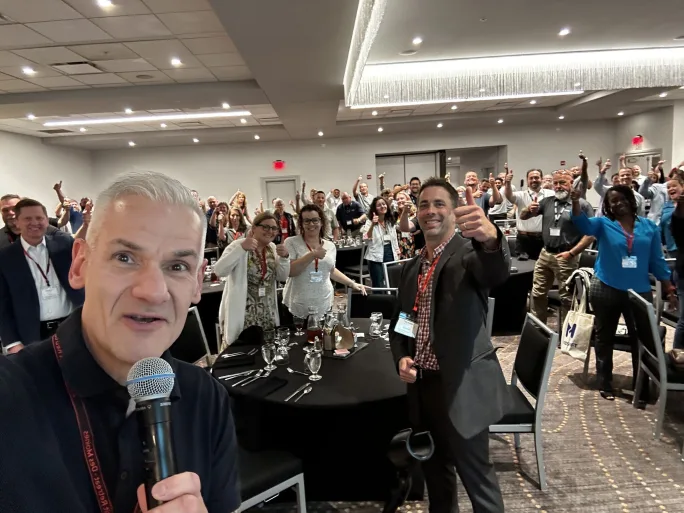
Mike Bismeyer, known throughout the transit industry as "The Kindness Guy," encourages leaders to put people first and build cultures rooted in trust and purpose.
Brian Dickson/Mike Bismeyer
Throughout our conversation, one idea surfaced repeatedly:
- Culture doesn’t happen by accident.
- Neither a mission statement nor an organizational chart determines it.
- It’s shaped in the smallest leadership moments:
- Do you listen or interrupt?
- Do you share credit or claim it?
- Do you mentor or protect information?
- Do you recognize effort or only correct mistakes?
These choices may feel minor in isolation. But multiplied across teams and over time, they define the environment people experience every day.
That’s why kindness is strategic.
Not because it feels good.
But because it works.
Leadership Beyond Titles
Perhaps the most important takeaway is that leadership is not confined to executives.
Culture is influenced at every level.
Every employee contributes to brand reputation, morale, and organizational climate. Every interaction shapes perception.
When individuals take ownership of their behavior, their professionalism, and their treatment of others, culture strengthens from within.
Final Reflection
Technology advances. Markets shift. Systems evolve.
But the human side of leadership remains constant.
Strong cultures are built through:
- Intentional behavior.
- Open communication.
- Mentorship and knowledge-sharing.
- Recognition and appreciation.
- Daily acts of empathy.
As Bismeyer put it in our conversation, culture doesn’t change through slogans — it changes through decisions.
And leadership starts with how we treat people.
For Mike, kindness isn’t branding — it’s a personal philosophy carried into leadership, advocacy, and workplace culture.
Prefer to listen to the full conversation on Ground Transportation Insights?
You can access the complete audio post and companion article here.
Quick Answers
Kindness is strategic in leadership because it fosters strong workplace cultures and human connections, which form the foundation of effective organizations.
*Summarized by AI
More Blog Posts
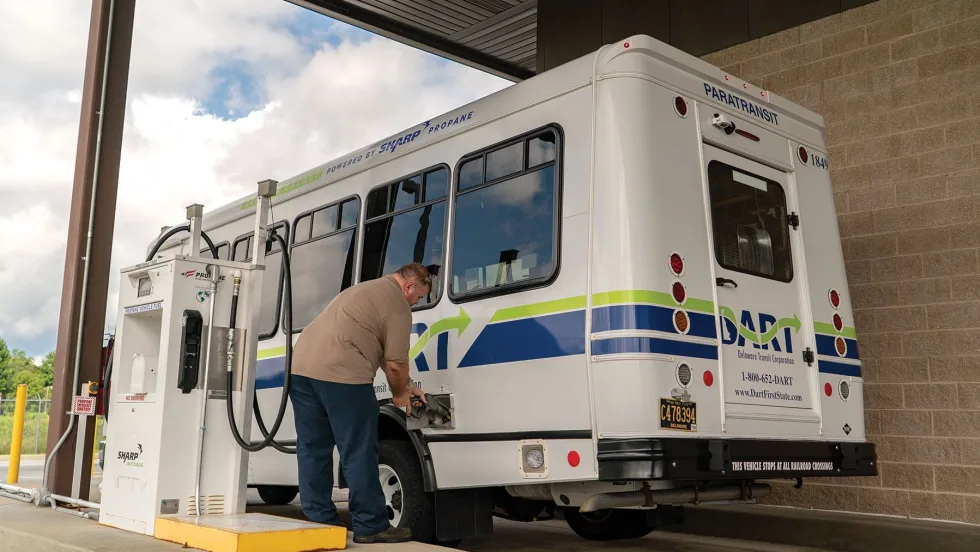
Building a Winning FTA Grant Proposal: Why Propane Autogas is the Pragmatic Choice for Fleet Resilience
With $610 million available through the FY 2026 Buses and Bus Facilities Competitive Program and the Low or No Emission Grant Program, agencies must build a compelling case before the September 21 deadline that balances environmental compliance with operational feasibility.
Read More →
Velo-city Conference 2026: Latest Trends in Cycling as Part of Urban Mobility
The global cycling conference highlighted how cities are integrating bicycles into multimodal transportation networks, expanding cycle tourism and reshaping urban mobility.
Read More →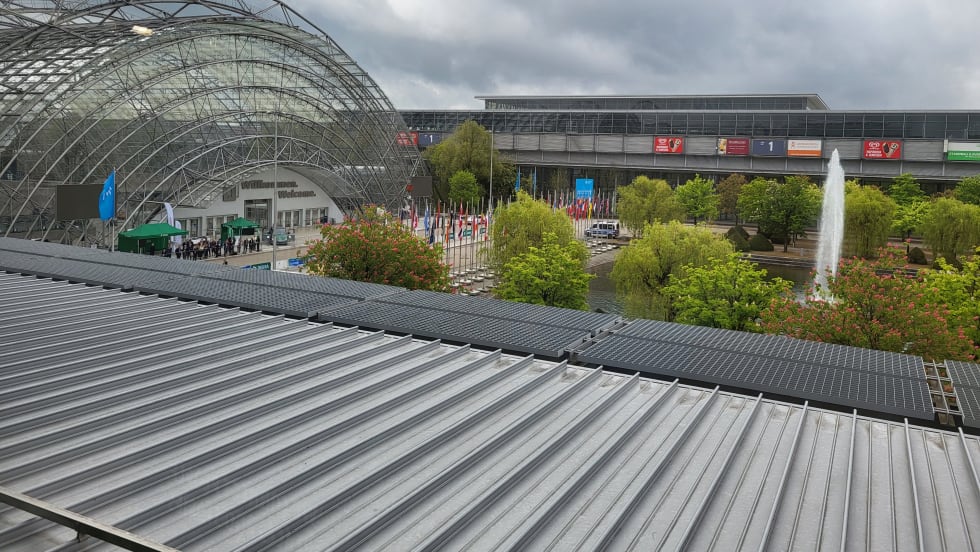
Inside ITF 2026: Transport Reacts to A Challenging World
Transport leaders from around the world gathered in Leipzig, Germany, for the 2026 International Transport Forum to discuss resilience, climate impacts, supply chains and the future of sustainable mobility.
Read More →
Every Ride Tells a Story — But You’re Not Just Selling the Ride
You’re selling the moment, the meaning, and the emotion behind it.
Read More →
How Digital Signage is Reshaping the Traveler Experience at Transportation Hubs
What was once a landscape of static signs has evolved into a responsive, immersive environment powered by real-time visual communication.
Read More →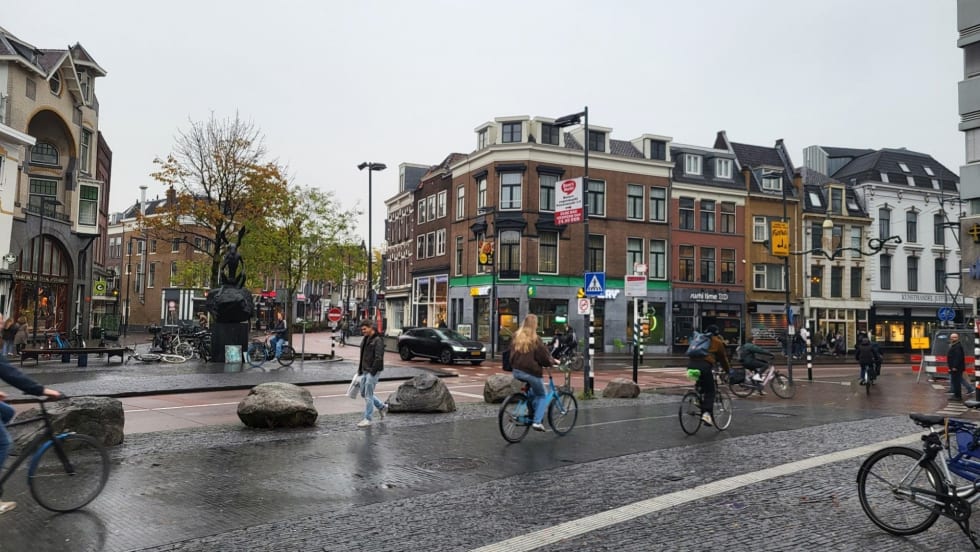
Latest Trends in Urban Mobility from Polis Conference 2025
Polis comprises cities and regions, as well as corporate partners, from across Europe, promoting the development and implementation of sustainable mobility. This year’s event had over a thousand attendees across various policy forums and an exhibition.
Read More →
Why Transit Leaders Require Better Tools for Operational Clarity In Today’s Tech-Fragmented Environment
Across North America and beyond, transit agency officials are contending with a perfect storm of operational headaches and strategic challenges that hamper daily service and long-term progress.
Read More →
The Powerless Brokers: Why California Can’t Build Transit
It is no secret that transit in the U.S. is slow and expensive to build.
Read More →
Why Transport Sustainability Should Focus on People Instead of Cars
Simply incentivizing electrification is not enough to make a meaningful impact; we must shift our focus toward prioritizing public transportation and infrastructure.
Read More →
Transit ROI & System Efficiencies Will Drive 'Big, Beautiful' Transit Funding
For many years, the narrative surrounding public transit improvements has been heavily weighted toward environmental gains and carbon reduction. While these are undeniably crucial long-term benefits, the immediate focus of this new funding environment is firmly on demonstrable system efficiencies and a clear return on investment.
Read More →