



Bus Wi-Fi system considerations for transit agencies
Finding Wi-Fi access on a moving vehicle is still a thrill for many transit riders. But with dozens of municipal public transportation systems across the country offering on-the-go Internet access — for example, Boston Oakland, Calif. — it’s clear the future of transportation in this country involves increasing Internet connectivity.

Finding Wi-Fi access on a moving vehicle is still a thrill for many transit riders. But with dozens of municipal public transportation systems across the country offering on-the-go Internet access — for example, Boston, Oakland, Calif. — it’s clear the future of transportation in this country involves increasing Internet connectivity. Those transit agencies that successfully install dependable Wi-Fi access, such as Calif.-based Santa Clara VTA — often see ridership increases, so operators are eager for mobile Internet solutions.
In this, the first of two blogs on Wi-Fi for public transportation agencies, I examine why a higher end solution is the wiser choice. The complexity of fleet-wide Wi-Fi deployment requires expert engineering. Bus companies opting for too-basic Wi-Fi systems, such as those intended for RV use, are often frustrated by recurrent and costly connectivity failure.
In part two of this series, we explore advantages and capabilities of advanced transit Wi-Fi systems. Below, I have outlined the major differences between basic/low-grade Wi-Fi systems and high-end solutions designed specifically for train and bus systems.
Overall, more advanced train and bus Wi-Fi systems are hardened—they’re designed for rough road conditions. High-end solutions also offer machine-to-machine connectivity with a robust power range and enough bandwidth to accommodate multiple users. Low-end Wi-Fi systems aren’t designed for commercial use, so they tend to present performance problems, as expanded on below.
Common problems with installing basic Wi-Fi systems on commercial buses:
Simultaneous user limitations. Generic systems are designed to sustain five or 10 users at once, when a commercial bus may carry 60 people or more. A single rider may connect three devices, thus utilizing most available channels. It’s irritating for agency and rider alike when bus Wi-Fi access is severely limited.
Power failures. If a system isn’t designed for moving vehicles, it will likely suffer frequent power spikes, which tend to require system resetting. Beyond the hassle of constantly finagling with too-basic Wi-Fi equipment is the fact that, for union or policy reasons, many bus drivers are not allowed to touch electric components. So no matter how riders cajole, drivers can’t reset the Wi-Fi on the road. How frustrating to have Wi-Fi disabled for the entire trip, until the bus can be adjusted by an authorized mechanic.
Poor Antenna Connections. Typically, mobile Wi-Fi systems see the best performance with roof-mounted antennas. However, most low-end mobile Wi-Fi systems do not accommodate roof mounting, and those that do, require a tricky USB card connection that tends to disconnect frequently. When the antenna connection wiggles loose, reception is lost for the vehicle, exasperating riders.
Limited Carrier Accessibility. Lower-end Wi-Fi configurations are single-carrier, single-SIM-card systems. Crossing a country line or moving into a certain carrier’s dead zone could interrupt access. Underdeveloped technology limits operational flexibility—there’s no way to switch to a different carrier for increased range.
No Fleet-wide Software. Without a single system overseeing performance, it’s very difficult to implement effective Wi-Fi access. Centralized software is a must-have for managers overseeing dozens of vehicles simultaneously. Basic systems can’t provide a bird’s eye view of Wi-Fi operation. Nor can they provide real-time information on the GPS location of each vehicle.
Beyond these technical considerations, transit agencies could consider the following financial concern: Without centralized Wi-Fi system coordination, there’s no way to deliver advertisements to riders. Devicescape has found the majority — 68% — of passengers are willing to watch ads in exchange for complimentary Wi-Fi access. Advertising can partially or totally offset transit agencies’ Wi-Fi costs. Higher-end solutions come complete with built-in, advertisement-based revenue systems.
Stay tuned for our next post, on the sophisticated capabilities of advanced train and bus Wi-Fi systems.
Rob Taylo is founder/CEO of SinglePoint Communications, an exclusive U.S. distributor of Wi-Fi in Motion — a rugged suite of products designed to offer high-speed wireless Internet on public transit and private charter vehicles.
In case you missed it...
Read our METRO blog, "Why curb-to-curb service is simply not enough."
More Blog Posts
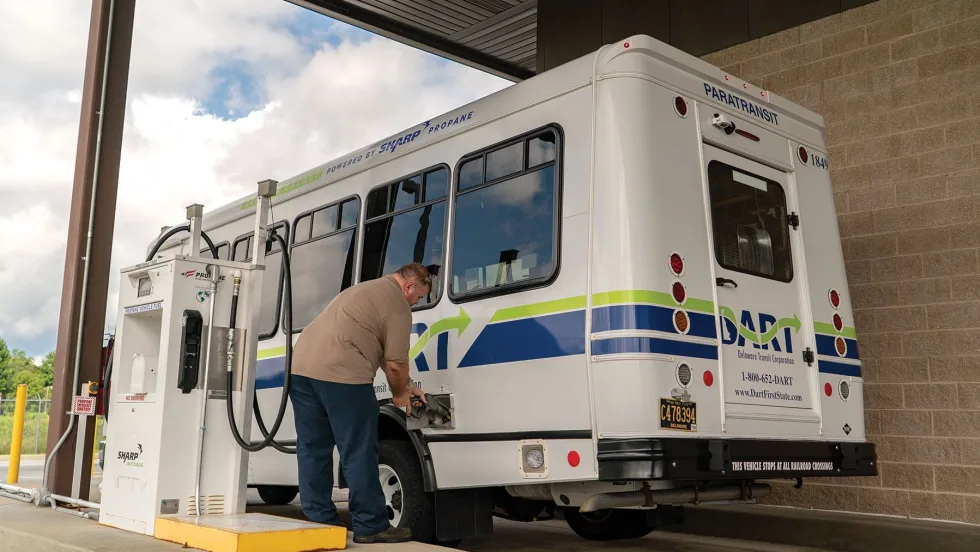
Building a Winning FTA Grant Proposal: Why Propane Autogas is the Pragmatic Choice for Fleet Resilience
With $610 million available through the FY 2026 Buses and Bus Facilities Competitive Program and the Low or No Emission Grant Program, agencies must build a compelling case before the September 21 deadline that balances environmental compliance with operational feasibility.
Read More →
Velo-city Conference 2026: Latest Trends in Cycling as Part of Urban Mobility
The global cycling conference highlighted how cities are integrating bicycles into multimodal transportation networks, expanding cycle tourism and reshaping urban mobility.
Read More →
Kindness Isn’t Soft...It’s Strategic.
Mike Bismeyer — often known as “The Kindness Guy” — has spent more than 17 years in public transit and mobility, serving in industry leadership roles, speaking across North America, and advocating for stronger workplace cultures. But his message doesn’t come from theory. It comes from lived experience.
Read More →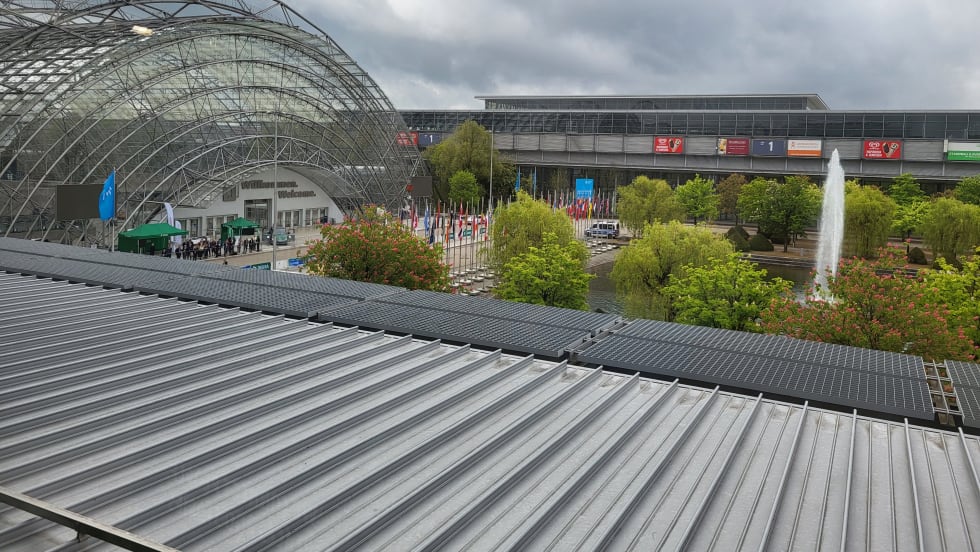
Inside ITF 2026: Transport Reacts to A Challenging World
Transport leaders from around the world gathered in Leipzig, Germany, for the 2026 International Transport Forum to discuss resilience, climate impacts, supply chains and the future of sustainable mobility.
Read More →
Every Ride Tells a Story — But You’re Not Just Selling the Ride
You’re selling the moment, the meaning, and the emotion behind it.
Read More →
How Digital Signage is Reshaping the Traveler Experience at Transportation Hubs
What was once a landscape of static signs has evolved into a responsive, immersive environment powered by real-time visual communication.
Read More →
Latest Trends in Urban Mobility from Polis Conference 2025
Polis comprises cities and regions, as well as corporate partners, from across Europe, promoting the development and implementation of sustainable mobility. This year’s event had over a thousand attendees across various policy forums and an exhibition.
Read More →
Why Transit Leaders Require Better Tools for Operational Clarity In Today’s Tech-Fragmented Environment
Across North America and beyond, transit agency officials are contending with a perfect storm of operational headaches and strategic challenges that hamper daily service and long-term progress.
Read More →
The Powerless Brokers: Why California Can’t Build Transit
It is no secret that transit in the U.S. is slow and expensive to build.
Read More →
Why Transport Sustainability Should Focus on People Instead of Cars
Simply incentivizing electrification is not enough to make a meaningful impact; we must shift our focus toward prioritizing public transportation and infrastructure.
Read More →