



Courting the next generation of transit riders
What had been a rite of passage for young people — getting a driver’s license — isn’t as high a priority as it once was. Some members of “Generation Y” moving to Philadelphia from the suburbs for school and work may have never taken public transportation. This spring, SEPTA began courting this next generation of riders.

What had been a rite of passage for young people — getting a driver’s license — isn’t as high a priority as it once was. According to a recent study by the Frontier Group and the United States Public Interest Research Group Education Fund, the percentage of people between the ages of 20 and 34 without a license increased more than 5% (from 10.4% to 15.7%) from 2000 to 2010.
And, as the number of license-less people rose, the idea of living in an area with access to public transportation grew for people within that age range. A 2011 survey by the Urban Land institute found that those in between the ages of 18 and 29 were “at least 25% more likely than older populations to highly value having bus routes and rail lines within walking distance of their homes.”
Younger people are heading to urban areas where they can easily hop on a bus, train or trolley. In Philadelphia, the Pew Charitable Trusts’ 2012 update to last year’s “State of the City” study found that from 2000-2010, the number of people between the ages of 20 to 34 living in the city increased by 50,300 people over the previous decade.
Some members of “Generation Y” moving to Philadelphia from the suburbs for school and work may have never taken public transportation. This spring, the Southeastern Pennsylvania Transportation Authority (SEPTA) began courting this next generation of riders. Focus groups that SEPTA conducted with individuals in the coveted 18 to 34 age range identified topics such as safety, cleanliness, ease of use and affordability as issues that most concern younger customers. But instead of SEPTA telling potential customers why they should ride, the agency let their peers do the talking.
In the “I SEPTA Philly” campaign’s commercials, current riders between the ages of 18 to 34 talk unscripted about using the system and the issues raised in the focus groups. The accompanying iseptaphilly.com website, Internet and radio advertising, and social media initiatives are geared to make younger, new riders feel more comfortable with using SEPTA. The idea is to make SEPTA a verb in the Generation Y vocabulary — “I SEPTA to the restaurant”; “I SEPTA to the ballpark”; “I SEPTA to the concert.”
The agency is also asking riders to populate the campaign’s website themselves by submitting their own public transit stories — experiences riding the system, anecdotes about public transportation or tips for new riders. Customers can film and upload their own clips or record one at a variety of events held throughout Philadelphia over the summer. The best submissions will be entered in a contest to win prizes ranging from SEPTA passes and concert tickets to a trip to Las Vegas.
Customers always have SEPTA stories and feedback to share, whether it be a positive experience, constructive criticism or an idea on how to make the system easier to navigate. The iseptaphilly.com website and the contest provide riders with a new platform for telling others about SEPTA and public transit — a platform that is built for the next generation.
More Blog Posts
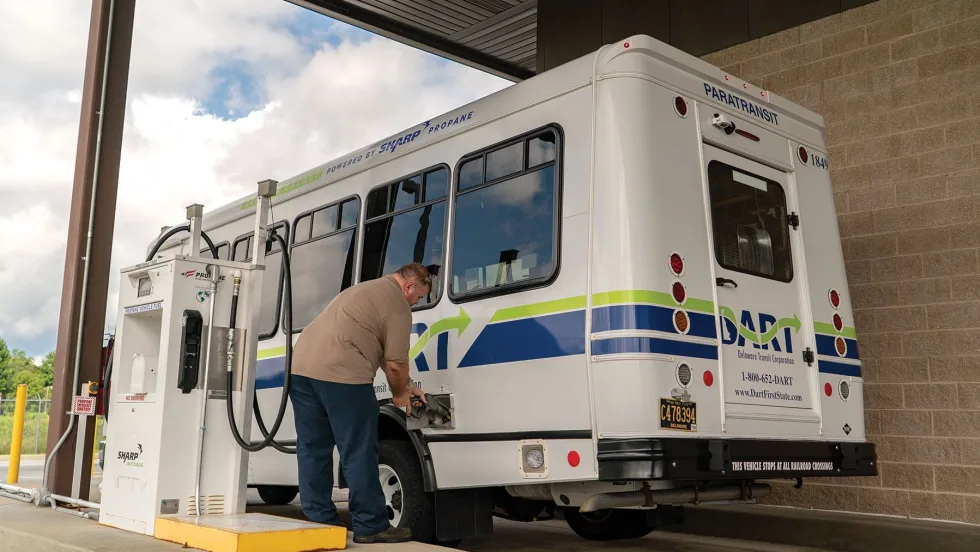
Building a Winning FTA Grant Proposal: Why Propane Autogas is the Pragmatic Choice for Fleet Resilience
With $610 million available through the FY 2026 Buses and Bus Facilities Competitive Program and the Low or No Emission Grant Program, agencies must build a compelling case before the September 21 deadline that balances environmental compliance with operational feasibility.
Read More →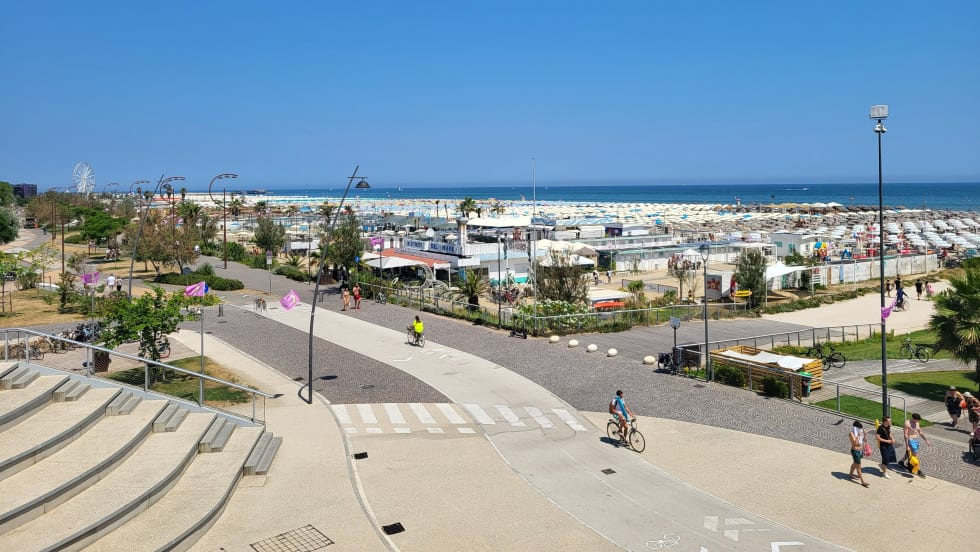
Velo-city Conference 2026: Latest Trends in Cycling as Part of Urban Mobility
The global cycling conference highlighted how cities are integrating bicycles into multimodal transportation networks, expanding cycle tourism and reshaping urban mobility.
Read More →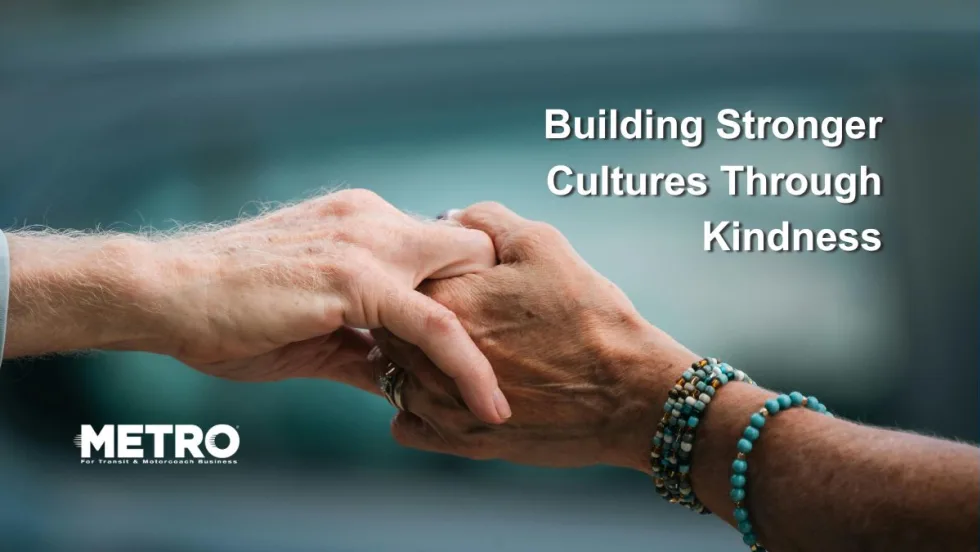
Kindness Isn’t Soft...It’s Strategic.
Mike Bismeyer — often known as “The Kindness Guy” — has spent more than 17 years in public transit and mobility, serving in industry leadership roles, speaking across North America, and advocating for stronger workplace cultures. But his message doesn’t come from theory. It comes from lived experience.
Read More →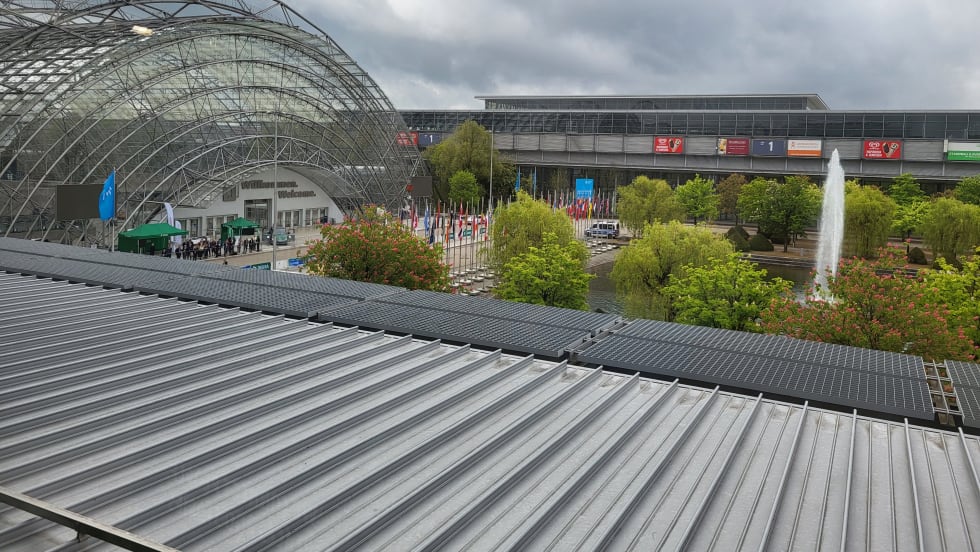
Inside ITF 2026: Transport Reacts to A Challenging World
Transport leaders from around the world gathered in Leipzig, Germany, for the 2026 International Transport Forum to discuss resilience, climate impacts, supply chains and the future of sustainable mobility.
Read More →
Every Ride Tells a Story — But You’re Not Just Selling the Ride
You’re selling the moment, the meaning, and the emotion behind it.
Read More →
How Digital Signage is Reshaping the Traveler Experience at Transportation Hubs
What was once a landscape of static signs has evolved into a responsive, immersive environment powered by real-time visual communication.
Read More →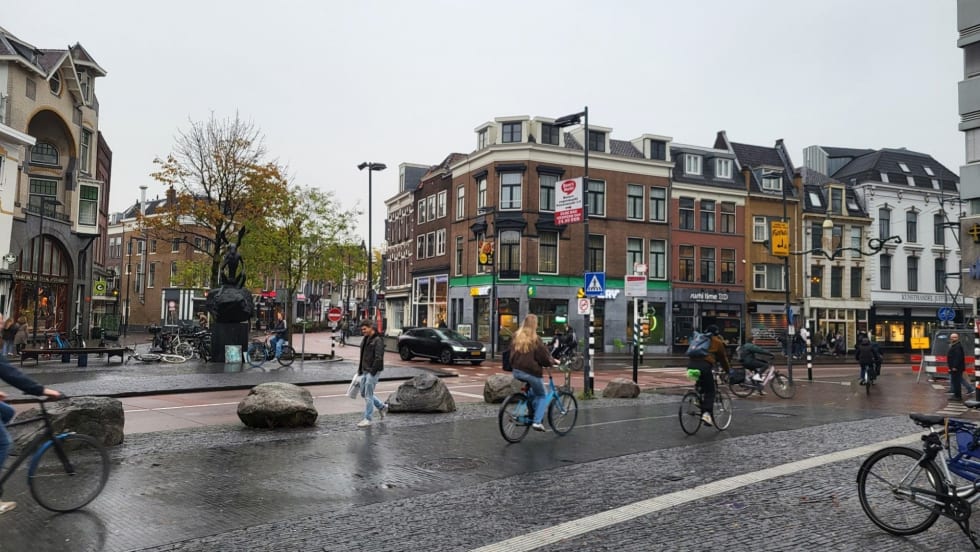
Latest Trends in Urban Mobility from Polis Conference 2025
Polis comprises cities and regions, as well as corporate partners, from across Europe, promoting the development and implementation of sustainable mobility. This year’s event had over a thousand attendees across various policy forums and an exhibition.
Read More →
Why Transit Leaders Require Better Tools for Operational Clarity In Today’s Tech-Fragmented Environment
Across North America and beyond, transit agency officials are contending with a perfect storm of operational headaches and strategic challenges that hamper daily service and long-term progress.
Read More →
The Powerless Brokers: Why California Can’t Build Transit
It is no secret that transit in the U.S. is slow and expensive to build.
Read More →
Why Transport Sustainability Should Focus on People Instead of Cars
Simply incentivizing electrification is not enough to make a meaningful impact; we must shift our focus toward prioritizing public transportation and infrastructure.
Read More →