



COVID-19 and Mobility: New Solutions and Cooperation Models Between Operators and Local Authorities
Mobility has been impacted the world over due to the COVID-19 crisis. From public transport to micromobility to individual auto commuting, all modes have seen a dramatic decrease in usage across the urban ecosystem.

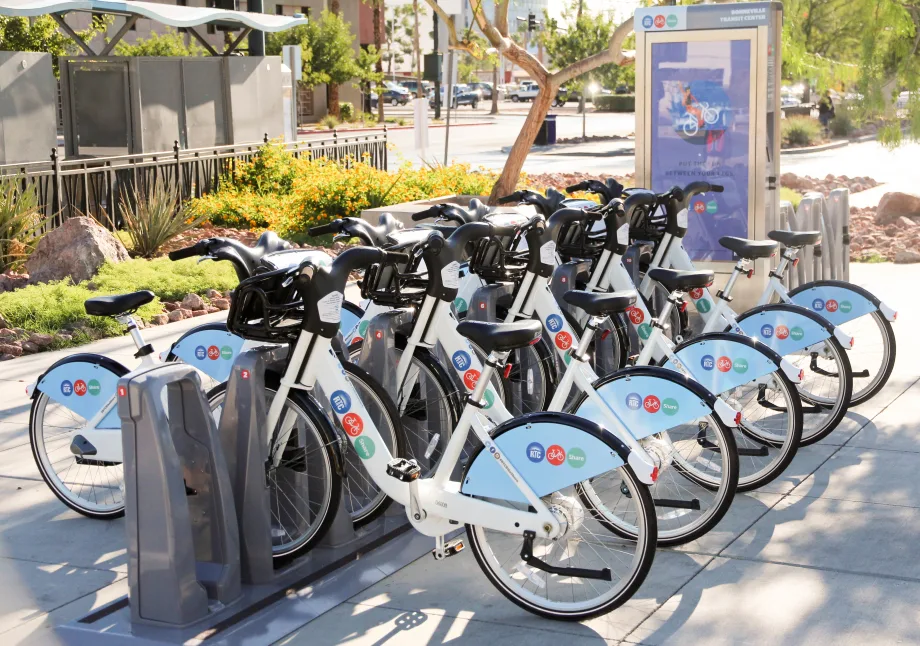
Many cities are rapidly introducing interventions to make their streets networks less car centric and friendlier to cyclists and pedestrians.
RTC of Southern Nevada
Mobility has been impacted the world over due to the COVID-19 crisis. From public transport to micromobility to individual auto commuting, all modes have seen a dramatic decrease in usage across the urban ecosystem. What is yet to be seen is how cities and their inhabitants will move in the coming days, weeks, months, and years. We are starting to get a preview of what is to come, based upon innovative, sustainable, and human-centric initiatives being introduced at the local and urban level.
Many cities are rapidly introducing interventions to make their streets networks less car centric and friendlier to cyclists and pedestrians. Specifically, in cities ranging from Milan, Berlin, New York, Barcelona, Paris, and Oakland, Calif., an “open streets” movement is taking root. However, the challenge at hand is how cities can ensure short-term interventions, such as these that emphasize active transportation, can be integrated within the framework of urban planning and public infrastructure operations and investment.
The impact on various urban mobility modes is widespread. Specifically, public transport has seen declines across all modes including bus, commuter rail, metro, and tram since early March. While the current local and national plans to stage a phased reopening of the economy across Europe and North America is underway, social distancing measures are being implemented to encourage passengers back to public transport, such as spaced markings, hand sanitizers, and obligatory usage of face masks.
Micromobility has seen an even more dramatic impact in the wake of COVID-19. For example, with approximately 99% of electric scooters deactivate/removed from cities, Lime has temporarily halted operations. But this is just the tip of the iceberg. All mobility services providers across the ecosystem — including scooters, ridehail, and carshare — have seen a dramatic reduction in demand for their shared services. While there are measures in place to be deployed across specific modes, it is yet to be seen how shared micromobility will recover and what role it will play in the landscape.
Bikesharing (and personal cycling) has been the one bright spot in the urban mobility ecosystem. With the rapid urban design interventions to promote cycling, pop up bike lanes, and other physical infrastructure improvements, urban residents have sought to maintain social distancing, without having to lose their freedom of movement. In addition, as urban bike sharing has been public subsidized in many schemes, it is better able to weather the economic storm that many of the VC-backed startups that quickly halted service.
To better understand where we go from here, it is important to note success factors in cooperation between the public and private sectors. The rapid pace and sustained effort to “launch” in target cities and geographical markets did not leave much time to analyze, strategize, or reflect on the impact that such schemes would have on the complex urban fabric. The ethos to “move fast and break things” was taken to a whole new level, reaching an apex in 2019.
Up until recently, many major mobility providers either did not communicate directly with cities and public transport agencies, or did so in a minimalist approach. The challenge now is to bridge the gap, take lessons learned, and coordinate data specifications, standardization, and legislation in an open, transparent fashion so both the public and private sectors can work toward shared outcomes and goals.
We really need to rethink the role of cities and how they serve as stewards for the public good —whether it be transport, environment, public health, safety, education, economic development, etc. The reason for this is because cities can take a central role in determining their future and setting the policies and legal frameworks for startups and new market entrants in the shared mobility domain to financially and operationally succeed.
In taking a more collaborative approach to integrating shared mobility options (as has been done successfully done across multiple European cities), the long-term sustainability of such offers can be ensured, ultimately benefiting all stakeholders in the mobility ecosystem.
All stakeholders win when mutual partnerships are formed and cultivated between the public and private sector in shared mobility. We simply need to do a much better job of scrutinizing the business models and KPIs of startups and mobility ventures to better assess their viability in the urban ecosystem. Otherwise, we are doomed to see ever more “exits” in the sector, either through M&A, “market pivots,” or complete business shutdowns.
As cities are complex organisms, we cannot tinker with the long-term sustainability of transport and quality of life, based upon the whims of early investors. There is a better way to leverage the capital investments of Silicon Valley and China to deliver equitable mobility for our cities during and after the COVID-19 crisis.
More Blog Posts
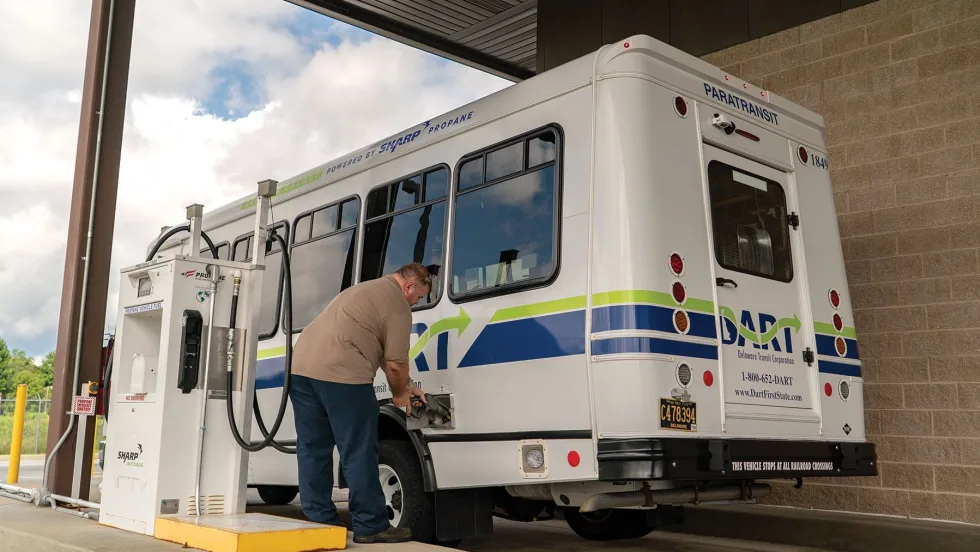
Building a Winning FTA Grant Proposal: Why Propane Autogas is the Pragmatic Choice for Fleet Resilience
With $610 million available through the FY 2026 Buses and Bus Facilities Competitive Program and the Low or No Emission Grant Program, agencies must build a compelling case before the September 21 deadline that balances environmental compliance with operational feasibility.
Read More →
Velo-city Conference 2026: Latest Trends in Cycling as Part of Urban Mobility
The global cycling conference highlighted how cities are integrating bicycles into multimodal transportation networks, expanding cycle tourism and reshaping urban mobility.
Read More →
Kindness Isn’t Soft...It’s Strategic.
Mike Bismeyer — often known as “The Kindness Guy” — has spent more than 17 years in public transit and mobility, serving in industry leadership roles, speaking across North America, and advocating for stronger workplace cultures. But his message doesn’t come from theory. It comes from lived experience.
Read More →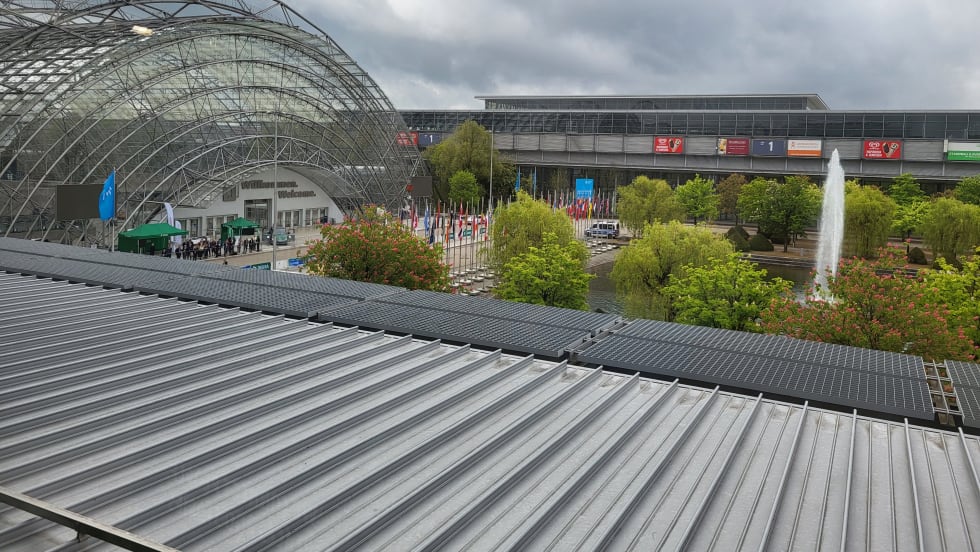
Inside ITF 2026: Transport Reacts to A Challenging World
Transport leaders from around the world gathered in Leipzig, Germany, for the 2026 International Transport Forum to discuss resilience, climate impacts, supply chains and the future of sustainable mobility.
Read More →
Every Ride Tells a Story — But You’re Not Just Selling the Ride
You’re selling the moment, the meaning, and the emotion behind it.
Read More →
How Digital Signage is Reshaping the Traveler Experience at Transportation Hubs
What was once a landscape of static signs has evolved into a responsive, immersive environment powered by real-time visual communication.
Read More →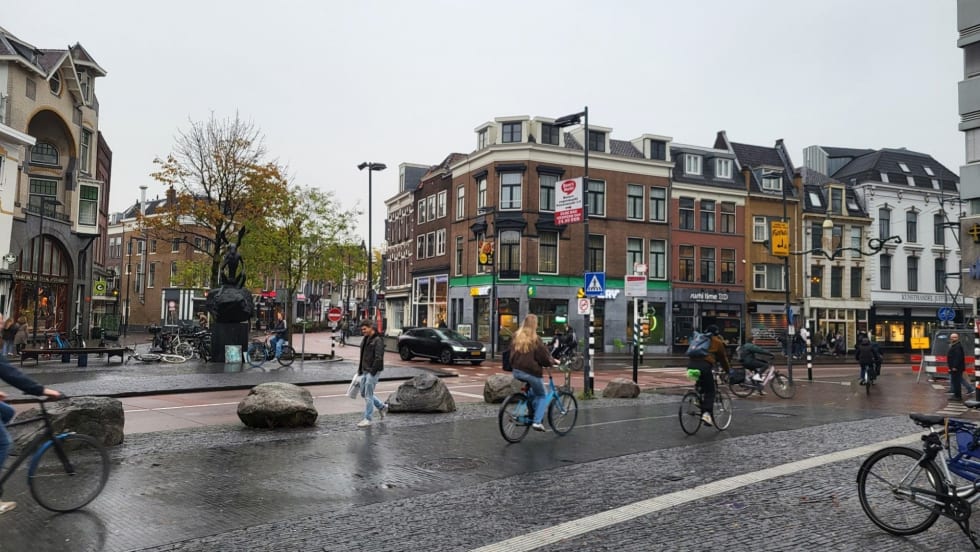
Latest Trends in Urban Mobility from Polis Conference 2025
Polis comprises cities and regions, as well as corporate partners, from across Europe, promoting the development and implementation of sustainable mobility. This year’s event had over a thousand attendees across various policy forums and an exhibition.
Read More →
Why Transit Leaders Require Better Tools for Operational Clarity In Today’s Tech-Fragmented Environment
Across North America and beyond, transit agency officials are contending with a perfect storm of operational headaches and strategic challenges that hamper daily service and long-term progress.
Read More →
The Powerless Brokers: Why California Can’t Build Transit
It is no secret that transit in the U.S. is slow and expensive to build.
Read More →
Why Transport Sustainability Should Focus on People Instead of Cars
Simply incentivizing electrification is not enough to make a meaningful impact; we must shift our focus toward prioritizing public transportation and infrastructure.
Read More →