



Engaging Young Riders is Key to Transit’s Continued Growth
The number of younger people getting drivers’ licenses has continually declined since 1996 and that adults between the ages of 20 to 30 are more likely to stay in cities rather than move to suburbs, according to the United States Public Interest Research Group. This data, then, would indicate that the millennial generation (the largest generation) is a major contributor to the surge in ridership transportation organizations across the country are experiencing.


Riders on SEPTA's Market-Frankford Line. Photos courtesy SEPTA
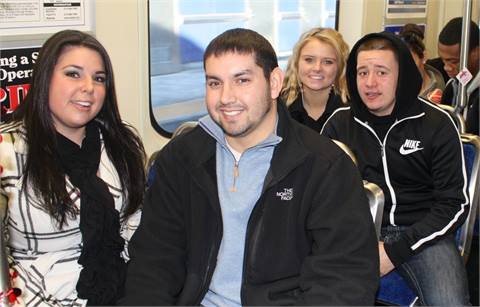
Riders on SEPTA's Market-Frankford Line. Photos courtesy SEPTA
Over the last 10 years, Americans have been driving less — and turning to public transportation more, according to the United States Public Interest Research Group (U.S. PIRG). The organization also reports in its recently released “Millennials in Motion” study that the number of younger people getting drivers’ licenses has continually declined since 1996 and that adults between the ages of 20 to 30 are more likely to stay in cities rather than move to suburbs. This data, then, would indicate that the millennial generation (the largest generation) is a major contributor to the surge in ridership transportation organizations across the country are experiencing.
With young people using public transit more often, it would be prudent for transportation organizations to seek the input from the millennial demographic. “Philadelphia is a college town, with young adults from around the world coming here to study at our region’s many academic institutions,” said Southeastern Pennsylvania Transportation Authority (SEPTA) GM Joseph Casey. “Many of these students stay in the area after they graduate. SEPTA wants to make them lifelong riders of our system and has made an effort to reach out to this group, showing them that mass transit can be used for more than just their commute to work and home. They can also use it to navigate our region.”
RELATED:Majority of millennials want access to better transit options
In 2009, SEPTA established its Youth Advisory Council (YAC) — the first (and possibly the only) such group created by a transit organization that invites young people to offer their input and work with a public transportation company. The YAC is composed of young riders in SEPTA’s five-county service area between the ages of 14 and 22. “The role of the YAC is to advocate the interest and needs of students, to assist us in creating promotions, to provide outreach to youth throughout the region and to educate their peers about SEPTA services and special events,” said Casey. “The group’s insight and contributions have been very helpful to the authority.”

Among the initiatives SEPTA’s YAC has worked on are a “Text-a-Tip” program for the authority’s Police Department that researched and offered recommendations for a system that would allow riders to report suspicious activities to police through text messaging; a survey to gain specific insight into the needs of youth riders in the SEPTA service region; and outreach events at local colleges to promote using mass transit.
“The mission of the YAC is two-fold. We present to SEPTA what local youth want and we help spread SEPTA’s message to our target audience,” said YAC Chair Jeff Kessler. “We take our position seriously. We have an annual operating plan, set goals and work not only to meet those goals, but to surpass them, which we have done. Our members are held accountable for their projects and have to actively participate.”
In fact, by the end of their current operating year, all YAC members will have collectively ridden every SEPTA route, which they keep track of via the members’ website.
"The YAC was the first advisory council to not only make a presentation to the General Manager’s executive staff, but be invited back for a follow-up,” said Kessler. “To me, that demonstrates that the Authority values us as an organization and they are serious about listening to the voices of its younger customers.”
In case you missed it...
Read our previous blog, "Emergency Plans: How Transit Prepares for the Worst"
More Blog Posts
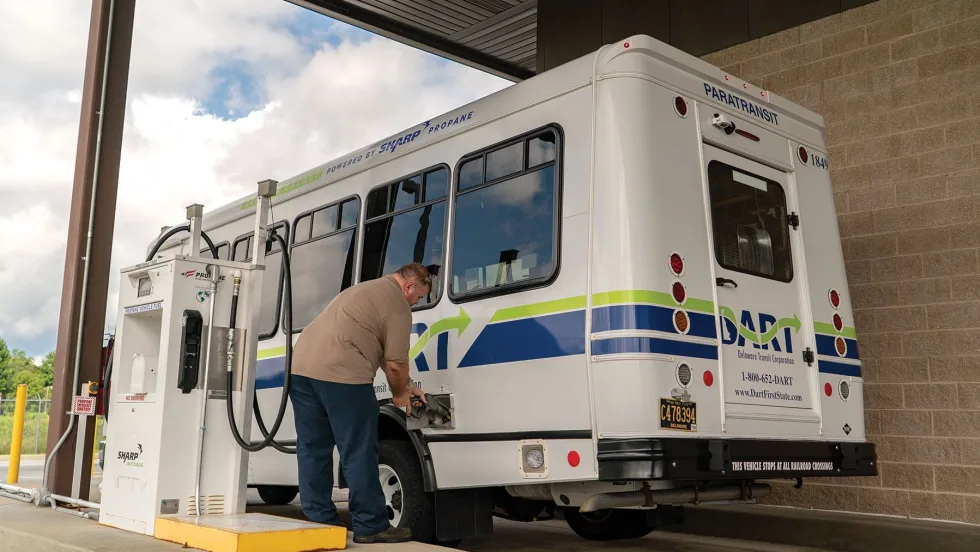
Building a Winning FTA Grant Proposal: Why Propane Autogas is the Pragmatic Choice for Fleet Resilience
With $610 million available through the FY 2026 Buses and Bus Facilities Competitive Program and the Low or No Emission Grant Program, agencies must build a compelling case before the September 21 deadline that balances environmental compliance with operational feasibility.
Read More →
Velo-city Conference 2026: Latest Trends in Cycling as Part of Urban Mobility
The global cycling conference highlighted how cities are integrating bicycles into multimodal transportation networks, expanding cycle tourism and reshaping urban mobility.
Read More →
Kindness Isn’t Soft...It’s Strategic.
Mike Bismeyer — often known as “The Kindness Guy” — has spent more than 17 years in public transit and mobility, serving in industry leadership roles, speaking across North America, and advocating for stronger workplace cultures. But his message doesn’t come from theory. It comes from lived experience.
Read More →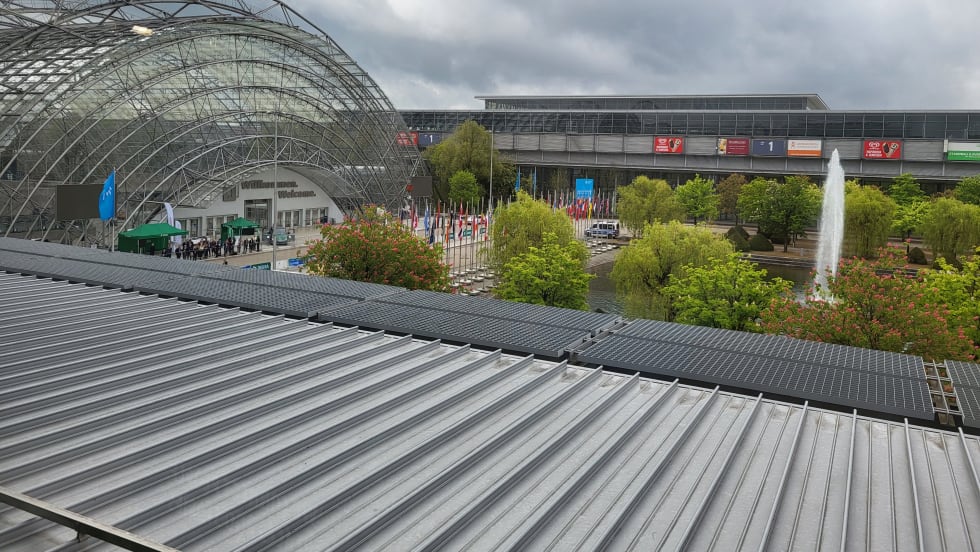
Inside ITF 2026: Transport Reacts to A Challenging World
Transport leaders from around the world gathered in Leipzig, Germany, for the 2026 International Transport Forum to discuss resilience, climate impacts, supply chains and the future of sustainable mobility.
Read More →
Every Ride Tells a Story — But You’re Not Just Selling the Ride
You’re selling the moment, the meaning, and the emotion behind it.
Read More →
How Digital Signage is Reshaping the Traveler Experience at Transportation Hubs
What was once a landscape of static signs has evolved into a responsive, immersive environment powered by real-time visual communication.
Read More →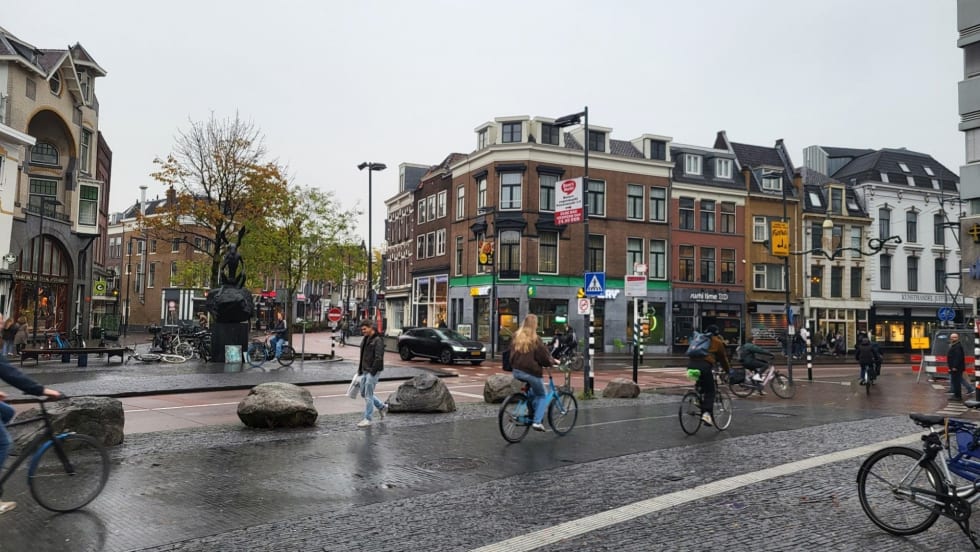
Latest Trends in Urban Mobility from Polis Conference 2025
Polis comprises cities and regions, as well as corporate partners, from across Europe, promoting the development and implementation of sustainable mobility. This year’s event had over a thousand attendees across various policy forums and an exhibition.
Read More →
Why Transit Leaders Require Better Tools for Operational Clarity In Today’s Tech-Fragmented Environment
Across North America and beyond, transit agency officials are contending with a perfect storm of operational headaches and strategic challenges that hamper daily service and long-term progress.
Read More →
The Powerless Brokers: Why California Can’t Build Transit
It is no secret that transit in the U.S. is slow and expensive to build.
Read More →
Why Transport Sustainability Should Focus on People Instead of Cars
Simply incentivizing electrification is not enough to make a meaningful impact; we must shift our focus toward prioritizing public transportation and infrastructure.
Read More →