




RELATED: Study explores how to attract, retain women in transportation industry
'Going to School' to Cultivate the Next Generation of Transit Employees
To help mitigate the effects of a potential workforce shortage, SEPTA is taking its recruitment efforts to the next generation, reaching out to students about careers in transportation.
March 26, 2019
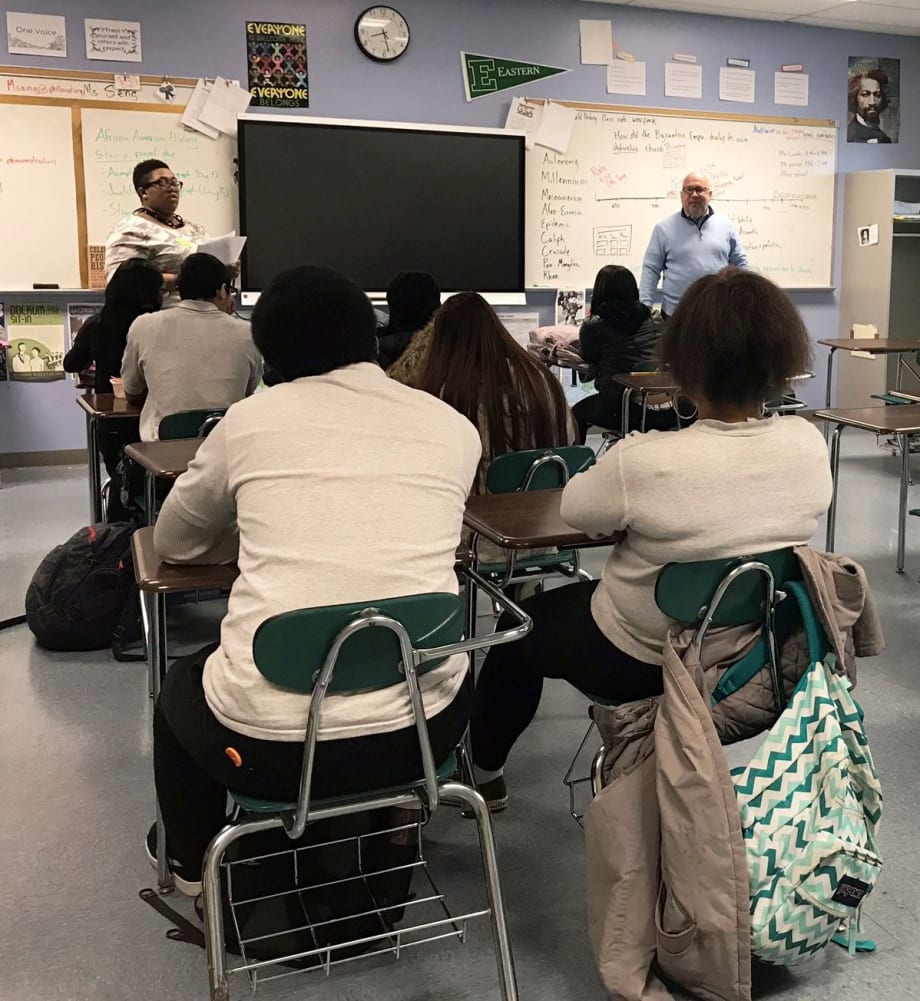
Jennifer Thompkins, Assistant Director of Youth Programs for TriZen, LLC and SEPTA’s Dan Amspacher presenting to Samuel Fels High School students in the classroom. Photo: SEPTA
3 min to read

Jennifer Thompkins, Assistant Director of Youth Programs for TriZen, LLC and SEPTA’s Dan Amspacher presenting to Samuel Fels High School students in the classroom. Photo: SEPTA
Each year, the Southeastern Pennsylvania Transportation Authority (SEPTA) honors its retirees from the previous fiscal year with an awards luncheon. In 2016, there was a record 367 honorees. In 2018, the Authority recognized 344 retirees — 19 with at least 40 years of service with the Authority. One of those honorees had 45 years of service at SEPTA.
Replacing experienced, long-tenured employees — especially those in the skilled trades — is an issue SEPTA shares with industries across the country. To help mitigate the effects of a potential workforce shortage, SEPTA is taking its recruitment efforts to the next generation, reaching out to students about careers in transportation.
“Being an operator, engineer or a crew member is a terrific job,” said Dan Amspacher, SEPTA’s Director of Strategic Initiatives. “There are so many positions within our organization that a lot of people don’t realize exist. We want to let students know that there are many career options within our industry — something for everyone’s talents.”
Participation in career fairs and school career days has helped SEPTA introduce its many job possibilities to thousands of students in the Greater Philadelphia region. A special relationship with a Philadelphia public high school could “drive” potential future employees in the Authority’s direction.

Students touring SEPTA’s Control Center. Photo: SEPTA
In January 2018, SEPTA kicked off its partnership with Samuel Fels High School at an assembly where authority employees shared information on the numerous careers SEPTA offers, internship opportunities and their personal career paths to 350 9th and 10th grade students.
Over the past year, SEPTA has adopted Fels, interacting with more than 400 students by holding work readiness workshops and hosting students for a day-long tour at the SEPTA Headquarters. SEPTA’s partnership with Fels comes through the Adopt-A-School Program, an initiative designed by the Urban League of Philadelphia and TriZen LLC, to create partnerships between companies and GEAR UP Philadelphia high schools.
“The goal of the Adopt-A-School Program is to foster an environment of academic achievement and post-secondary education, while creating potential pipelines to future employment,” said Jennifer Thompkins, Assistant Director of Youth Programs for TriZen, LLC. “The program is now in its third year and is targeting the classes of 2020 and 2021.
This year, SEPTA is working with 11th grade students on their career plans and preparing them for summer internships through workshops held at their high school. In a recent session, Amspacher, and Thompkins introduced students to the various types of post-secondary institutions and discussed characteristics students should consider when researching schools.
“We want students to start thinking about the next steps they need to take to reach their career goals,” said Thompkins. “This includes understanding various types of financial aid, taking college tours and registering for summer internships.”

Samuel Fels High School logo. Photo: SEPTA
Six-week paid summer internships are offered by employers registered with the Urban League of Philadelphia/TriZen LLC program.
“The internships can help students find something they are passionate about,” added Thompkins.
In addition to SEPTA, some of the Greater Philadelphia’s biggest employers participate in the Adopt-A-School program, including Comcast, AmeriHealth Caritas, Independence Blue Cross, iHeartMedia, Philadelphia Gas Works, TD Bank and UPS.
Heather Redfern is the Public Information Manager for the Southeastern Pennsylvania Transportation Authority.
Subscribe to Our Newsletter
More Blog Posts
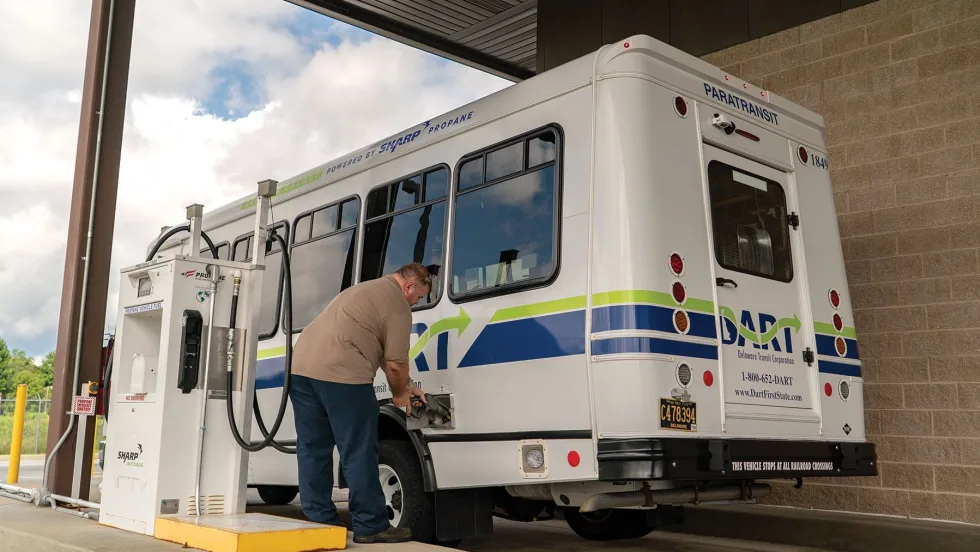
Building a Winning FTA Grant Proposal: Why Propane Autogas is the Pragmatic Choice for Fleet Resilience
With $610 million available through the FY 2026 Buses and Bus Facilities Competitive Program and the Low or No Emission Grant Program, agencies must build a compelling case before the September 21 deadline that balances environmental compliance with operational feasibility.
Read More →
Velo-city Conference 2026: Latest Trends in Cycling as Part of Urban Mobility
The global cycling conference highlighted how cities are integrating bicycles into multimodal transportation networks, expanding cycle tourism and reshaping urban mobility.
Read More →
Kindness Isn’t Soft...It’s Strategic.
Mike Bismeyer — often known as “The Kindness Guy” — has spent more than 17 years in public transit and mobility, serving in industry leadership roles, speaking across North America, and advocating for stronger workplace cultures. But his message doesn’t come from theory. It comes from lived experience.
Read More →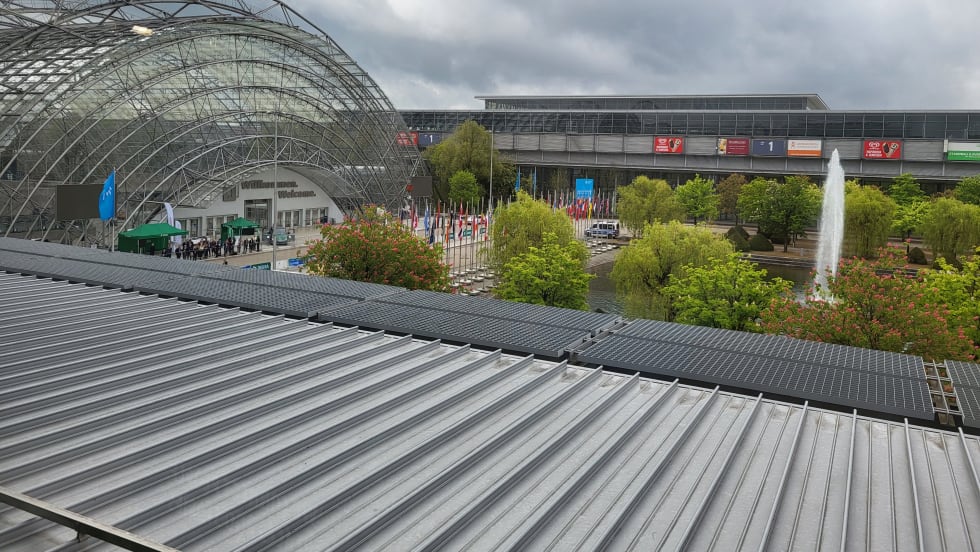
Inside ITF 2026: Transport Reacts to A Challenging World
Transport leaders from around the world gathered in Leipzig, Germany, for the 2026 International Transport Forum to discuss resilience, climate impacts, supply chains and the future of sustainable mobility.
Read More →
Every Ride Tells a Story — But You’re Not Just Selling the Ride
You’re selling the moment, the meaning, and the emotion behind it.
Read More →
How Digital Signage is Reshaping the Traveler Experience at Transportation Hubs
What was once a landscape of static signs has evolved into a responsive, immersive environment powered by real-time visual communication.
Read More →
Latest Trends in Urban Mobility from Polis Conference 2025
Polis comprises cities and regions, as well as corporate partners, from across Europe, promoting the development and implementation of sustainable mobility. This year’s event had over a thousand attendees across various policy forums and an exhibition.
Read More →
Why Transit Leaders Require Better Tools for Operational Clarity In Today’s Tech-Fragmented Environment
Across North America and beyond, transit agency officials are contending with a perfect storm of operational headaches and strategic challenges that hamper daily service and long-term progress.
Read More →
The Powerless Brokers: Why California Can’t Build Transit
It is no secret that transit in the U.S. is slow and expensive to build.
Read More →
Why Transport Sustainability Should Focus on People Instead of Cars
Simply incentivizing electrification is not enough to make a meaningful impact; we must shift our focus toward prioritizing public transportation and infrastructure.
Read More →