



RELATED: 3 things to consider before implementing electric buses
How 3 transportation trends shaped last decade, will affect the next
Opportunity to form a more connected, more efficient, and more environmentally and socially mindful mobility structure.
by By Paulina McFarland, marketing coordinator, INIT
January 27, 2020
iStock-BAU-blue
4 min to read

Passengers’ needs are transforming as our world becomes increasingly digital.iStock-BAU-blue
Transportation systems and the technologies behind them are constantly evolving, and information about these changes and trends is both readily available and in abundance. This is because the needs and behaviors of passengers are changing, there are many new players in the shifting mobility landscape, and there are new ecological, economical and geographical challenges cities must face as they morph into their future, smarter selves.
Which trends did we see taking over the industry in the 2010s — and how can transportation providers prepare for these new mobility norms in 2020 and the years to come? We’ve broken down three of the most important concepts and explained what puts them at the forefront of tomorrow’s (and today’s) mobility.
1. Electrification
The shift toward alternative fuel and electric vehicles will continue in the years to come as more agencies launch sustainability initiatives and more governments mandate reductions in greenhouse-gas emissions. Electrification is truly a global movement across a variety of transportation modes, with a growing number of major vehicle manufacturers committing to full electrification in the decades to come.
The positive contributions e-buses offer are worth mentioning: they are environmentally friendly, improve air quality and quality of life, are quieter and thus support improved ridership and the rider experience, and there is a serious potential for lower operational costs in the long-run.
In order to navigate the potential risks and to take full advantage of all the benefits offered by these vehicles, transportation agencies will need to start rethinking the way they approach fleet management, planning, maintenance and infrastructure. Most importantly, they will need to plan ahead.
2. Mobility as a Service (MaaS)
As mentioned earlier passengers’ needs are transforming as our world becomes increasingly digital, as environmental consciousness rises, and as convenience becomes even more of a natural expectation. Transportation, like other services, needs to be available at all times, on-demand, and more uniquely tailored to each person’s requirements. Mobility as a Service (MaaS) provides the response to this challenge.
MaaS is defined as the shift from personally owned modes of transportation toward different mobility services. In a stricter sense, it covers services like ride-hailing, ride-pooling, scooter and bike sharing offered by mobility service providers. In a broader sense, it implies that personal means of transportation are no longer necessary because, through MaaS, all modes of transportation will be available when needed as integrated services. The key to successful MaaS implementations will be regional Open Mobility Platforms created and run by public transit providers.
These platforms will integrate different mobility services that are continually available, individually tailored and on-demand.
3. Autonomous Vehicles
The advent of driverless or autonomous vehicles (AV) raises questions of funding, safety, ownership, and how public transportation as an institution will ultimately change as a result of this new technology. As private companies continue to research, test and invest in AVs, the effect these vehicles will have on normal mobility operations — both public and private — is unavoidable.
Naturally, one of the first concerns is the social impact driverless fleets will have on drivers. It’s important to also consider that with AVs, agencies could run a higher number of vehicles for the same cost while significantly increasing jobs related to servicing and maintenance — an economic win. Not to mention, the overall social and environmental impact these vehicles could have in both the short- and long-term.
AVs have the potential to drastically improve traffic safety as human error is eliminated from the driving equation. It also has the potential to help make mobility more accessible to demographics who might not currently drive or take public transit due to age or disability. Finally, AVs reduce the costs and environmental impact associated with congestion, energy and land use.
Autonomous first and last-mile services that bring travelers to and from transit hubs have the potential to make public transit more convenient and accessible while boosting ridership and revenue — with minimal new infrastructure. Service providers can also cost-effectively reach new service areas that may not be suitable for larger vehicle transportation.
Though we are stepping into a new and increasingly complex mobility paradigm, there is significant potential for public transportation providers as they continue to become the mobility brokers and invest in trends that are now major shifts in our current way of moving. 2020 and each year after offer the opportunity for public transit to take the lead in forming a more connected, more efficient, and more environmentally and socially mindful mobility structure.
Paulina McFarland is the marketing coordinator for INIT Innovations in Transportation Inc.
Subscribe to Our Newsletter
More Blog Posts
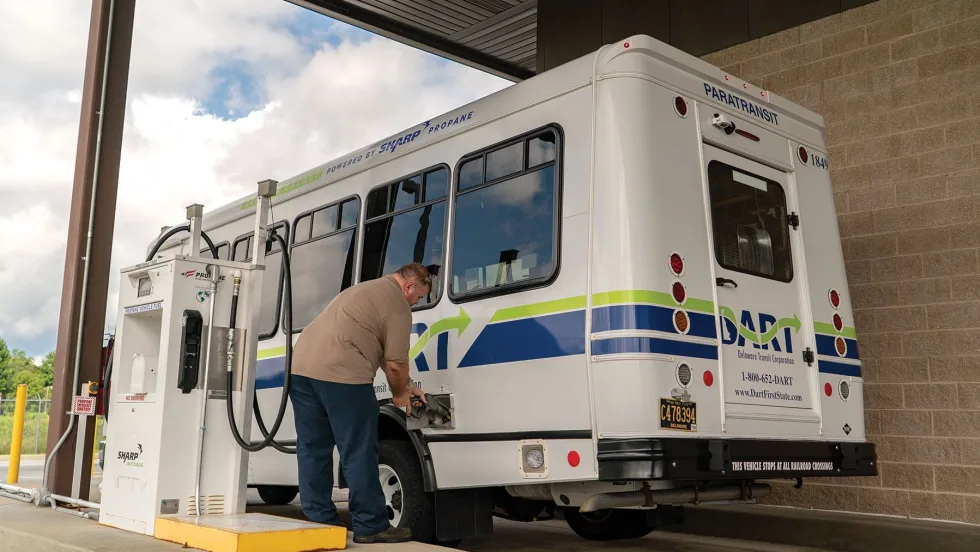
Building a Winning FTA Grant Proposal: Why Propane Autogas is the Pragmatic Choice for Fleet Resilience
With $610 million available through the FY 2026 Buses and Bus Facilities Competitive Program and the Low or No Emission Grant Program, agencies must build a compelling case before the September 21 deadline that balances environmental compliance with operational feasibility.
Read More →
Velo-city Conference 2026: Latest Trends in Cycling as Part of Urban Mobility
The global cycling conference highlighted how cities are integrating bicycles into multimodal transportation networks, expanding cycle tourism and reshaping urban mobility.
Read More →
Kindness Isn’t Soft...It’s Strategic.
Mike Bismeyer — often known as “The Kindness Guy” — has spent more than 17 years in public transit and mobility, serving in industry leadership roles, speaking across North America, and advocating for stronger workplace cultures. But his message doesn’t come from theory. It comes from lived experience.
Read More →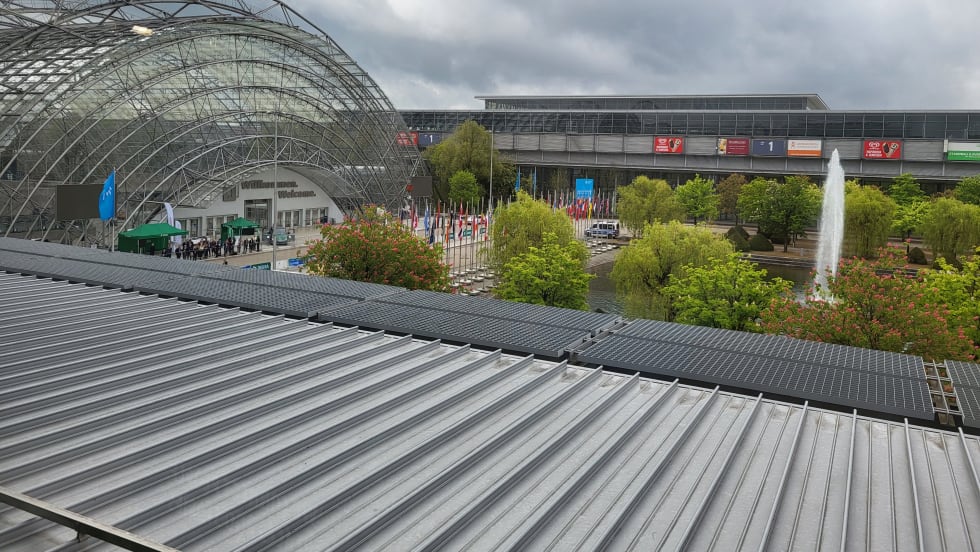
Inside ITF 2026: Transport Reacts to A Challenging World
Transport leaders from around the world gathered in Leipzig, Germany, for the 2026 International Transport Forum to discuss resilience, climate impacts, supply chains and the future of sustainable mobility.
Read More →
Every Ride Tells a Story — But You’re Not Just Selling the Ride
You’re selling the moment, the meaning, and the emotion behind it.
Read More →
How Digital Signage is Reshaping the Traveler Experience at Transportation Hubs
What was once a landscape of static signs has evolved into a responsive, immersive environment powered by real-time visual communication.
Read More →
Latest Trends in Urban Mobility from Polis Conference 2025
Polis comprises cities and regions, as well as corporate partners, from across Europe, promoting the development and implementation of sustainable mobility. This year’s event had over a thousand attendees across various policy forums and an exhibition.
Read More →
Why Transit Leaders Require Better Tools for Operational Clarity In Today’s Tech-Fragmented Environment
Across North America and beyond, transit agency officials are contending with a perfect storm of operational headaches and strategic challenges that hamper daily service and long-term progress.
Read More →
The Powerless Brokers: Why California Can’t Build Transit
It is no secret that transit in the U.S. is slow and expensive to build.
Read More →
Why Transport Sustainability Should Focus on People Instead of Cars
Simply incentivizing electrification is not enough to make a meaningful impact; we must shift our focus toward prioritizing public transportation and infrastructure.
Read More →