



Five Years Later: What’s Changed at Greyhound
Five years after Flix acquired it, Greyhound reflects on fleet modernization, operational improvements, employee empowerment, and a renewed focus on customer experience.

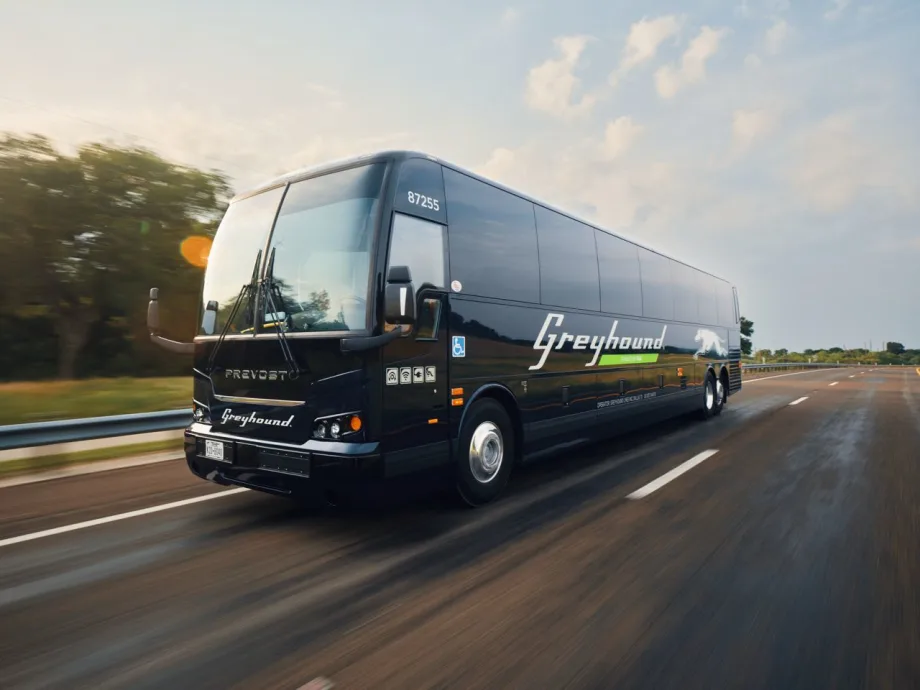
Greyhound's transformation includes more than 265 new buses expected by the end of 2026, along with a renewed focus on employee empowerment, accountability, and on-time performance.
Greyhound
- Greyhound has invested in modernizing its fleet following its acquisition by Flix.
- The company has made strides in operational efficiency and employee empowerment.
- There is a renewed emphasis on enhancing the overall customer experience.
*Summarized by AI
Running a bus operation keeps you honest. There’s really nowhere to hide from the customer or your performance results.
Every day, what we do shows up in someone’s journey. A driver gets a bus out on time. A mechanic catches something before it becomes a problem on the road. Station personnel help a passenger whose plans have changed. Most customers never know who made those things happen. They know whether their trip went well.
I’ve spent nearly 30 years at Greyhound, and I remember when we set the industry standard. I also witnessed a long period when we weren’t living up to what this company could be. That’s why the transformation that followed Greyhound’s acquisition by Flix, a European travel technology company, in October 2021 has meant so much to me personally.
At the time, we knew we had work to do. Our fleet was aging, our technology and systems needed to catch up, the business needed investment, and the industry itself was struggling. For those of us who had been at Greyhound for many years, there was no guarantee that change under the new ownership would deliver the outcome we hoped for. We had to build that confidence over time.
Building a Foundation for Change
Flix's commitment from the start was tangible and significant. Before implementing major changes, the new management took the time to understand the business, listen to employees across the organization, and work with the local team to identify where investment and operational improvements would have the greatest impact.
That groundwork helped shape the changes that followed. We began to upgrade the fleet with new buses, brought modern technology and data analytics into our operations, rebuilt systems that had fallen behind, and introduced a more seamless digital booking experience for customers. We also gave travelers something they hadn’t had before: direct, real-time communication about their journeys.
But investment was only part of this ongoing transformation. Just as important was a shift in how we worked.
What Flix brought was an entrepreneurial mindset and a genuine mandate to challenge the status quo. Just because we had done something the same way for 20 years didn’t mean we should keep doing it. We began questioning old processes, looking for better ways to work, and treating continuous improvement as part of the job rather than a separate initiative.
Empowering Employees, Improving Operations
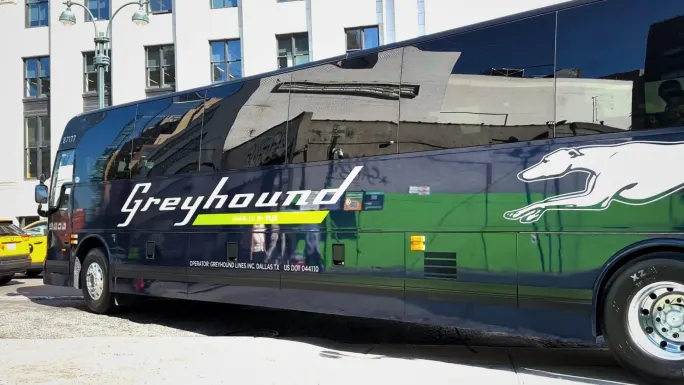
Since its acquisition by Flix in 2021, Greyhound has invested in fleet modernization, new technology, and operational improvements to enhance reliability and the customer experience.
Photo: Greyhound
That thinking extended to how we led the business. Flix operates in more than 40 countries, and I saw firsthand a willingness to trust local teams and give them the tools, information, and authority to act. Flix's management brought that same approach to Greyhound, reducing layers of hierarchy and reorganizing operations to give regional leaders across the U.S. real decision-making power and greater accountability for outcomes. This enabled local teams to make timely decisions without waiting for direction from a central command structure.
Earlier in my career, I led Greyhound's Operations Service Center, where many decisions were made centrally, and I saw firsthand the limitations of that approach. I was ready to make a change. We pushed decision-making authority throughout the organization, from area managers to drivers, mechanics, and station personnel, helping us respond faster and become more nimble.
Since embarking on this transformation journey, we have been intentional about building a culture around three principles: employee empowerment, a sense of ownership, and personal accountability.
That means giving people the authority to make decisions, encouraging them to solve problems and take responsibility for outcomes, and holding ourselves and each other to a higher standard.
These principles matter because safety, on-time performance, and customer experience depend on execution, not just plans and protocols. They shape how our teams respond in real time. A driver can identify and address issues that could affect a departure or customer experience. A garage manager looks beyond the bus in front of them to reduce road failures and address recurring problems. And when a customer's plans change or something goes wrong, station personnel focus on finding a solution, not simply pointing them to a policy or department.
Turning Investments into Results
We're seeing tangible progress. With more than 265 new buses expected to be on the road by the end of this year, we’ve reduced the average age of our fleet, dramatically improved reliability, and created a better experience for our drivers and passengers. On-time departures from originating terminals now average 95% across Greyhound, with some locations reaching 100%. More than 80% of trips arrive on schedule, on par with or better than rail and air travel. We're also expanding our network and improving service locations to better connect with local transit and other transportation modes.
We also continue to invest in our workforce. Ridership is growing, customer satisfaction is improving, and employees feel better about the work they do every day.
Keeping the Momentum Going
But what stands out to me most isn't something you'll find on a dashboard. When I visit our maintenance facilities or speak with drivers across the network, I see employees speak up with ideas, solve problems proactively, and take pride in the work they do to support our shared goal of delivering the best experience for our customers.
I can confidently say that the fire in the belly is back at Greyhound. After nearly three decades here, that part of this transformation may mean the most to me. And while we're proud of the progress we've made, we're not done. Now the work is to keep that momentum going, keep investing in our people and our operations, and keep raising the bar for our customers.
Quick Answers
Greyhound has undergone fleet modernization, updating its buses to provide more reliable and comfortable services.
*Summarized by AI
More Blog Posts
Building a Winning FTA Grant Proposal: Why Propane Autogas is the Pragmatic Choice for Fleet Resilience
With $610 million available through the FY 2026 Buses and Bus Facilities Competitive Program and the Low or No Emission Grant Program, agencies must build a compelling case before the September 21 deadline that balances environmental compliance with operational feasibility.
Read More →
Velo-city Conference 2026: Latest Trends in Cycling as Part of Urban Mobility
The global cycling conference highlighted how cities are integrating bicycles into multimodal transportation networks, expanding cycle tourism and reshaping urban mobility.
Read More →
Kindness Isn’t Soft...It’s Strategic.
Mike Bismeyer — often known as “The Kindness Guy” — has spent more than 17 years in public transit and mobility, serving in industry leadership roles, speaking across North America, and advocating for stronger workplace cultures. But his message doesn’t come from theory. It comes from lived experience.
Read More →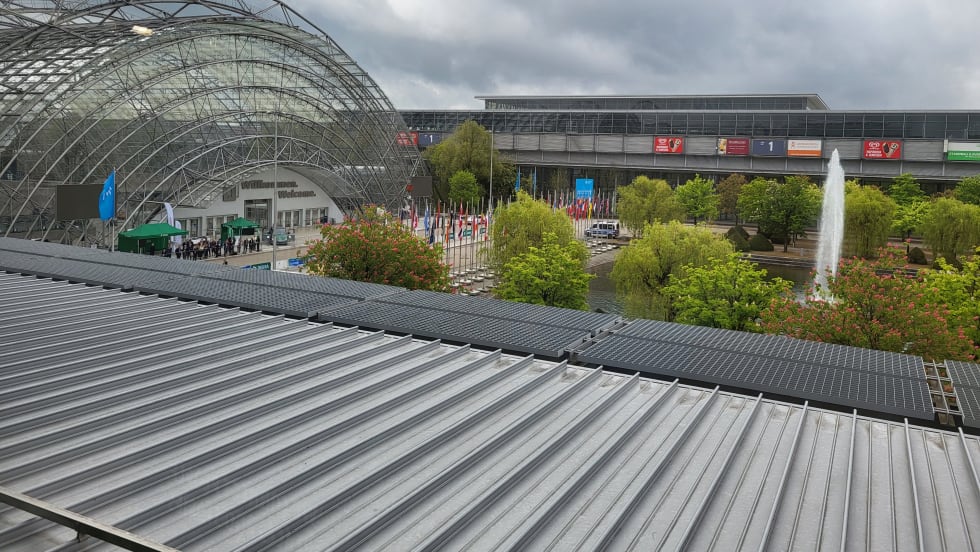
Inside ITF 2026: Transport Reacts to A Challenging World
Transport leaders from around the world gathered in Leipzig, Germany, for the 2026 International Transport Forum to discuss resilience, climate impacts, supply chains and the future of sustainable mobility.
Read More →
Every Ride Tells a Story — But You’re Not Just Selling the Ride
You’re selling the moment, the meaning, and the emotion behind it.
Read More →
How Digital Signage is Reshaping the Traveler Experience at Transportation Hubs
What was once a landscape of static signs has evolved into a responsive, immersive environment powered by real-time visual communication.
Read More →
Latest Trends in Urban Mobility from Polis Conference 2025
Polis comprises cities and regions, as well as corporate partners, from across Europe, promoting the development and implementation of sustainable mobility. This year’s event had over a thousand attendees across various policy forums and an exhibition.
Read More →
Why Transit Leaders Require Better Tools for Operational Clarity In Today’s Tech-Fragmented Environment
Across North America and beyond, transit agency officials are contending with a perfect storm of operational headaches and strategic challenges that hamper daily service and long-term progress.
Read More →
The Powerless Brokers: Why California Can’t Build Transit
It is no secret that transit in the U.S. is slow and expensive to build.
Read More →
Why Transport Sustainability Should Focus on People Instead of Cars
Simply incentivizing electrification is not enough to make a meaningful impact; we must shift our focus toward prioritizing public transportation and infrastructure.
Read More →