



Hundreds of Design-Build Projects are Being Launched to Capture Available Funding
In the last several years, the design-build method of delivery has gained traction because of greater support from new programs.
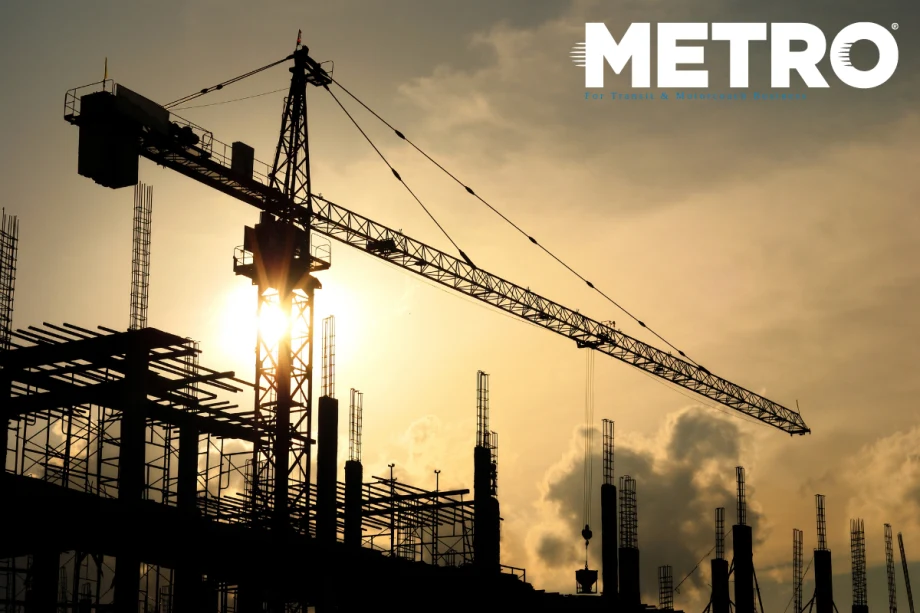
The design-build model of collaborative engagement accelerates project timelines by consolidating the design and construction phases of the project.
Photo: Canva/METRO
Project delivery methods have been debated for years. Which one is best? Which is most efficient? Which reduces risk? Which delivers a project the quickest? Some argue that infrastructure projects are delivered faster and with greater cost-effectiveness when the design-build method of delivery is used. Others disagree.
The design-build model of collaborative engagement accelerates project timelines by consolidating the design and construction phases of the project and that speeds up the process. It also allows some projects to begin before environmental review processes are completed. Another federal rule change made the delivery method even more attractive by allowing design-build contracts to receive a larger share of federal funding.
In the last several years, the design-build method of delivery has gained traction because of greater support from new programs such as the Infrastructure Investment and Jobs Act (IIJA), the American Rescue Plan Act (ARPA), and the Inflation Reduction Act (IRA). A study released in 2021 forecasted an expected 34% increase in design-build spending by 2025. Now, some states are making it easier for state environmental agencies to fast-track projects using the design-build program. Some of the upcoming projects outlined in this article are indicative of what can be expected in the next several years.
A Look at Some Projects
A $175 million student housing, health, and dining building on the Cal Poly Humboldt campus in Arcata, Calif., will be delivered through a design-build contract. Because of a nationwide housing shortage, there is a need to address the mounting housing demand quickly. The project will bring an additional 200,000 square feet of student housing, health, and dining space to the state polytechnic university campus. It will create 650 new beds for student housing and deliver a new parking facility. The project will begin the design-build procurement phase in the spring of 2023.
A South Carolina infrastructure project to replace Interstate 95 bridges over Lake Marion in South Carolina has been given a projected cost of approximately $331.5 million and it will also be delivered by a design-build engagement. The state’s Department of Transportation wants to accelerate the bridge replacement projects because of the need to form a critical connection between the counties of Clarendon and Orangeburg. Despite being constructed in 1968, the bridges currently support an average of 38,900 vehicles per day. State officials have requested approximately $160 million in federal funding for a portion of the total anticipated cost to replace the bridges.
A $982 million North Houston Highway Improvement Project will be launched in 2024. The Texas Department of Transportation (TxDOT) is supporting a faster delivery method for repair projects through the agency’s Alternative Delivery Division. In 2022, TxDOT released a forecast document that outlined planned design-build projects over the next seven years and the cumulative cost amounts to several billions of dollars in roadway repairs. A Memorandum of Understanding has been signed and this project will kickstart roadway repairs at interchanges at I-45 and I-10 in Houston.
The Colorado Department of Transportation (CODOT) published its monthly update to project bid lettings and the document highlighted the role that design-build will play in the state’s immediate future. The recent procurement forecast suggests that CODOT plans to advertise a modified design-build contract for bids on March 31, 2023. It involves the extension of a multi-use trail adjacent to US Highway 6. The trail extension will also require the rehabilitation of four existing bridges. CODOT has yet to attach a price tag to the project, but a similarly scoped segment of the trail recently entered construction with a $30 million budget.
Design-build will be the type of engagement contract Bryan County, Ga., the project will use to launch a $150 million project. The state’s Department of Transportation’s Office of Alternative Delivery is programming a slate of design-build projects to dovetail with work that has already begun on a mega-site development in Bryan County. The design-build approach will fast-track accessibility improvements around the proposed mega-site, ensuring they are delivered in time to facilitate the area’s expected increase in traffic. One project in the DOT’s design-build pipeline is a $150 million interchange improvement that involves an interchange at Interstate 16 and Old Cuyler Road. The project will directly link interstate traffic to the mega-site development.
Miami-Dade County will be the site of a $14 million effort designed to install wrong-way driving technology at ramp locations. Implementation of technology enhancements will be divided across two phases and the design-build delivery method will allow the Florida Department of Transportation to accelerate its deployment. Included will be a notification system that warns against wrong-way driving while also alerting surrounding drivers and nearby law enforcement when instances of it occur.
In South Carolina, a new design-build initiative will expedite the timelines of several other costly, corridor-spanning projects. The state transportation department plans to use design-build delivery to carry out simultaneous repairs to multiple off-system bridges. Using design-build delivery, individual bridge repair projects will be bundled into a single contract, which will be awarded in 2023. The $30 million alternative delivery project will streamline the replacement of traditionally overlooked bridges in an expedited timeline and will help state officials capitalize on the surge in federal infrastructure funding.
Project delivery models will be debated continually but design-build initiatives are receiving lots of attention at this time.
More Blog Posts
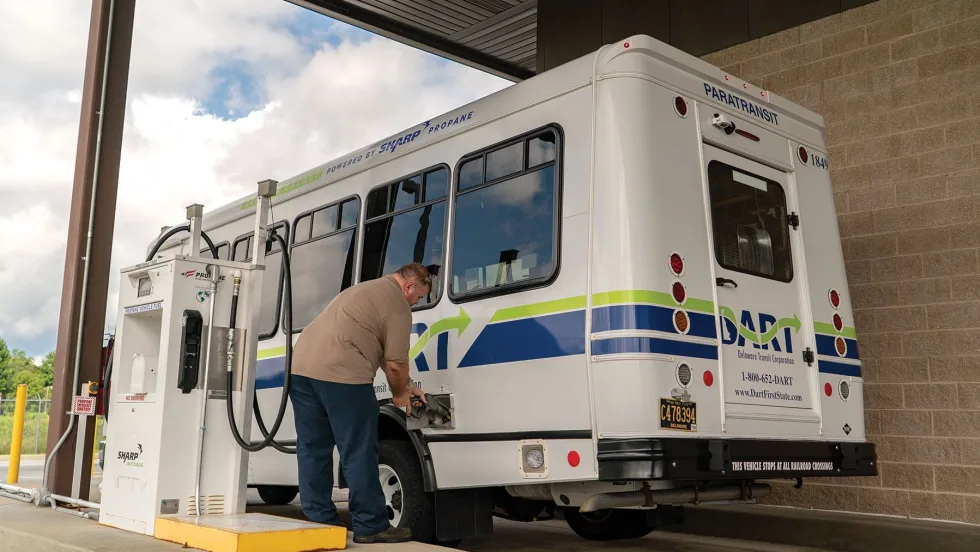
Building a Winning FTA Grant Proposal: Why Propane Autogas is the Pragmatic Choice for Fleet Resilience
With $610 million available through the FY 2026 Buses and Bus Facilities Competitive Program and the Low or No Emission Grant Program, agencies must build a compelling case before the September 21 deadline that balances environmental compliance with operational feasibility.
Read More →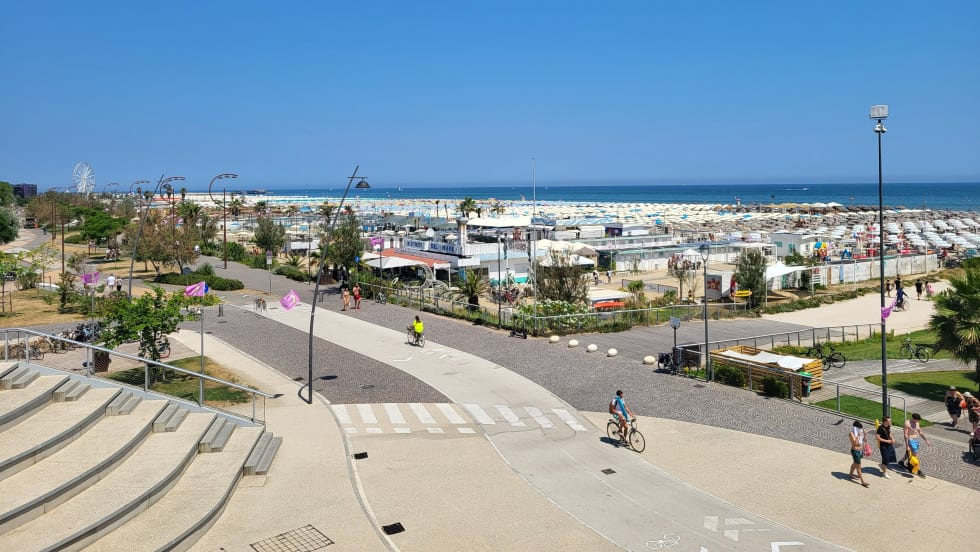
Velo-city Conference 2026: Latest Trends in Cycling as Part of Urban Mobility
The global cycling conference highlighted how cities are integrating bicycles into multimodal transportation networks, expanding cycle tourism and reshaping urban mobility.
Read More →
Kindness Isn’t Soft...It’s Strategic.
Mike Bismeyer — often known as “The Kindness Guy” — has spent more than 17 years in public transit and mobility, serving in industry leadership roles, speaking across North America, and advocating for stronger workplace cultures. But his message doesn’t come from theory. It comes from lived experience.
Read More →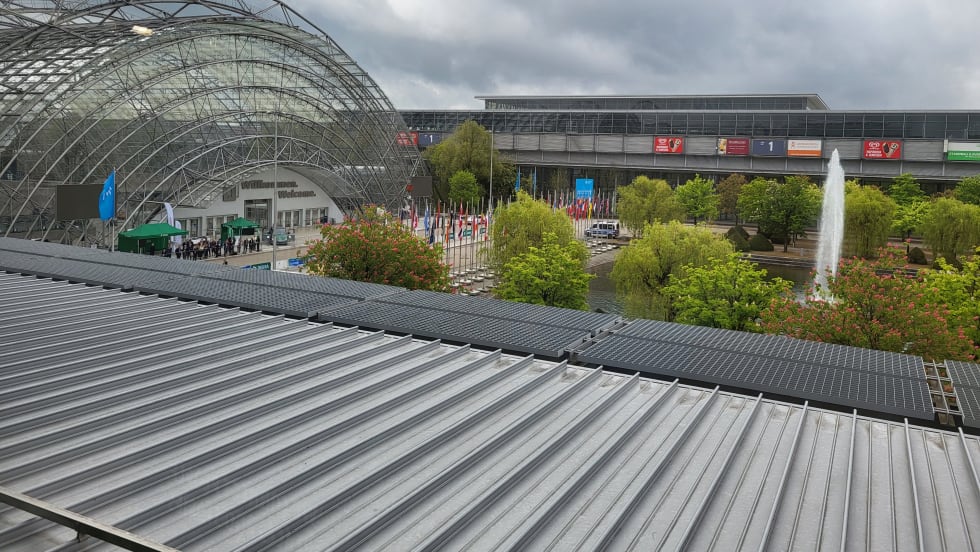
Inside ITF 2026: Transport Reacts to A Challenging World
Transport leaders from around the world gathered in Leipzig, Germany, for the 2026 International Transport Forum to discuss resilience, climate impacts, supply chains and the future of sustainable mobility.
Read More →
Every Ride Tells a Story — But You’re Not Just Selling the Ride
You’re selling the moment, the meaning, and the emotion behind it.
Read More →
How Digital Signage is Reshaping the Traveler Experience at Transportation Hubs
What was once a landscape of static signs has evolved into a responsive, immersive environment powered by real-time visual communication.
Read More →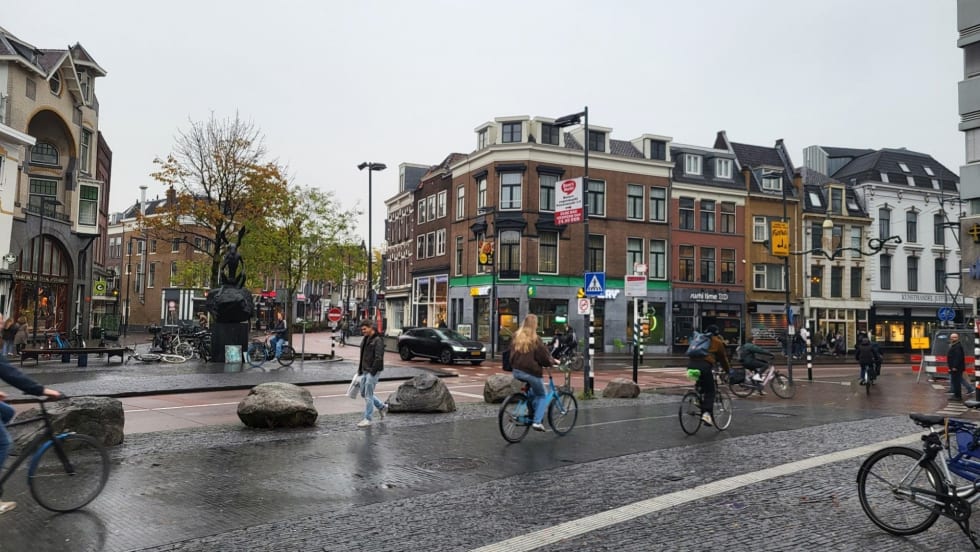
Latest Trends in Urban Mobility from Polis Conference 2025
Polis comprises cities and regions, as well as corporate partners, from across Europe, promoting the development and implementation of sustainable mobility. This year’s event had over a thousand attendees across various policy forums and an exhibition.
Read More →
Why Transit Leaders Require Better Tools for Operational Clarity In Today’s Tech-Fragmented Environment
Across North America and beyond, transit agency officials are contending with a perfect storm of operational headaches and strategic challenges that hamper daily service and long-term progress.
Read More →
The Powerless Brokers: Why California Can’t Build Transit
It is no secret that transit in the U.S. is slow and expensive to build.
Read More →
Why Transport Sustainability Should Focus on People Instead of Cars
Simply incentivizing electrification is not enough to make a meaningful impact; we must shift our focus toward prioritizing public transportation and infrastructure.
Read More →