



Hyper Growth: Dispelling the Notion of Success in Micromobility
Given that a high proportion of the start-ups in this sector have a high cash burn rate and are constantly in a VC fund raising mode, it just goes to show that growth (take as an independent KPI success factor) appears to trump all other variables when assessing the health and functionality of a business enterprise.


We really need to rethink the role of cities and how they serve as stewards for the public good.
Lime
Growth. What does it mean? To expand market share? To book as many rides? To acquire as many customers? To establish global hegemony? On top of that, how does growth translate to success? What are the Key Performance Indicators that define success, of which “growth” is a significant component? And by the way, what is “Growth versus Profitability” anyhow, and why is it so important in Silicon Valley?
Well, in the shared and micromobility domains, growth certainly does not translate to the standard business practices of financial performance and health, whether it be basic EBITDA (earnings before interest, taxes, depreciation and amortization), or the traditional financial health indicators: Liquidity, Solvency, Operating Efficiency, or Profitability.
Given that a high proportion of the start-ups in this sector have a high cash burn rate and are constantly in a VC fund raising mode, it just goes to show that growth (take as an independent KPI success factor) appears to trump all other variables when assessing the health and functionality of a business enterprise.
But why is it like this? Are startups and ventures in the mobility sector doomed for failure from the start? Is the growth model just a cover for quick schemes, designed to turn over a quick profit to the early investors and “angels?” And how sustainable is this model in the long run? How much longer can cities absorb the short-term whims of mobility ventures that rely on multiple funding rounds and series A/B/C cash infusions to stay afloat?
The answer to this once again comes back to cities. We really need to rethink the role of cities and how they serve as stewards for the public good (whether it be transport, environment, public health, safety, education, economic development, etc.). The reason for this is because cities can take a central role in determining their future and setting the policies and legal frameworks for startups and new market entrants in the shared mobility domain to financially and operationally succeed.
Given the past inability of cities to scrutinize the business models and massive VC subsidies necessary for the “launch” and “growth” of MSPs and micromobility operators, economic reality is finally settling in.
By contrast, in taking a more collaborative approach to integrating shared mobility options (as is now being successfully launched across multiple European cities), the long-term sustainability of such offers can be ensured, ultimately benefiting all stakeholders in the mobility ecosystem.
All stakeholders win when mutual partnerships are formed and cultivated between the public and private sector in shared mobility. We simply need to do a much better job of scrutinizing the business models and KPIs of startups and mobility ventures to better assess their viability in the urban ecosystem. Otherwise, we are doomed to see ever more “exits” in the sector, either through M&A, “market pivots,” or complete business shutdowns.
As cities are complex organisms, we cannot tinker with the long-term sustainability of transport and quality of life, based upon the whims of early investors. There is a better way to leverage the capital investments of Silicon Valley and China to deliver equitable mobility for our cities.
More Blog Posts
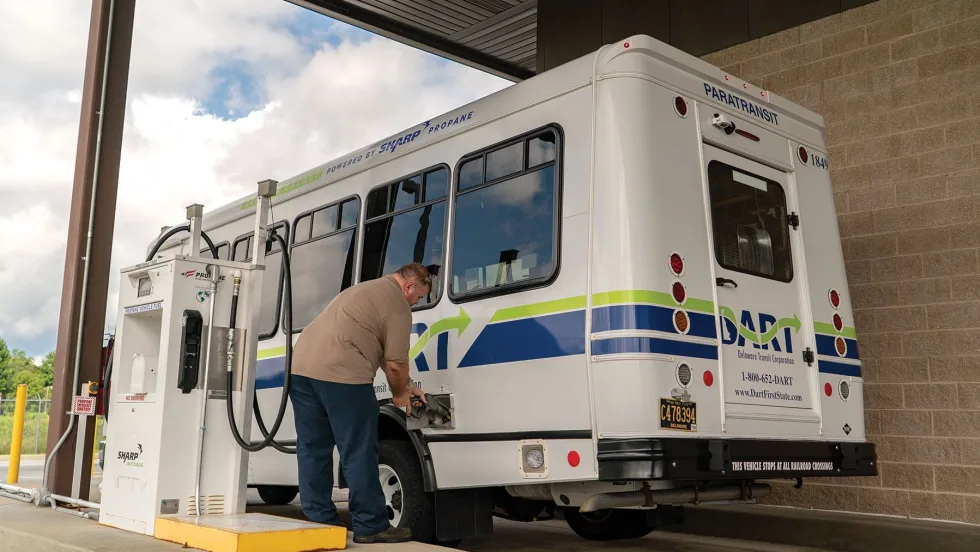
Building a Winning FTA Grant Proposal: Why Propane Autogas is the Pragmatic Choice for Fleet Resilience
With $610 million available through the FY 2026 Buses and Bus Facilities Competitive Program and the Low or No Emission Grant Program, agencies must build a compelling case before the September 21 deadline that balances environmental compliance with operational feasibility.
Read More →
Velo-city Conference 2026: Latest Trends in Cycling as Part of Urban Mobility
The global cycling conference highlighted how cities are integrating bicycles into multimodal transportation networks, expanding cycle tourism and reshaping urban mobility.
Read More →
Kindness Isn’t Soft...It’s Strategic.
Mike Bismeyer — often known as “The Kindness Guy” — has spent more than 17 years in public transit and mobility, serving in industry leadership roles, speaking across North America, and advocating for stronger workplace cultures. But his message doesn’t come from theory. It comes from lived experience.
Read More →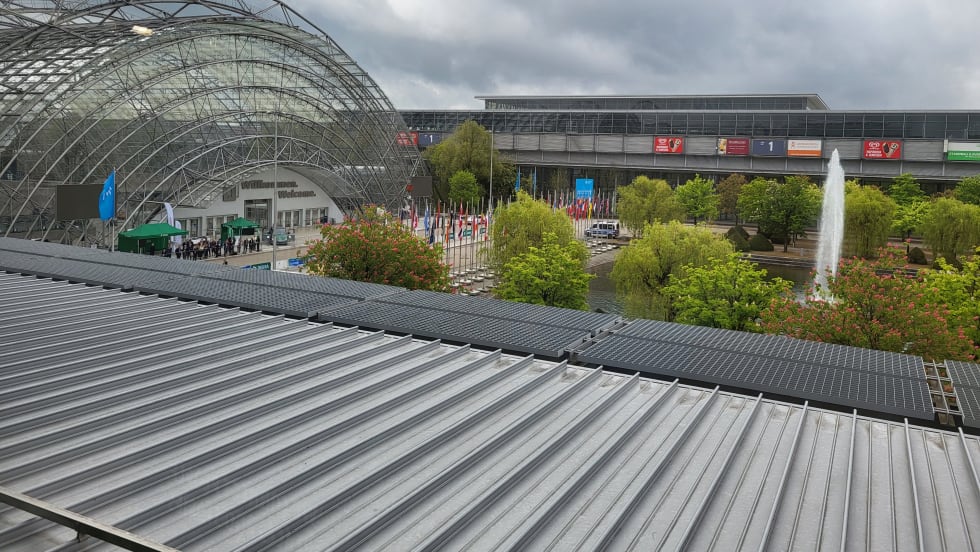
Inside ITF 2026: Transport Reacts to A Challenging World
Transport leaders from around the world gathered in Leipzig, Germany, for the 2026 International Transport Forum to discuss resilience, climate impacts, supply chains and the future of sustainable mobility.
Read More →
Every Ride Tells a Story — But You’re Not Just Selling the Ride
You’re selling the moment, the meaning, and the emotion behind it.
Read More →
How Digital Signage is Reshaping the Traveler Experience at Transportation Hubs
What was once a landscape of static signs has evolved into a responsive, immersive environment powered by real-time visual communication.
Read More →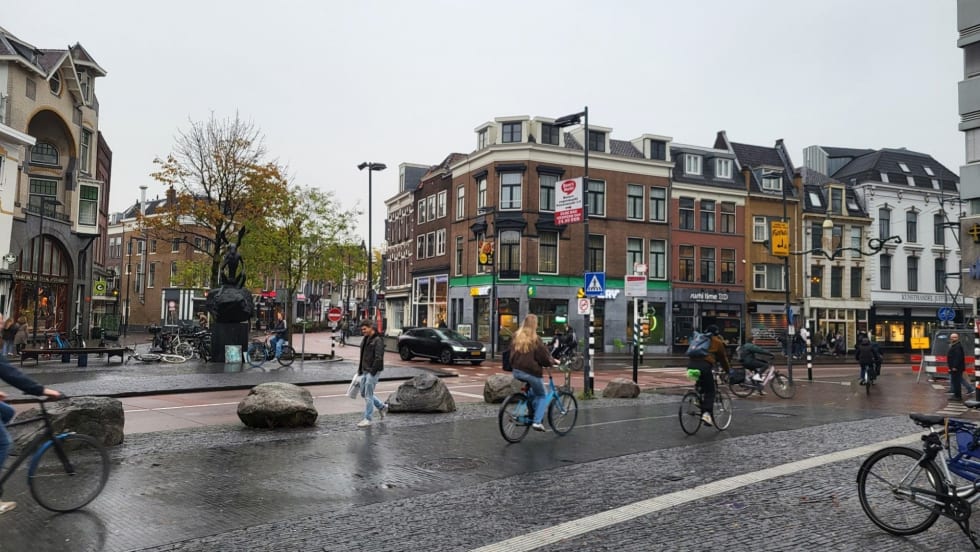
Latest Trends in Urban Mobility from Polis Conference 2025
Polis comprises cities and regions, as well as corporate partners, from across Europe, promoting the development and implementation of sustainable mobility. This year’s event had over a thousand attendees across various policy forums and an exhibition.
Read More →
Why Transit Leaders Require Better Tools for Operational Clarity In Today’s Tech-Fragmented Environment
Across North America and beyond, transit agency officials are contending with a perfect storm of operational headaches and strategic challenges that hamper daily service and long-term progress.
Read More →
The Powerless Brokers: Why California Can’t Build Transit
It is no secret that transit in the U.S. is slow and expensive to build.
Read More →
Why Transport Sustainability Should Focus on People Instead of Cars
Simply incentivizing electrification is not enough to make a meaningful impact; we must shift our focus toward prioritizing public transportation and infrastructure.
Read More →