



Influx of Federal Funds Spurring Rail Improvements Nationwide
Rail projects are being launched in states throughout the country. Much of the funding requires a focus on projects that improve safety while also enhancing and/or upgrading rail infrastructure so the projects reflect that mandate.


The much-needed rail project funding will allow public officials to reduce congestion, improve supply chain stability, and boost economic vitality.
Getty Images/jimfeng
Rail projects are being launched in states throughout the country. Much of the funding requires a focus on projects that improve safety while also enhancing and/or upgrading rail infrastructure so the projects reflect that mandate. The much-needed rail project funding will allow public officials to reduce congestion, improve supply chain stability, and boost economic vitality. It is a welcome gift in so many ways.
Historically, rail projects have required long-term planning and large capital investments, but a recent wave of federal funding has kickstarted a new generation of rail improvements and the projects are all moving faster. Earlier this month, the Federal Railroad Administration (FRA) distributed $368 million to public entities ready to launch projects with a focus on rail safety resilience and better sustainability. Projects similar to the ones outlined in this column are being announced on a weekly basis throughout the country.
In the city of Elmhurst, Illinois, design work is underway to replace an undersized train station that dates to the 1960s. It will be a complex project that features warming shelters, a pedestrian tunnel, surface parking improvements, and a reconstructed platform. There are several partners — the state’s Department of Transportation, Metra, Union Pacific, and the Pace bus agency. It carries an estimated price tag of $25 million and will go out to bid soon as construction is slated to begin in 2023.
In Connecticut, an FRA award of $13.9 million will kickstart a construction project led by the state’s Department of Transportation. An environmental review is required before preliminary engineering and final design may be completed. The current conceptual plan for the estimated $32 million project outlines construction of a 500-foot boarding platform, a utility building, waiting areas, and additional parking along with track repair and signal work.
An investment of $25 million from the federal government reached Alameda County, California, officials who will now launch the first phase of a rail safety enhancement program. While the federal funding is significant, the overall initiative carries a cost of approximately $58 million. The project will include updated signage, swing gates, and tactile strips along with sidewalk and roadway modifications. Officials had anticipated that design work would be completed this summer and construction would begin in 2023. That timeline could potentially be extended, but the project completion date is still scheduled for 2026. The project will emphasize cyclist and pedestrian safety. Alameda County has been ranked near the top of U.S. counties with most pedestrian fatalities for too many years.
In Pierce County, Washington, federal funding of $10 million will be used for engineering work and environmental review for track and signal improvements to rail lines that serve both residents and freight services. The Central Puget Sound will add a 50 percent funding match to launch the $20 million project. The goal will be to alleviate delays on a nearby passenger railway, accommodate additional Amtrak trains, and increase service reliability. The project includes additional tracks and signal enhancements.
State leaders in Indiana will add funding to a $8.4 million federal grant to launch a project that carries a cost estimate of just under $20 million. Indiana Department of Transportation officials said that the project will include improvements to a 14-mile track segment in northern Indiana and another 54-mile segment of a private railway’s tracks in addition to the installation of new rubber seal/asphalt designs to allow heavier loads over longer periods of time.
The Michigan Department of Transportation has been approved for $21.3 million for its proposed Great Lakes Corridor Improvement project. State leaders will contribute a 50% funding match for the project. The consolidated capital investment will be used to rehabilitate railway infrastructure located north of Ann Arbor. The project will include four miles of new rail infrastructure in addition to improvements on 41 existing mainline track miles. It will also include rehabilitation or replacement of 11 bridges. The improvements will reduce the occurrence of track defects, derailments, and other maintenance-related threats to safety.
The state of Kansas will modernize two rural railways with funding from the federal government and a 52.5% match from state coffers. The estimated $20 million project will replace more than 23 miles of obsolete track. The upgraded track will increase rail operating speeds from 10 to 25 mph while allowing transport of heavier loads. The project is currently in the design stage. Another rail modernization project in Kansas received $11 million in federal funding to improve rail lines between the cities of Dodge City and Hugoton.
The city of San Jose was granted $7.5 million in federal funding for preliminary engineering and environmental review related to a planned grade separation project in a high-fatality corridor trafficked by over 33,000 vehicles daily. The city will contribute a 25% funding match. The construction of grade separations will allow work on California’s High-Speed Rail Project to take place concurrently through the same site. The projects are designed to enhance the development potential of California’s new routes for intercity passenger rail service.
The federal government appears committed to fortifying and enhancing both urban and rural rail infrastructure, so funding commitments are expected to continue for several years. The task of stabilizing and upgrading America’s rail infrastructure is no small undertaking, but it is a necessary one that is long overdue. Private-sector contractors will find opportunities throughout the U.S. to partner on these types of infrastructure initiatives.
More Blog Posts
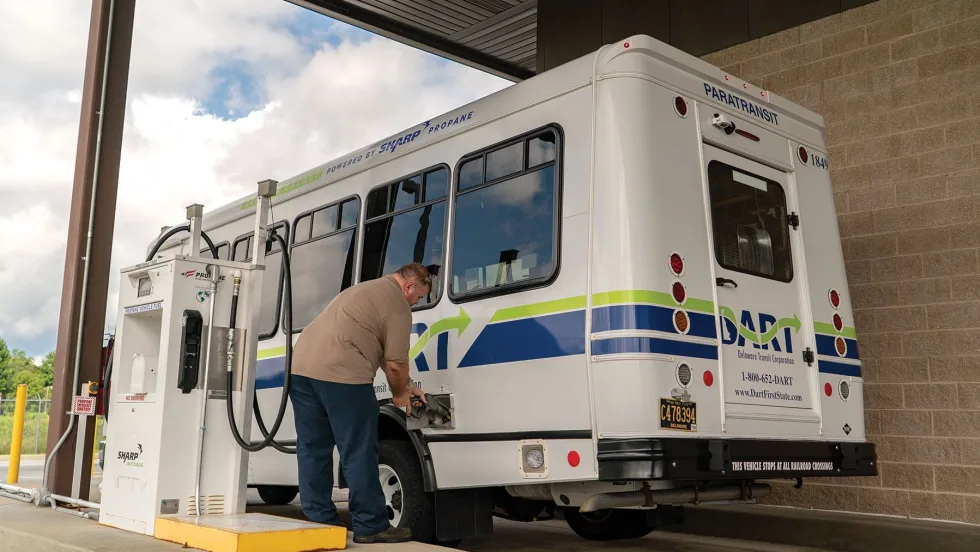
Building a Winning FTA Grant Proposal: Why Propane Autogas is the Pragmatic Choice for Fleet Resilience
With $610 million available through the FY 2026 Buses and Bus Facilities Competitive Program and the Low or No Emission Grant Program, agencies must build a compelling case before the September 21 deadline that balances environmental compliance with operational feasibility.
Read More →
Velo-city Conference 2026: Latest Trends in Cycling as Part of Urban Mobility
The global cycling conference highlighted how cities are integrating bicycles into multimodal transportation networks, expanding cycle tourism and reshaping urban mobility.
Read More →
Kindness Isn’t Soft...It’s Strategic.
Mike Bismeyer — often known as “The Kindness Guy” — has spent more than 17 years in public transit and mobility, serving in industry leadership roles, speaking across North America, and advocating for stronger workplace cultures. But his message doesn’t come from theory. It comes from lived experience.
Read More →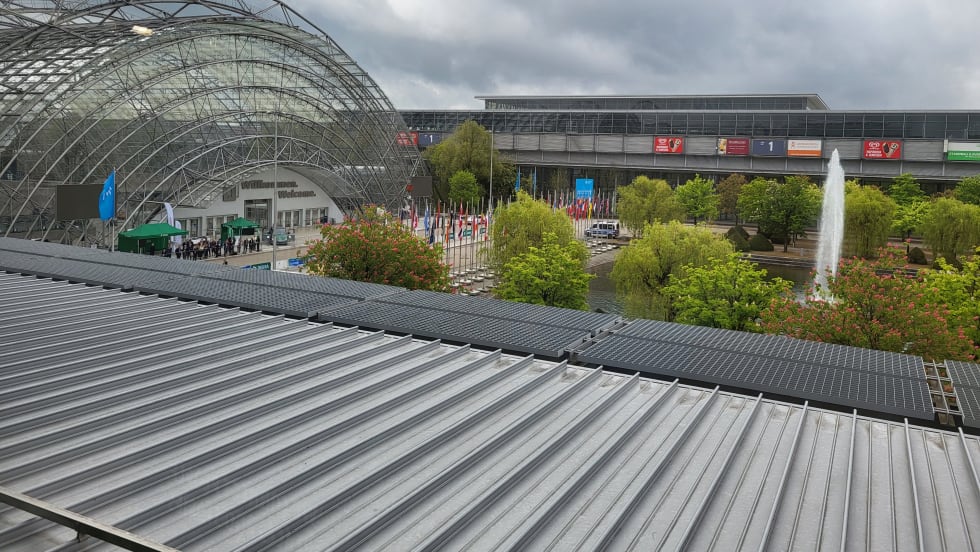
Inside ITF 2026: Transport Reacts to A Challenging World
Transport leaders from around the world gathered in Leipzig, Germany, for the 2026 International Transport Forum to discuss resilience, climate impacts, supply chains and the future of sustainable mobility.
Read More →
Every Ride Tells a Story — But You’re Not Just Selling the Ride
You’re selling the moment, the meaning, and the emotion behind it.
Read More →
How Digital Signage is Reshaping the Traveler Experience at Transportation Hubs
What was once a landscape of static signs has evolved into a responsive, immersive environment powered by real-time visual communication.
Read More →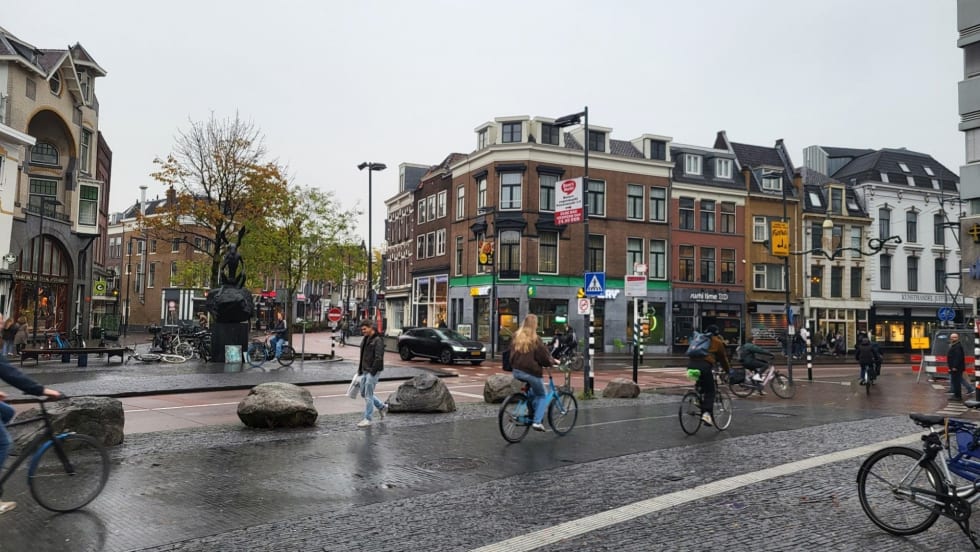
Latest Trends in Urban Mobility from Polis Conference 2025
Polis comprises cities and regions, as well as corporate partners, from across Europe, promoting the development and implementation of sustainable mobility. This year’s event had over a thousand attendees across various policy forums and an exhibition.
Read More →
Why Transit Leaders Require Better Tools for Operational Clarity In Today’s Tech-Fragmented Environment
Across North America and beyond, transit agency officials are contending with a perfect storm of operational headaches and strategic challenges that hamper daily service and long-term progress.
Read More →
The Powerless Brokers: Why California Can’t Build Transit
It is no secret that transit in the U.S. is slow and expensive to build.
Read More →
Why Transport Sustainability Should Focus on People Instead of Cars
Simply incentivizing electrification is not enough to make a meaningful impact; we must shift our focus toward prioritizing public transportation and infrastructure.
Read More →