



Introducing the Next Generation of Engineers, Architects to Careers in Transit
For many college engineering and architecture students, it’s probably a good bet that they have not given much consideration to careers in public transportation. Members of the SEPTA's Engineering, Maintenance and Construction Division have worked closely with Philadelphia-area university students to introduce them to job opportunities in the realm of mass transit.

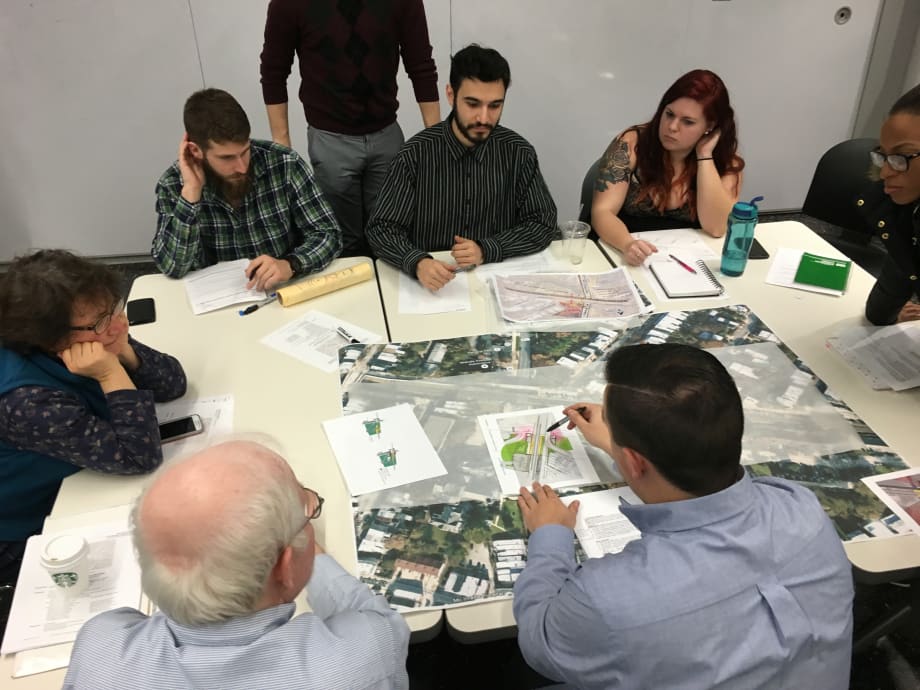
Philadelphia University students working with SEPTA officials and community members. Photo: SEPTA
Philadelphia University students working with SEPTA officials and community members. Photo: SEPTA
For many college engineering and architecture students, it’s probably a good bet that they have not given much consideration to careers in public transportation. Members of the Southeastern Pennsylvania Transportation Authority’s (SEPTA) Engineering, Maintenance and Construction (EM&C) Division have worked closely with Philadelphia-area university students to introduce them to job opportunities in the realm of mass transit. This spring, seniors at Widener and Philadelphia Universities are wrapping up concurrent projects with SEPTA.
Michael Radbill, VP of Hill International Inc. and advisor to Widener University engineering students' team six, approached SEPTA and several non-transit organizations last summer to inquiry about opportunities for his students' year-long capstone class. He wasn't sure what to expect; what he received from SEPTA Assistant GM, EM&C, Bob Lund was a list of four possible projects for his students.
“SEPTA was definitely the most responsive to my request," said Radbill. “Among the list of projects our group had to choose from was the redesign of two train stations.”
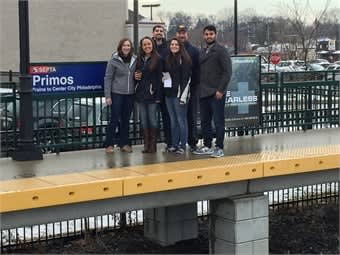
Widener students on a site visit to SEPTA’s Primos Station. Photo: SEPTA
Radbill's students selected the redesign of Marcus Hook station on SEPTA's Wilmington/Newark Regional (commuter) Rail line. The station is located south of Philadelphia, on Amtrak's Northeast Corridor. During the year-long course, Radbill’s students were charged with developing a new station building and waiting shelters; a high-boarding platform and ramping system that comply with the Americans with Disabilities Act; a low-boarding platform for access to trains loading and unloading on the inside tracks; a new parking lot; a “kiss-and-ride” area for passenger drop-offs and pick-ups; and bike racks. The team also factored stormwater management into their plan and included construction phasing and an estimated construction cost.
“This has been a great experience for the students, as they have learned about all aspects of project management and the importance of maintaining contact with the client throughout the project,” said Radbill. “They conducted site visits to develop an understanding of SEPTA construction and design standards and had to reach out to the borough for zoning regulations and to the Pennsylvania Department of Transportation for information regarding a bridge located over the tracks.”
In addition to Radbill’s group, other Widener students have spent their senior year working on two additional SEPTA-related projects: the rehabilitation of a railroad bridge on the authority’s Media/Elwyn Line near Lenni, Delaware County, Pa.; and a placing a “Wireless Sensor Unit for Monitoring Transportation Infrastructure” on SEPTA’s Lundgren Road bridge. Those projects are advised by Professor Nazieh Jilati and Dr. Xiaochao Tang, respectively, and will be among the projects presented on Widener’s campus on April 29.
At Philadelphia University, 15 architecture seniors in David Kratzer’s Design 10 Studio worked on designs of SEPTA’s East Falls Station, which is a stop on the authority’s Manayunk/Norristown Line. The catch for the College of Architecture & the Built Environment students was not only to design a station that works for today’s commuters, but one that will be functional in 2041—when the group is celebrating its 25th college reunion.
“Transit architecture is very different from commercial architecture,” said Warren Williams, a SEPTA sr. project manager who has been working closely with the Philadelphia University class. “Architects designing transit facilities need to make sure safety is the number one priority, that they are not building too close to tracks, that the site is accessible and that they are using materials that will help prevent slips and falls. Structures also need to be durable — they need to hold up for decades, not 10 to 15 years.”
Kratzer’s class invited the East Falls Development Corporation and three Philadelphia University Occupational Therapy Program students to participate in their project. “The project opened our eyes to accessibility issues for everyone, not just those that are blind, deaf or have problems with mobility,” said architecture student Allison Klingler. “People can be overwhelmed by signs and sounds. We had to take all of these factors into consideration when designing the station.”
The Philadelphia University seniors found being the “middleman” between SEPTA and the community an interesting aspect of their semester’s work. “Every profession has a unique language,” said architecture student Rachael Dautrich. “You have to be able to convey technical ideas to the public.”
The group will present their projects to fellow students, the East Falls community and SEPTA at the end of the semester.
For SEPTA, the students bring a fresh eye to engineering and architecture projects. “It’s great seeing the enthusiasm the students have for the work they are doing and they are appreciative of the access and feedback we give them,” said Lund. “It’s exciting for the authority because we are helping to shape the next generation of engineers and architects and giving them some insight into different career options. With the many construction projects SEPTA is undertaking as a result of our recent state and federal funding, we hope the students will consider one day working for us.”
Heather Redfern is the Public Information Manager for the Southeastern Pennsylvania Transportation Authority.
More Blog Posts
Building a Winning FTA Grant Proposal: Why Propane Autogas is the Pragmatic Choice for Fleet Resilience
With $610 million available through the FY 2026 Buses and Bus Facilities Competitive Program and the Low or No Emission Grant Program, agencies must build a compelling case before the September 21 deadline that balances environmental compliance with operational feasibility.
Read More →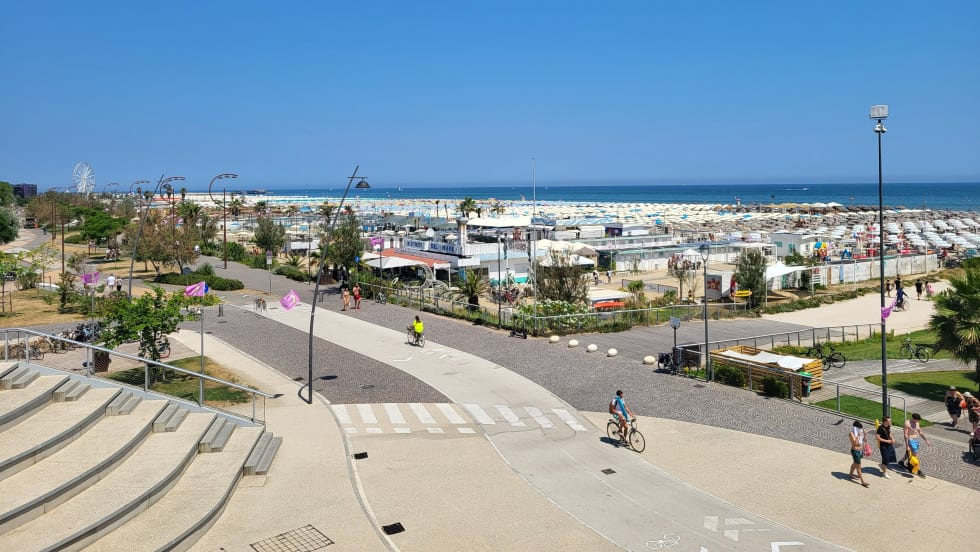
Velo-city Conference 2026: Latest Trends in Cycling as Part of Urban Mobility
The global cycling conference highlighted how cities are integrating bicycles into multimodal transportation networks, expanding cycle tourism and reshaping urban mobility.
Read More →
Kindness Isn’t Soft...It’s Strategic.
Mike Bismeyer — often known as “The Kindness Guy” — has spent more than 17 years in public transit and mobility, serving in industry leadership roles, speaking across North America, and advocating for stronger workplace cultures. But his message doesn’t come from theory. It comes from lived experience.
Read More →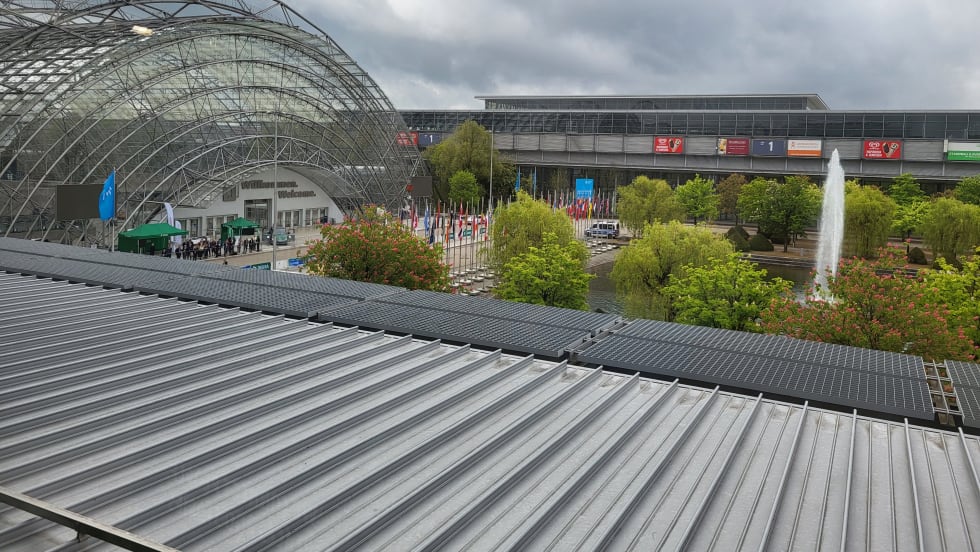
Inside ITF 2026: Transport Reacts to A Challenging World
Transport leaders from around the world gathered in Leipzig, Germany, for the 2026 International Transport Forum to discuss resilience, climate impacts, supply chains and the future of sustainable mobility.
Read More →
Every Ride Tells a Story — But You’re Not Just Selling the Ride
You’re selling the moment, the meaning, and the emotion behind it.
Read More →
How Digital Signage is Reshaping the Traveler Experience at Transportation Hubs
What was once a landscape of static signs has evolved into a responsive, immersive environment powered by real-time visual communication.
Read More →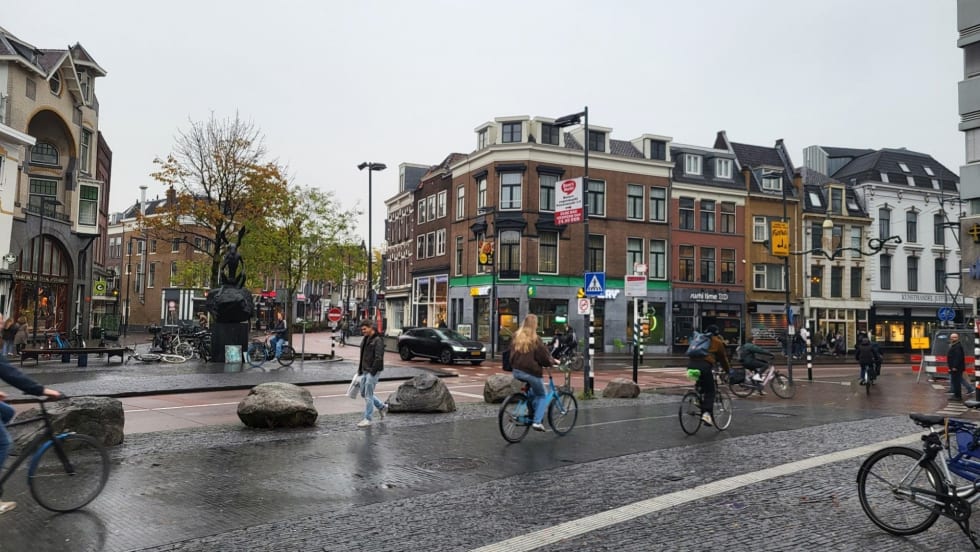
Latest Trends in Urban Mobility from Polis Conference 2025
Polis comprises cities and regions, as well as corporate partners, from across Europe, promoting the development and implementation of sustainable mobility. This year’s event had over a thousand attendees across various policy forums and an exhibition.
Read More →
Why Transit Leaders Require Better Tools for Operational Clarity In Today’s Tech-Fragmented Environment
Across North America and beyond, transit agency officials are contending with a perfect storm of operational headaches and strategic challenges that hamper daily service and long-term progress.
Read More →
The Powerless Brokers: Why California Can’t Build Transit
It is no secret that transit in the U.S. is slow and expensive to build.
Read More →
Why Transport Sustainability Should Focus on People Instead of Cars
Simply incentivizing electrification is not enough to make a meaningful impact; we must shift our focus toward prioritizing public transportation and infrastructure.
Read More →