



Mass Transit: From Unprecedented Crisis to Unprecedented Opportunity
At this pivotal moment, public transportation agencies should consider using this historic availability of funding to implement game-changing projects to get back on track while building a digital foundation for the future, and leveraging the flood of information that connected systems and processes provide.


Getty/shulz
COVID-19 has had a devastating impact on public transportation agencies with the pandemic clearing out airports, buses, rail, and subway stations. Agencies have struggled with decreases in tax revenue and ridership, forcing many to adopt a “keep the lights on” attitude toward spending.
However, the American Rescue Plan, a $1.9 trillion coronavirus aid package that was signed in March, is poised to change all that. The package includes $360 billion in direct allocations for state and local governments and transportation agencies, and $30 billion for COVID-19 emergency relief funding. This is in addition to emergency funding provided to the transit industry to the tune of $25 billion from the CARES Act, in March 2020, and the $14 billion provided through the CRRSA Act, from December 2020.
These highly flexible funds are designed to push out money quickly to stabilize and stimulate the economy. Transportation agencies have no impediments to using these funds to implement projects that boost operational efficiency, build revenue streams, promote health and safety, enhance the passenger experience, and rebuild rider confidence as we prepare for the new normal.
At this pivotal moment, public transportation agencies should consider using this historic availability of funding to implement game-changing projects to get back on track while building a digital foundation for the future, and leveraging the flood of information that connected systems and processes provide. Consider these four areas where creative thinking about new ways to use data can pay off big.
Promote Health and Safety to Restore Confidence
First and foremost, transit agencies need to rebuild passenger confidence to recover. The pandemic has forever changed notions of safety. Thermal scanning at entry gates and social distancing monitoring solutions are helping agencies mitigate the risks of COVID-19 and try to prevent further spread. Contactless travel, already growing in enthusiasm before COVID-19, is becoming a mandate from travelers checking bags without printing tags, to airplane restrooms and subway elevators which operate through voice commands, safety innovations have flourished in the past year.
Public safety will continue to be a top priority for transit agencies during the pandemic and long beyond. Deploying technologies that help not only with current pandemic-related safety, but also physical safety well into the future will be critical to investing dollars wisely.
Improve Operational Efficiency By Combining Data
There’s a significant opportunity to deploy solutions that help reduce waste, improve sustainability, and reduce costs of operations to get our transit financial houses in order. Timely and precise knowledge of occupancy rates on trains and buses can be as useful to supervisors and dispatchers as to riders. Being able to combine passenger information with data about weather and other third-party systems lets operators use predictive analytics to make changes on the fly. Routes can be revised, staffing requirements can be better predicted, or one large bus can be swapped out for two smaller ones, in response to, say, a need to reduce crowd levels at stations.
The benefits of this timely information can extend to everything from better managing fuel consumption to servicing vehicles in a more efficient way. Even managing the vehicles themselves can be improved with the right data. Solutions like predictive maintenance have been discussed for years in transit circles, but now is the perfect time to leverage the available funding to put these technologies in place to improve the reliability of their fleets, maximize on-time performance, and minimize downtime.
Combatting fare evasion is also critical to recovering revenues and ensuring financial solvency. Porto Metro in Portugal, for example is using 3D Lidar to detect fare evasion while respecting privacy. The stations use touchless payment kiosks, and the new system helps to ensure fare enforcement officers are in the right place to prevent violations and ensure passengers are paying their fair share.
Empower Passengers with Real-Time Information
Riders today have more options than ever, with alternatives like ridesharing and micromobility available for peak hours. Riders want to know not only the schedule, but the real-time occupancy of the bus or train coming next, so they can make informed decisions about the most comfortable and safest journey.
To ensure a convenient and predictable experience, and help get passengers back on board, agencies need to empower them with real-time information on space availability and changes in operation. Developing apps to provide this information opens up compelling opportunities for two-way communications. These apps can create a communication platform to deliver emergency information, planning tips, and new services to passengers.
Generate Additional Revenue by Adding Value
Providing passengers with rail or bus occupancy information opens up new possibilities beyond safety and efficiency. If a rider decides to wait for a less crowded bus that will arrive in 15 minutes, he or she could be alerted of a nearby coffee shop or restaurant — along with a coupon for a beverage.
As trains, buses, and planes move throughout and between cities, transit authorities have an opportunity to build commerce platforms that increase rider satisfaction, boost local economies, and contribute revenue to the transit authority. The rapid increase in engagement with digital technologies necessitated by the pandemic creates an opportunity to reach passengers in new ways, and provide these new services.
Now is the time for innovative thinking. Buses have long had bike racks. Why, then, couldn’t they have a storage rack to carry deliveries or overflow freight to maximize the value provided by vehicles and build new revenue streams? Such initiatives would take a rethink about how we use transit vehicles, but such ideas speak to the true purpose of mass transit. This isn’t simply about moving people from point A to point B. It’s about harmonizing the flow of the city and becoming deeply integrated into the communities transit serves.
The benefits of these data-driven systems tend to build on and complement each other. Keeping passengers connected and informed about vehicle occupancy can lead to revenue opportunities. Mobile ticketing promotes safety and reduces wait time at ticketing kiosks, enhancing the passenger experience, while reducing operational costs.
After a year of unprecedented crisis, it’s time to prepare for a period of unprecedented opportunity for transformational investment that builds a path to a better future of mobility.
More Blog Posts
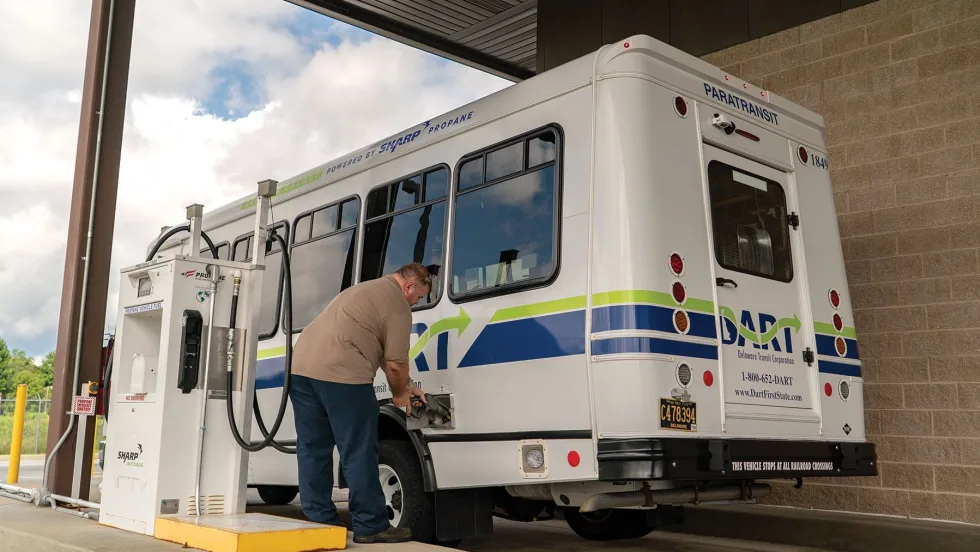
Building a Winning FTA Grant Proposal: Why Propane Autogas is the Pragmatic Choice for Fleet Resilience
With $610 million available through the FY 2026 Buses and Bus Facilities Competitive Program and the Low or No Emission Grant Program, agencies must build a compelling case before the September 21 deadline that balances environmental compliance with operational feasibility.
Read More →
Velo-city Conference 2026: Latest Trends in Cycling as Part of Urban Mobility
The global cycling conference highlighted how cities are integrating bicycles into multimodal transportation networks, expanding cycle tourism and reshaping urban mobility.
Read More →
Kindness Isn’t Soft...It’s Strategic.
Mike Bismeyer — often known as “The Kindness Guy” — has spent more than 17 years in public transit and mobility, serving in industry leadership roles, speaking across North America, and advocating for stronger workplace cultures. But his message doesn’t come from theory. It comes from lived experience.
Read More →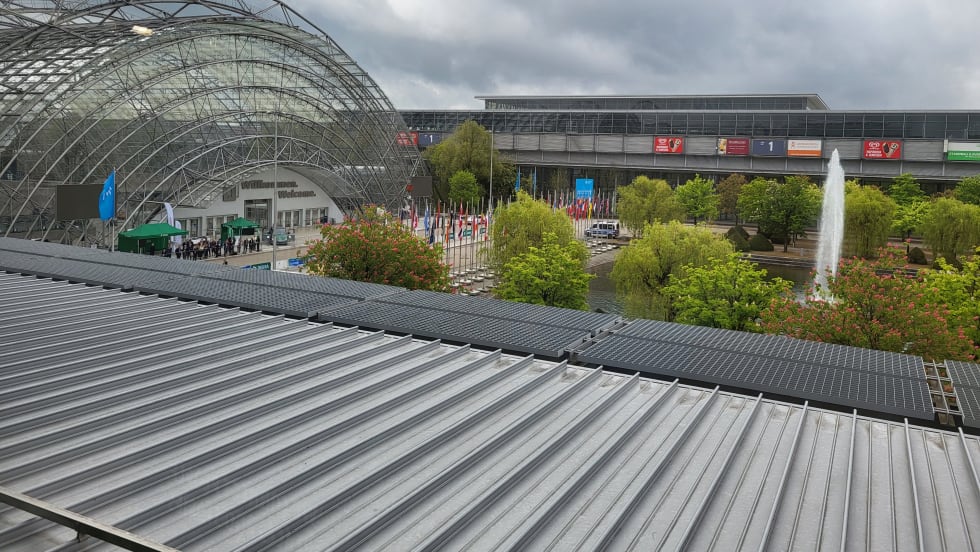
Inside ITF 2026: Transport Reacts to A Challenging World
Transport leaders from around the world gathered in Leipzig, Germany, for the 2026 International Transport Forum to discuss resilience, climate impacts, supply chains and the future of sustainable mobility.
Read More →
Every Ride Tells a Story — But You’re Not Just Selling the Ride
You’re selling the moment, the meaning, and the emotion behind it.
Read More →
How Digital Signage is Reshaping the Traveler Experience at Transportation Hubs
What was once a landscape of static signs has evolved into a responsive, immersive environment powered by real-time visual communication.
Read More →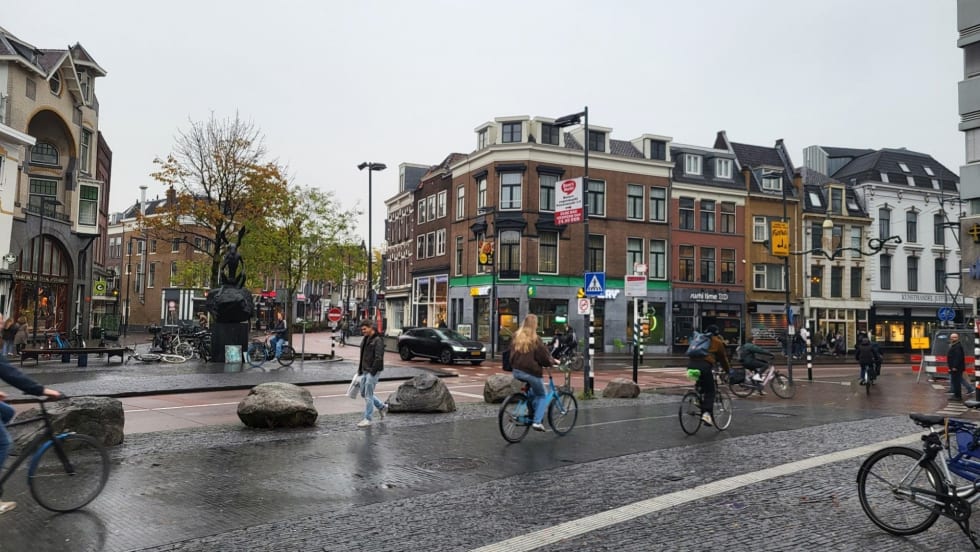
Latest Trends in Urban Mobility from Polis Conference 2025
Polis comprises cities and regions, as well as corporate partners, from across Europe, promoting the development and implementation of sustainable mobility. This year’s event had over a thousand attendees across various policy forums and an exhibition.
Read More →
Why Transit Leaders Require Better Tools for Operational Clarity In Today’s Tech-Fragmented Environment
Across North America and beyond, transit agency officials are contending with a perfect storm of operational headaches and strategic challenges that hamper daily service and long-term progress.
Read More →
The Powerless Brokers: Why California Can’t Build Transit
It is no secret that transit in the U.S. is slow and expensive to build.
Read More →
Why Transport Sustainability Should Focus on People Instead of Cars
Simply incentivizing electrification is not enough to make a meaningful impact; we must shift our focus toward prioritizing public transportation and infrastructure.
Read More →