



Mass Transit Hubs Made More Adaptable, Efficient by Top-Quality Digital Signage
In recent years, as businesses have been forced to adapt and recover in the wake of the COVID-19 pandemic, technology has been relied upon more than ever.

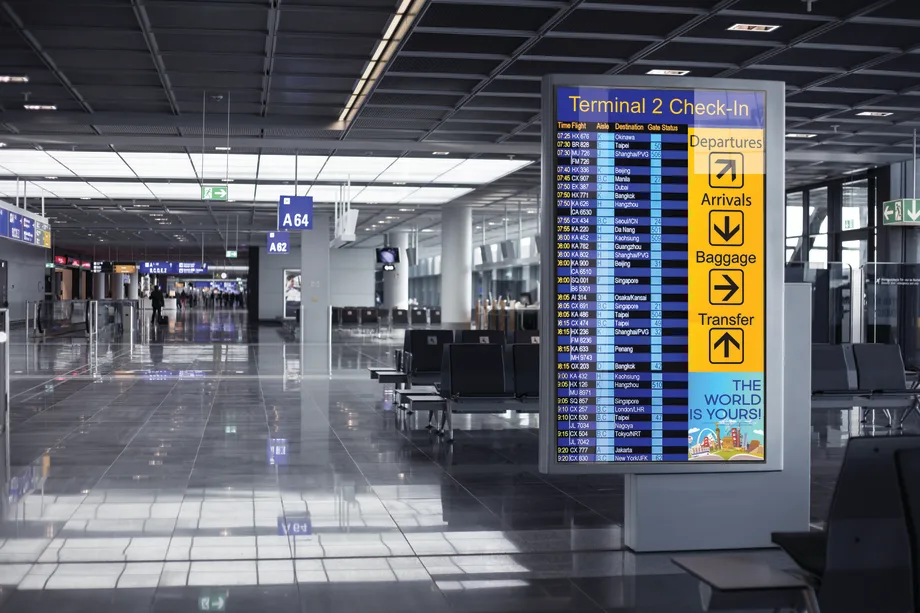
While transportation hubs do everything they can to keep travelers informed with improved communications and customer experiences, robust digital signage networks that use the latest technologies and protocols to deliver timely messages in multiple languages are an extremely attractive replacement for status signage and even existing digital displays.
LG Business Solutions USA
In recent years, as businesses have been forced to adapt and recover in the wake of the COVID-19 pandemic, technology has been relied upon more than ever. The travel industry has been influenced by these changes and modern business models have come to rely upon technology, and comprehensive digital signage networks, to provide travelers with messaging and guidance that may be subject to change.
While transportation hubs do everything they can to keep travelers informed with improved communications and customer experiences, robust digital signage networks that use the latest technologies and protocols to deliver timely messages in multiple languages are an extremely attractive replacement for status signage and even existing digital displays. As demand for these types of DVLED (direct-view light-emitting diode) displays has increased, cost has become more competitive with traditional LCD multi-panel video walls.
Elevating the Modern Customer Experience
Whether customers are trying to locate a security line, terminal, gate, or ticket stand, the process should be stress-free and easy to navigate. Wayfinding is one of the most important aspects of any transportation hub, and it can greatly impact customer experience.
Digital signage within transit hubs can be used in a multitude of ways to enhance traveler experience, acting as a multipurpose, comprehensive canvas to provide up-to-date information inside and outside. Traveling post-COVID means juggling a variety of rules and regulations in addition to the normal chaos sometimes associated with travel. Digital displays act as clear, easy to understand messaging boards to ensure travel experience is as smooth as possible.
With the help of screens and digital messaging, transportation hubs can keep travelers informed in a manner that is efficient and easy to understand. Digital messaging can be altered in real-time across an entire network of displays, enabling site operators to reduce or eliminate the need for staff to physically change static signage while providing customers with responsive information in a way that is familiar to them.
Importantly, digital signage displays have the ability to run messaging in any language, and switch languages at any time. This helps meet the needs of international travelers and provides a sense of equality among customers that have historically lacked representation. Not only is this critical for wayfinding and security information, but also decreases the risk of misunderstandings and can improve brands reputation and encourage repeat business. With DVLED technology, these benefits can be realized in transit centers of any size, exemplified by the growing number of airports and train stations using ultrawide, medium-resolution displays in walkways or security areas to highlight critical information.
The Importance of Seamless, Efficient Operations
Employing digital signage not only benefits the customer, but also greatly increases efficiency of internal operations and staff procedures. Signage helps employees operate at a high level and lowers risk of miscommunication and confusion, as DVLED displays streamline information sharing and accurate information. In the past, this may have required status signage or a large LCD display that could be viewed from far away, but makers of modern DVLEDs offer a variety of pixel pitches and price points to address specific needs while increasing display lifespan to an estimated 10 to 15 years (compared with 5 to 7 years as the industry average for LCDs).
DVLED usage also offers a range of displays that vary in size to fit large and small locations. Every display doesn’t have to be high-definition, and when operators need legibility from a far distance, larger pixel pitches enable the use of larger displays with the potential to lower costs, reduce energy usage and environmental impact, and simplify maintenance. Still, LCD displays with HD resolution still have a major role to play, as they are ideal for up-close situations and can be most useful at baggage claims and destination/arrival boards.
The most important part of any digital signage network is that all pieces are interconnected and can be easily used, maintained and updated. The latest digital display models and software products enable IT staff to control entire networks from a single interface where they can update content, check display status, cycle displays on and off, and ensure consistent operation. It’s also key for facilities to employ a manufacturer that can cover all their signage needs, so interfaces are homogenous and installation is cost effective. Large DVLED displays, in particular, can simplify installation and maintenance compared to LCD video walls that require periodic calibration and updates to maintain color and brightness consistency across multiple displays.
Satisfaction Ensured with Intelligent Design
Digital signage additions or replacements demand the same number of considerations and professional experience as any infrastructure upgrade to maximize performance, longevity, and ease of use and maintenance. Integrators should be equipped with experience and the most modern tools to get the most value out of all display investments and often have relationships with manufacturers that can provide additional insight and design support.
The use of digital displays from the same manufacturer and integrator further simplifies everyday actions such as routine maintenance, message switching, and general daily use. Eliminating cross-platform difficulties can reduce messaging delays and also supports IT staff with software that is the same for every display. Now that digital signage is being used to generate revenue from advertisers more than ever before, it’s valuable to have a combination of different-sized displays in various locations that can all be updated through the same software.
These concerns are relevant for small and mid-size airports and train stations in addition to major international hubs. Whether using five displays or 25, ease of use and implementation should be top of mind. New products such as all-in-one DVLED displays are ideal for these situations because they can be set up in less than a day. Some all-in-one displays even offer mobile cart options to provide increased flexibility to provide any kind of messaging wherever needed.
Travel and Digital Signage in Years to Come
With travel picking back up again at record speed, many expect transportation experiences to improve in the coming years. Customers require smooth, relaxed, and high-quality travel experiences, and to stay competitive businesses operating transit locations are prompted to consider cutting-edge technologies. It won’t be uncommon to see curved DLVED displays that can wrap around columns, DVLED floor panels that can be walked on, and custom shaped displays being utilized in transportation hubs globally. There is no limit to what large and small displays can be used for to impress customers, all while remaining informative and flexible. With technology and its benefits continuing to impact daily life in a variety of increasing ways, the travel industry has the unique opportunity to employ new technologies and capabilities to actively accommodate customer needs and expectations.
More Blog Posts
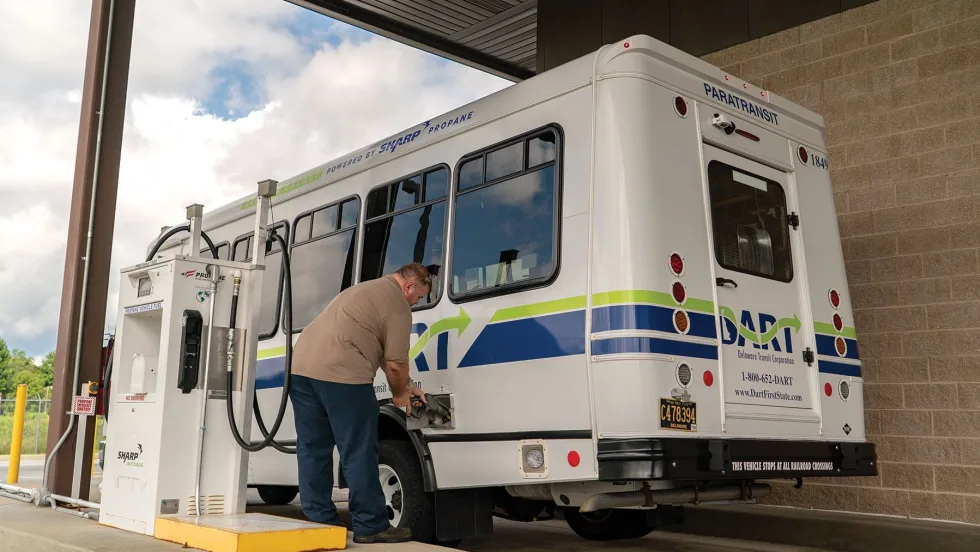
Building a Winning FTA Grant Proposal: Why Propane Autogas is the Pragmatic Choice for Fleet Resilience
With $610 million available through the FY 2026 Buses and Bus Facilities Competitive Program and the Low or No Emission Grant Program, agencies must build a compelling case before the September 21 deadline that balances environmental compliance with operational feasibility.
Read More →
Velo-city Conference 2026: Latest Trends in Cycling as Part of Urban Mobility
The global cycling conference highlighted how cities are integrating bicycles into multimodal transportation networks, expanding cycle tourism and reshaping urban mobility.
Read More →
Kindness Isn’t Soft...It’s Strategic.
Mike Bismeyer — often known as “The Kindness Guy” — has spent more than 17 years in public transit and mobility, serving in industry leadership roles, speaking across North America, and advocating for stronger workplace cultures. But his message doesn’t come from theory. It comes from lived experience.
Read More →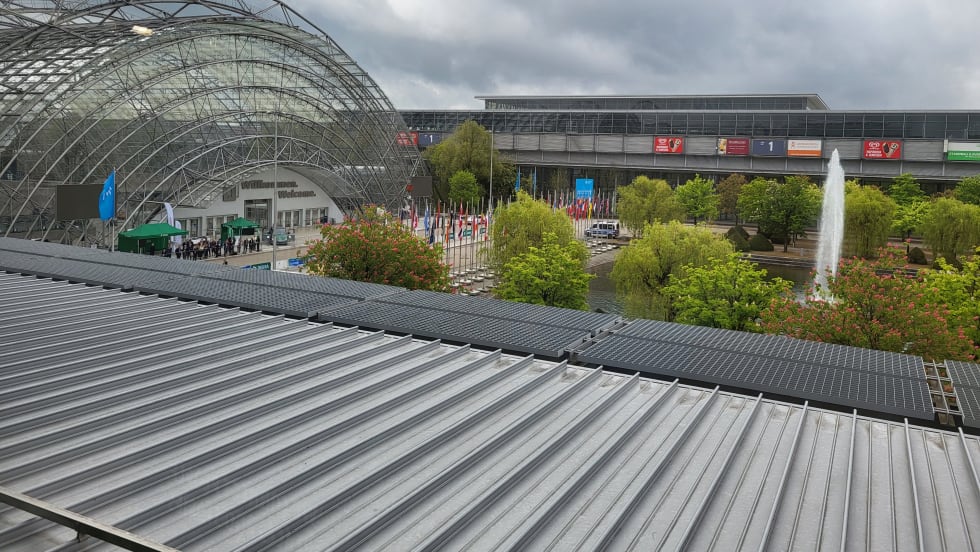
Inside ITF 2026: Transport Reacts to A Challenging World
Transport leaders from around the world gathered in Leipzig, Germany, for the 2026 International Transport Forum to discuss resilience, climate impacts, supply chains and the future of sustainable mobility.
Read More →
Every Ride Tells a Story — But You’re Not Just Selling the Ride
You’re selling the moment, the meaning, and the emotion behind it.
Read More →
How Digital Signage is Reshaping the Traveler Experience at Transportation Hubs
What was once a landscape of static signs has evolved into a responsive, immersive environment powered by real-time visual communication.
Read More →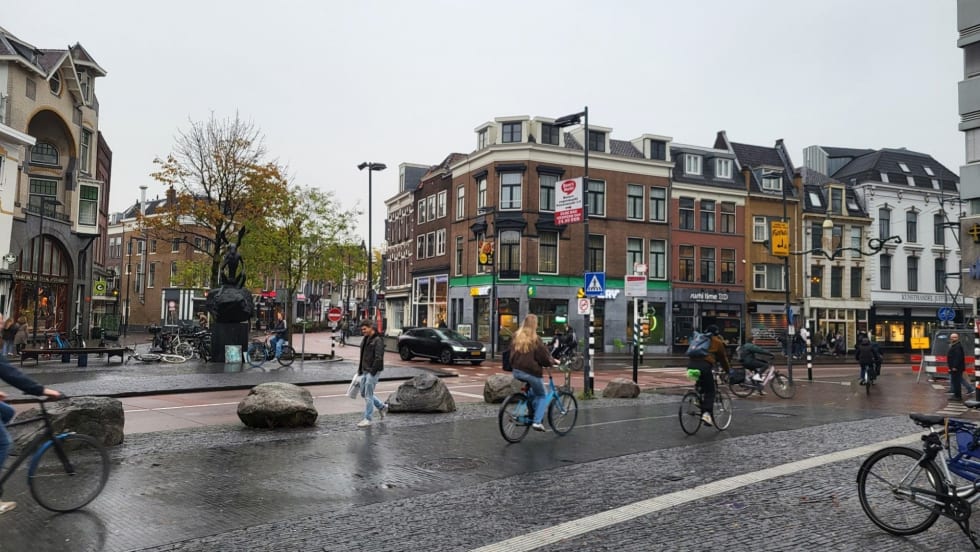
Latest Trends in Urban Mobility from Polis Conference 2025
Polis comprises cities and regions, as well as corporate partners, from across Europe, promoting the development and implementation of sustainable mobility. This year’s event had over a thousand attendees across various policy forums and an exhibition.
Read More →
Why Transit Leaders Require Better Tools for Operational Clarity In Today’s Tech-Fragmented Environment
Across North America and beyond, transit agency officials are contending with a perfect storm of operational headaches and strategic challenges that hamper daily service and long-term progress.
Read More →
The Powerless Brokers: Why California Can’t Build Transit
It is no secret that transit in the U.S. is slow and expensive to build.
Read More →
Why Transport Sustainability Should Focus on People Instead of Cars
Simply incentivizing electrification is not enough to make a meaningful impact; we must shift our focus toward prioritizing public transportation and infrastructure.
Read More →