



Mass Transit Must Integrate Data, Tech to Be Part of Mobility Landscape
Startups and legacy industries are harnessing big data to transform and revolutionize the ways their services are offered. Among the sectors sitting on the richest mines of data is public transportation, with municipalities and service providers boasting decades of data on urban transportation and mobility.


Transportation is inextricably linked to the economic growth, development, accessibility, and population growth of the world’s cities. Photo: Optibus
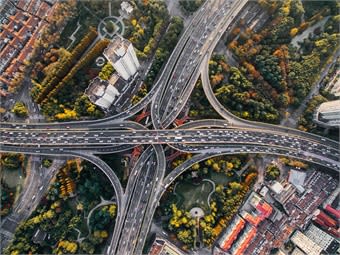
Transportation is inextricably linked to the economic growth, development, accessibility, and population growth of the world’s cities. Photo: Optibus
Advancing the shift toward the digital era is a prized commodity whose value has increased exponentially across sectors, unlocking insights and driving the most consequential decisions. That commodity, of course, is data.
Though tech giants like Google and Facebook have been the most prominent integrators (and merchants) of data, they’re hardly alone. Startups and legacy industries are harnessing big data to transform and revolutionize the ways their services are offered. Among the sectors sitting on the richest mines of data is public transportation, with municipalities and service providers boasting decades of data on urban transportation and mobility. For mass transportation to secure its place in the mobility landscape going forward, the integration of data solutions and technology is essential.
An oil mine of data
The mobility ecosystem is undergoing a rapid change. Amid increasing emphasis on mobility-as-a-service, the industry has seen unprecedented investments in recent years, with $28 billion poured into mobility and transit startups in 2017 alone. These investments are propelling autonomous vehicle technology, electric fleets, and infrastructure to transform the way people move about their cities.
Cities boast a treasure trove of data illuminating key trends in mobility. Mobile devices, CCTV cameras, public transit tickets, and more provide a wealth of information and in-depth insights about the movement of people within cities. Data about infrastructure usage is flourishing, as well — city officials are equipped with information about how many people are using different modes of transport, traffic flows and jams along roads and public transit routes, and parking spot usage. Moreover, data on the timeliness of public transit, travel time along different roads and routes, and parking availability allow cities to better understand the quality of mobility services on offer. In the age of mobility-as-a-service, this data represents powerful fuel.
Unleashing data’s potential
To facilitate efficient, consumer-centered urban mobility, city data must be open and shared. This will require a cross-stakeholder commitment to data transparency, with private mobility service operators collaborating with public agencies. For instance, Uber possesses a bank of data on mobility demand, while cellular parking companies maintain data on the demand for parking in different spots throughout cities. While the dynamics of public-private partnerships on data usage will vary from one municipality to another, cities should have ready access to mobility providers’ data. By taking possession of such data, or at least securing open access to it, city officials can optimize urban planning and make the investments and policy decisions necessary to support a mobility system that provides quality service to consumers.

A data-centric approach to mobility will enable planners to design better transit routes, dynamically adapt mass transit to demand patterns, and engage in multi-modal mobility planning. Photo: Optibus
At this critical time in which new forms of mobility are being integrated into commerce and people’s daily commutes, data optimization is particularly vital to the survival of public transportation. Sitting on decades of historical data, public transit operators hold the key to vast city insights, and the integration of data from across the mobility landscape will be a tremendous boon to transit authorities in their efforts to improve public transportation quality and preserve public transit as a viable option in an increasingly competitive mobility marketplace.
Transportation is inextricably linked to the economic growth, development, accessibility, and population growth of the world’s cities. City transit providers, then, have a vested interest in harnessing new technologies and services to meet the growing consumer demand for a point-to-point, cost-efficient, and on-time mobility experience.
Securing the future of public transportation
A data-centric approach to mobility will enable planners to design better transit routes, dynamically adapt mass transit to demand patterns, and engage in multimodal mobility planning. As cities prepare for the dawn of the autonomous age, cities that leverage data and technology will possess the actionable insights needed to help planners determine where autonomous vehicles will act as a more effective mobility option than mass transit.
Without adaptation, public transit faces extinction in the autonomous future. This is a scenario that cannot come to pass; mass transit is the only mobility form that is equipped to effectively move masses of people around cities in an affordable, environmentally friendly manner.
Fortunately, cities enjoy immense amounts of data at their disposal. By turning that data into action, they can secure the future of public transportation and fuel powerful mobility worldwide.
Amos Haggiag is the CEO and co-founder of Optibus.
More Blog Posts
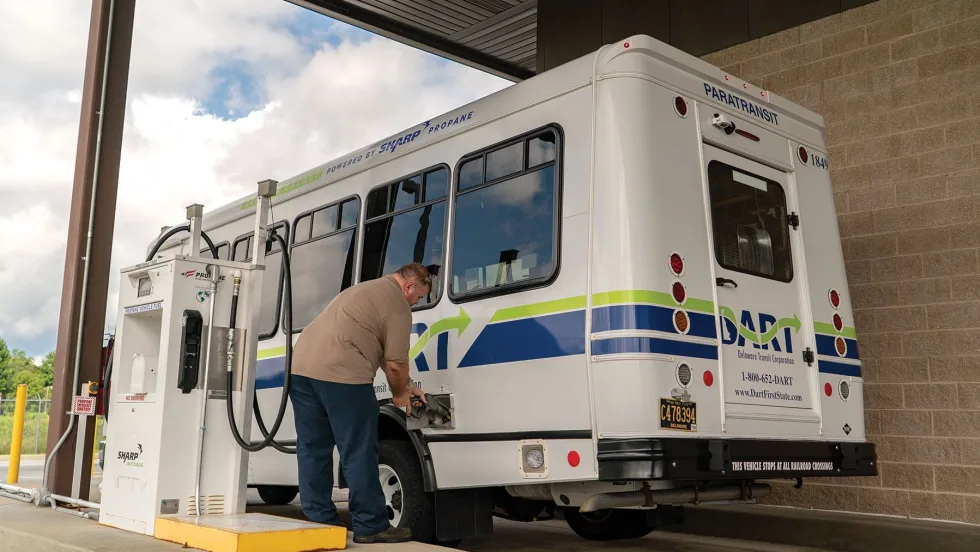
Building a Winning FTA Grant Proposal: Why Propane Autogas is the Pragmatic Choice for Fleet Resilience
With $610 million available through the FY 2026 Buses and Bus Facilities Competitive Program and the Low or No Emission Grant Program, agencies must build a compelling case before the September 21 deadline that balances environmental compliance with operational feasibility.
Read More →
Velo-city Conference 2026: Latest Trends in Cycling as Part of Urban Mobility
The global cycling conference highlighted how cities are integrating bicycles into multimodal transportation networks, expanding cycle tourism and reshaping urban mobility.
Read More →
Kindness Isn’t Soft...It’s Strategic.
Mike Bismeyer — often known as “The Kindness Guy” — has spent more than 17 years in public transit and mobility, serving in industry leadership roles, speaking across North America, and advocating for stronger workplace cultures. But his message doesn’t come from theory. It comes from lived experience.
Read More →
Inside ITF 2026: Transport Reacts to A Challenging World
Transport leaders from around the world gathered in Leipzig, Germany, for the 2026 International Transport Forum to discuss resilience, climate impacts, supply chains and the future of sustainable mobility.
Read More →
Every Ride Tells a Story — But You’re Not Just Selling the Ride
You’re selling the moment, the meaning, and the emotion behind it.
Read More →
How Digital Signage is Reshaping the Traveler Experience at Transportation Hubs
What was once a landscape of static signs has evolved into a responsive, immersive environment powered by real-time visual communication.
Read More →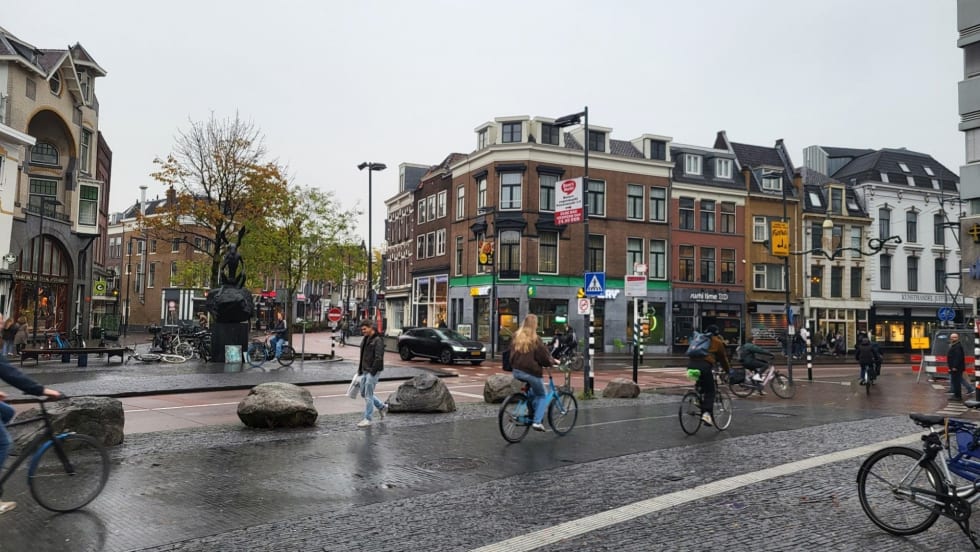
Latest Trends in Urban Mobility from Polis Conference 2025
Polis comprises cities and regions, as well as corporate partners, from across Europe, promoting the development and implementation of sustainable mobility. This year’s event had over a thousand attendees across various policy forums and an exhibition.
Read More →
Why Transit Leaders Require Better Tools for Operational Clarity In Today’s Tech-Fragmented Environment
Across North America and beyond, transit agency officials are contending with a perfect storm of operational headaches and strategic challenges that hamper daily service and long-term progress.
Read More →
The Powerless Brokers: Why California Can’t Build Transit
It is no secret that transit in the U.S. is slow and expensive to build.
Read More →
Why Transport Sustainability Should Focus on People Instead of Cars
Simply incentivizing electrification is not enough to make a meaningful impact; we must shift our focus toward prioritizing public transportation and infrastructure.
Read More →