



OCTA CEO: Educating the next generation of transportation leaders
The transportation industry faces the potential loss of significant institutional knowledge as baby boomers retire. For many of us, a greater emphasis has been placed on ensuring we prepare those who will take over to successfully lead our agencies into the future. A program started by the Orange County Chapter of the Women’s Transportation Seminar is an ideal example of this kind of effort.
With nearly 20% of our workforce currently at retirement age, the transportation industry faces the potential loss of significant institutional knowledge as baby boomers consider trading in the brief case for a golf bag.
For many of us, a greater emphasis has been placed on succession planning and ensuring we prepare those who will take over to successfully lead our agencies into the future. And not only do we need to focus on those right behind us, we also have a responsibility to inspire and educate the youngest generation entering the workforce.
A program started by the Orange County Chapter of the Women’s Transportation Seminar is an ideal example of this kind of effort. Known as the Transportation Academy, the program exposes students to aspects of the transportation field they would otherwise not have the opportunity to experience.
For those who are unfamiliar with it, the Women’s Transportation Seminar is a national professional organization that has promoted the advancement of women in the transportation industry since 1977. The Orange County Chapter, where I am a member of the advisory board and chaired in 2010, took the idea of advancing transportation careers to the next level by launching the first Transportation Academy two years ago.
The program provides an in-depth look at various aspects of the transportation industry for 25 students who range in age from high school seniors to graduate students. The participants are selected from a pool of applicants and given the opportunity to visit various transit agencies in Southern California and hear from top executives in the field.
The program has grown over the past three years to involve10 participating agencies, including major metropolitan planning organizations, port authorities, consulting firms, a toll agency, an airport authority and rail agencies.
Each organization dedicates a half day to the students, providing insight about challenges and opportunities, emergency response and business continuity plans, as well as case studies highlighting unique features of large and small projects. Many of the visits are capped off with a tour of the agency or a site visit to an active construction project.
The lessons give students a behind-the-scenes look at what goes into completing large-scale construction projects and operating and managing port complexes and airports.
The Orange County Transportation Authority has been a participating agency in the Transportation Academy since its inception and is proud to be a partner in a program that is educating and training the next generation of transportation leaders.
Generation Y will bring with them high expectations — of themselves and the organizations they represent. These young people will challenge the status quo, which in turn will bring innovation to our industry. I encourage agencies around the country to consider similar programs and would be happy to provide any information that can help.
In the end, it will be to the benefit of transportation providers and private-sector employers to teach students what to expect and how to use their skills and knowledge to be successful in the transportation industry.
In case you missed it...
Read our METRO blog, "Amid heat wave, L.A. transit center to combat global warming" here.
More Blog Posts
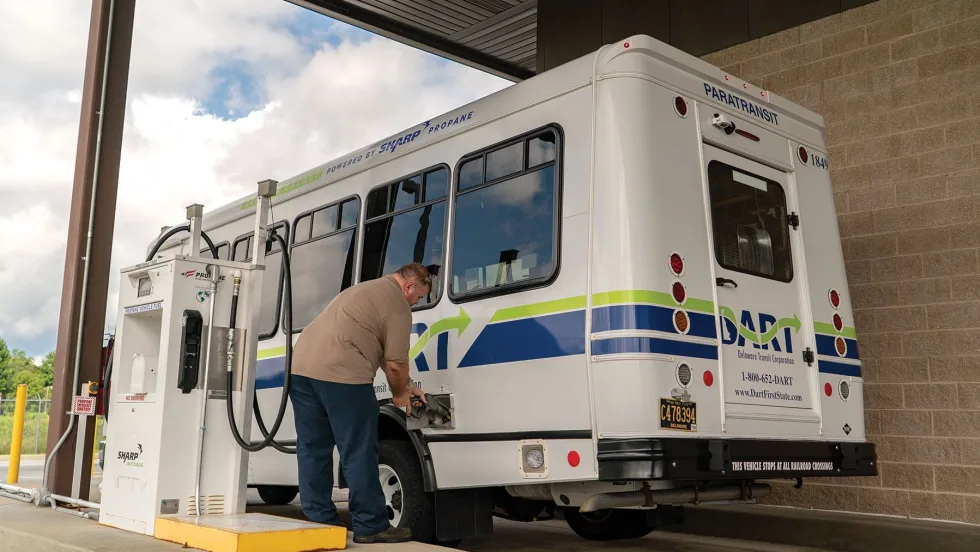
Building a Winning FTA Grant Proposal: Why Propane Autogas is the Pragmatic Choice for Fleet Resilience
With $610 million available through the FY 2026 Buses and Bus Facilities Competitive Program and the Low or No Emission Grant Program, agencies must build a compelling case before the September 21 deadline that balances environmental compliance with operational feasibility.
Read More →
Velo-city Conference 2026: Latest Trends in Cycling as Part of Urban Mobility
The global cycling conference highlighted how cities are integrating bicycles into multimodal transportation networks, expanding cycle tourism and reshaping urban mobility.
Read More →
Kindness Isn’t Soft...It’s Strategic.
Mike Bismeyer — often known as “The Kindness Guy” — has spent more than 17 years in public transit and mobility, serving in industry leadership roles, speaking across North America, and advocating for stronger workplace cultures. But his message doesn’t come from theory. It comes from lived experience.
Read More →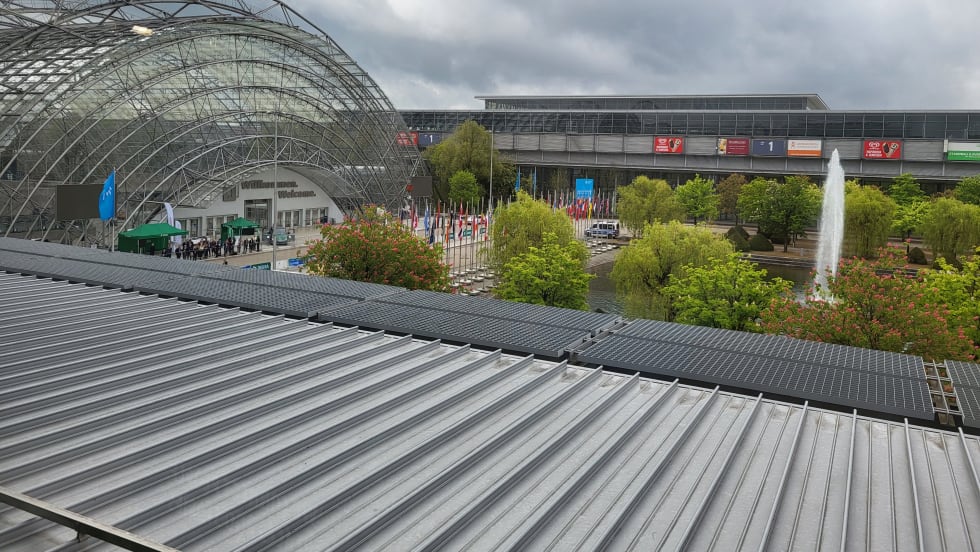
Inside ITF 2026: Transport Reacts to A Challenging World
Transport leaders from around the world gathered in Leipzig, Germany, for the 2026 International Transport Forum to discuss resilience, climate impacts, supply chains and the future of sustainable mobility.
Read More →
Every Ride Tells a Story — But You’re Not Just Selling the Ride
You’re selling the moment, the meaning, and the emotion behind it.
Read More →
How Digital Signage is Reshaping the Traveler Experience at Transportation Hubs
What was once a landscape of static signs has evolved into a responsive, immersive environment powered by real-time visual communication.
Read More →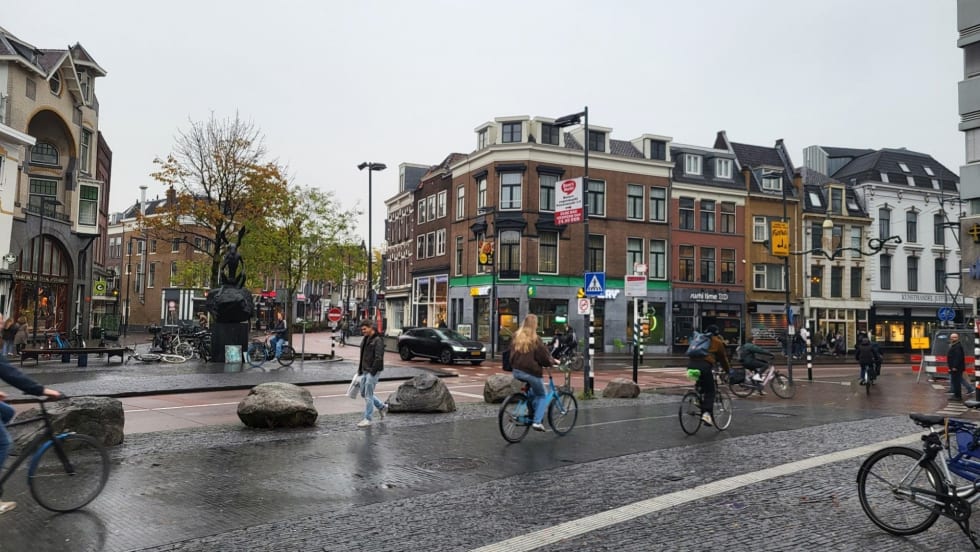
Latest Trends in Urban Mobility from Polis Conference 2025
Polis comprises cities and regions, as well as corporate partners, from across Europe, promoting the development and implementation of sustainable mobility. This year’s event had over a thousand attendees across various policy forums and an exhibition.
Read More →
Why Transit Leaders Require Better Tools for Operational Clarity In Today’s Tech-Fragmented Environment
Across North America and beyond, transit agency officials are contending with a perfect storm of operational headaches and strategic challenges that hamper daily service and long-term progress.
Read More →
The Powerless Brokers: Why California Can’t Build Transit
It is no secret that transit in the U.S. is slow and expensive to build.
Read More →
Why Transport Sustainability Should Focus on People Instead of Cars
Simply incentivizing electrification is not enough to make a meaningful impact; we must shift our focus toward prioritizing public transportation and infrastructure.
Read More →