



OCTA CEO: Looking ahead to the New Year
The agency is gearing up for a busy year, pushing to deliver projects, create and sustain jobs and advocate for legislation that will provide sustainable transportation funding.
As we close the book on 2011 at Orange County Transportation Authority (OCTA), we’re gearing up for a busy year as we push to deliver projects, create and sustain jobs and advocate for legislation that will provide sustainable transportation funding.
Here is a snapshot of what is on the radar for 2012:
1. Congress tackling a federal transportation bill:
Congress has passed numerous continuing resolutions since SAFETEA-LU expired in 2009. However, moving forward we need legislation that provides the necessary funding to take our transportation systems into the future. As our leaders in Washington consider how we are going to fund improvements over the next decade, they also must make necessary changes to stretch the limited dollars available.
Breaking Down Barriers, a national initiative led by OCTA, includes proposals that can expedite project delivery without sacrificing the environment. The proposals work together, focusing on outcomes, performance and efficiency to accelerate the creation of jobs, and in the process, save dollars. Congress needs to ensure process changes, such as those identified in the Breaking Down Barriers initiative, are included in any federal transportation bill.
2. Integrating intercity rail service:
Commuter rail in Southern California has seen consistent growth throughout the last decade. With three operators traveling the same tracks, it can be a challenge for customers to simply get from point A to B and back again. The logo on the locomotive is less important than finding the most efficient way to move people.
Each of the rail operators providing service between San Luis Obispo and San Diego has its own timetable, pricing and marketing efforts. This can lead to confusion among existing riders and discourage new riders. We are actively working with the local agencies along the rail line to attain local control of intercity rail service. This will help further our shared goals of consolidated timetables, integrated marketing efforts and development of a unified pass program to create a seamless rail system for passengers.
3. Completing a comprehensive rail safety enhancement program
Since 2009, OCTA has been working with the cities along the rail line in Orange County to enhance rail safety. The $85 million program – one of the most comprehensive nationwide – is enhancing infrastructure at 50 crossings along 42 miles of track in Orange County.
The program has a dual advantage for Orange County. Most importantly, it improves safety at the railroad crossings by upgrading warning devices, coordinating traffic signals, adding gate arms and pedestrian gates, and extending medians. The enhancements also allow cities to apply for quiet zone status with the Federal Railroad Administration, meaning trains no longer blow their horns unless in an emergency.
4. Implementing bus service changes that maximize resources:
In a county of 34 cities, with significant differences in housing density and employment centers, OCTA is exploring innovative service options to complement the diverse makeup of our county and stretch limited tax dollars further.
This coming year, we will implement pilot projects from our Transit System Study to test what works best in delivering service to each area while managing the taxpayer’s dollars more efficiently. Pilot projects could include call-n-ride, circulators serving specific communities and connecting to major transfer points and flex routes, similar to fixed-route service but buses deviate from the set schedule on request.
5. Accelerating project delivery:
OCTA is working on a plan to accelerate construction projects in the Measure M program, the local half-cent sales tax for transportation improvements.
The work will take advantage of a favorable bidding market, create more jobs and deliver on promises to voters more quickly.
Finally, I'd like to offer all you my best wishes for a safe and happy new year.
In case you missed it...
Read our METRO blog, "BRT sees success, while rail suffers assault," here.
More Blog Posts
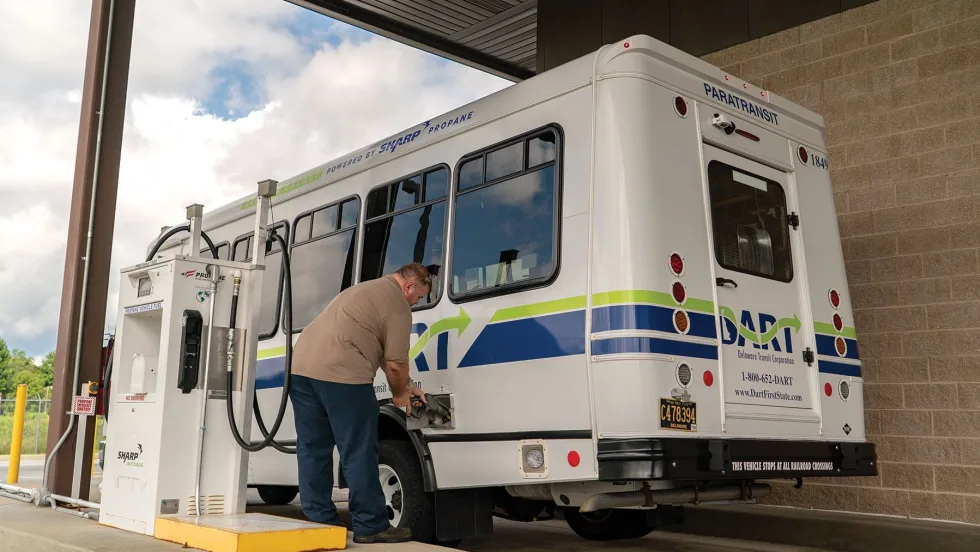
Building a Winning FTA Grant Proposal: Why Propane Autogas is the Pragmatic Choice for Fleet Resilience
With $610 million available through the FY 2026 Buses and Bus Facilities Competitive Program and the Low or No Emission Grant Program, agencies must build a compelling case before the September 21 deadline that balances environmental compliance with operational feasibility.
Read More →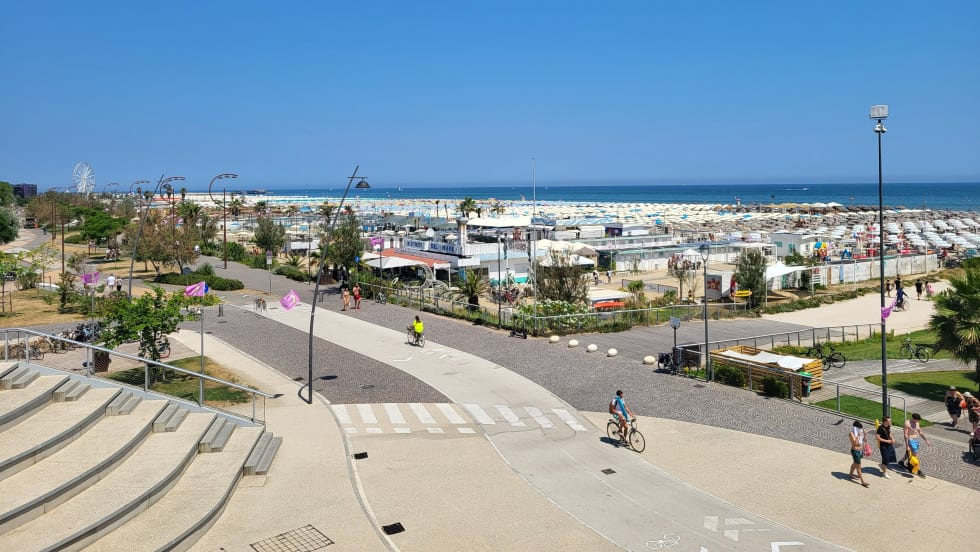
Velo-city Conference 2026: Latest Trends in Cycling as Part of Urban Mobility
The global cycling conference highlighted how cities are integrating bicycles into multimodal transportation networks, expanding cycle tourism and reshaping urban mobility.
Read More →
Kindness Isn’t Soft...It’s Strategic.
Mike Bismeyer — often known as “The Kindness Guy” — has spent more than 17 years in public transit and mobility, serving in industry leadership roles, speaking across North America, and advocating for stronger workplace cultures. But his message doesn’t come from theory. It comes from lived experience.
Read More →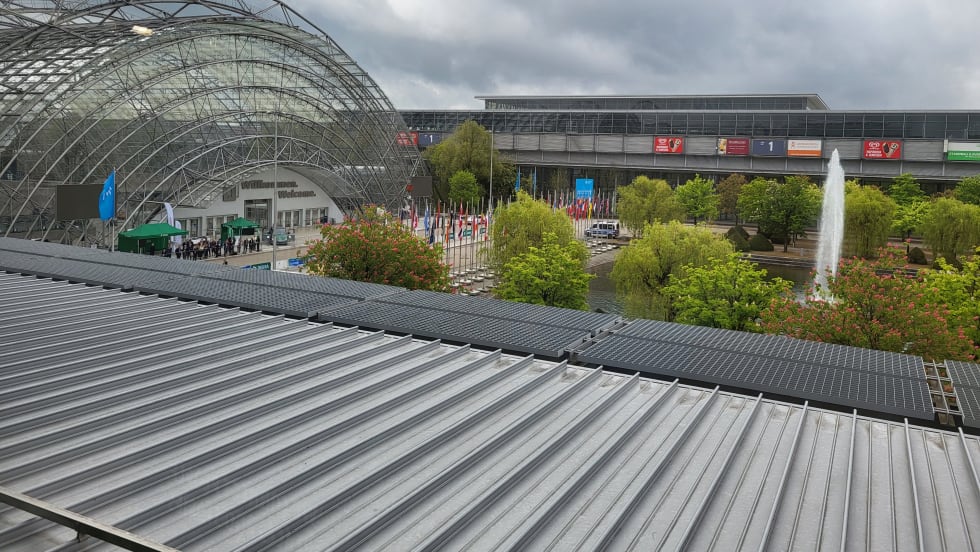
Inside ITF 2026: Transport Reacts to A Challenging World
Transport leaders from around the world gathered in Leipzig, Germany, for the 2026 International Transport Forum to discuss resilience, climate impacts, supply chains and the future of sustainable mobility.
Read More →
Every Ride Tells a Story — But You’re Not Just Selling the Ride
You’re selling the moment, the meaning, and the emotion behind it.
Read More →
How Digital Signage is Reshaping the Traveler Experience at Transportation Hubs
What was once a landscape of static signs has evolved into a responsive, immersive environment powered by real-time visual communication.
Read More →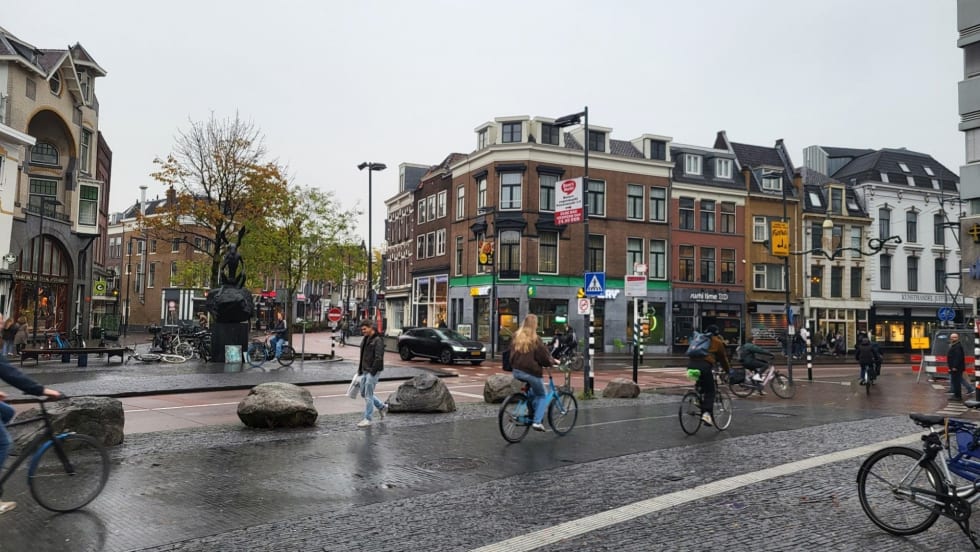
Latest Trends in Urban Mobility from Polis Conference 2025
Polis comprises cities and regions, as well as corporate partners, from across Europe, promoting the development and implementation of sustainable mobility. This year’s event had over a thousand attendees across various policy forums and an exhibition.
Read More →
Why Transit Leaders Require Better Tools for Operational Clarity In Today’s Tech-Fragmented Environment
Across North America and beyond, transit agency officials are contending with a perfect storm of operational headaches and strategic challenges that hamper daily service and long-term progress.
Read More →
The Powerless Brokers: Why California Can’t Build Transit
It is no secret that transit in the U.S. is slow and expensive to build.
Read More →
Why Transport Sustainability Should Focus on People Instead of Cars
Simply incentivizing electrification is not enough to make a meaningful impact; we must shift our focus toward prioritizing public transportation and infrastructure.
Read More →