



OCTA CEO: Sales tax program delivers success to voters and transit
Orange County Transportation Authority delivered on its promise to voters, through Measure M, to reduce freeway congestion, improve local streets and invest in transit. March 31 marks the final day that the half-cent sales tax will be collected to go toward Measure M. It represents the sunset of a successful program that has helped keep this county moving with more than $4 billion invested in transportation improvements.
Twenty years ago, the Orange County Transportation Authority (OCTA) made a promise to voters, a promise to reduce congestion on our freeways, improve our local streets and invest in our transit system. Called Measure M, voters approved adding a half-cent to the county sales tax to fund a slate of transportation projects.
Since 1990, the county has added more than 700,000 residents and 250,000 jobs. As a result of Measure M, OCTA has been able to manage that growth through upgrades to the county’s transportation infrastructure.
March 31 marks the final day that the half-cent sales tax will be collected to go toward Measure M. It represents the sunset of a successful program that has helped keep this county moving with more than $4 billion invested in transportation improvements.
Out of California’s 58 counties, Orange County is one of 19 in which residents have voted to tax themselves for improved freeways, streets, and rail and bus systems. Local sales tax measures now account for 60 percent of transportation funding in the state. Over the life of these local sales taxes, they will generate an estimated $140 billion statewide.
Because OCTA successfully delivered projects as promised, the voters of Orange County once again entrusted the agency with their tax dollars by renewing Measure M in 2006. To that end, on April 1, 2011 the first half-cent of what is estimated to be $15 billion over the next 30 years will be collected for Measure M2. A seamless transition will take place between the two programs.
The end of Measure M is a time to celebrate significant accomplishments and a successful partnership with Caltrans, Orange County’s 34 cities and the private engineering and construction sectors. More than 1,000 Measure M projects have been completed. A 2009 report on congestion management determined that traffic had improved 10 percent since 1992, despite a 32 percent population increase in that same time period.
As approved by voters, Measure M revenue was divided into three general categories with 43 percent for freeways, 32 percent to local streets and roads, and 25 percent to transit. In dollars, that has translated into $1.75 billion for freeway projects, $1.3 billion for streets and roads projects, and $1 billion for improved transit.
Because of the significant investment in transit, more than four million passengers a year now take Metrolink in Orange County. On a daily basis, the trains remove the equivalent of one lane of traffic from the Santa Ana Freeway (I-5) during rush hour.
Other accomplishments of the Measure M program include:
• 192 freeway lane miles added
• 170 intersections and 38 freeway interchanges improved
• $600 million provided to local agencies for improvements
• Metrolink commuter-rail service implemented in Orange County
• Transit fares stabilized for seniors and people with disabilities
As our county continues to grow, so does our need for ongoing congestion management solutions. This is vital to our county’s economic well-being and our residents’ quality of life. The renewed Measure M program will carry on the tradition of Measure M and serve to improve our freeways, streets and railways for the next generation of Orange County residents.
In case you missed it...
Read our METRO blog, "What is best for motorcoach safety: Science or politics?" here.
More Blog Posts
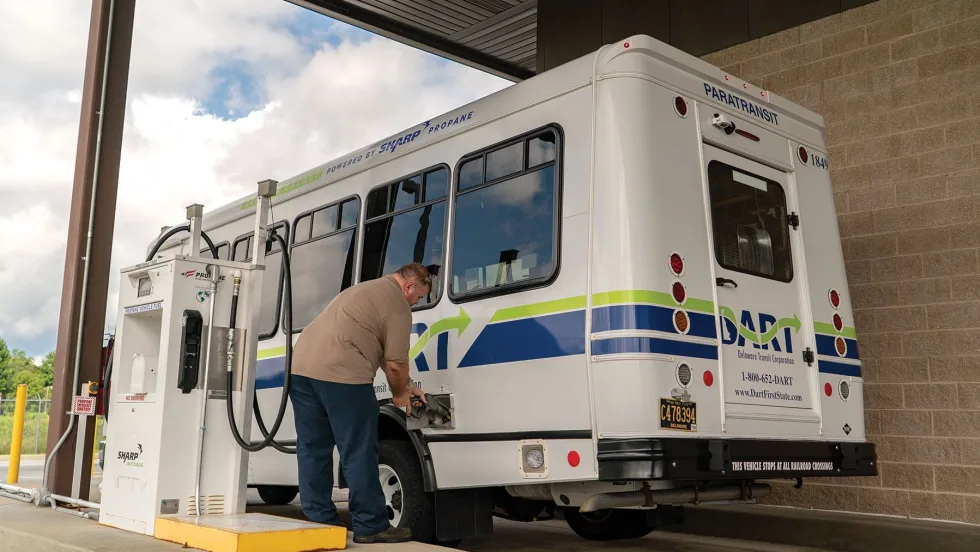
Building a Winning FTA Grant Proposal: Why Propane Autogas is the Pragmatic Choice for Fleet Resilience
With $610 million available through the FY 2026 Buses and Bus Facilities Competitive Program and the Low or No Emission Grant Program, agencies must build a compelling case before the September 21 deadline that balances environmental compliance with operational feasibility.
Read More →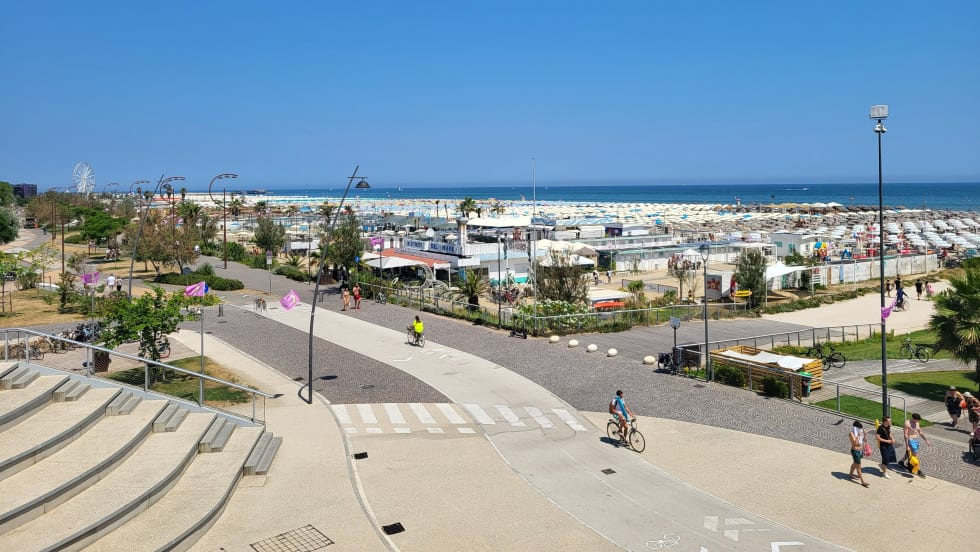
Velo-city Conference 2026: Latest Trends in Cycling as Part of Urban Mobility
The global cycling conference highlighted how cities are integrating bicycles into multimodal transportation networks, expanding cycle tourism and reshaping urban mobility.
Read More →
Kindness Isn’t Soft...It’s Strategic.
Mike Bismeyer — often known as “The Kindness Guy” — has spent more than 17 years in public transit and mobility, serving in industry leadership roles, speaking across North America, and advocating for stronger workplace cultures. But his message doesn’t come from theory. It comes from lived experience.
Read More →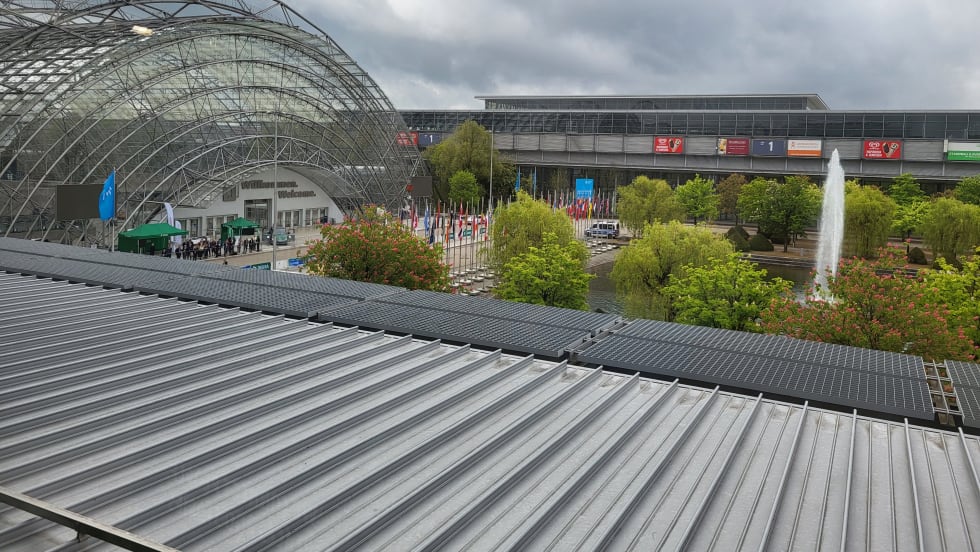
Inside ITF 2026: Transport Reacts to A Challenging World
Transport leaders from around the world gathered in Leipzig, Germany, for the 2026 International Transport Forum to discuss resilience, climate impacts, supply chains and the future of sustainable mobility.
Read More →
Every Ride Tells a Story — But You’re Not Just Selling the Ride
You’re selling the moment, the meaning, and the emotion behind it.
Read More →
How Digital Signage is Reshaping the Traveler Experience at Transportation Hubs
What was once a landscape of static signs has evolved into a responsive, immersive environment powered by real-time visual communication.
Read More →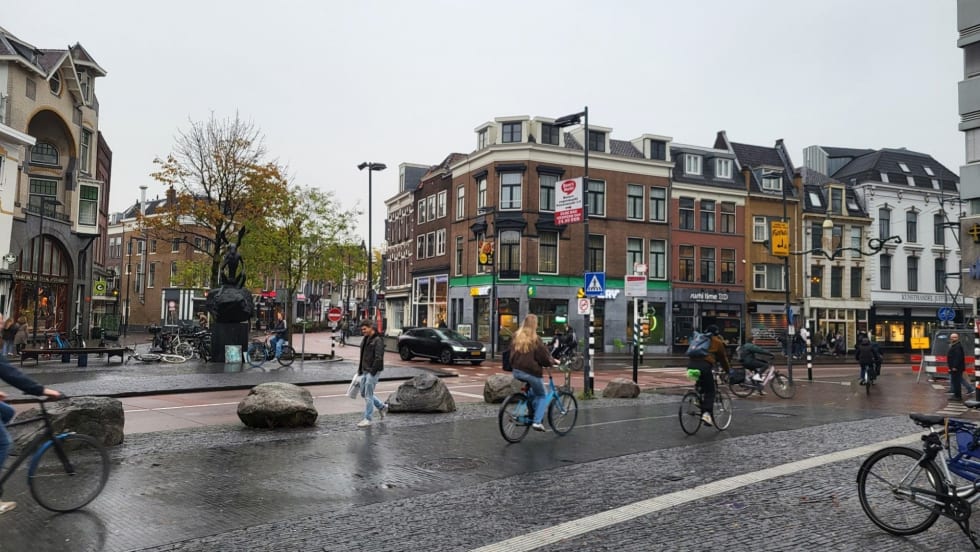
Latest Trends in Urban Mobility from Polis Conference 2025
Polis comprises cities and regions, as well as corporate partners, from across Europe, promoting the development and implementation of sustainable mobility. This year’s event had over a thousand attendees across various policy forums and an exhibition.
Read More →
Why Transit Leaders Require Better Tools for Operational Clarity In Today’s Tech-Fragmented Environment
Across North America and beyond, transit agency officials are contending with a perfect storm of operational headaches and strategic challenges that hamper daily service and long-term progress.
Read More →
The Powerless Brokers: Why California Can’t Build Transit
It is no secret that transit in the U.S. is slow and expensive to build.
Read More →
Why Transport Sustainability Should Focus on People Instead of Cars
Simply incentivizing electrification is not enough to make a meaningful impact; we must shift our focus toward prioritizing public transportation and infrastructure.
Read More →