



Passenger Etiquette: Taking Rudeness Out of the Ride
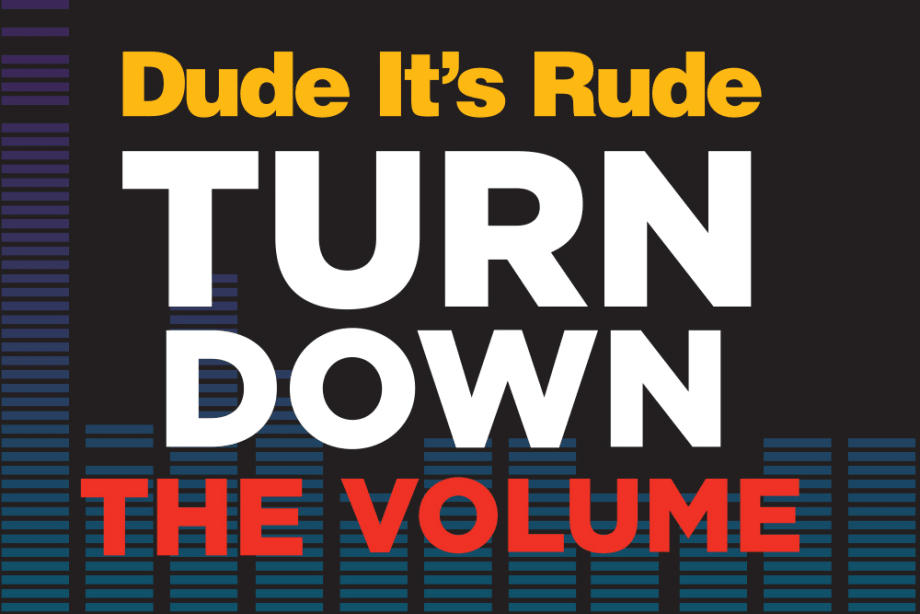
We’ve all been there — stuck behind the bus rider “oversharing” his or her phone conversation or next to the person who thinks a subway smorgasbord is a great idea. How does one handle unacceptable behaviors that seem to have become the norm? In September 2014, the Southeastern Pennsylvania Transportation Authority (SEPTA) introduced “Dude It’s Rude,” a direct message campaign that addresses passenger etiquette and quality of ride issues on all SEPTA vehicles.

SEPTA
SEPTA
We’ve all been there — stuck behind the bus rider “oversharing” his or her phone conversation or next to the person who thinks a subway smorgasbord is a great idea. How does one handle unacceptable behaviors that seem to have become the norm?
In September 2014, the Southeastern Pennsylvania Transportation Authority (SEPTA) introduced “Dude It’s Rude,” a direct message campaign that addresses passenger etiquette and quality of ride issues on all SEPTA vehicles. “It’s passenger etiquette with a kick,” said Nilda Rivera-Frazier, SEPTA’s assistant director of customer service. “The campaign was developed to be impactful — there are no cartoon characters or SEPTA logos. This way we are emphasizing the behavior.”

SEPTA
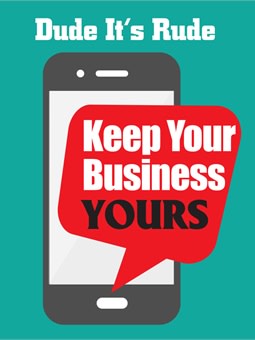
With messages such as “You Have Earbuds for a Reason,” “Two Seats-Really?” and “Keep Your Business Yours,” ads for the campaign are featured on car cards, decals and digital displays on SEPTA’s trains, buses and trolleys and on schedule timetables. All messages are prefaced with the “Dude It’s Rude…” tagline.
“Many of the behaviors in the ads, such as blocking aisles, carrying on loud phone conversations and taking an extra seat, are those that our customers and employees have complained about,” said Rivera-Frazier. “We look for places on the vehicles where customers will definitely see the messages.” For example, on SEPTA’s Market-Frankford subway-elevated line, “Dude It’s Rude” decals are placed on car windows.
SEPTA had launched a passenger etiquette campaign in 2011, one that took a lighter approach with cartoon-like characters demonstrating bad behaviors. “The messages were too soft and we didn’t see a change in customer behavior,” said Rivera-Frazier. “We needed something edgy, more ‘in-your-face.’”
SEPTA
The initial customer response to ‘Dude It’s Rude” was generally positive. “We knew the campaign would seem a little too aggressive for some riders, but comments we received through social media and other customer service channels showed that most of our passengers appreciated that we were addressing issues that can make their commutes unpleasant,” said Rivera-Frazier. ”We continue to receive suggestions from customers on future campaign messages.”
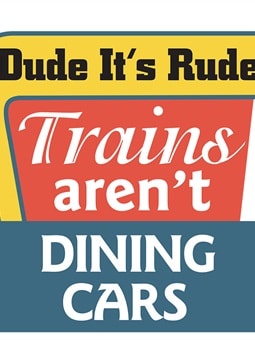
The second phase of “Dude It’s Rude” was rolled out in June 2015 and included messages such as “Trolleys Aren’t Diners” to remind passengers that a trolley car probably isn’t the best place to enjoy a meal. The program will continue with a third phase in the near future.
Transit agencies across the country have launched transit etiquette programs similar to “Dude It’s Rude” including Chicago Transit Authority (‘Your Maid Doesn’t Work Here”, “You’re Not the CTA’s DJ); Metropolitan Transportation Authority (‘Dude…Stop the Spread, Please”, “Poles Are For Safety, Not Your Latest Routine”) and Golden Gate Transit (“Local Pride — Respect Your Ride”).
SEPTA
“We have been approached by other organizations about ‘Dude It’s Rude,’ which is flattering” said Rivera-Frazier. “I think all of these campaigns, as well as the interest in SEPTA’s program, demonstrates that etiquette issues are important for all transit authorities and that we are all working hard to make the commute enjoyable for everyone on board.”
More Blog Posts
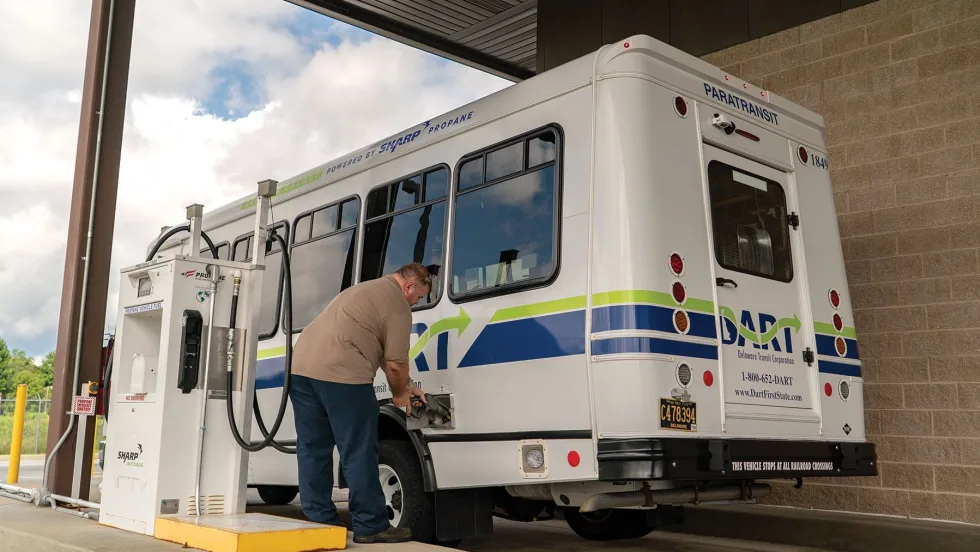
Building a Winning FTA Grant Proposal: Why Propane Autogas is the Pragmatic Choice for Fleet Resilience
With $610 million available through the FY 2026 Buses and Bus Facilities Competitive Program and the Low or No Emission Grant Program, agencies must build a compelling case before the September 21 deadline that balances environmental compliance with operational feasibility.
Read More →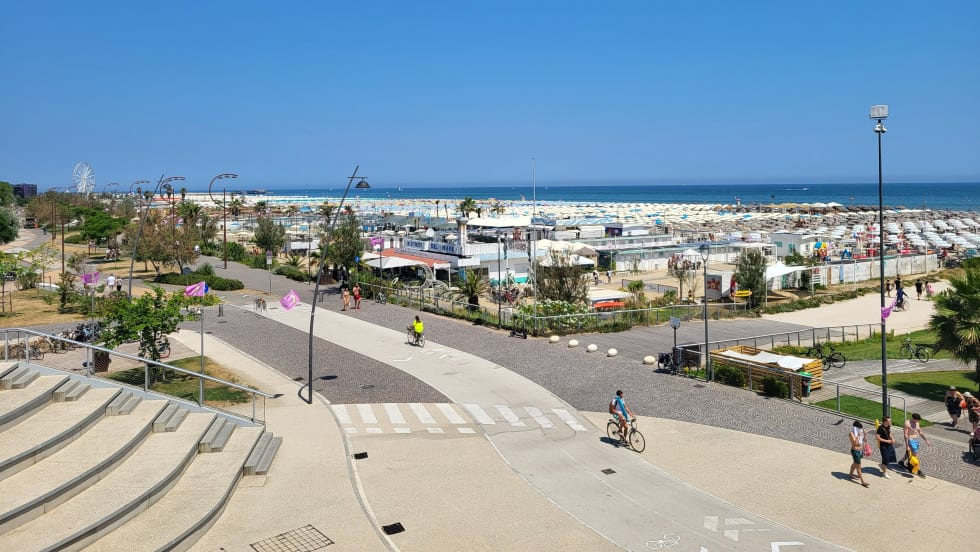
Velo-city Conference 2026: Latest Trends in Cycling as Part of Urban Mobility
The global cycling conference highlighted how cities are integrating bicycles into multimodal transportation networks, expanding cycle tourism and reshaping urban mobility.
Read More →
Kindness Isn’t Soft...It’s Strategic.
Mike Bismeyer — often known as “The Kindness Guy” — has spent more than 17 years in public transit and mobility, serving in industry leadership roles, speaking across North America, and advocating for stronger workplace cultures. But his message doesn’t come from theory. It comes from lived experience.
Read More →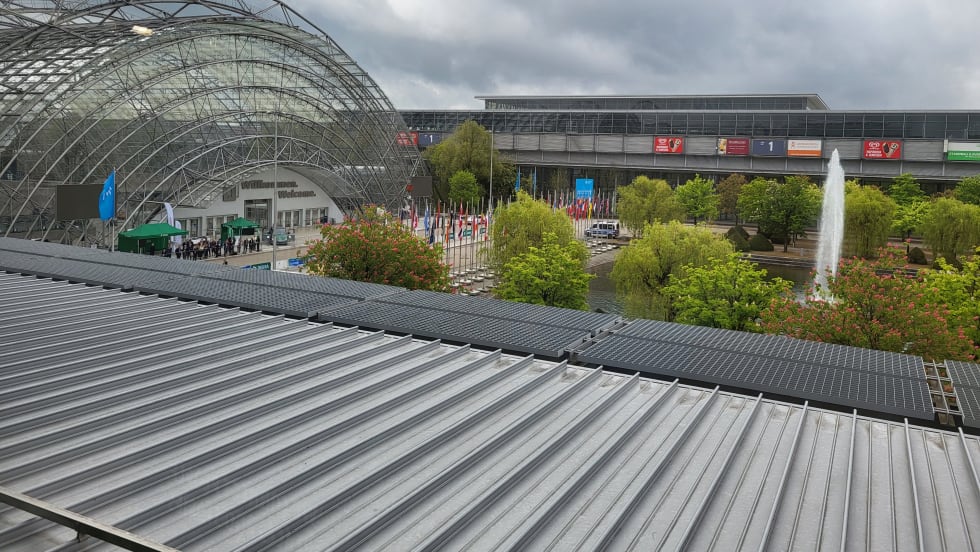
Inside ITF 2026: Transport Reacts to A Challenging World
Transport leaders from around the world gathered in Leipzig, Germany, for the 2026 International Transport Forum to discuss resilience, climate impacts, supply chains and the future of sustainable mobility.
Read More →
Every Ride Tells a Story — But You’re Not Just Selling the Ride
You’re selling the moment, the meaning, and the emotion behind it.
Read More →
How Digital Signage is Reshaping the Traveler Experience at Transportation Hubs
What was once a landscape of static signs has evolved into a responsive, immersive environment powered by real-time visual communication.
Read More →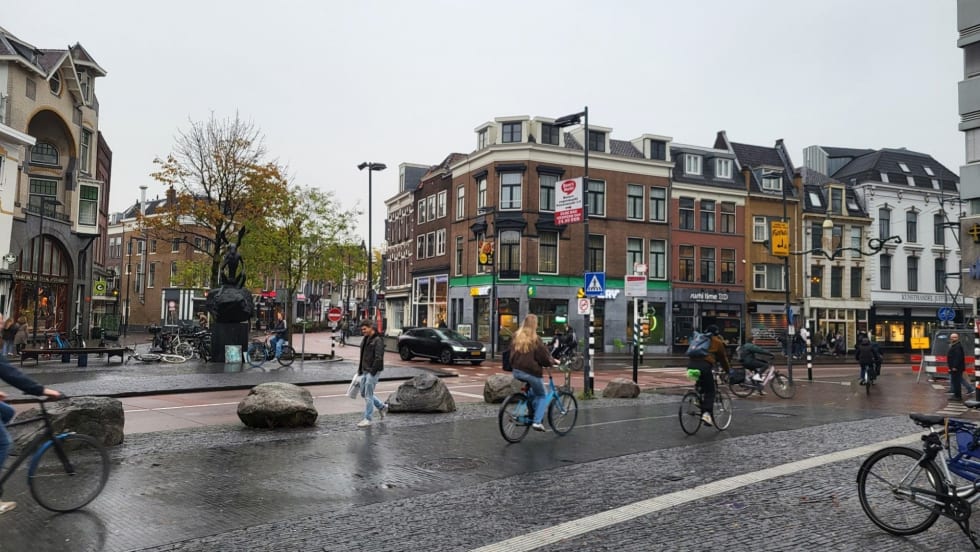
Latest Trends in Urban Mobility from Polis Conference 2025
Polis comprises cities and regions, as well as corporate partners, from across Europe, promoting the development and implementation of sustainable mobility. This year’s event had over a thousand attendees across various policy forums and an exhibition.
Read More →
Why Transit Leaders Require Better Tools for Operational Clarity In Today’s Tech-Fragmented Environment
Across North America and beyond, transit agency officials are contending with a perfect storm of operational headaches and strategic challenges that hamper daily service and long-term progress.
Read More →
The Powerless Brokers: Why California Can’t Build Transit
It is no secret that transit in the U.S. is slow and expensive to build.
Read More →
Why Transport Sustainability Should Focus on People Instead of Cars
Simply incentivizing electrification is not enough to make a meaningful impact; we must shift our focus toward prioritizing public transportation and infrastructure.
Read More →