



Reimagining How Cities Can Leverage Holistic Platforms For Urban Mobility Solutions
When it comes to designing transit and transportation solutions that reduce traffic congestion and improve on-time arrival rates, we seem to have a problem. It seems we are focused on all the wrong things.

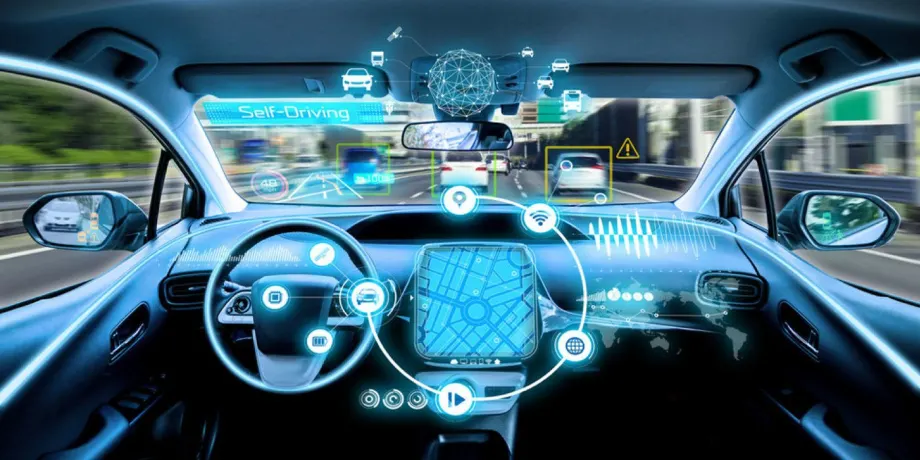
Better in-vehicle technology, faster cars, autonomous cars, and more roads will not solve our problem individually.
LYT
When it comes to designing transit and transportation solutions that reduce traffic congestion and improve on-time arrival rates, we seem to have a problem. It seems we are focused on all the wrong things. It’s not all about building a better vehicle, or the technology that is used inside the vehicle. And it’s definitely not about building bigger or more roads and bridges.
It’s about re-engineering the way in which cities move people around. This is important because personal vehicles, mass transit (buses, rail, etc.), ridesharing vehicles, commercial vehicles, emergency first responders, and pedestrians are all trying to get from point A to point B in the most efficient manner.
Traffic Solutions Go Beyond Bigger Roads
Better in-vehicle technology, faster cars, autonomous cars, and more roads will not solve our problem individually. The solution is bigger than each of these, and it must have the ability to singularly connect, monitor, and orchestrate everyone’s movements in a holistic, technology agnostic manner.
The journey begins with the traveler's intent to get from point A to point B using the mode(s) that satisfy their needs for cost and convenience. An app from the service provider, or a Mobility as a Service (MaaS) app for a multimodal trip, could be used to make the booking. A mobility service provider, such as a bus system, ride-hailing service, robotaxi, or other public or private providers, provides the journey.
When a journey is booked, the mobility service provider needs to decide which vehicle to send, when to send it, and what route it should take. To do so, the mobility service provider uses a cloud-based platform that assigns missions to vehicles’ self-driving technology or drivers’ vehicle receptors. These vehicles can be personal cars and trucks, ridesharing, emergency, buses, etc. This platform considers a variety of factors and sends missions that minimize passenger wait times and deadheading for service providers, while also meeting their requirements for vehicle utilization and passenger convenience.
Taking A Control Tower Approach
It may be beneficial to think of this approach as a car-specific version of an air traffic control tower. Even though many different brands, sizes, and shapes of vehicles are used for air travel, air traffic control is still necessary to direct them safely from gate to gate both on the ground and in the air. Both scheduled and on-demand services are offered by commercial airlines and private aircraft, respectively.
Air traffic controllers receive service requests from service providers with directions for the vehicles and pilots, including where to go, when they can go there, and which route to take. Service providers submit their reservations or flights with scheduled departure and arrival times.
On the ground, a similar cloud-based “control tower” technology platform can be used to systematically view each mobility provider (car, bus, rail, etc.) and assign signals to each, so that they all move in constant harmony and rhythm with each other.
Key to this platform is the integration of traffic signals and intersections with the flow of traffic, which of course changes based on events, work hour vehicle demand, weather patterns (evacuations, etc.), and the prioritization of emergency response vehicles that need to move freely through certain corridors to get to an injured person or fire, for example. Much of this is already in use in several cities across the U.S., all driven by AI (artificial inte
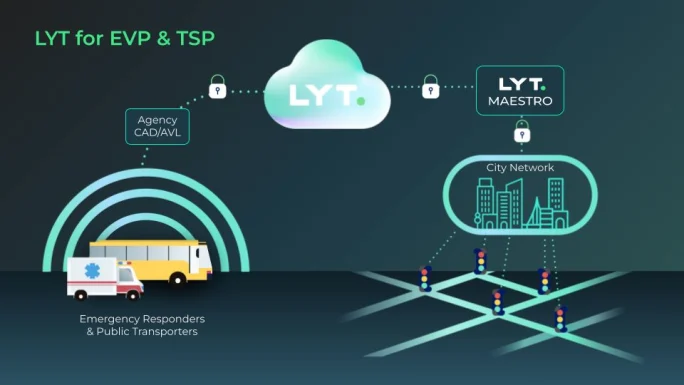
AI promises to streamline traffic flow and reduce congestion for many of today’s busiest roadways and thoroughfares.
LYT
lligence).
How AI Improves The Flow of Traffic for Everyone
AI promises to streamline traffic flow and reduce congestion for many of today’s busiest roadways and thoroughfares. Smart traffic light systems and the cloud technology platforms they operate on are now designed to manage and predict traffic more efficiently, which can save a lot of money and create more efficiencies not only for the cities themselves, but for individuals also.
AI and machine learning today can process highly complex data and traffic trends and suggest optimum routing for drivers in real-time based on specific traffic conditions. By integrating everyone’s real-time routing information, cloud-based traffic management systems can now optimize traffic light timing to the true needs of traffic.
Today’s recognition algorithms offer enhanced insight on the mix of density, traffic, and overall rate of flow.
Furthermore, these optimized algorithms can leverage data points by region resulting in a streamline pattern to reduce traffic problems while redistributing flow more optimally. Municipal traffic management systems can then make better decision-making power, and the control system has a much higher degree of failure tolerance as was previously demonstrated in legacy hub-and-spoke systems.
The combination of AI, machine learning, and cloud-based technology all have great potential to not only improve the throughput of signalized intersections but reimagine it all together. This advanced technology is already in use with transit agencies and emergency first responders where it is demonstrating a connected coordinated future between GPS, navigational apps, connected autos, and even taxi and ride-sharing services to efficiently combine mobility data into a traffic control system based on real-time data.
More Blog Posts
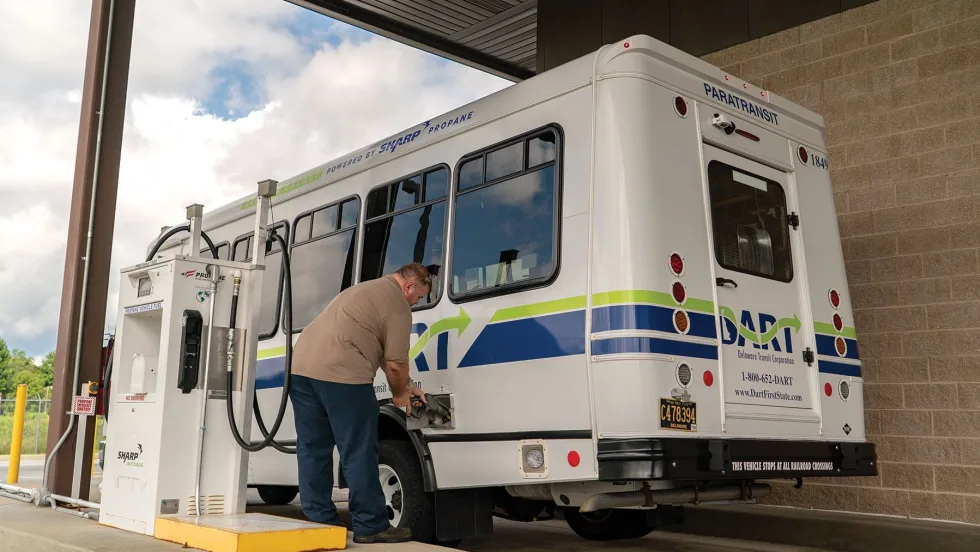
Building a Winning FTA Grant Proposal: Why Propane Autogas is the Pragmatic Choice for Fleet Resilience
With $610 million available through the FY 2026 Buses and Bus Facilities Competitive Program and the Low or No Emission Grant Program, agencies must build a compelling case before the September 21 deadline that balances environmental compliance with operational feasibility.
Read More →
Velo-city Conference 2026: Latest Trends in Cycling as Part of Urban Mobility
The global cycling conference highlighted how cities are integrating bicycles into multimodal transportation networks, expanding cycle tourism and reshaping urban mobility.
Read More →
Kindness Isn’t Soft...It’s Strategic.
Mike Bismeyer — often known as “The Kindness Guy” — has spent more than 17 years in public transit and mobility, serving in industry leadership roles, speaking across North America, and advocating for stronger workplace cultures. But his message doesn’t come from theory. It comes from lived experience.
Read More →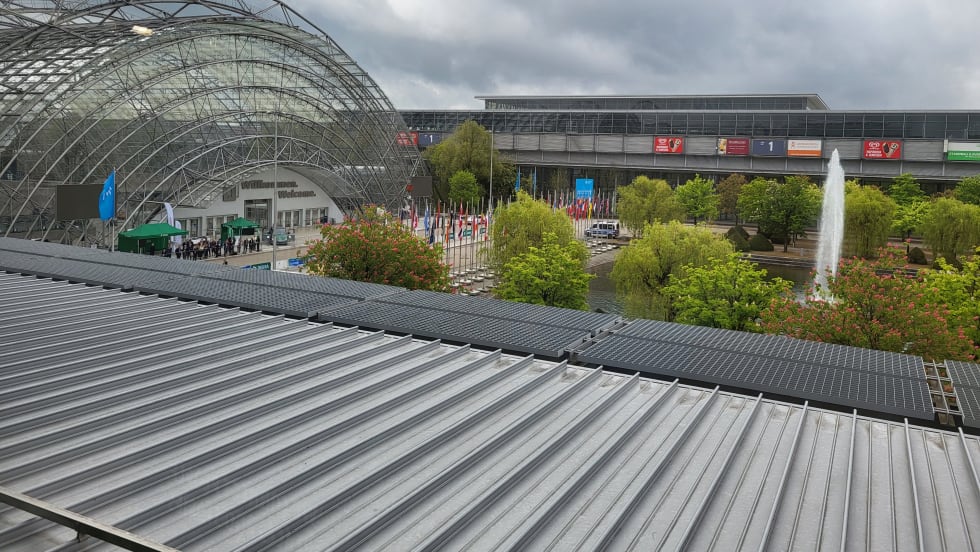
Inside ITF 2026: Transport Reacts to A Challenging World
Transport leaders from around the world gathered in Leipzig, Germany, for the 2026 International Transport Forum to discuss resilience, climate impacts, supply chains and the future of sustainable mobility.
Read More →
Every Ride Tells a Story — But You’re Not Just Selling the Ride
You’re selling the moment, the meaning, and the emotion behind it.
Read More →
How Digital Signage is Reshaping the Traveler Experience at Transportation Hubs
What was once a landscape of static signs has evolved into a responsive, immersive environment powered by real-time visual communication.
Read More →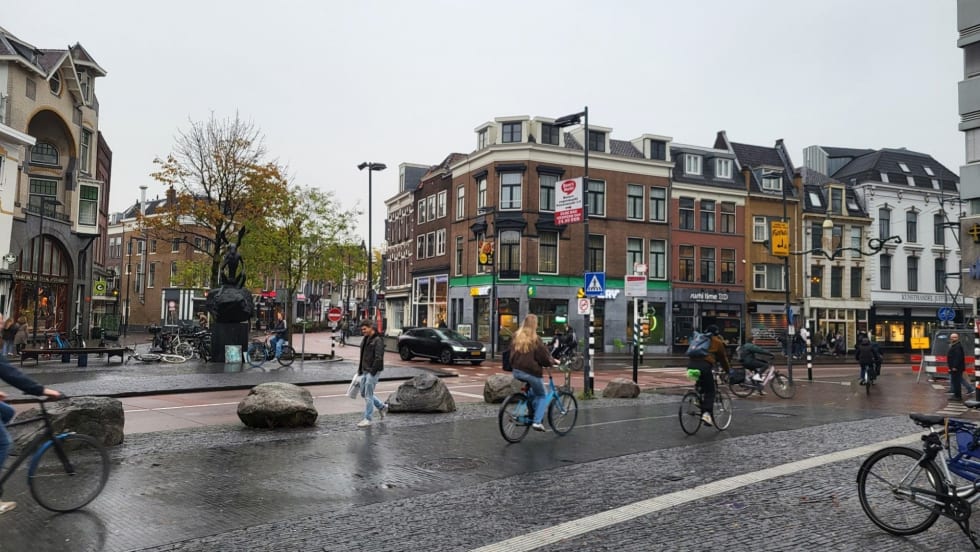
Latest Trends in Urban Mobility from Polis Conference 2025
Polis comprises cities and regions, as well as corporate partners, from across Europe, promoting the development and implementation of sustainable mobility. This year’s event had over a thousand attendees across various policy forums and an exhibition.
Read More →
Why Transit Leaders Require Better Tools for Operational Clarity In Today’s Tech-Fragmented Environment
Across North America and beyond, transit agency officials are contending with a perfect storm of operational headaches and strategic challenges that hamper daily service and long-term progress.
Read More →
The Powerless Brokers: Why California Can’t Build Transit
It is no secret that transit in the U.S. is slow and expensive to build.
Read More →
Why Transport Sustainability Should Focus on People Instead of Cars
Simply incentivizing electrification is not enough to make a meaningful impact; we must shift our focus toward prioritizing public transportation and infrastructure.
Read More →