




RELATED: SEPTA app allows riders to report safety, security issues
'See Something Say Something' Gets a Technological Assist
Transportation organizations regularly remind the public to be vigilant when using their systems — to be aware of any suspicious activities and people exhibiting odd behavior, and if they see something, immediately say something to personnel or police.
September 1, 2017
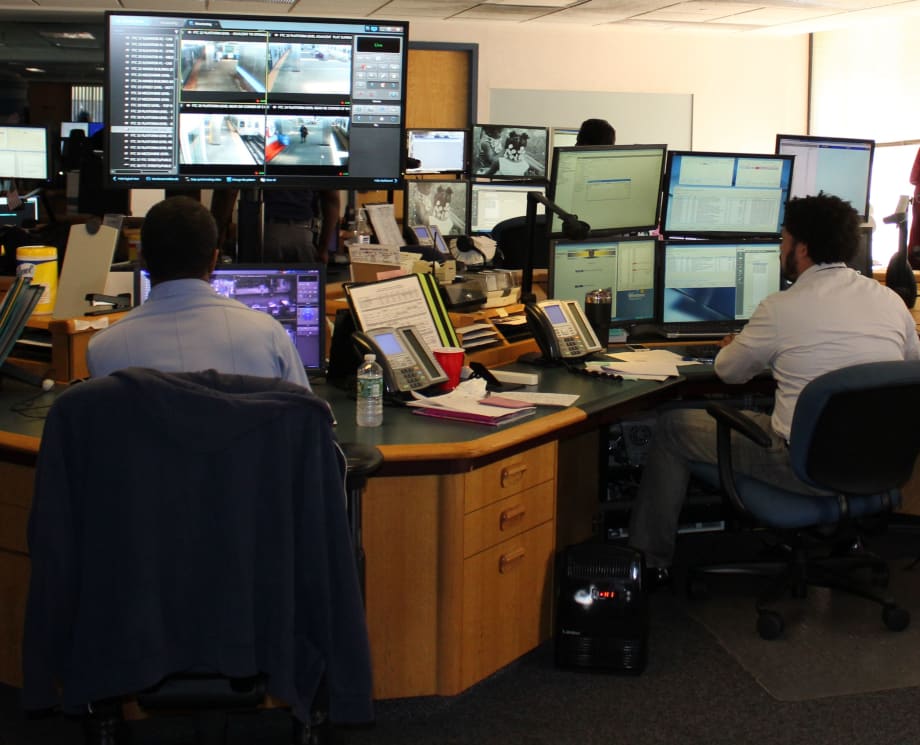
The two-way communication aspect of the Transit Watch app allows SEPTA Police dispatchers to ask questions or provide instructions to the rider, as if he or she were calling 911.Photo: SEPTA
3 min to read
The two-way communication aspect of the Transit Watch app allows SEPTA Police dispatchers to ask questions or provide instructions to the rider, as if he or she were calling 911.Photo: SEPTA
Transportation organizations regularly remind the public to be vigilant when using their systems — to be aware of any suspicious activities and people exhibiting odd behavior, and if they see something, immediately say something to personnel or police. But what happens when passengers are on a train, bus or trolley or in a station where they do not feel safe reporting an incident or are unable to easily reach out to personnel? In Philadelphia, Boston, Atlanta, San Francisco and other cities across the country, the smartphones that almost everyone has to listen to music, send texts and check emails are being used to discreetly report security or safety issues to police.
The Southeastern Pennsylvania Transportation Authority (SEPTA) is the latest transit organization to partner with ELERTS for the development of a mobile app that allows customers to report security or safety issues to transit police in seconds without placing a phone call. The “SEPTA Transit Watch” app, which officially launched on August 16, gives the public the opportunity to send photos, videos and accounts of incidents to SEPTA Police dispatch via text, with the option of remaining anonymous.
“We count on our customers to help be the eyes and ears of the system, and the SEPTA Transit Watch app now gives them a valuable tool to communicate directly with our police officers,” said SEPTA GM Jeffrey D. Knueppel.
The thought of person-to-person contact with police or SEPTA personnel might keep a citizen from reaching out for assistance when he or she witnesses an incident. With the Transit Watch app, the sender can have total anonymity — even his or her phone’s flash is automatically turned off when taking a photo for the report. The app also automatically gives the GPS location of the incident, which helps police if a rider is sending a report from a vehicle or not exactly sure of where he or she is. The two-way communication aspect of the app allows SEPTA Police dispatchers to ask questions or provide instructions to the rider, as if he or she were calling 911.
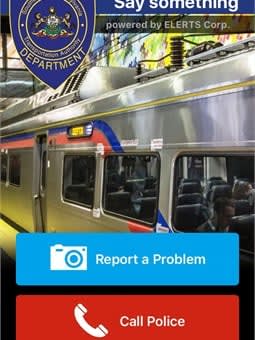
SEPTA Transit Watch is not just for those with smartphones — people with old-style flip phones can “Text A Tip” and reach SEPTA Transit Police dispatch through a special text message number. Photo: SEPTA
Transit Watch opens up variety of possibilities for citizens and SEPTA Police. “We can send out ‘Be On the Look Out’ [BOLO] messages through the app, regarding a person of interest being sought, such as a missing person or a criminal suspect,” said SEPTA Police Chief Thomas Nestel III. “Anonymous tips we receive from the public can help expedite our searches.”
Added Knueppel, “This effort also enhances our overall “Make the Safe Choice” System Safety campaign by making it easier for riders to share tips that could end up saving a life.” The public can report trespassers or others behaving in an unsafe manner on a platform, risking a fall into the tracks.
And SEPTA Transit Watch furthers the Authority’s commitment to accessibility. “The app provides a new way for the deaf and hard of hearing community to communicate with SEPTA Police,” said Knueppel. Additionally, SEPTA Transit Watch includes visually-impaired functionality.
SEPTA Transit Watch is available for a free download from Apple and Android stores, but the system is not just for those with smartphones — people with old-style flip phones can “Text A Tip” and reach SEPTA Transit Police dispatch through a special text message number. “SEPTA Transit Watch and the text message line will allow us to start a new dialogue with our riders,” said Nestel. “We expect it will provide invaluable real-time information that will enhance safety and security throughout the transit system.”
Subscribe to Our Newsletter
More Blog Posts
Building a Winning FTA Grant Proposal: Why Propane Autogas is the Pragmatic Choice for Fleet Resilience
With $610 million available through the FY 2026 Buses and Bus Facilities Competitive Program and the Low or No Emission Grant Program, agencies must build a compelling case before the September 21 deadline that balances environmental compliance with operational feasibility.
Read More →
Velo-city Conference 2026: Latest Trends in Cycling as Part of Urban Mobility
The global cycling conference highlighted how cities are integrating bicycles into multimodal transportation networks, expanding cycle tourism and reshaping urban mobility.
Read More →
Kindness Isn’t Soft...It’s Strategic.
Mike Bismeyer — often known as “The Kindness Guy” — has spent more than 17 years in public transit and mobility, serving in industry leadership roles, speaking across North America, and advocating for stronger workplace cultures. But his message doesn’t come from theory. It comes from lived experience.
Read More →
Inside ITF 2026: Transport Reacts to A Challenging World
Transport leaders from around the world gathered in Leipzig, Germany, for the 2026 International Transport Forum to discuss resilience, climate impacts, supply chains and the future of sustainable mobility.
Read More →
Every Ride Tells a Story — But You’re Not Just Selling the Ride
You’re selling the moment, the meaning, and the emotion behind it.
Read More →
How Digital Signage is Reshaping the Traveler Experience at Transportation Hubs
What was once a landscape of static signs has evolved into a responsive, immersive environment powered by real-time visual communication.
Read More →
Latest Trends in Urban Mobility from Polis Conference 2025
Polis comprises cities and regions, as well as corporate partners, from across Europe, promoting the development and implementation of sustainable mobility. This year’s event had over a thousand attendees across various policy forums and an exhibition.
Read More →
Why Transit Leaders Require Better Tools for Operational Clarity In Today’s Tech-Fragmented Environment
Across North America and beyond, transit agency officials are contending with a perfect storm of operational headaches and strategic challenges that hamper daily service and long-term progress.
Read More →
The Powerless Brokers: Why California Can’t Build Transit
It is no secret that transit in the U.S. is slow and expensive to build.
Read More →
Why Transport Sustainability Should Focus on People Instead of Cars
Simply incentivizing electrification is not enough to make a meaningful impact; we must shift our focus toward prioritizing public transportation and infrastructure.
Read More →