




Related: N.Y. MTA's If You See Something, Say Something Video
'See Something, Say Something' is Key Anti-Terrorism Tool for Transit
After acts of terrorism — domestic or international — law enforcement agencies are almost always asked: “How are you ‘ramping up’ your security efforts?”
September 26, 2016
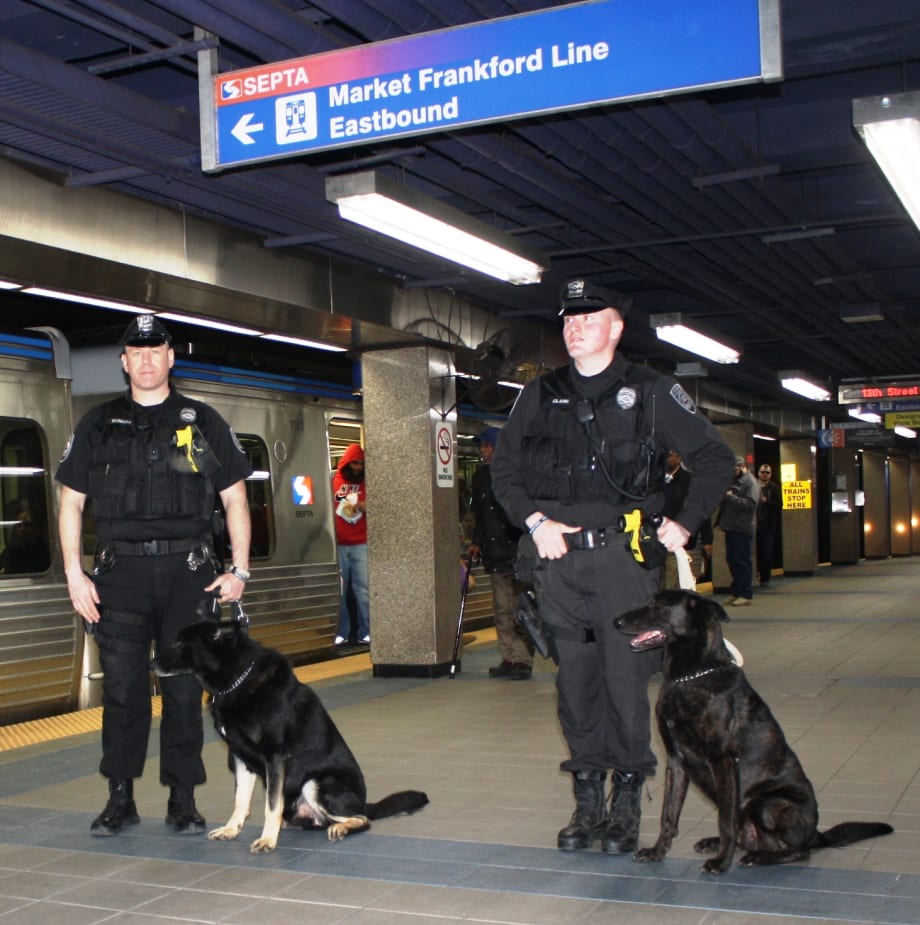
Photo: SEPTA
3 min to read
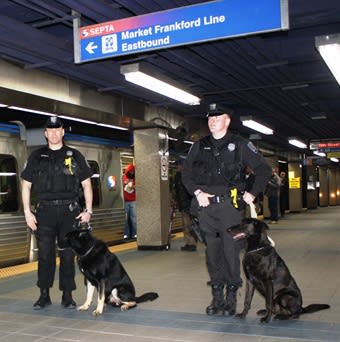
Photo: SEPTA
After acts of terrorism—domestic or international—law enforcement agencies are almost always asked: “How are you ‘ramping up’ your security efforts?”
“The public may see more police officers, including K-9 units, on patrol at our train stations, transportation hubs, and on the street following incidents like those that took place in New York and New Jersey in September, but we are always on heightened alert,” said Southeastern Pennsylvania Transportation Authority (SEPTA) Police Chief Thomas Nestel, who leads the Authority’s 270-member police department. “We work closely with local, state, and federal authorities and are in touch with them on a regular basis, regardless of whether an event has occurred or not.”
Police departments also rely on tips received from the public to help with their crime prevention efforts. “We always remind our riders to be aware of their surroundings, and if they see something that seems out of place or not quite right, to call 911,” said Nestel. “Don’t walk past an unattended bag and assume it was just left behind by someone rushing to the office.”
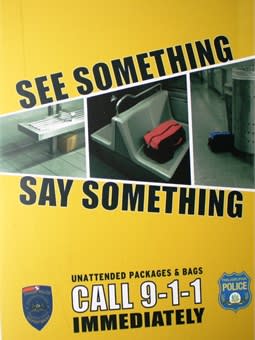
Photo: SEPTA
In 2015, SEPTA Police investigated 377 total items reported as “suspicious”; of those, 272 objects were described as being “unattended” (in some cases, both “suspicious” and “unattended” were used to label an object). Through September 21, 2016, the department had investigated 321 total “suspicious” items, of which 251 were defined as “unattended.”
“See Something, Say Something” tips were instrumental in the discovery of the explosive devices in Elizabeth, New Jersey, and in capturing the alleged bomber. “Because private citizens alerted police, the explosives were found and the suspect was caught before more harm could be done,” said Nestel. “If they had decided not to get involved and proactively contact the police, the outcome could have been much more drastic.”
According to Nestel, “See Something Say Something” calls to SEPTA Police following events such as those in New York and New Jersey “increase exponentially.” The upsurge, however, usually lasts only about a week.
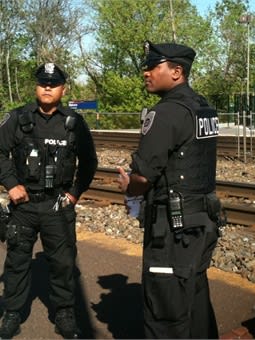
Photo: SEPTA
“We have the tools at our disposal to respond to emergency calls immediately and determine whether or not a threat exists,” said Nestel. “But, we cannot be on every train or at every platform or station all of the time. This is where the public becomes our eyes and ears in the field, to contact us and let us know if they hear or see something that creates an uneasy feeling.”
“Although we have no information indicating the Philadelphia region is at risk for an incident, a historical review of terroristic events around the world shows that mass transit stations are often targets,” said Nestel. “We need the public to be vigilant all the time — not because they are afraid, but because they are determined to stop these extremists from harming anyone else.”
Heather Redfern is the Public Information Manager for the Southeastern Pennsylvania Transportation Authority.
Subscribe to Our Newsletter
More Blog Posts
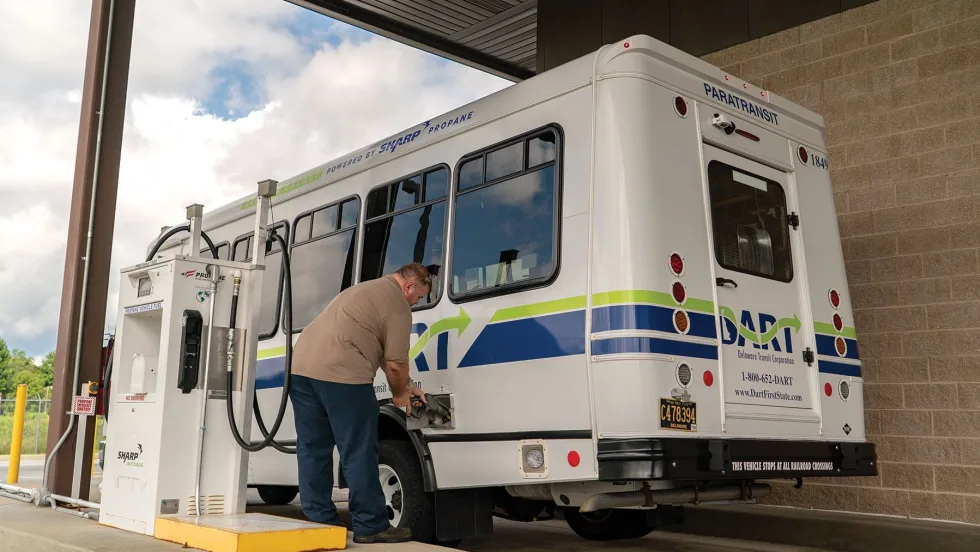
Building a Winning FTA Grant Proposal: Why Propane Autogas is the Pragmatic Choice for Fleet Resilience
With $610 million available through the FY 2026 Buses and Bus Facilities Competitive Program and the Low or No Emission Grant Program, agencies must build a compelling case before the September 21 deadline that balances environmental compliance with operational feasibility.
Read More →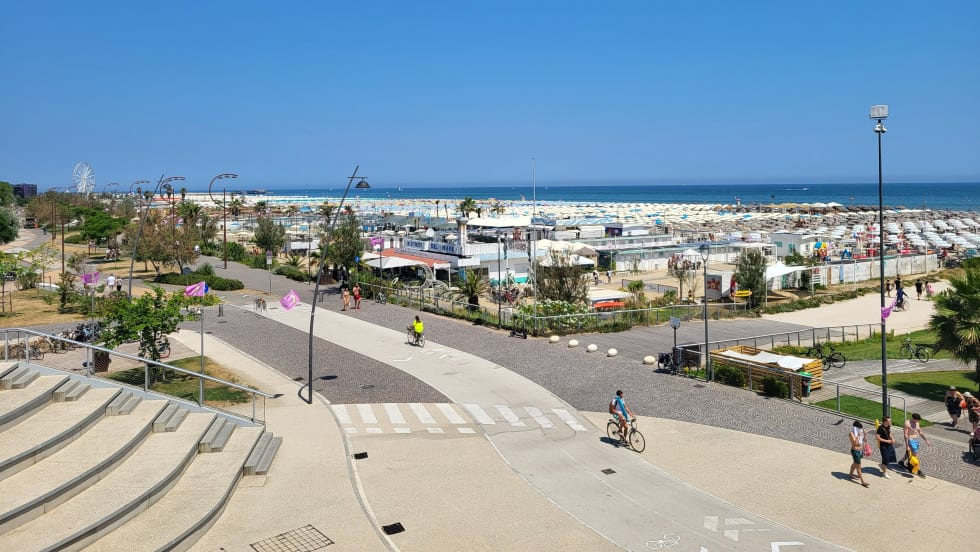
Velo-city Conference 2026: Latest Trends in Cycling as Part of Urban Mobility
The global cycling conference highlighted how cities are integrating bicycles into multimodal transportation networks, expanding cycle tourism and reshaping urban mobility.
Read More →
Kindness Isn’t Soft...It’s Strategic.
Mike Bismeyer — often known as “The Kindness Guy” — has spent more than 17 years in public transit and mobility, serving in industry leadership roles, speaking across North America, and advocating for stronger workplace cultures. But his message doesn’t come from theory. It comes from lived experience.
Read More →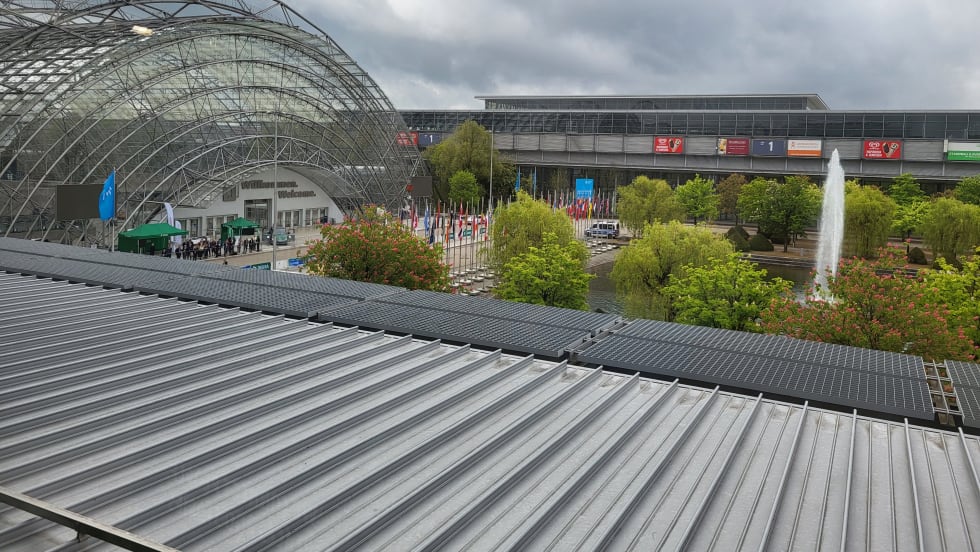
Inside ITF 2026: Transport Reacts to A Challenging World
Transport leaders from around the world gathered in Leipzig, Germany, for the 2026 International Transport Forum to discuss resilience, climate impacts, supply chains and the future of sustainable mobility.
Read More →
Every Ride Tells a Story — But You’re Not Just Selling the Ride
You’re selling the moment, the meaning, and the emotion behind it.
Read More →
How Digital Signage is Reshaping the Traveler Experience at Transportation Hubs
What was once a landscape of static signs has evolved into a responsive, immersive environment powered by real-time visual communication.
Read More →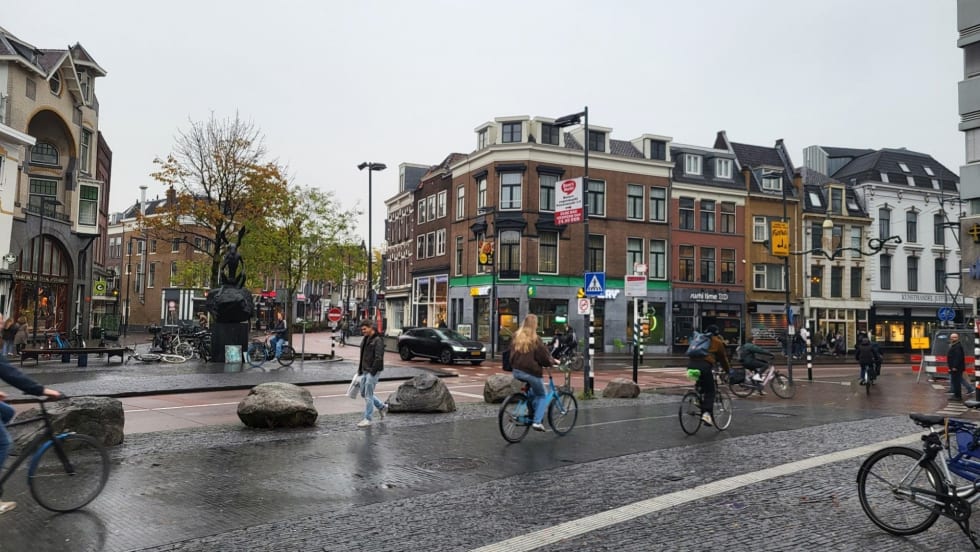
Latest Trends in Urban Mobility from Polis Conference 2025
Polis comprises cities and regions, as well as corporate partners, from across Europe, promoting the development and implementation of sustainable mobility. This year’s event had over a thousand attendees across various policy forums and an exhibition.
Read More →
Why Transit Leaders Require Better Tools for Operational Clarity In Today’s Tech-Fragmented Environment
Across North America and beyond, transit agency officials are contending with a perfect storm of operational headaches and strategic challenges that hamper daily service and long-term progress.
Read More →
The Powerless Brokers: Why California Can’t Build Transit
It is no secret that transit in the U.S. is slow and expensive to build.
Read More →
Why Transport Sustainability Should Focus on People Instead of Cars
Simply incentivizing electrification is not enough to make a meaningful impact; we must shift our focus toward prioritizing public transportation and infrastructure.
Read More →