



Selling Naming Rights Helps Transit Stay in the Game
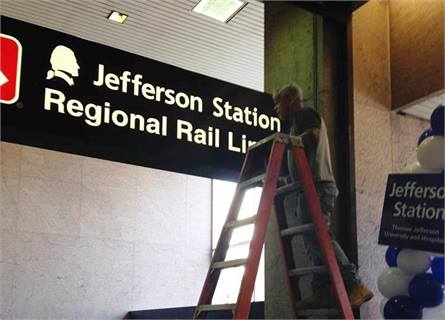
Across the country, limited capital budgets are forcing transit agencies to find creative ways generate revenue to address their perpetually growing list of needs. Every dollar counts. Selling naming rights for properties (and routes, like Cleveland’s HealthLine) is one option for generating new income. In Philadelphia, SEPTA just announced its second station renaming — Jefferson Station, which serves SEPTA’s Regional (commuter) Rail in downtown Philadelphia.


Across the country, limited capital budgets are forcing transit agencies to find creative ways generate revenue to address their perpetually growing list of needs. Every dollar counts.
RELATED:Transit systems find creative ways to generate revenue
Selling naming rights for properties (and routes, like Cleveland’s HealthLine) is one option for generating new income. In Philadelphia, SEPTA just announced its second station renaming — Jefferson Station (formerly Market East), which serves SEPTA’s Regional (commuter) Rail in downtown Philadelphia. In 2010, SEPTA and AT&T entered a five-year, $5 million agreement for the former Pattison Avenue Station on the Authority’s Broad Street (subway) Line in South Philadelphia’s Sports Complex area.
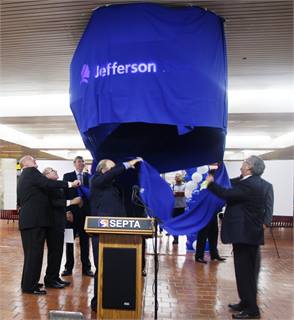
The Jefferson renaming is the result of a five-year, $3.9 million agreement between Thomas Jefferson University Hospitals (a Philadelphia health system and medical school located three blocks from the train station) and Titan, the leading transit advertising agency in the country. SEPTA has a contract with Titan to generate additional operating revenue for the Authority by bringing in advertising dollars and negotiating station naming rights. State lawmakers, in passing recent legislation for transportation funding in Pennsylvania, have called on SEPTA and other transit agencies to bolster efforts to generate non-fare box revenues.
“These naming agreements deliver major benefits to our customers and other taxpayers who help fund the Authority’s operations,” said SEPTA GM Joseph Casey. “The advertising income generated goes directly toward the everyday costs of running the transit system.” In fact, 100 percent of the Jefferson revenue goes into maintaining the station and SEPTA already has begun making improvements to lighting on the concourse and platform levels, cleaning the ceilings, installing new signs and developing plans for a new restroom.
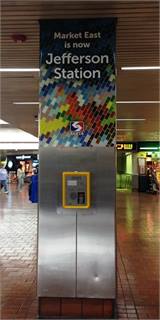
The naming rights not only bring revenue for the Authority, they also deliver a large audience for the partner organization. Approximately 26,000 rail customers use Jefferson Station every weekday. Add to that the thousands of passengers that use the adjacent Market-Frankford and Broad Street Lines and 10 bus routes, and the millions that will see the station name on SEPTA maps, and Jefferson has increased its brand reach infinitesimally.
“The partnership with Jefferson speaks volumes about SEPTA’s reputation and role as a driver of the economy that one of the region’s most respected organizations is partnering with SEPTA in such a prominent way,” said SEPTA Chairman Pasquale T. “Pat” Deon.
SEPTA’s current naming agreements are most likely the first of several, as the Authority is open to discussing rights for stations and transportation route/lines with most organizations, within reason. The names should be succinct and SEPTA would use professional judgment in any decision and will not entertain station naming which would be offensive to our customers and the region we serve.

More Blog Posts
Building a Winning FTA Grant Proposal: Why Propane Autogas is the Pragmatic Choice for Fleet Resilience
With $610 million available through the FY 2026 Buses and Bus Facilities Competitive Program and the Low or No Emission Grant Program, agencies must build a compelling case before the September 21 deadline that balances environmental compliance with operational feasibility.
Read More →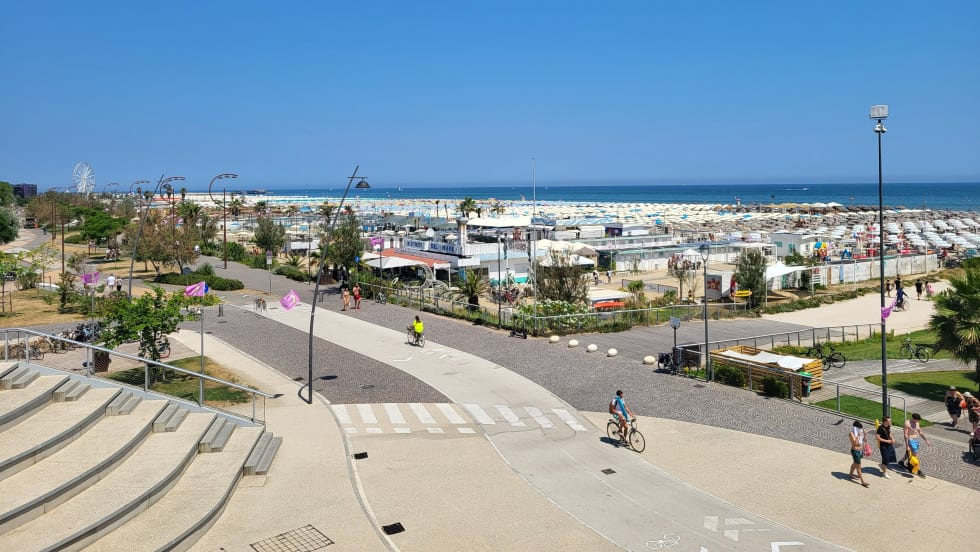
Velo-city Conference 2026: Latest Trends in Cycling as Part of Urban Mobility
The global cycling conference highlighted how cities are integrating bicycles into multimodal transportation networks, expanding cycle tourism and reshaping urban mobility.
Read More →
Kindness Isn’t Soft...It’s Strategic.
Mike Bismeyer — often known as “The Kindness Guy” — has spent more than 17 years in public transit and mobility, serving in industry leadership roles, speaking across North America, and advocating for stronger workplace cultures. But his message doesn’t come from theory. It comes from lived experience.
Read More →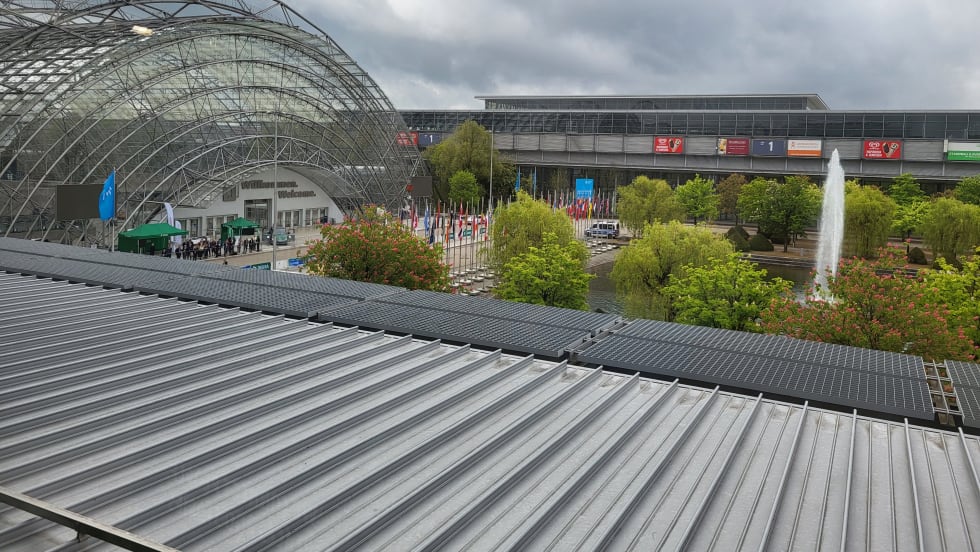
Inside ITF 2026: Transport Reacts to A Challenging World
Transport leaders from around the world gathered in Leipzig, Germany, for the 2026 International Transport Forum to discuss resilience, climate impacts, supply chains and the future of sustainable mobility.
Read More →
Every Ride Tells a Story — But You’re Not Just Selling the Ride
You’re selling the moment, the meaning, and the emotion behind it.
Read More →
How Digital Signage is Reshaping the Traveler Experience at Transportation Hubs
What was once a landscape of static signs has evolved into a responsive, immersive environment powered by real-time visual communication.
Read More →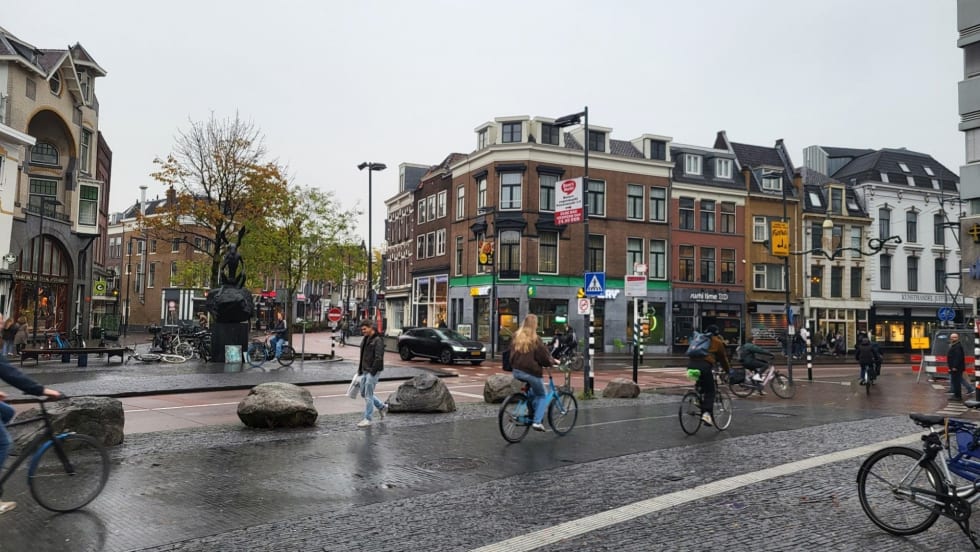
Latest Trends in Urban Mobility from Polis Conference 2025
Polis comprises cities and regions, as well as corporate partners, from across Europe, promoting the development and implementation of sustainable mobility. This year’s event had over a thousand attendees across various policy forums and an exhibition.
Read More →
Why Transit Leaders Require Better Tools for Operational Clarity In Today’s Tech-Fragmented Environment
Across North America and beyond, transit agency officials are contending with a perfect storm of operational headaches and strategic challenges that hamper daily service and long-term progress.
Read More →
The Powerless Brokers: Why California Can’t Build Transit
It is no secret that transit in the U.S. is slow and expensive to build.
Read More →
Why Transport Sustainability Should Focus on People Instead of Cars
Simply incentivizing electrification is not enough to make a meaningful impact; we must shift our focus toward prioritizing public transportation and infrastructure.
Read More →