



SEPTA helps community farm grow
A fresh salad with leafy greens, juicy tomatoes, crisp cucumbers and zucchini is a refreshing meal for a hot summer day. Would you believe that many Philadelphians are enjoying delicious vegetables grown on a SEPTA lot, next to the Market-Frankford Line station?

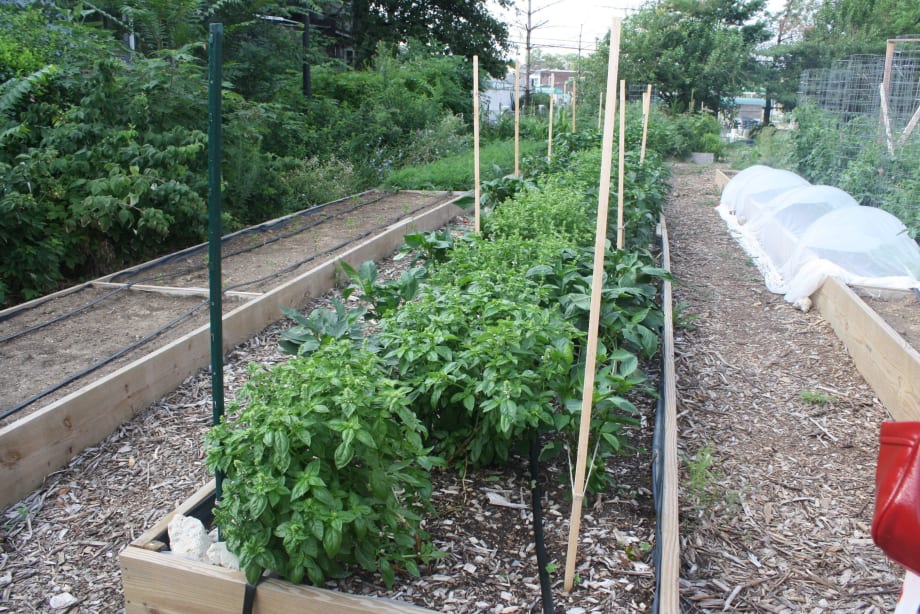
Many Philadelphians are enjoying delicious vegetables grown on a SEPTA lot, next to the Market-Frankford Line station.
Many Philadelphians are enjoying delicious vegetables grown on a SEPTA lot, next to the Market-Frankford Line station.
A fresh salad with leafy greens, juicy tomatoes, crisp cucumbers and zucchini is a refreshing meal for a hot summer day. Would you believe that many Philadelphians are enjoying delicious vegetables grown on a Southeastern Pennsylvania Transportation Authority (SEPTA) lot, next to the Market-Frankford Line (MFL) station?
The Walnut Hill Community Farm at 46th and Market Streets is marking its second season. Operated by The Enterprise Center Community Development Corp. (TEC-CDC), the farm is adjacent to the 46th Street MFL station, in a lot used by SEPTA during the extensive “El” reconstruction project in West Philadelphia. When the renovations were completed in 2009, SEPTA was left with a vacant plot of land and looking for a way to turn the location to a community asset.
Enter CDC, whose leadership was developing a plan to teach the neighborhood’s residents about sustainable food production. With the SEPTA lot available, CDC would be able to give residents a “hands-on” learning experience at the farm.
In May 2010, the agency and CDC signed a lease for the land — for $1 a year — for up to 30 years. “SEPTA is a committed stakeholder in the City of Philadelphia’s Greenworks goal to bring fresh food to its residents through a formal goal established in the organization’s Sustainability Program Plan,” said Marion Coker, SEPTA’s manager of strategic business planning and sustainability. “Our collaboration with the Walnut Hill Community Farm is based on a mutual understanding that improved access to food and transit contributes to the development of vibrant and healthy communities.”
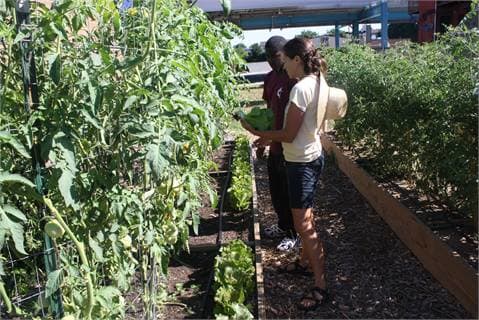
The Walnut Hill Community Farm at 46th and Market Streets is marking its second season. It is operated by The Enterprise Center Community Development Corp., which was able to hire 10 teens this year for its food ambassadors program.
In two years, the farm has grown, literally and figuratively. “Last year, we harvested about 650 pounds of food,” said Allison Blansfield, CDC’s farm and youth program manager. “This year, we should double our production. We were also able to hire 10 teens this year for our food ambassadors program, an increase over the four we had last year.”
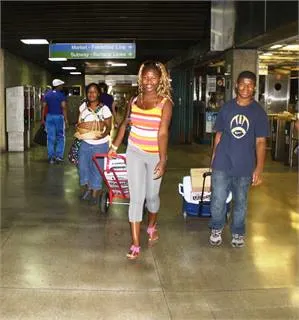
The kids who work on the farm bring their produce to SEPTA headquarters via its Market-Frankford Line.
The youths are divided into teams and learn about the farming industry, from planting and harvesting to bringing the food to market and managing sales and other business matters. The Farm’s “Market Team” brings fresh produce to SEPTA’s headquarters every other Wednesday. In true SEPTA fashion, the team travels not by pick-up truck, but on MFL trains, wheeling carts loaded with boxes full of herbs, tomatoes, corn, kale, lettuce, Swiss chard, onions and more through the El station’s turnstiles and onto the train for the 30-plus block trek from West Philly to Center City.
In addition to selling produce to SEPTA’s employees, Walnut Hill Farm also operates a community farm stand at 46th and Market and sold shares of its harvest to neighbors that participate in a Community Supported Agriculture (CSA) program. The Farm accepts cash, credit/debit cards, Electronic Benefit Transfer (EBT)/Supplemental Nutrition Assistance Program funds (formerly food stamps) and senior subsidies.
To keep Walnut Hill’s crops flourishing, CDC has received the support numerous organizations, including the USDA, for items ranging from soil, seeds, a shed, fruit bushes and orchard trees to construction assistance and volunteers. SEPTA connected its 46th Street Station downspout to the Farm’s rainwater collection cisterns and installed shelving on the side of the station building to hold solar panels that will power the water pump that operates the Farm’s irrigation system (designed by Drexel University Engineering students).
“Walnut Hill Farm is a wonderful example of what can be accomplished when the community, academic institutions and government agencies collaborate,” said Blansfield. “We are grateful to SEPTA for helping us get the project off the ground by leasing the vacant land and for providing their continued support, from offering assistance with the solar panels and irrigation system to allowing us to sell our produce at its headquarters.”
“Little did we realize how a vacant parcel of land could be transformed into such a vibrant self-sustaining model for neighborhood transformation,” said Coker. “And the farmers’ market at our 1234 Market Street headquarters has truly brought new meaning to sustainability and the cradle-to-cradle concept — fresh food from repurposed SEPTA land via the SEPTA system to SEPTA employees.”
In case you missed it...
Read our METRO blog, "Are 'Automatics' a part of your bus operator training program?" here.
More Blog Posts
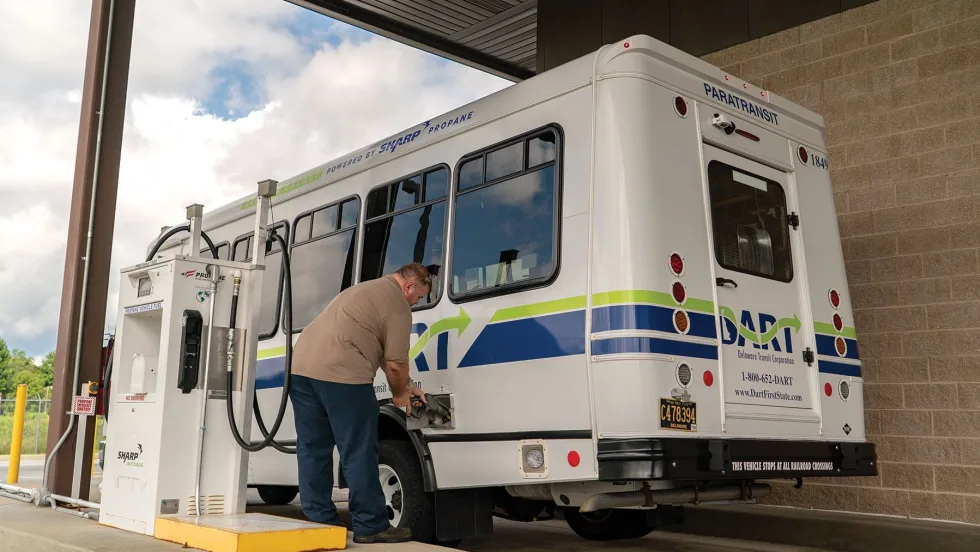
Building a Winning FTA Grant Proposal: Why Propane Autogas is the Pragmatic Choice for Fleet Resilience
With $610 million available through the FY 2026 Buses and Bus Facilities Competitive Program and the Low or No Emission Grant Program, agencies must build a compelling case before the September 21 deadline that balances environmental compliance with operational feasibility.
Read More →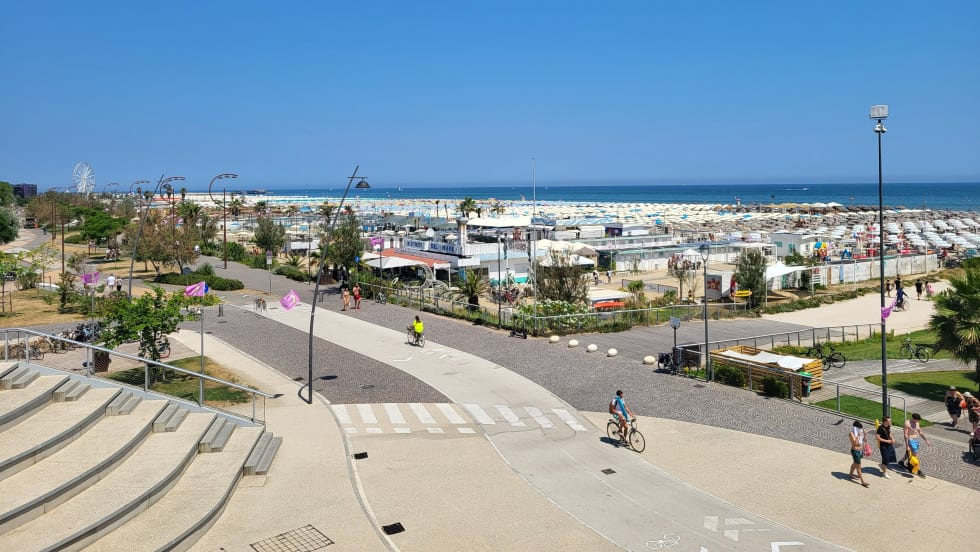
Velo-city Conference 2026: Latest Trends in Cycling as Part of Urban Mobility
The global cycling conference highlighted how cities are integrating bicycles into multimodal transportation networks, expanding cycle tourism and reshaping urban mobility.
Read More →
Kindness Isn’t Soft...It’s Strategic.
Mike Bismeyer — often known as “The Kindness Guy” — has spent more than 17 years in public transit and mobility, serving in industry leadership roles, speaking across North America, and advocating for stronger workplace cultures. But his message doesn’t come from theory. It comes from lived experience.
Read More →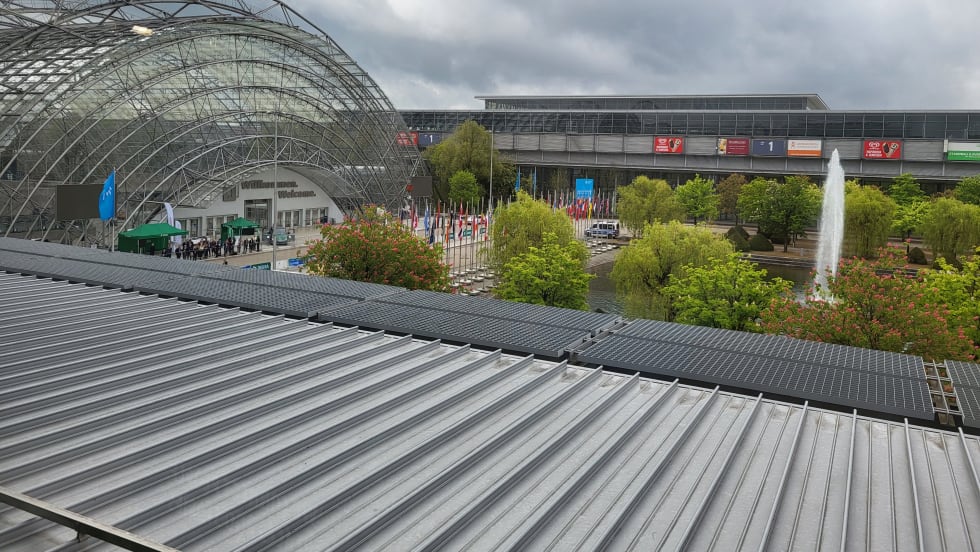
Inside ITF 2026: Transport Reacts to A Challenging World
Transport leaders from around the world gathered in Leipzig, Germany, for the 2026 International Transport Forum to discuss resilience, climate impacts, supply chains and the future of sustainable mobility.
Read More →
Every Ride Tells a Story — But You’re Not Just Selling the Ride
You’re selling the moment, the meaning, and the emotion behind it.
Read More →
How Digital Signage is Reshaping the Traveler Experience at Transportation Hubs
What was once a landscape of static signs has evolved into a responsive, immersive environment powered by real-time visual communication.
Read More →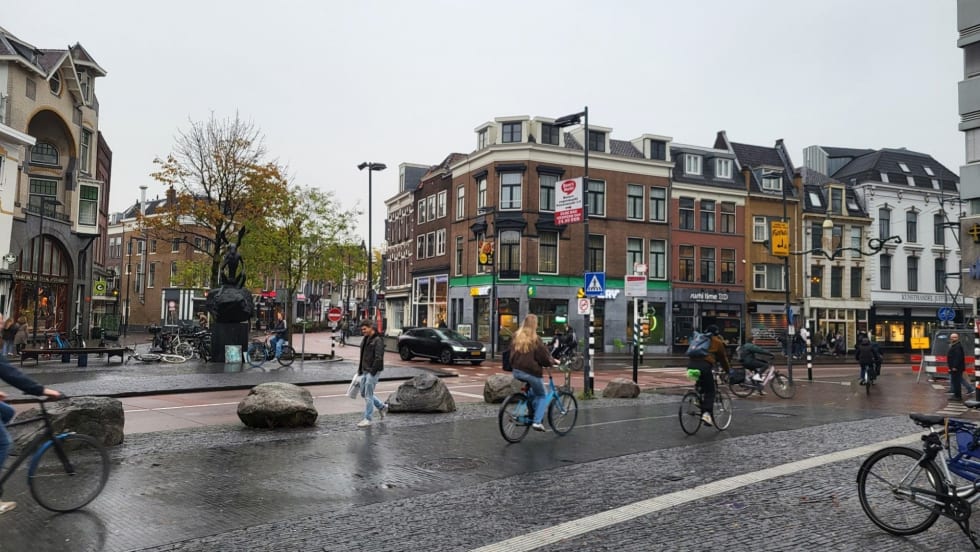
Latest Trends in Urban Mobility from Polis Conference 2025
Polis comprises cities and regions, as well as corporate partners, from across Europe, promoting the development and implementation of sustainable mobility. This year’s event had over a thousand attendees across various policy forums and an exhibition.
Read More →
Why Transit Leaders Require Better Tools for Operational Clarity In Today’s Tech-Fragmented Environment
Across North America and beyond, transit agency officials are contending with a perfect storm of operational headaches and strategic challenges that hamper daily service and long-term progress.
Read More →
The Powerless Brokers: Why California Can’t Build Transit
It is no secret that transit in the U.S. is slow and expensive to build.
Read More →
Why Transport Sustainability Should Focus on People Instead of Cars
Simply incentivizing electrification is not enough to make a meaningful impact; we must shift our focus toward prioritizing public transportation and infrastructure.
Read More →