




RELATED: Automated vehicle deployments gaining in popularity
State, local leaders not waiting on Congress for infrastructure bill
In many states, collaborative initiatives have been launched to repair aging infrastructure, install clean energy projects, initiate smart city technology and build social infrastructure.
May 30, 2019
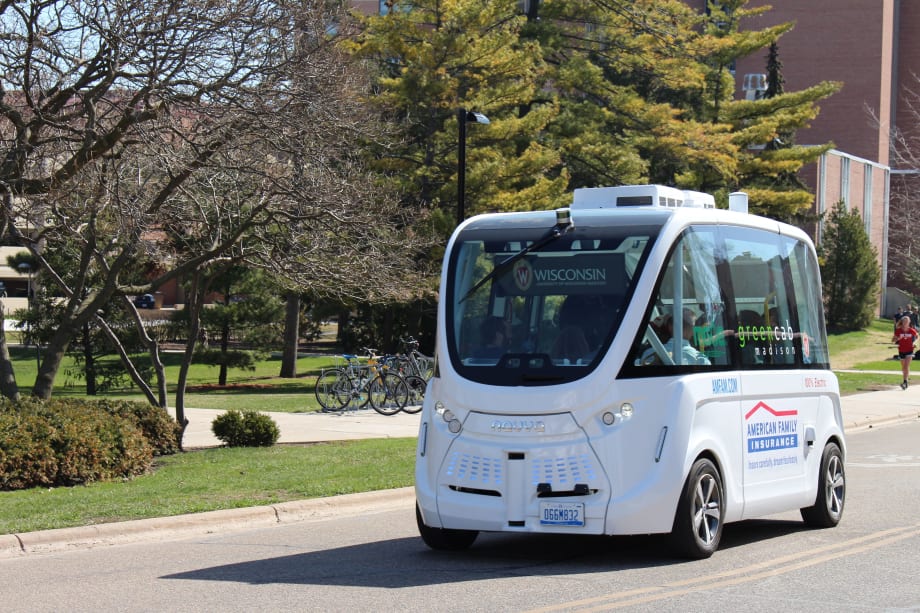
The University of Wisconsin is collaborating with the City of Madison and American Family Insurance on a project to bring an autonomous shuttle to downtown Madison.
UW-Madison College of Engineering
4 min to read
As Congressional leaders in Washington debate an infrastructure bill, elected officials at the state and local levels of government are not waiting.
Public Domain

Bikeshare systems are one of the options elected officials are considering for their cities. LimeBike
As Congressional leaders in Washington debate an infrastructure bill, elected officials at the state and local levels of government are not waiting…they have been moving ahead for the last two years. In many states, collaborative initiatives have been launched to repair aging infrastructure, install clean energy projects, initiate smart city technology and build social infrastructure. Most of these projects resulted not only through collaboration, but also from private-sector investments.
One particular industry sector that is in the midst of significant transformation is public transit…and that’s because mobility is such a critical issue for city leaders. Urban areas are faced with a myriad of transportation issues. Moving people on a daily basis is difficult at best and almost every major city is seeking solutions to traffic congestion. The objective, of course, is to get motorists out of their individual automobiles…but that is a daunting task.
Elected officials are considering many options — electric vehicles, transportation-on-demand, ridesharing programs, bicycles, livable cities where residents can walk to work and autonomous vehicles of all types. This year, the VIA Metropolitan Transit in San Antonio approved a Mobility on Demand project that will be among the first of its kind in the U.S.
The University of Wisconsin is collaborating with the City of Madison and American Family Insurance on a project to bring an autonomous shuttle to downtown Madison.
UW-Madison College of Engineering
City leaders are also doing everything possible to comply with mandates for alternative energy, cleaner air and more efficient power delivery. They have strict sustainability targets to hit and they are launching projects to meet their goals. The electric vehicle market is expanding rapidly but that change requires charging stations which can’t be delivered inexpensively. Private-sector investment is providing some of the capital and a few states have allocated grant funding. Interestingly enough, many regions have also adopted requirements for the construction of charging stations in new residential developments.
In February, the New Jersey Department of Environmental Protection (DEP) announced its allocation of $10.8 million for electric vehicle charging stations. DEP will also use $3.2 million to award grants through the Electric Vehicle Charging Grant Program. Other states may follow New Jersey’s lead.
Most public transit systems have worked hard to make transportation services convenient, efficient and economical. Routes have been optimized, costs have been reduced and every effort is being made to get riders to their final destinations. Ohio State University recently released an RFP to rent bikes and scooters from vendors so that public transit riders could move quickly to destinations throughout the sizeable campus.
Federal funding is now available for autonomous vehicles and soon the U.S. Department of Transportation will announce $60 million in Automated Driving System Demonstration Grants. Selected projects will be related to the safe integration of automated driving systems. The grants are also designed to incentivize collaboration between state and local governments and private-sector partners.
The University of Wisconsin is collaborating with the City of Madison and American Family Insurance (AmFam) on a project to bring an autonomous shuttle to downtown Madison. The route is designed to take passengers from the Spark building to the State Capitol. A launch date of late 2019 has been announced. AmFam will fund the purchase of a 15-passenger vehicle and bidders will compete to deliver the vehicle.
The Minnesota Department of Transportation (DOT) has an open and ongoing request for proposals for its Connected and Automated Vehicles (CAV) initiative. The project will allow industry and transportation partners to propose CAV projects and it will allow the testing of new and emerging CAV technologies. Multiple contract awards are planned. Proposals may be submitted at any time. However, the DOT has set deadlines for the next two evaluation periods — May 17, 2019 and July 19, 2019. Additional evaluation periods are expected to be added for fall 2019.
The City of White Plains, New York, is preparing a solicitation to redevelop four parcels of city property as part of a larger transit district. The Metro-North Railroad Station was recently renovated and the city wants to make the station the center of a pedestrian-friendly neighborhood with access to multiple modes of transportation. The request for proposals will include converting a garage, surface lot, parking lot and firehouse into a mixed-use project. City officials have indicated interest in a public-private partnership.
The University of California announced the preliminary design for an innovation hub to be built on the university’s Sacramento campus. The project will include a mobility hub to feature an electric bus service connecting the campus with downtown Sacramento, a new shuttle and bikeshare and rideshare options.
The Tampa Bay Area Regional Transit Authority is developing a 41-mile bus rapid transit system. A study is underway for a potential system that would connect Wesley Chapel to St. Petersburg with stops in downtown Tampa and the University of South Florida. Costs for the project are estimated at $400 million. Funding will come from state grants and other sources.
CapMetro in Austin, Texas, plans to replace its fare collection system in the near future. A consultant has been hired to develop specifications for a solicitation that is anticipated sometime before the end of 2019.
Public transit is a hot marketplace at this time…definitely one worth watching.
Mary Scott Nabers is president/CEO of Strategic Partnerships Inc., a business development company specializing in government contracting and procurement consulting throughout the U.S.
Subscribe to Our Newsletter
More Blog Posts
Building a Winning FTA Grant Proposal: Why Propane Autogas is the Pragmatic Choice for Fleet Resilience
With $610 million available through the FY 2026 Buses and Bus Facilities Competitive Program and the Low or No Emission Grant Program, agencies must build a compelling case before the September 21 deadline that balances environmental compliance with operational feasibility.
Read More →
Velo-city Conference 2026: Latest Trends in Cycling as Part of Urban Mobility
The global cycling conference highlighted how cities are integrating bicycles into multimodal transportation networks, expanding cycle tourism and reshaping urban mobility.
Read More →
Kindness Isn’t Soft...It’s Strategic.
Mike Bismeyer — often known as “The Kindness Guy” — has spent more than 17 years in public transit and mobility, serving in industry leadership roles, speaking across North America, and advocating for stronger workplace cultures. But his message doesn’t come from theory. It comes from lived experience.
Read More →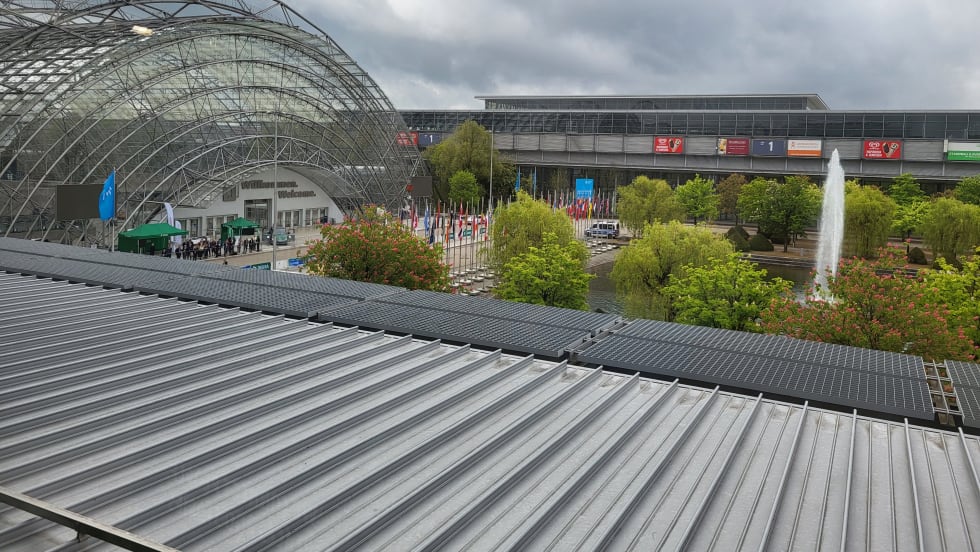
Inside ITF 2026: Transport Reacts to A Challenging World
Transport leaders from around the world gathered in Leipzig, Germany, for the 2026 International Transport Forum to discuss resilience, climate impacts, supply chains and the future of sustainable mobility.
Read More →
Every Ride Tells a Story — But You’re Not Just Selling the Ride
You’re selling the moment, the meaning, and the emotion behind it.
Read More →
How Digital Signage is Reshaping the Traveler Experience at Transportation Hubs
What was once a landscape of static signs has evolved into a responsive, immersive environment powered by real-time visual communication.
Read More →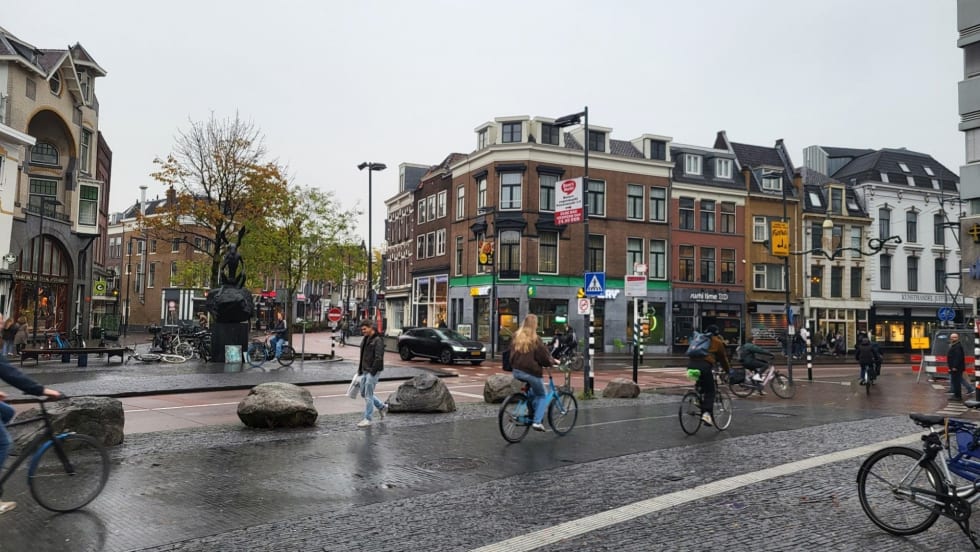
Latest Trends in Urban Mobility from Polis Conference 2025
Polis comprises cities and regions, as well as corporate partners, from across Europe, promoting the development and implementation of sustainable mobility. This year’s event had over a thousand attendees across various policy forums and an exhibition.
Read More →
Why Transit Leaders Require Better Tools for Operational Clarity In Today’s Tech-Fragmented Environment
Across North America and beyond, transit agency officials are contending with a perfect storm of operational headaches and strategic challenges that hamper daily service and long-term progress.
Read More →
The Powerless Brokers: Why California Can’t Build Transit
It is no secret that transit in the U.S. is slow and expensive to build.
Read More →
Why Transport Sustainability Should Focus on People Instead of Cars
Simply incentivizing electrification is not enough to make a meaningful impact; we must shift our focus toward prioritizing public transportation and infrastructure.
Read More →