



The camera doesn’t lie
“If you commit a crime on SEPTA, you will be caught.” Those were the words of SEPTA Police Chief Thomas Nestel when video surveillance footage of a suspect wanted for a robbery and shooting at the North Philadelphia Broad Street Line station was released to local media.

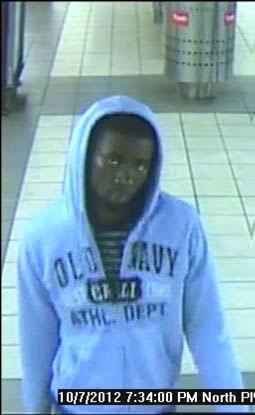
Shawn Walker, the suspect who was arrested for allegedly shooting a rider at the North Philadelphia Broad Street Line Station.
“If you commit a crime on SEPTA, you will be caught.” Those were the words of Southeastern Pennsylvania Transportation Authority (SEPTA) Police Chief Thomas Nestel when video surveillance footage of a suspect wanted for a robbery and shooting at the North Philadelphia Broad Street Line (BSL) station was released to local media.
Just days after the crystal-clear image of the man was made public, Shawn Walker was arrested by Philadelphia Police and charged with robbery, aggravated assault and related charges. Walker is also a suspect in an armed robbery at a nearby grocery store.
Shawn Walker, the suspect who was arrested for allegedly shooting a rider at the North Philadelphia Broad Street Line Station.
In September, 15-year old Darryl Lanier was arrested and charged as an adult with attempted murder for allegedly opening fire at a BSL car, injuring two student passengers. The incident video was so perfect that Philadelphia Police was able to take it to local schools for a quick ID. Lanier’s parents turned him in to the authorities.
Perhaps the most dramatic and compelling of these “caught on tape” incidents occurred in June 2011, when two men with assault rifles opened fire on a stopped SEPTA Route 47 bus, summoned to the scene by a passenger who was upset that a fellow rider admonished her for spanking her child. In all, six of the seven defendants pled guilty to charges, including attempted murder, aggravated assault and related offenses (the seventh was held for trial). The charges and convictions in this case were based on the video from seven cameras on that bus — our “best witness.”
The agency has 10 to 12 cameras on each the 343 cars on the BSL and Market-Frankford Line (MFL) and 12 to 48 cameras at BSL, MFL and downtown Philadelphia Regional Rail stations. By early 2013, SEPTA’s entire bus fleet of almost 1,400 will be camera-equipped. The 120 new Silverliner V Regional Rail train cars all have the technology to use cameras. Nestel also has images of wanted individuals sent to SEPTA officers’ smartphones, allowing them to easily search for suspects while on the beat. The video produced by the vehicle and station cameras has proven highly valuable to SEPTA and Philadelphia Police in their efforts to apprehend criminals and to educate the public on how to be aware of their surroundings and protect their valuables from theft.
During the same week that SEPTA surveillance footage was used to capture the alleged actor of a violent crime, Philadelphia District Attorney Seth Williams announced that eight people were charged with insurance fraud, criminal conspiracy and other related charges for filing false injury claims against SEPTA regarding a 2009 bus accident. In that incident, the left mirror of a stopped SEPTA bus was clipped by the right mirror of a passing armored car. The armored car had no damage; the bus received only a scratch.
Yet earlier this year, SEPTA received claims from eight individuals, all represented by the same attorney and all stating that they were injured in the accident. In total, the complainants were seeking about $80,000 for their medical bills. They might have been paid for their “suffering” had SEPTA’s bus cameras not shown that two of the individuals on the bus were not as injured as they had filed and six of the claimants were not on board the bus at the time of the accident.
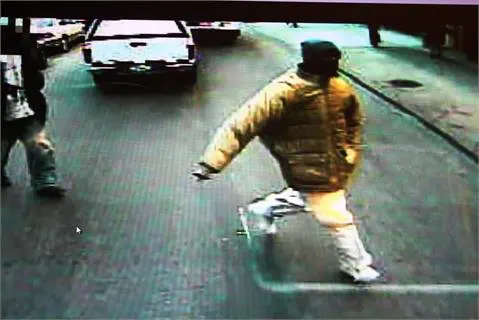
Ronald Moore, running to the scene of a 2008 bus accident.
In October 2011, SEPTA and the Philadelphia DA's Office launched a campaign to stop fraudulent injury claims by highlighting the growing role surveillance video is playing in exposing defrauders. In public service announcements, actual bus video features riders acting out injuries after SEPTA buses are lightly tapped by other vehicles — impacts so minor, most passengers aren't aware an accident has occurred until they see the bus operator begin post-collision procedures. And, some claimants aren't even passengers.
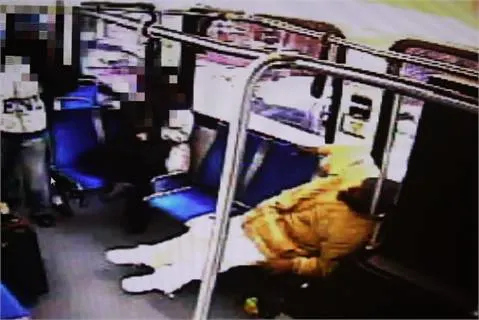
Moore later went inside the bus and acted as if he was injured in the same accident he ran from. He received two years' probation and was fined $1,000 for his fraudulent claim.
In fiscal year 2011, there were 5,219 claims filed against SEPTA; in FY2012 that number dropped to 4,656. The claim payout for both years was about $40 million. If FY2013 continues at its first quarter rate, claims will drop again this year.
Without the videos, these fraudulent claims may have cost transit riders and taxpayers thousands of dollars in injury payouts. Now the payday been denied, and, with the assistance of the DA's Office, these individuals are being held criminally responsible for their actions.
The recent criminal and fraud cases illustrate how important video has become in a new era of crime fighting. Cameras are the extra eyes need to capture criminals and protect passengers and deter crime. The pictures truly are worth a thousand words.
In case you missed it...
Read our METRO blog, "'APTA business members rise through the ranks" here.
More Blog Posts
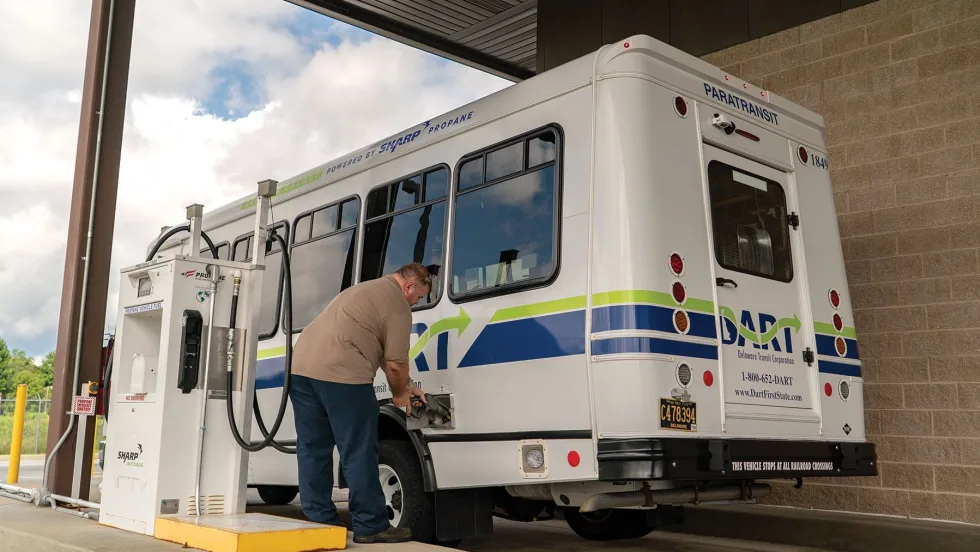
Building a Winning FTA Grant Proposal: Why Propane Autogas is the Pragmatic Choice for Fleet Resilience
With $610 million available through the FY 2026 Buses and Bus Facilities Competitive Program and the Low or No Emission Grant Program, agencies must build a compelling case before the September 21 deadline that balances environmental compliance with operational feasibility.
Read More →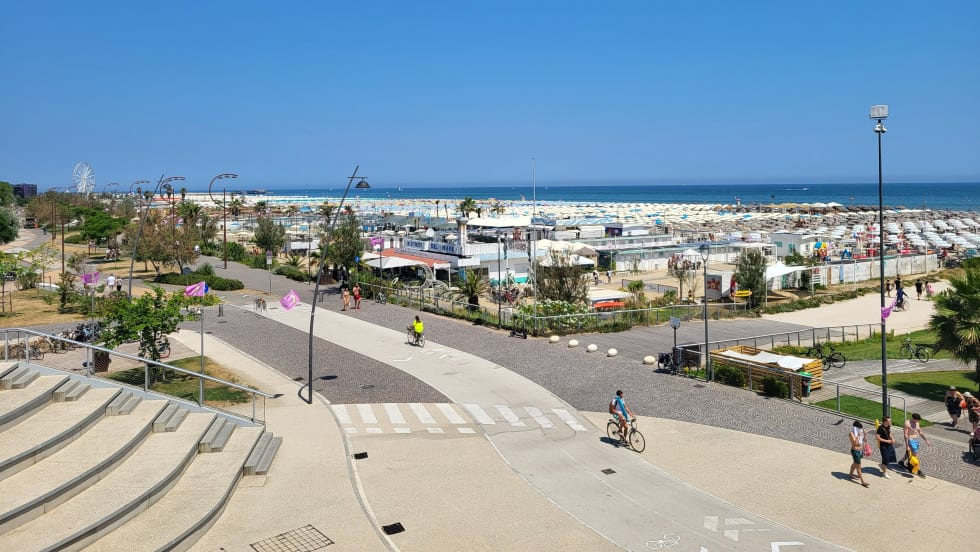
Velo-city Conference 2026: Latest Trends in Cycling as Part of Urban Mobility
The global cycling conference highlighted how cities are integrating bicycles into multimodal transportation networks, expanding cycle tourism and reshaping urban mobility.
Read More →
Kindness Isn’t Soft...It’s Strategic.
Mike Bismeyer — often known as “The Kindness Guy” — has spent more than 17 years in public transit and mobility, serving in industry leadership roles, speaking across North America, and advocating for stronger workplace cultures. But his message doesn’t come from theory. It comes from lived experience.
Read More →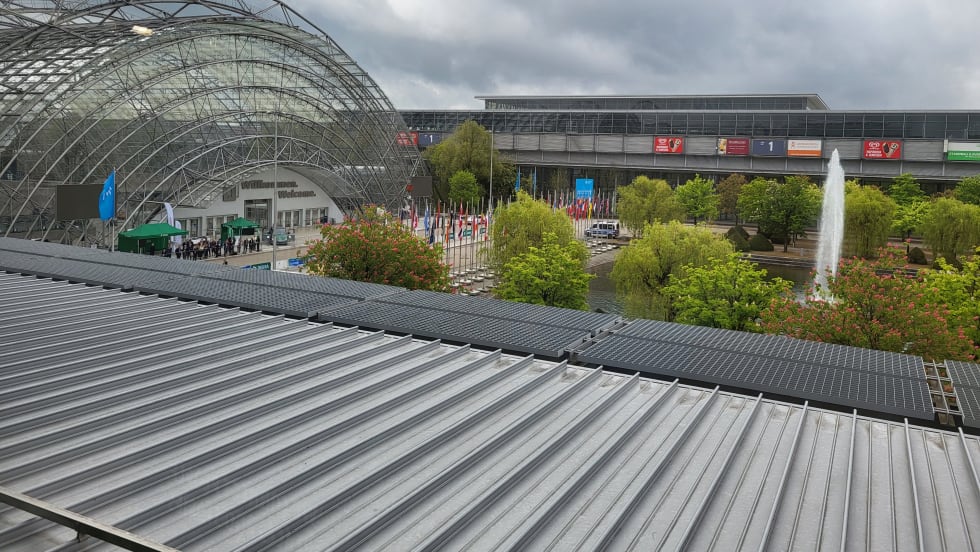
Inside ITF 2026: Transport Reacts to A Challenging World
Transport leaders from around the world gathered in Leipzig, Germany, for the 2026 International Transport Forum to discuss resilience, climate impacts, supply chains and the future of sustainable mobility.
Read More →
Every Ride Tells a Story — But You’re Not Just Selling the Ride
You’re selling the moment, the meaning, and the emotion behind it.
Read More →
How Digital Signage is Reshaping the Traveler Experience at Transportation Hubs
What was once a landscape of static signs has evolved into a responsive, immersive environment powered by real-time visual communication.
Read More →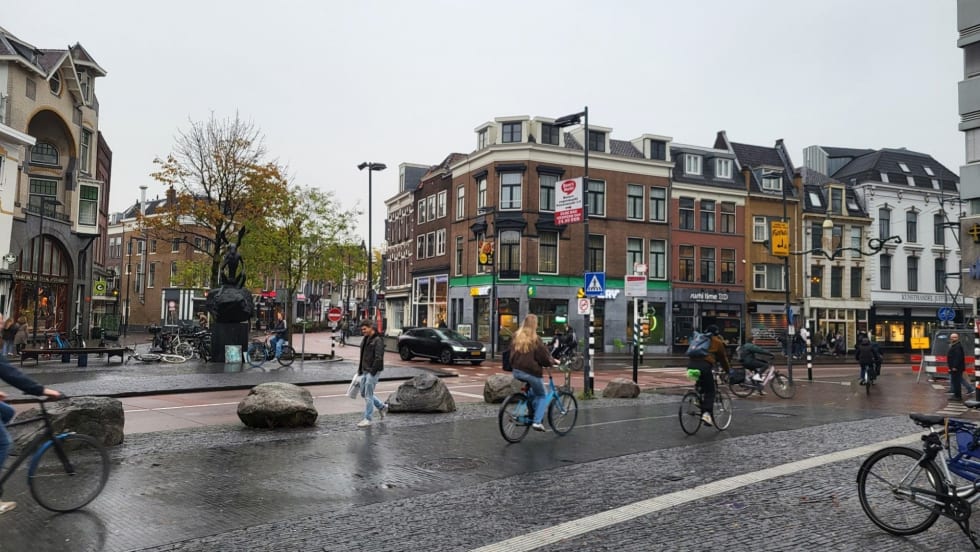
Latest Trends in Urban Mobility from Polis Conference 2025
Polis comprises cities and regions, as well as corporate partners, from across Europe, promoting the development and implementation of sustainable mobility. This year’s event had over a thousand attendees across various policy forums and an exhibition.
Read More →
Why Transit Leaders Require Better Tools for Operational Clarity In Today’s Tech-Fragmented Environment
Across North America and beyond, transit agency officials are contending with a perfect storm of operational headaches and strategic challenges that hamper daily service and long-term progress.
Read More →
The Powerless Brokers: Why California Can’t Build Transit
It is no secret that transit in the U.S. is slow and expensive to build.
Read More →
Why Transport Sustainability Should Focus on People Instead of Cars
Simply incentivizing electrification is not enough to make a meaningful impact; we must shift our focus toward prioritizing public transportation and infrastructure.
Read More →