




Technological innovation is the single-most important factor in determining which industries will thrive and which will wither in the emerging mobility market.
The Major Tech Gap Impeding Mobility Innovation
Cities spend billions of dollars maintaining, upgrading, and operating their public transit networks, but this market receives remarkably short shrift in conversations about the future of mobility.
February 28, 2019
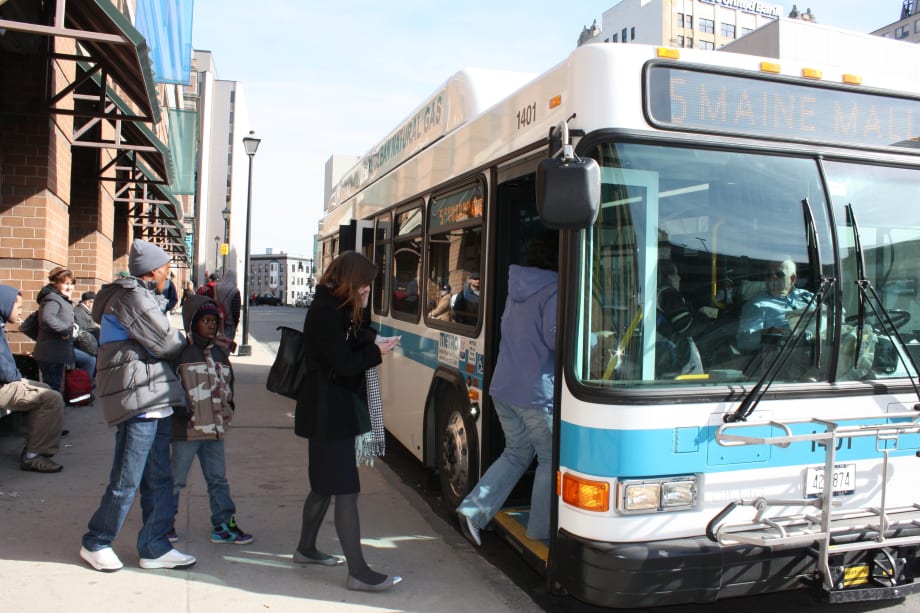
Photo: Portland Metro
4 min to read
Photo: Portland Metro
Which mobility market is larger than the taxi, ride-hailing, and shared-ride markets combined? Look no further than the streets and tunnels of any major city in the world, and you’ll have your answer: the mass transit market.
Cities spend billions of dollars maintaining, upgrading, and operating their public transit networks, but this market receives remarkably short shrift in conversations about the future of mobility, eclipsed by seemingly sexier topics like self-driving cars and on-demand ride-hailing services. But with more than two-thirds of the global population slated to live in urban areas by 2050, investments in world-class mass transit represent the only way to forge a sustainable, efficient, user-centric future for the mobility ecosystem.
For public transit to remain viable in that ecosystem, however, the sector can no longer play second fiddle when it comes to technological innovation, the single most important factor in determining which industries will thrive and which will wither in the emerging mobility market. This isn’t about better Wi-Fi coverage on city buses; it’s about how the mass transit infrastructure must integrate the operational technologies necessary to ensure the industry isn’t swept away by the winds of change.
Far from harnessing the latest technologies in artificial intelligence, fleet management, and big data analytics, many transit authorities instead rely on decades-old software and manual practices. Strapped for funds and overshadowed by other mobility sectors, most public transportation networks lack the tools necessary to optimize, plan, and analyze their operations.
Suboptimal management of mass transit makes networks costlier to operate, complicates the management of driver schedules, and reduces on-time performance and service reliability — leading customers to abandon buses and the rails for services like Uber and Lyft. A University of California-Davis study released in 2017 found that up to 61% of ride-hailing trips “would not have been made at all, or made by walking, biking, or transit.”
Hailing an Uber rather than waiting for a train that may or may not arrive on schedule may strike many time-strapped commuters as the most efficient, low-stress option — but writ large, this choice is a recipe for ever-increasing congestion, more carbon emissions, and perpetually subpar service from mass transit providers.
Technology can prevent this scenario and safeguard mass transit’s vital role in the mobility ecosystem — but the industry can’t afford to delay.
The holy grail for mass transit operations is the ability to better manage operations, with more seamless and efficient planning and scheduling. A plethora of variables influence operations, including driver needs, depots, vehicle maintenance, and more, making it all the more difficult to ensure that all runs according to plan.
Fortunately, a number of tech-savvy cities are paving the path toward a more intelligent future for public transportation. Take Portland, Oregon, whose system has been hailedas the embodiment of forward-thinking transit innovation. Seeking to broaden public transit’s appeal, particularly among the highly wired, the city allows users to plan their journeys on their smartphones, where riders can receive updates on arrival times and even pay their fares. Additionally, transit officials use software systems that track fleet performance, generate data on ridership in real time, and enable planners to better plan operations.
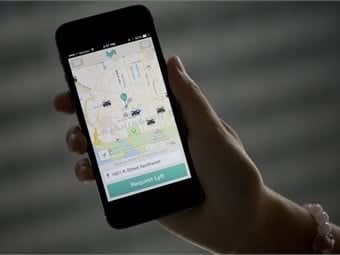
Photo: Lyft
Most transit agencies have yet to tap into the immense power of cloud resources, which provide quicker compute results and allow data sharing and collaboration within transit agencies. McKinsey points to the integration of data from the IoT infrastructure and the introduction of autonomous technologies, including driverless fleets, as game-changing innovations that will equip public transportation authorities with the tools they need to drive down costs, optimize performance, and remain competitive in an increasingly crowded mobility landscape.
If these benefits are to crystallize, stakeholders across the mobility ecosystem must commit to building state-of-the-art transit networks. A mix of private-sector investment and R&D and public funding, matched by agencies’ commitment to world-class service and advanced technology, will unleash innumerable benefits for passengers and the planet, from more reliable service to cleaner air. It’s time the industry commits to that future now — before the innovation train leaves the station.
Amos Haggiag is the co-founder and CEO of Optibus, which helps transit providers better run mass-transportation through advanced artificial intelligence and optimization algorithms.
Subscribe to Our Newsletter
More Blog Posts
Building a Winning FTA Grant Proposal: Why Propane Autogas is the Pragmatic Choice for Fleet Resilience
With $610 million available through the FY 2026 Buses and Bus Facilities Competitive Program and the Low or No Emission Grant Program, agencies must build a compelling case before the September 21 deadline that balances environmental compliance with operational feasibility.
Read More →
Velo-city Conference 2026: Latest Trends in Cycling as Part of Urban Mobility
The global cycling conference highlighted how cities are integrating bicycles into multimodal transportation networks, expanding cycle tourism and reshaping urban mobility.
Read More →
Kindness Isn’t Soft...It’s Strategic.
Mike Bismeyer — often known as “The Kindness Guy” — has spent more than 17 years in public transit and mobility, serving in industry leadership roles, speaking across North America, and advocating for stronger workplace cultures. But his message doesn’t come from theory. It comes from lived experience.
Read More →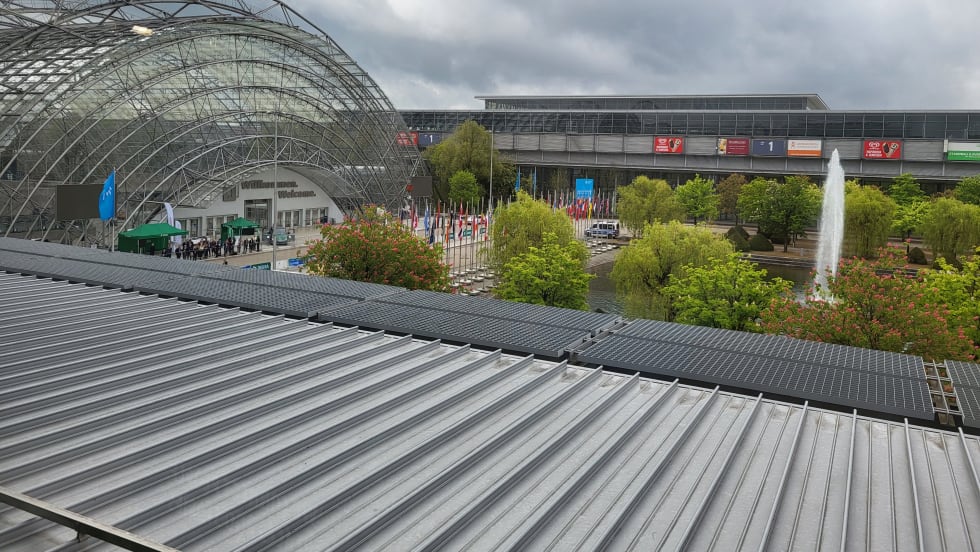
Inside ITF 2026: Transport Reacts to A Challenging World
Transport leaders from around the world gathered in Leipzig, Germany, for the 2026 International Transport Forum to discuss resilience, climate impacts, supply chains and the future of sustainable mobility.
Read More →
Every Ride Tells a Story — But You’re Not Just Selling the Ride
You’re selling the moment, the meaning, and the emotion behind it.
Read More →
How Digital Signage is Reshaping the Traveler Experience at Transportation Hubs
What was once a landscape of static signs has evolved into a responsive, immersive environment powered by real-time visual communication.
Read More →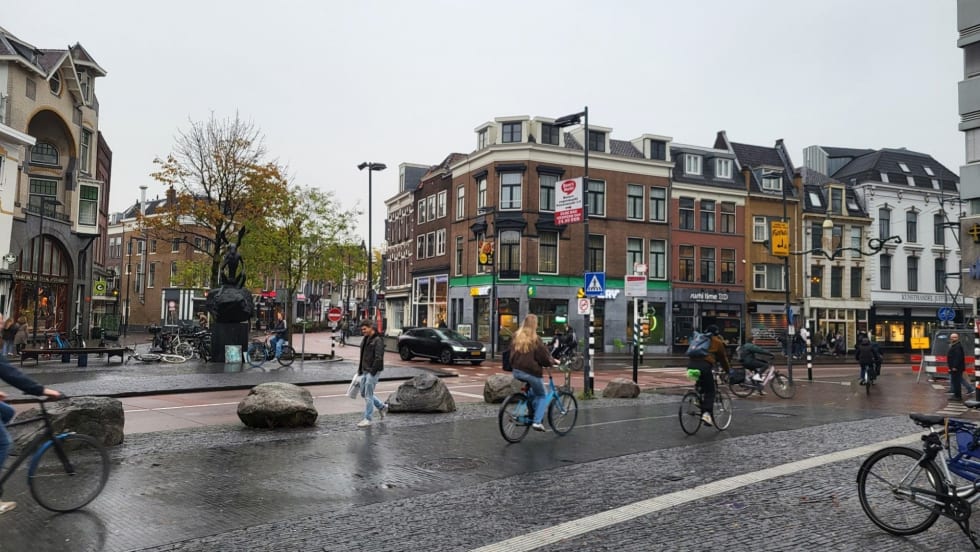
Latest Trends in Urban Mobility from Polis Conference 2025
Polis comprises cities and regions, as well as corporate partners, from across Europe, promoting the development and implementation of sustainable mobility. This year’s event had over a thousand attendees across various policy forums and an exhibition.
Read More →
Why Transit Leaders Require Better Tools for Operational Clarity In Today’s Tech-Fragmented Environment
Across North America and beyond, transit agency officials are contending with a perfect storm of operational headaches and strategic challenges that hamper daily service and long-term progress.
Read More →
The Powerless Brokers: Why California Can’t Build Transit
It is no secret that transit in the U.S. is slow and expensive to build.
Read More →
Why Transport Sustainability Should Focus on People Instead of Cars
Simply incentivizing electrification is not enough to make a meaningful impact; we must shift our focus toward prioritizing public transportation and infrastructure.
Read More →