



Transit fare hikes getting you down? Blame the banks.
A new report says that many transit agencies are getting burned in deals they made with bailed-out Wall Street banks. Many are losing millions of dollars every year from budgets that are already rail-thin. Can they claim they are “too big to fail?”

This week, the Refund Transit Coalition, a group of transit advocates, workers and supporters, including the Amalgamated Transit Union and the Transportation Equity Network, released an interesting report. It alleges that a major cause of many recent fare hikes and service cuts is due to interest swaps: financial arrangements that transit systems across the U.S. made with banks on a percentage of their debts, which ended up working in favor of the banks when interest rates plummeted in 2008 and were kept artificially low because of the recession.
We got wind of the report, “Riding the Gravy Train – How Wall Street is Bankrupting our Public Transit Agencies,” through WNYC, which ran a story on how the deal has caused the New York Metropolitan Transportation Authority (N.Y. MTA) to lose almost $114 million a year and how the agency will likely continue to lose money on the deals for the next 30 years.
Since the transit systems need to pay for operations, they have to raise fares and cut service to make up for the substantial losses, which are further exacerbating budgets alongside lower tax revenues. Adding insult to injury, many of these Wall Street banks, which were bailed out with taxpayer money, the report pointed out, “use their profits to lobby against laws that aim to curb their abuses, to create and inflate the next economic bubble, to find ways to avoid paying their fair share in taxes and pay out billions of dollars in bonuses.”
Other affected systems, according to the report, include theLos Angeles County Metropolitan Transportation Authority, with $19.6 million in annual swap losses; the Southeastern Pennsylvania Transportation Authority and the City of Philadelphia, with $39 million in losses; and the Chicago Transit Agency, which suffered the second-highest loss after N.Y. MTA, hemorrhaging $88.2 million.
The report also noted that the Massachusetts Bay Transportation Authority (MBTA), another system burned by the deal, has “the highest debt burden of any U.S. transit agency,” and nearly every dollar MBTA collects in fares goes toward paying down the debt. “This crushing debt burden has helped contribute to a FY 2013 deficit of $160 million,” the report adds.
This isn’t the first time we’ve heard this claim about how Wall Street’s high-risk practices have negatively impacted transit. Last October, during the height of the Occupy Wall Street movement, a union official said that he joined the protests because of how these practices were impacting N.Y. MTA’s budget.
However, a N.Y. MTA official disputed the union's calculations to WNYC. He said the swaps “brought predictability to the authority's budget, which needs to be balanced each year,” that the comparison of transactions the agency entered into years ago with “risky variable rate debt right now” is “misleading" and that the swaps enabled the authority to save $248 million.
WNYC also pointed out, though, that the report indicated that was true only until 2007, “when the arrangement allowed the MTA to pay off its debt at nearly a full point below interest rates that were relatively high.”
Meanwhile, whether or not the report is right about the degree of impact the deals have had, the fare increases and service cuts continue to weigh down transit systems, as they struggle daily with rising ridership and less money from local, state and federal sources and are facing yet another transportation reauthorization bill deadline at the end of this month. It just makes me wonder: can transit agencies claim that they’re “too big to fail?”
In case you missed it...
Read our METRO blog, "Courting the next generation of transit riders" here.
More Blog Posts
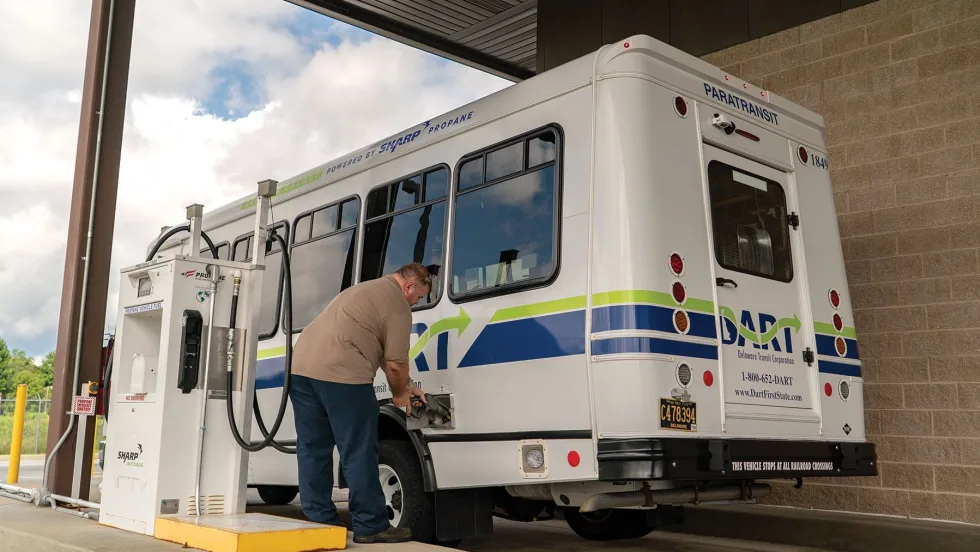
Building a Winning FTA Grant Proposal: Why Propane Autogas is the Pragmatic Choice for Fleet Resilience
With $610 million available through the FY 2026 Buses and Bus Facilities Competitive Program and the Low or No Emission Grant Program, agencies must build a compelling case before the September 21 deadline that balances environmental compliance with operational feasibility.
Read More →
Velo-city Conference 2026: Latest Trends in Cycling as Part of Urban Mobility
The global cycling conference highlighted how cities are integrating bicycles into multimodal transportation networks, expanding cycle tourism and reshaping urban mobility.
Read More →
Kindness Isn’t Soft...It’s Strategic.
Mike Bismeyer — often known as “The Kindness Guy” — has spent more than 17 years in public transit and mobility, serving in industry leadership roles, speaking across North America, and advocating for stronger workplace cultures. But his message doesn’t come from theory. It comes from lived experience.
Read More →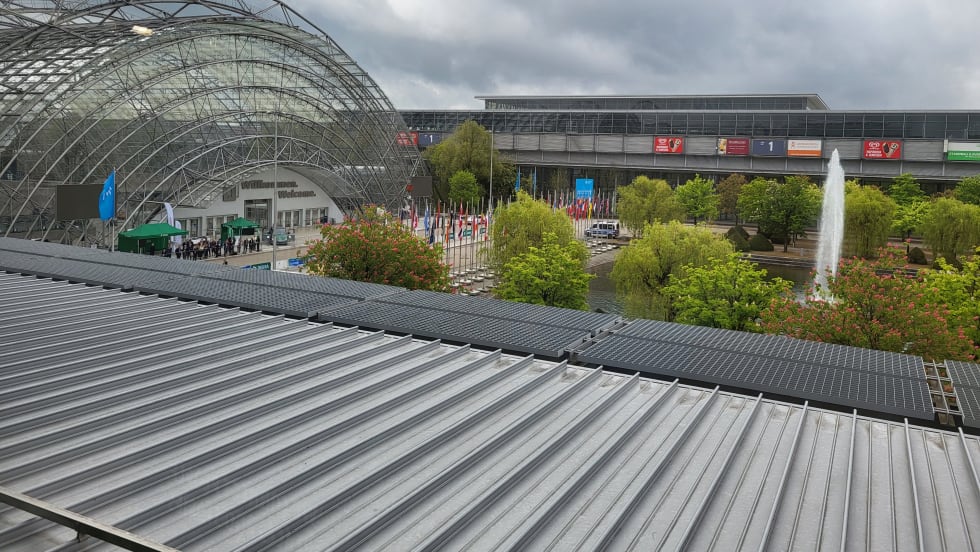
Inside ITF 2026: Transport Reacts to A Challenging World
Transport leaders from around the world gathered in Leipzig, Germany, for the 2026 International Transport Forum to discuss resilience, climate impacts, supply chains and the future of sustainable mobility.
Read More →
Every Ride Tells a Story — But You’re Not Just Selling the Ride
You’re selling the moment, the meaning, and the emotion behind it.
Read More →
How Digital Signage is Reshaping the Traveler Experience at Transportation Hubs
What was once a landscape of static signs has evolved into a responsive, immersive environment powered by real-time visual communication.
Read More →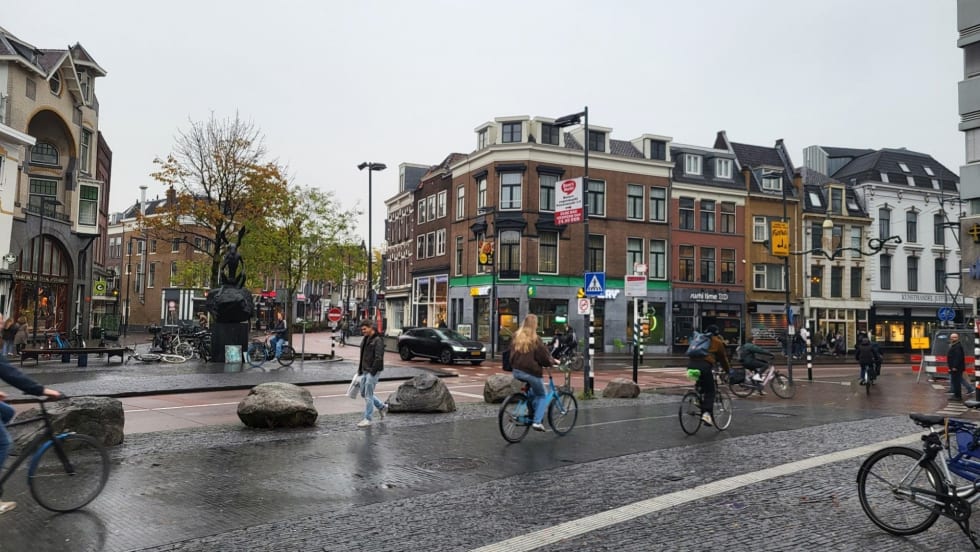
Latest Trends in Urban Mobility from Polis Conference 2025
Polis comprises cities and regions, as well as corporate partners, from across Europe, promoting the development and implementation of sustainable mobility. This year’s event had over a thousand attendees across various policy forums and an exhibition.
Read More →
Why Transit Leaders Require Better Tools for Operational Clarity In Today’s Tech-Fragmented Environment
Across North America and beyond, transit agency officials are contending with a perfect storm of operational headaches and strategic challenges that hamper daily service and long-term progress.
Read More →
The Powerless Brokers: Why California Can’t Build Transit
It is no secret that transit in the U.S. is slow and expensive to build.
Read More →
Why Transport Sustainability Should Focus on People Instead of Cars
Simply incentivizing electrification is not enough to make a meaningful impact; we must shift our focus toward prioritizing public transportation and infrastructure.
Read More →