



What Rail Operators can Learn from Airports in Smoothing Journeys
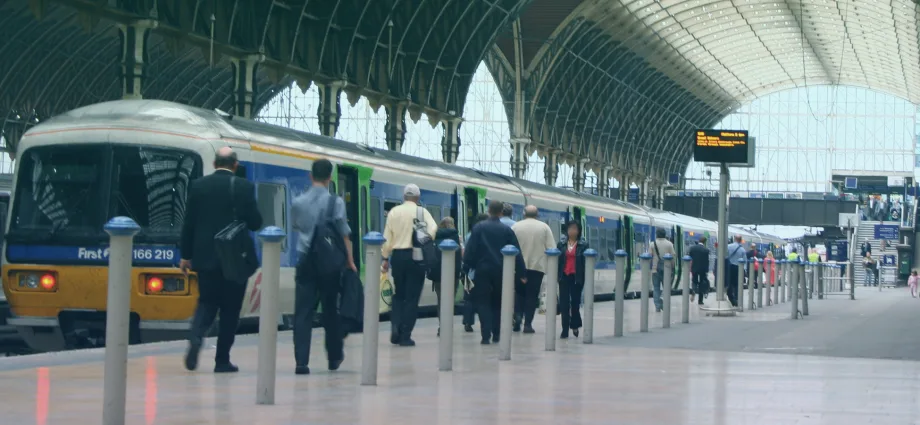
Travel by city rail or metro has a long history of crowded platforms. Many of these stations are old and built-in places where there's either no room to expand or, if underground, very costly to expand.

Safety hinges on the ability to prevent crowds before they form. Security relies on having a clear view of potential problems.
Veovo
Travel by city rail or metro has a long history of crowded platforms. Many of these stations are old and built-in places where there's either no room to expand or, if underground, very costly to expand. The networks and stations are today moving a lot more people than they were planned for when designed decades ago. Busy can quickly turn into unsafe with delays in train arrival or departure, sudden influxes of unexpected groups of people, or platform closures due to maintenance works.
Left unmanaged, crowds on stairs, escalators, and platforms can cause a cycle of service operation issues and quickly turn a busy station into a safety risk hotspot. The more commuters there are, the longer trains must wait for them to board and alight. The later trains are, as a result, the more crowded, uncomfortable, and hazardous platforms become.
Balancing safety, security, and efficiency
We know that positive rider experiences are built on a solid foundation of safety, security, and efficiency.
Safety hinges on the ability to prevent crowds before they form. Security relies on having a clear view of potential problems. And efficiency is only achieved when operators have a clear understanding of demand to plan resources and services accurately.
There's nothing new to this conundrum; it is a challenge that rail operators have been dealing with since the early days. The question is, how can it be solved practically and cost-effectively.
Rail operators aren't in it alone.
Their travel counterparts, airports, also face irregular operations such as delays, mechanical issues, and unexpected passenger behavior — making decisions in real-time to balance resources with demand, minimize disruption, and create positive passenger experiences.
So are there lessons that rail networks can learn from airports, including how to apply proven methodologies and coordinate multiple parties, to control crowding, provide safe travel, and streamline operations?
Holistic problem solving
Airport Operating Centers (APOC) are the eyes and ears of an airport. Organized as a physical or virtual center, the APOC connects airport stakeholders — operations management, airlines, handlers, air traffic control, security, and police — and provides a transparent picture of what's happening around the airport.
The full potential of APOC boils down to capturing data and lots of it. Anything that could impact the timely departure of aircraft or the safety of people — crowding, security queues, road traffic delays, air network traffic changes, aircraft mechanical issues, apron congestions, terminal incidents, and more.
Some rail networks and stations already run control rooms where they can manage signals, monitor trains, and monitor CCTV camera feeds. These centers also allow them to work with emergency services to react quickly to large scale incidents. But simply sharing information doesn't always result in the best action, especially if its impact is not fully anticipated.
Therein lies the strength of APOCs at airports, such as Schiphol and Brussels: predictive intelligence. These airports not only monitor real-time operational performance they also apply advanced analytics across a vast range of data to understand what will happen next. This enables airports to get ahead of issues with their partners — allowing for more efficient use of ground crew and resources, improving on-time departures, and lifting overall air network performance.
Mapping journeys start-to-end with real data
Rail and transit operators can take a page of the airport APOC playbook by setting up a similar structure that provides a more holistic and predictive picture of activity across busy stations and the wider network.
By capturing how people move, dwell, and transfer and linking it with scheduling information, operators can more accurately view trends over time — including passenger load per train, busier or quieter times of day or days of the week, and any effects of delays or planned city events.
Importantly, mapping journeys, and not just movement within stations, helps identify travel patterns and pressure points that are not always evident from entry/exit logs or ticketing information.
A window of opportunity
Advanced analytics combines these historical patterns with real-time movement data to predict the future, allowing rail operators to anticipate deviations from the normal and understand any expected knock-on effect of disruptions. From unexpected traveler surges, train delays, security issues, breakdowns proactive actions can be taken to eliminate or at least reduce any impact in both the station and across the network.
For example, in response to anticipated overcrowding, riders could receive dynamic information on journeys. This could be recommendations at street level to use other entrances, as well as messages on platforms on best places to stand and carriage to use. Or proactive suggestions to use alternative routes, diverting passengers from building hot spots.
Likewise, automated turnstiles can control the flow of people into an already busy station, or digital signage could change to optimize flows to one way rather than bi-directional.
Incorporating real-time platform and train occupancy data can also be used for operational decisions and service optimization, such as minor adjustments to the train release.
From better safety to better services
As well as tackling operational challenges, airports have also been able to use passenger movement patterns to plan for better services and experiences. Many have increased their revenue and lowered their cost to serve as a result.
For example, by installing people movement sensors in the wider airport precinct, a North American airport now understands what transport options travelers use to get to the airport, identify any barriers to timely arrival and optimize connecting transport planning and parking facilities.
Another European airport was able to clearly understand the routes passengers take through the terminal to the gate and the time spent in each area, including shopping and dwell patterns. With this knowledge, they can better plan food and beverage site locations, including the placement of pop-up stores in high-density dwell areas, and adjust flow patterns to improve experiences and likelihood of increased spend.
By understanding restrooms usage patterns and how it linked to the flight schedule, a European airport moved from rigid bathroom cleaning schedules to demand-based services, resulting in improved cleaning efficiency and cleaner facilities.
Following the path of airports to smoother journeys
With the right data, advanced analytics and a coordinated, centralized approach to decision making, it is possible for rail operators to reach new levels of efficiency and performance.
From ensuring that crowds are redistributed as they start forming to allocating staff and services in real-time to where they're needed most, operations can be more efficient, safe, and secure — in turn, attracting more riders and investment dollars.
For airports, investing in centralized, data-driven operations centers has taken the front seat in improving performance, minimizing disruptions, and creating better passenger journeys. There's nothing stopping rail operators from doing the same.
Need to inject some new thinking into your rail planning? Just look to the sky.
More Blog Posts
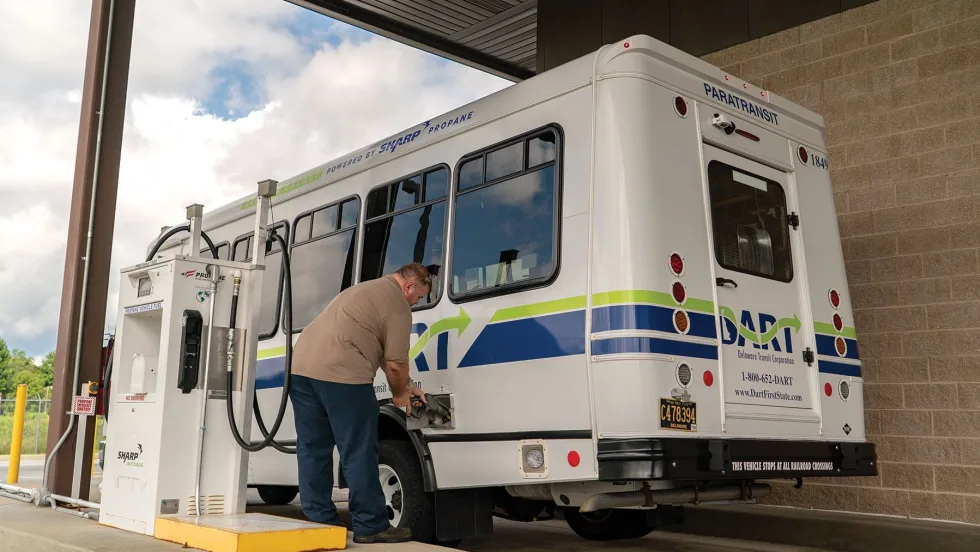
Building a Winning FTA Grant Proposal: Why Propane Autogas is the Pragmatic Choice for Fleet Resilience
With $610 million available through the FY 2026 Buses and Bus Facilities Competitive Program and the Low or No Emission Grant Program, agencies must build a compelling case before the September 21 deadline that balances environmental compliance with operational feasibility.
Read More →
Velo-city Conference 2026: Latest Trends in Cycling as Part of Urban Mobility
The global cycling conference highlighted how cities are integrating bicycles into multimodal transportation networks, expanding cycle tourism and reshaping urban mobility.
Read More →
Kindness Isn’t Soft...It’s Strategic.
Mike Bismeyer — often known as “The Kindness Guy” — has spent more than 17 years in public transit and mobility, serving in industry leadership roles, speaking across North America, and advocating for stronger workplace cultures. But his message doesn’t come from theory. It comes from lived experience.
Read More →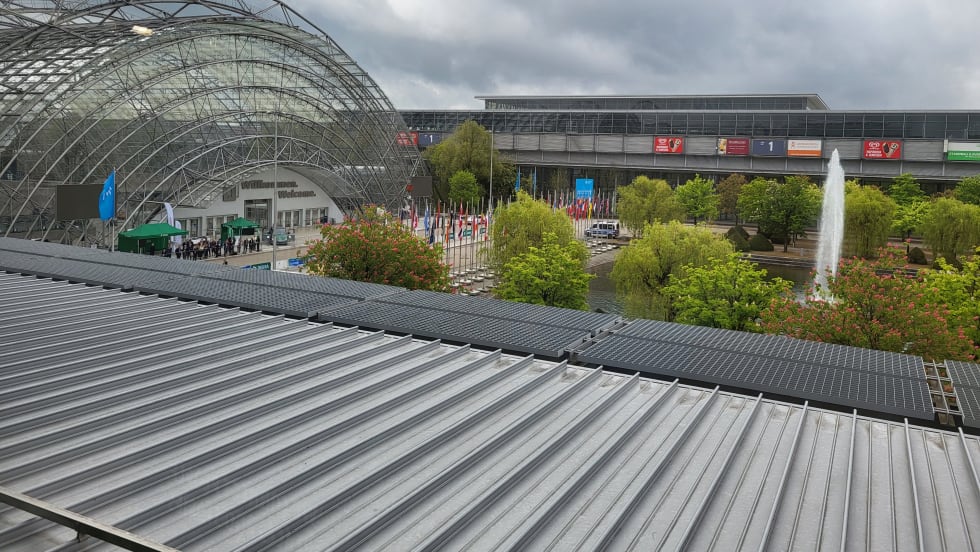
Inside ITF 2026: Transport Reacts to A Challenging World
Transport leaders from around the world gathered in Leipzig, Germany, for the 2026 International Transport Forum to discuss resilience, climate impacts, supply chains and the future of sustainable mobility.
Read More →
Every Ride Tells a Story — But You’re Not Just Selling the Ride
You’re selling the moment, the meaning, and the emotion behind it.
Read More →
How Digital Signage is Reshaping the Traveler Experience at Transportation Hubs
What was once a landscape of static signs has evolved into a responsive, immersive environment powered by real-time visual communication.
Read More →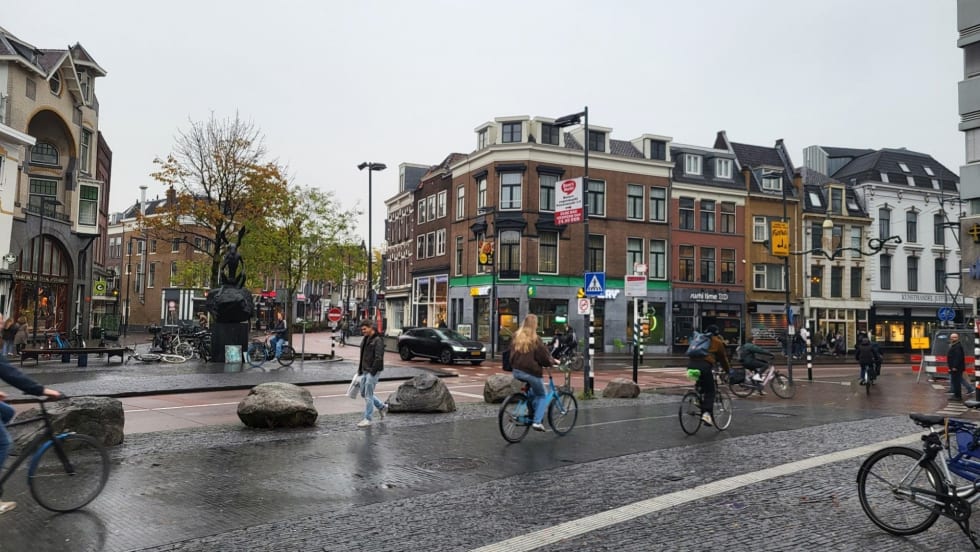
Latest Trends in Urban Mobility from Polis Conference 2025
Polis comprises cities and regions, as well as corporate partners, from across Europe, promoting the development and implementation of sustainable mobility. This year’s event had over a thousand attendees across various policy forums and an exhibition.
Read More →
Why Transit Leaders Require Better Tools for Operational Clarity In Today’s Tech-Fragmented Environment
Across North America and beyond, transit agency officials are contending with a perfect storm of operational headaches and strategic challenges that hamper daily service and long-term progress.
Read More →
The Powerless Brokers: Why California Can’t Build Transit
It is no secret that transit in the U.S. is slow and expensive to build.
Read More →
Why Transport Sustainability Should Focus on People Instead of Cars
Simply incentivizing electrification is not enough to make a meaningful impact; we must shift our focus toward prioritizing public transportation and infrastructure.
Read More →