



When branding new transit services, consider users first
The decision to add a new transit service can be energizing for transit agencies and communities alike. At the same time, however, this type of decision introduces a host of new questions your agency will need to address, including “What should the new service be named? What will the logo and branding look like? How will we reach consensus with all stakeholders? And, most importantly, “How will we attract and inform people who will want to use the system, so that the new line will be a success?”

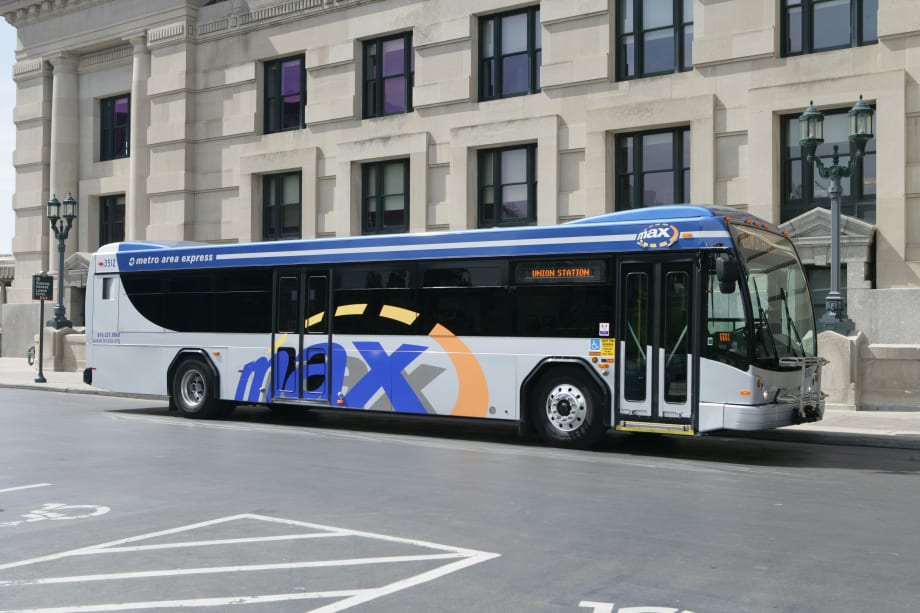
The overall MAX brand and marketing strategy was a success, in so far as the line increased ridership by 60%.
The decision to add a new transit service can be energizing for transit agencies and communities alike. At the same time, however, this type of decision introduces a host of new questions your agency will need to address, including “What should the new service be named? What will the logo and branding look like? How will we reach consensus with all stakeholders? And, most importantly, “How will we attract and inform people who will want to use the system, so that the new line will be a success?”
The key to ensuring all these questions are answered properly lies in focusing first on users and the experience you want them to have with the new service.
This “experience” is composed of every encounter a customer has with your transit service, from advertising to signage to buying a ticket to using a ticket to vehicle cleanliness to the attitude of customer agents, record of punctuality, ease of navigating the system and more. Here are a few things to consider.
Simple but not easy
All transit agencies consider their current customers, but few think to consider the potential customers they could attract with a more accessible and appealing brand experience.
We realize a user-focused experience can be difficult to adopt, especially for regions with many different services that likely have been primarily logistics driven for a century or more. But, agencies need to start making this shift, because the biggest opportunity for growth lies in the ability to attract new users-by-choice — and those users are not going to choose a sub par experience when they have other options.
A user-by-choice differs from a user-by-need in that the former has other options for getting from point A to point B, be it taxi, walking or automobile. A user-by-need has no other option and will continue to use the service — until another more viable option is available.
The attitude and perception of user-by-need, however, plays an important role in the transit experience because they are your default brand ambassadors. As their experience improves, so too will the timbre of the small talk and general attitude in and around the transit continuum, reassuring the user by choice that riding is a smart and positive decision.
From a branding standpoint, the way you approach attracting the user-by-choice varies depending on whether the line is brand new and its image is yours to create or whether it is an existing line and perhaps has a negative image to overcome.
For example, when bus rapid transit (BRT) was launched by the Kansas City Area Transportation Authority in 2004 it was named MAX, to differentiate it from the Metro bus, which had acquired the unfortunate reputation as a bus you take when you have no other option.
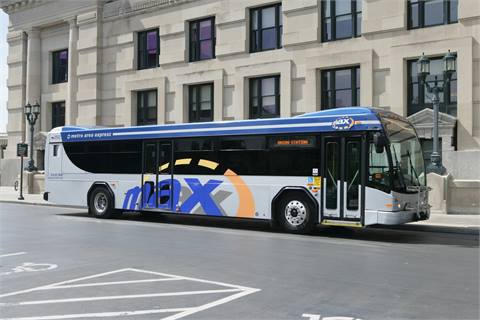
The overall MAX brand and marketing strategy was a success, in so far as the line increased ridership by 60%.
In addition to the new name, all brand design was focused on communicating the immediate benefits of MAX — friendly, safe, trustworthy and providing vitality. Everything from the brand identity, to vehicle wraps, shelters, markers and maps were designed to communicate these aspects of the MAX brand personality. (Note: MAX was Willoughby Design project.)
When rebranding transit, agencies can tend to default to the “dump the pump” and “ride green” message. This works for some audiences, primarily those who have always been green warriors, but the green messaging actually doesn’t do much to help convert the majority of people. It’s much more effective to remind riders-by-choice of the benefits of using transit, such as avoiding traffic; not paying parking fees; having time to read; listen to music; meditate; and reassure them that their transit experience will be an inviting, safe and easy one.
The overall MAX brand and marketing strategy was a success, in so far as the line increased ridership by 60%. It also helped turn the tide of public perception towards buses and mass transit in Kansas City. The MAX system and similar BRT services are extending throughout the region as will a streetcar line. But, all involved realize the new challenge is in syncing up the brand/identity throughout the system.
Here are some other things to consider when branding a new transit service.
Think through naming of transit services and lines
Thoroughly think through what lines are called, be it numbers, colors, letters or combination, so as to ensure that the structure will still make sense when lines are added or discontinued over time as people move around.
Clarity trumps accuracy for maps and navigation assistance
Balance accuracy with legibility when creating maps depicting various systems and stops, enabling people to figure out how to get where they want to go without necessarily having to depict every twist and turn.
Signage must be smart, intuitive and forgiving
Signage should be baked into the system plan. Signs should anticipate and answer user questions and provide them with how to get more information if needed. It should be easy to determine what type of transportation is available. At each stop, cues need to be provided so that people don’t become disoriented if they haven’t been paying attention.
Leverage all digital tools
Text alerts and smart phone apps can go along way to reassure users and extend their patience with transit in times of bad weather or traffic. Also, consider a majority of smart phone users default to using Google Maps, which provides real time guidance and information. No need to build your own app if you can integrate and leverage existing APIs.
Opt for timeless and inclusive over clever and trendy
Transit brands have a tendency to live on for a very long time. Consider the NYC subway system and its colored circles and iconic letters, in place since the late 1960’s. (Contrary to popular belief, the initial typeface was Standard – the conversion to Helvetica didn’t begin until the 1980’s.Interesting book on the subject here.)
Keep naming as simple as possible
Though there will be places that want to be unique, in general naming also should be timeless and simple, for example, the “T” in Boston. Keeping it simple and regionally neutral also helps tremendously when you need multiple municipalities to feel ownership.
Be the brand you say you are.
The best identity and marketing in the world cannot overcome consistently negative user experiences. Make sure there is a mechanism in place to monitor service levels and immediately address any issues that could potentially scare off users. Because when it comes to inspiring transit users-by-choice to adopt your transit service, it’s not enough to just look nice, you actually have to be nice, too.
Zack Shubkagel is partner and creative director for the San Francisco office of Willoughby Design, a strategic branding and design firm, providing brand strategy and inclusive design for clients such as Kauffman Foundation, the United Nations, Hallmark Cards, Lee Jeans, Einstein Bros. Bagels and Panera Bread. Reach him at zshubkagel@willoughbydesign.com
More Blog Posts
Building a Winning FTA Grant Proposal: Why Propane Autogas is the Pragmatic Choice for Fleet Resilience
With $610 million available through the FY 2026 Buses and Bus Facilities Competitive Program and the Low or No Emission Grant Program, agencies must build a compelling case before the September 21 deadline that balances environmental compliance with operational feasibility.
Read More →
Velo-city Conference 2026: Latest Trends in Cycling as Part of Urban Mobility
The global cycling conference highlighted how cities are integrating bicycles into multimodal transportation networks, expanding cycle tourism and reshaping urban mobility.
Read More →
Kindness Isn’t Soft...It’s Strategic.
Mike Bismeyer — often known as “The Kindness Guy” — has spent more than 17 years in public transit and mobility, serving in industry leadership roles, speaking across North America, and advocating for stronger workplace cultures. But his message doesn’t come from theory. It comes from lived experience.
Read More →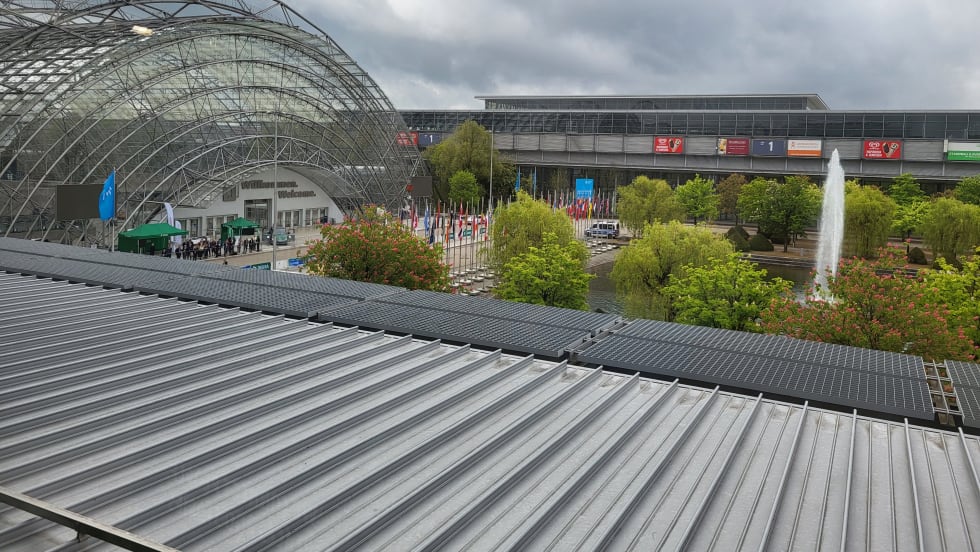
Inside ITF 2026: Transport Reacts to A Challenging World
Transport leaders from around the world gathered in Leipzig, Germany, for the 2026 International Transport Forum to discuss resilience, climate impacts, supply chains and the future of sustainable mobility.
Read More →
Every Ride Tells a Story — But You’re Not Just Selling the Ride
You’re selling the moment, the meaning, and the emotion behind it.
Read More →
How Digital Signage is Reshaping the Traveler Experience at Transportation Hubs
What was once a landscape of static signs has evolved into a responsive, immersive environment powered by real-time visual communication.
Read More →
Latest Trends in Urban Mobility from Polis Conference 2025
Polis comprises cities and regions, as well as corporate partners, from across Europe, promoting the development and implementation of sustainable mobility. This year’s event had over a thousand attendees across various policy forums and an exhibition.
Read More →
Why Transit Leaders Require Better Tools for Operational Clarity In Today’s Tech-Fragmented Environment
Across North America and beyond, transit agency officials are contending with a perfect storm of operational headaches and strategic challenges that hamper daily service and long-term progress.
Read More →
The Powerless Brokers: Why California Can’t Build Transit
It is no secret that transit in the U.S. is slow and expensive to build.
Read More →
Why Transport Sustainability Should Focus on People Instead of Cars
Simply incentivizing electrification is not enough to make a meaningful impact; we must shift our focus toward prioritizing public transportation and infrastructure.
Read More →