



Why Transit Should Pay Attention to Uber
They inadvertently implemented a 21st century solution to transit’s biggest problem today: adapting to new travel patterns and behaviors.

One of the biggest local transport innovations in recent years has been Uber, the technology company that created a platform for independent private sedans to connect with riders who want to travel. You can “hail” a car, track it in real time and pay for your ride using an app on your smart phone. Their rapid expansion from their inception in 2009, both domestically and internationally, has garnered loyal fans, competition from other transport companies and controversy over their operating practices.
So why should transit operators care?
Although Uber doesn’t consider itself a transportation provider, they inadvertently implemented a 21st century solution to transit’s biggest problem today: adapting to new travel patterns and behaviors. The idea here is not to replicate Uber’s business model, but to apply its operating principles in meeting the public’s travel needs. In other words, transit organizations can utilize app-based logistics systems to create on-demand bus services.
The goal is to create more opportunities to achieve profitable revenue service hours for transit vehicles. In major cities, transit organizations have to operate an unbalanced service plan to meet peak demand. They have high supply during the morning and evening, but have to scale back during off-peak hours.
To meet demand, organizations have to include non-revenue operating hours, off-duty employee hours and idle equipment hours. In less densely populated areas, transit organizations are only able to operate limited schedules because of their resources, thus reducing the likelihood of public patronage. These underutilized resources contribute to a higher cost per operating hour, thus driving up the level of subsidy needed to fund the service. By creating and implementing a better way to scale and meet demand at all hours, organizations will be able to induce more riders to travel, increase bottom line revenue and decrease reliance on subsidies.
Technology alone is not the answer, as the equipment used is equally important. Not all services or areas require a fixed route or high capacity buses. In many cases, an on-demand service using smaller buses or vans can drive more people to transit because they can access a wider array of city, suburban, and rural streets. With this model, service managers can reallocate drivers and vehicles to where people are in real time, thereby creating more passenger trips. Furthermore, they can reduce potential dead-mile costs in positioning by optimally routing vehicles to transport passengers in moving in the direction of the “hot spot.”
The on-demand service model is not new or far-fetched. Many paratransit operations manage reservation-based door-to-door services, including Access-A-Ride in New York City, CCT Connect in Philadelphia and SF Paratransit in San Francisco. These services generally use a mix of mini buses, vans and cars to transport these riders, a model which could also fit an on-demand general public operation.
Other organizations, such as the Denver Regional Transportation District (RTD), already operate flex-route services. Denver’s Call-n-Ride service uses mini buses or vans operating on a fixed route that will divert to areas within a certain radius away from the route by advanced reservation.
Should transit organizations give up on high-capacity buses and fixed-route service? Of course not, as each has its own use and need. The best solution is a mix of both fixed-route and on-demand service, similar to what RTD Denver currently has. On-demand transit services managed through a mix of app, text, phone and/or Web-based interfaces makes transit more accessible. Even more important, this service model allows transit operators to better react to real-time changes in passenger demand.
By synergizing available resources to where and when they are needed, transit organizations have an opportunity to increase revenue and decrease costs. Meeting ridership demand today means being creative in how service is offered and delivered. This is a good first step toward that.
In case you missed it...
Read our METRO blog, "'Leadership Circle' Brings Together Transportation, Tech Visionaires."
More Blog Posts
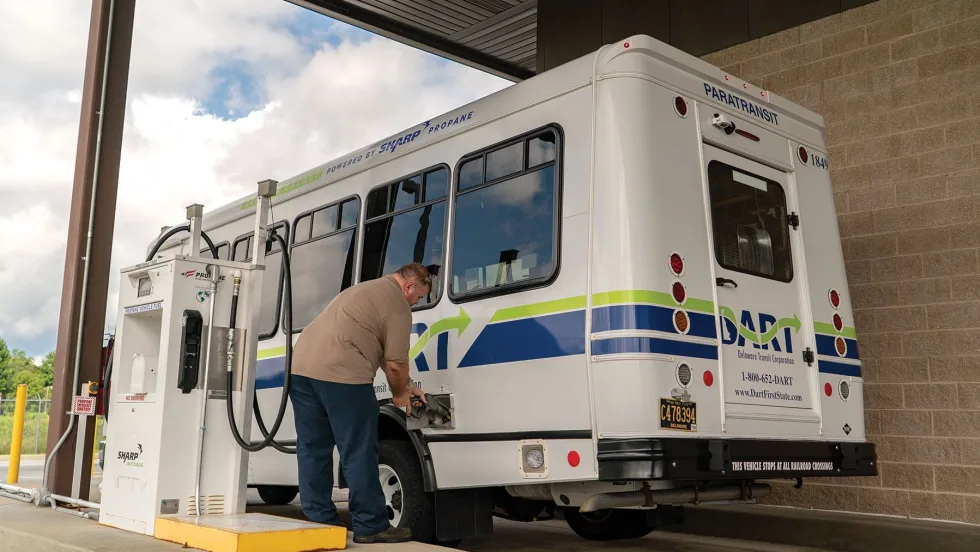
Building a Winning FTA Grant Proposal: Why Propane Autogas is the Pragmatic Choice for Fleet Resilience
With $610 million available through the FY 2026 Buses and Bus Facilities Competitive Program and the Low or No Emission Grant Program, agencies must build a compelling case before the September 21 deadline that balances environmental compliance with operational feasibility.
Read More →
Velo-city Conference 2026: Latest Trends in Cycling as Part of Urban Mobility
The global cycling conference highlighted how cities are integrating bicycles into multimodal transportation networks, expanding cycle tourism and reshaping urban mobility.
Read More →
Kindness Isn’t Soft...It’s Strategic.
Mike Bismeyer — often known as “The Kindness Guy” — has spent more than 17 years in public transit and mobility, serving in industry leadership roles, speaking across North America, and advocating for stronger workplace cultures. But his message doesn’t come from theory. It comes from lived experience.
Read More →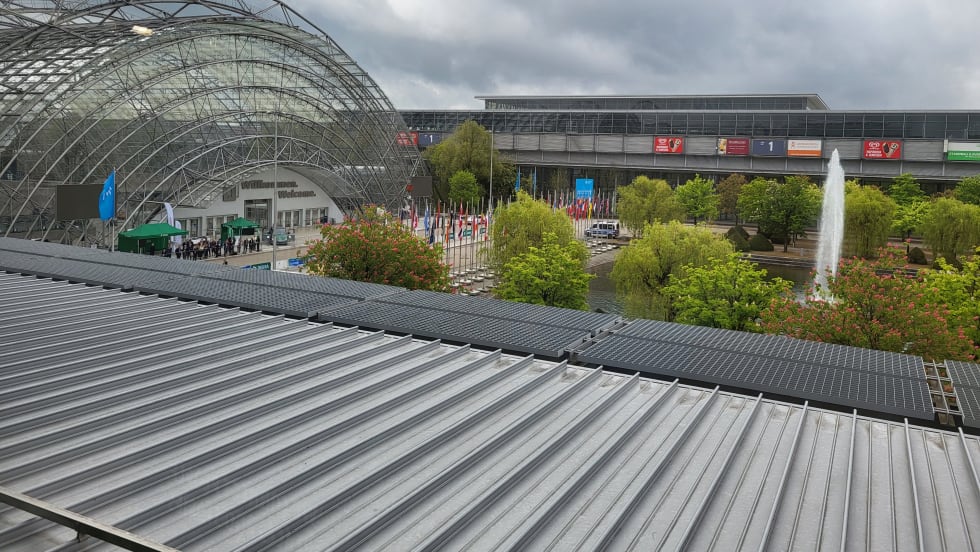
Inside ITF 2026: Transport Reacts to A Challenging World
Transport leaders from around the world gathered in Leipzig, Germany, for the 2026 International Transport Forum to discuss resilience, climate impacts, supply chains and the future of sustainable mobility.
Read More →
Every Ride Tells a Story — But You’re Not Just Selling the Ride
You’re selling the moment, the meaning, and the emotion behind it.
Read More →
How Digital Signage is Reshaping the Traveler Experience at Transportation Hubs
What was once a landscape of static signs has evolved into a responsive, immersive environment powered by real-time visual communication.
Read More →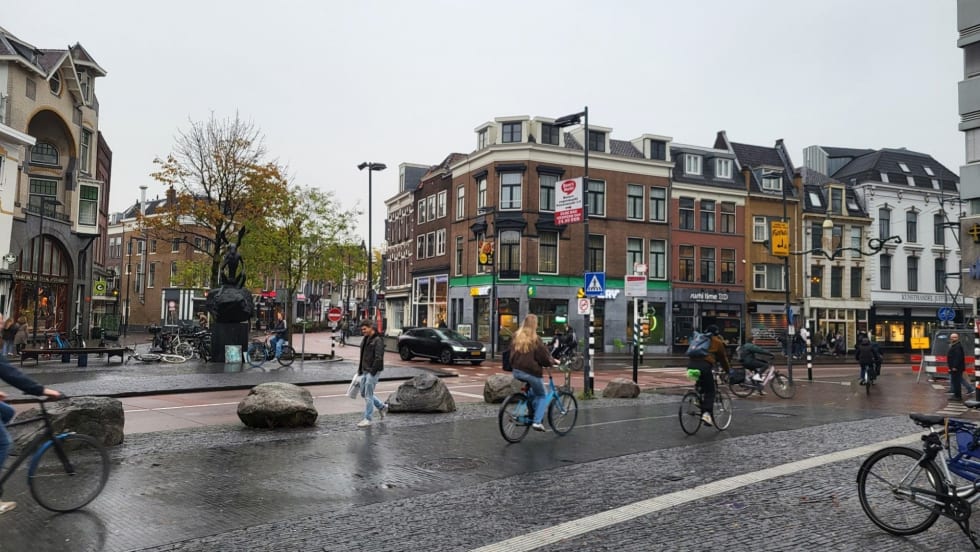
Latest Trends in Urban Mobility from Polis Conference 2025
Polis comprises cities and regions, as well as corporate partners, from across Europe, promoting the development and implementation of sustainable mobility. This year’s event had over a thousand attendees across various policy forums and an exhibition.
Read More →
Why Transit Leaders Require Better Tools for Operational Clarity In Today’s Tech-Fragmented Environment
Across North America and beyond, transit agency officials are contending with a perfect storm of operational headaches and strategic challenges that hamper daily service and long-term progress.
Read More →
The Powerless Brokers: Why California Can’t Build Transit
It is no secret that transit in the U.S. is slow and expensive to build.
Read More →
Why Transport Sustainability Should Focus on People Instead of Cars
Simply incentivizing electrification is not enough to make a meaningful impact; we must shift our focus toward prioritizing public transportation and infrastructure.
Read More →