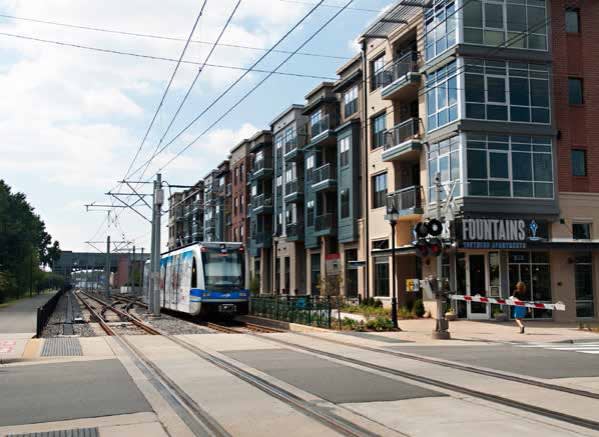
The Charlotte Area Transit System’s (CATS) LYNX Blue Line is the region’s first light rail service spurring development since it opened in 2007. Photo: CATS
3 min to read
The Charlotte Area Transit System’s (CATS) LYNX Blue Line is the region’s first light rail service spurring development since it opened in 2007. Photo: CATS
Nearly three in four Americans (73%) would support changes in land use or zoning regulations in their community that encourage transit oriented development, according to a new America THINKS national public opinion survey by HNTB Corp.
The survey, “Transit Oriented Development in America,” found that more than half (55%) of Americans so value the ability to get to work and play without using a vehicle that they are willing to pay more for their mortgage or rent in order to have this option. This is especially true among millennials* who are much more willing to pay more each month than older Americans (70% versus 49%).
The survey also found that the desire to live near public transportation has increased in the last five years among 29% of Americans. Millennials again take the lead with 36% who want to live near public transportation today more so than five years ago versus 25% of older Americans.
“The desire to more fully integrate lifestyle with mobility options is causing Americans to rethink their priorities about where they choose to live, and how they travel to work and play,” said Mike Sweeney, PE, HNTB sr. VP. “The willingness of people to pay more to live in a particular area in exchange for enhanced lifestyle and mobility options sends a clear message about the growing interest, value and importance of transit-oriented development. This fact will directly impact future decisions about the location and modes of transportation options that respond to these emerging trends.”
Ad Loading...
View of New York City's Hudson Yards looking South from the No. 7 subway station. Rendering: HudsonYards New York
According to the Transit Oriented Development Institute, TOD is a compact development within easy walking distance of transit stations that contains a mix of uses such as housing, jobs, shops, restaurants and entertainment. They are centered on high quality train systems, which greatly reduce the need for driving and energy consumption by up to 85%.
The America THINKS survey found that more than four in five (83 percent) of all Americans were as or more interested in living near accessible public transportation than they were five years ago, including 76% of Americans living in rural areas.
Proximity is key According to the survey, over half (51%) of Americans agree the availability of good public transportation increases their interest in moving to and living in a particular area. Millennials are more likely to base their residence decisions on public transportation availability than older Americans (57% vs. 48%).
Similarly, almost half (47%) of Americans say being in close proximity to public transportation impacts choices about where they live, work and play. This is especially pronounced among millennials versus older Americans (54% vs. 44%).
The survey also found Americans believe numerous benefits result from transit-oriented development. These include reduced dependency on driving (57%); allowing residents to live, work and play in the same area (46%); reducing the area’s carbon footprint or negative environmental impact (44%); access to better life services and stimulating the local economy (both at 43%); better access between urban and suburban areas (42%); access to better entertainment or recreational services (39%); access to better jobs (37%); and revitalizing urban areas (30%).
“Public transportation agencies as well as state and local governments are at the front line of responding to these changes. With thoughtful planning and creativity that could include private sector partnerships, they will have the ability to create exciting new opportunities that will enhance peoples’ lives and build new communities for the future,” Sweeney said.
About the survey HNTB’s America THINKS “Transit Oriented Development in America” survey polled a random nationwide sample of 1002 Americans between April 6 and April 13, 2016. It was conducted by Kelton Global, which used an e-mail invitation and online survey. Quotas were set to ensure reliable representation of the entire U.S. population ages 18 and over. The margin of error is +/- 3.1 percent.
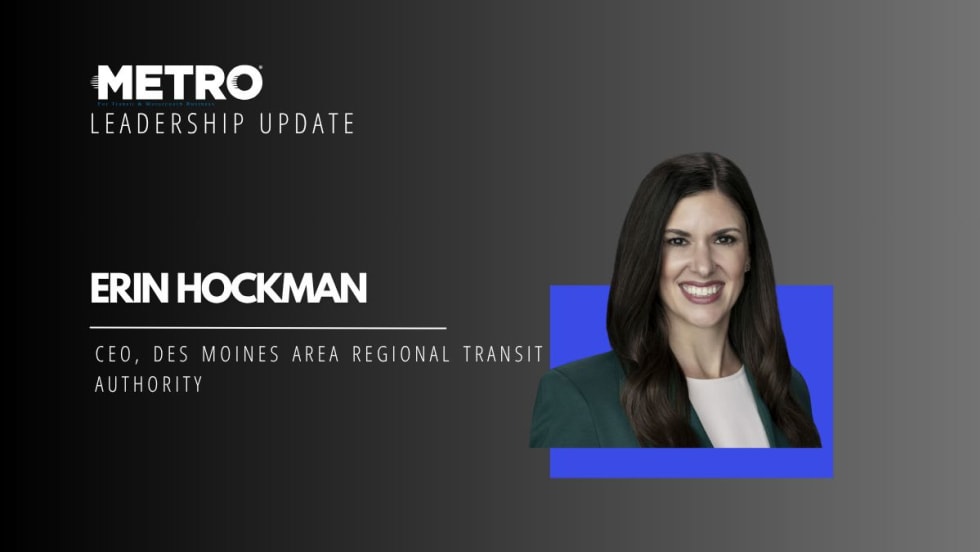
Erin Hockman will officially assume the role on May 7, as current CEO Amanda Wanke departs to take a leadership position with Metro Transit in the Twin Cities.
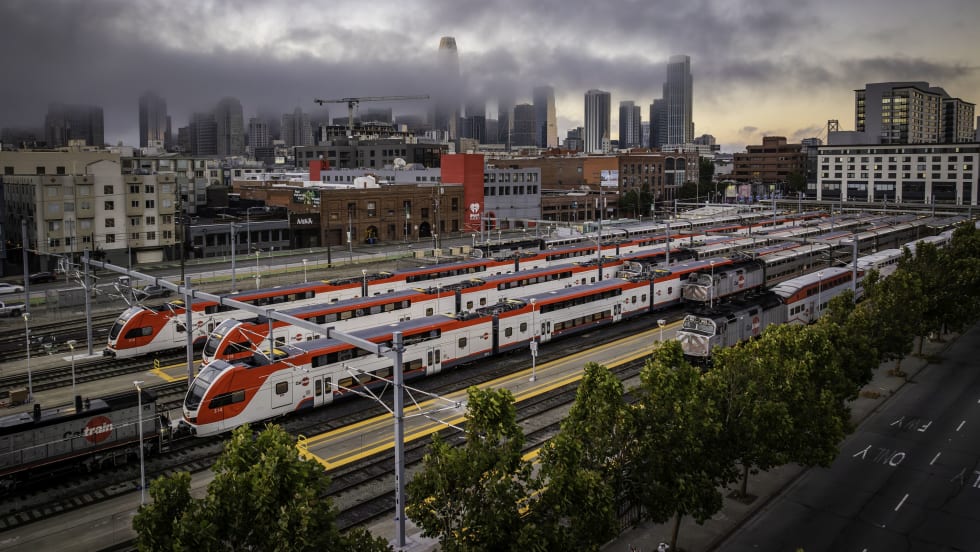
The survey showed that commute trips still make up the majority of ridership, with most riders boarding 2 to 3 days a week, reflecting hybrid work schedules. Two-thirds of Caltrain riders have access to a car, while 37% of Caltrain riders are considered low-income.
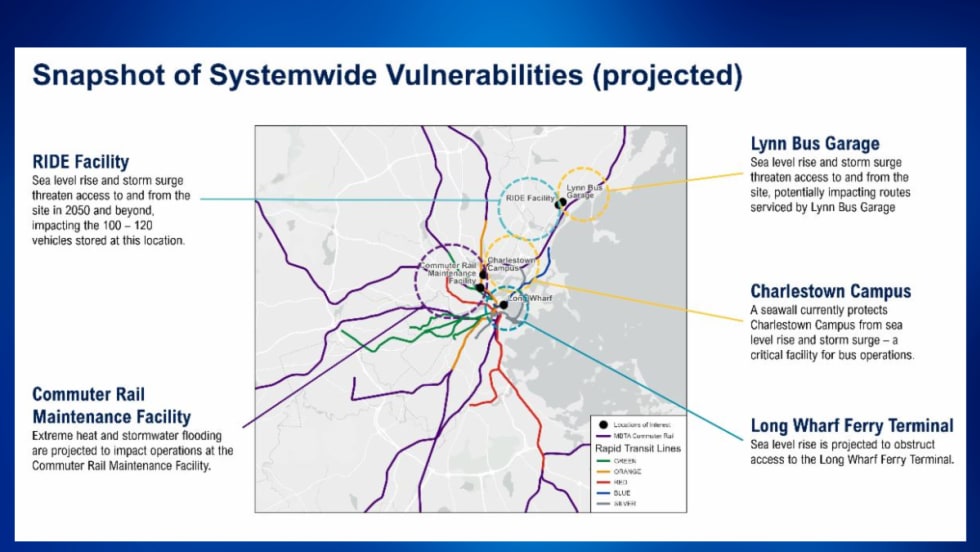
The plan outlines strategies to protect transit infrastructure from extreme weather, prioritize critical investments, and improve system reliability as climate risks intensify.
In this edition, we cover recent appointments and announcements at MCTS, Voith, and more, showcasing the individuals helping to shape the future of transportation.
Advances in data and analytics are giving transit agencies new opportunities to refine maintenance practices, improve efficiency and make more informed decisions about asset performance.
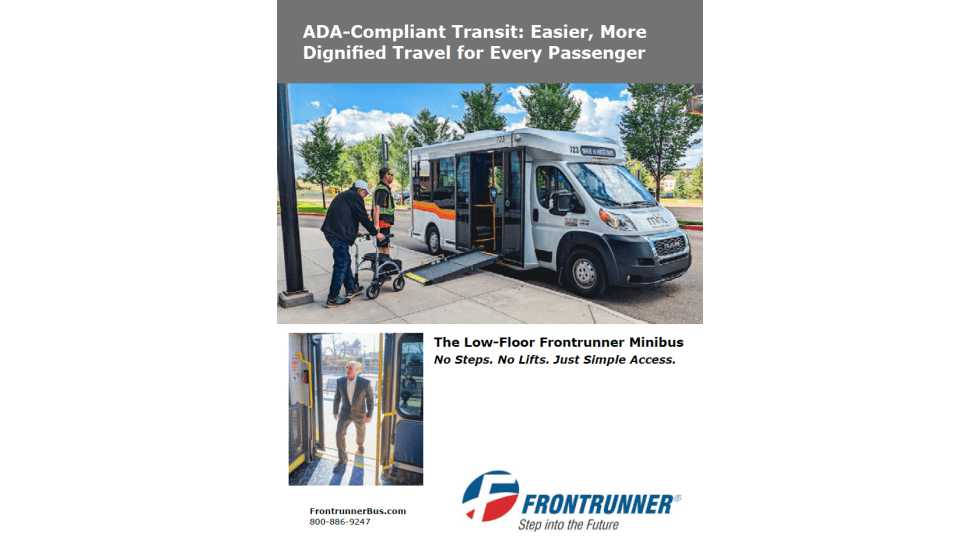
Today’s riders—and the communities you serve—expect more from public transit. While ADA compliance is required, leading transit agencies know that true accessibility also means delivering dignity, efficiency, and a better rider experience. This whitepaper reveals why forward thinking agencies nationwide choose the Low Floor Frontrunner as their first choice for ADA compliant vehicles—setting a new standard with passenger first design, faster boarding, improved safety, and unmatched operational performance.