




RELATED: 'Transformative' IIJA Bill Could Help Transit Build for the Future
Administration Releases 'Blueprint' to Decarbonize U.S. Transportation Sector
Jointly announced by the heads of the U.S. Departments of DOE, DOT, HUD, and EPA, the Blueprint is the first milestone deliverable of the historic MOU signed by the agencies in September of last year.
January 11, 2023
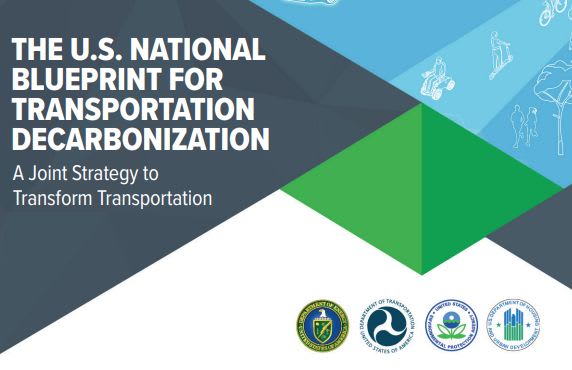
The Blueprint is a critical step in the ongoing partnership between DOE, DOT, EPA, HUD, and stakeholders and will be followed by more detailed sector-specific action plans to create a comprehensive suite of strategies to realize an improved and sustainable transportation future.
Screenshot via Biden-Harris Administration
3 min to read
The Biden-Harris Administration released the U.S. National Blueprint for Transportation Decarbonization, which will serve as a strategy for cutting all greenhouse emissions from the transportation sector by 2050. Developed by the Departments of Energy (DOE), Transportation (DOT), Housing and Urban Development (HUD), and the Environmental Protection Agency (EPA), it “exemplifies the Biden-Harris Administration’s whole-of-government approach to addressing the climate crisis and meeting President Biden’s goals of securing a 100% clean electrical grid by 2035 and reaching net-zero carbon emissions by 2050,” according to a press release.
Jointly announced by U.S. Secretary of Energy Jennifer M. Granholm, U.S. Secretary of Transportation Pete Buttigieg, U.S. Secretary of Housing and Urban Development Marcia Fudge, and Environmental Protection Agency Administrator Michael S. Regan, the Blueprint is the first milestone deliverable of the historic memorandum of understanding (MOU) signed by the agencies in September of last year. The Blueprint will be followed by more detailed decarbonization action plans, to be developed and implemented by these agencies in cooperation with governments at the state, local, and tribal level, philanthropic organizations, the private sector, and global partners.
“Transportation policy is inseparable from housing and energy policy, and transportation accounts for a major share of US greenhouse gas emissions, so we must work together in an integrated way to confront the climate crisis,” said U.S. Secretary of Transportation Pete Buttigieg. “Every decision about transportation is also an opportunity to build a cleaner, healthier, more prosperous future. When our air is cleaner; when more people can get good-paying jobs; when everyone stays connected to the resources they need and the people they love, we are all better off.”
The transportation sector — which includes all modes of travel through land, air, and sea to move people and goods — accounts for one-third of all domestic greenhouse gas emissions, negatively affecting the health and well-being of millions of Americans, particularly those in disadvantaged communities. Transportation costs are the second largest annual household expense in the U.S., and for the poorest Americans, the financial burden of transportation is disproportionately and unsustainably high, according to the Administration.
The Administration believes that a well-planned transition to a decarbonized transportation system can address these and other inequities and provide equitable, affordable, and accessible options for moving people and goods. Further developing and deploying clean-energy technologies, such as electric vehicles and hydrogen and sustainable fuels, while also building out the supporting infrastructure for clean transportation, will create good-paying jobs in all segments of the transportation sector while strengthening America’s energy independence, according to the Administration’s press release.
The Blueprint is a critical step in the ongoing partnership between DOE, DOT, EPA, HUD, and stakeholders and will be followed by more detailed sector-specific action plans to create a comprehensive suite of strategies to realize an improved and sustainable transportation future.
More Zero Emissions
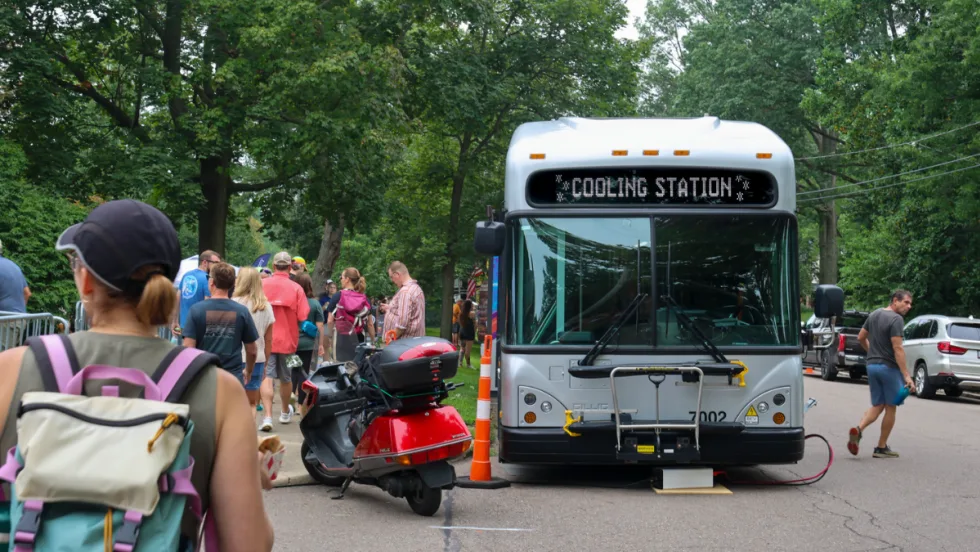
Ohio’s METRO RTA Turns Electric Buses into Mobile Power Sources at PorchROKR
See how three Gillig battery-electric buses powered festival stages while the agency’s new Park & Ride service carried approximately 1,000 attendees, demonstrating another potential use for transit agencies’ electric fleets.
Read More →
CALSTART and Forth Combine to Form Catalyst Mobility
The new name represents a renewed vision for the nonprofit focused on advancing clean, equitable, and affordable transportation solutions that move people and goods.
Read More →
Building a Flexible Path to Transit Electrification
John Hroncich discusses BAE Systems’ modular and scalable approach, lessons learned from decades of real-world operations, and how agencies can identify electrification strategies that fit their fleets.
Read More →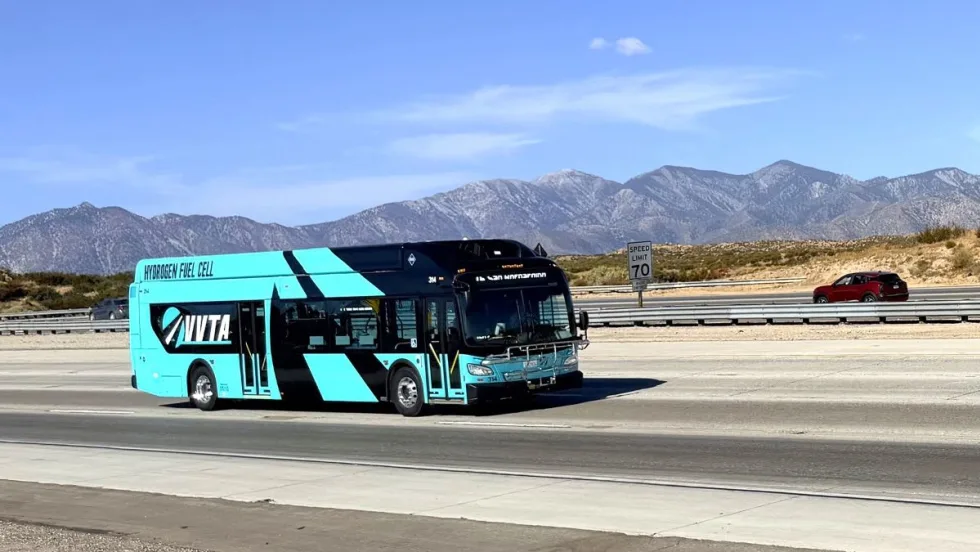
California's VVTA Begins Phased Rollout of Hydrogen Fuel Cell Buses
The agency is introducing 13 zero-emission buses into revenue service while evaluating performance across its urban, rural, and long-distance routes.
Read More →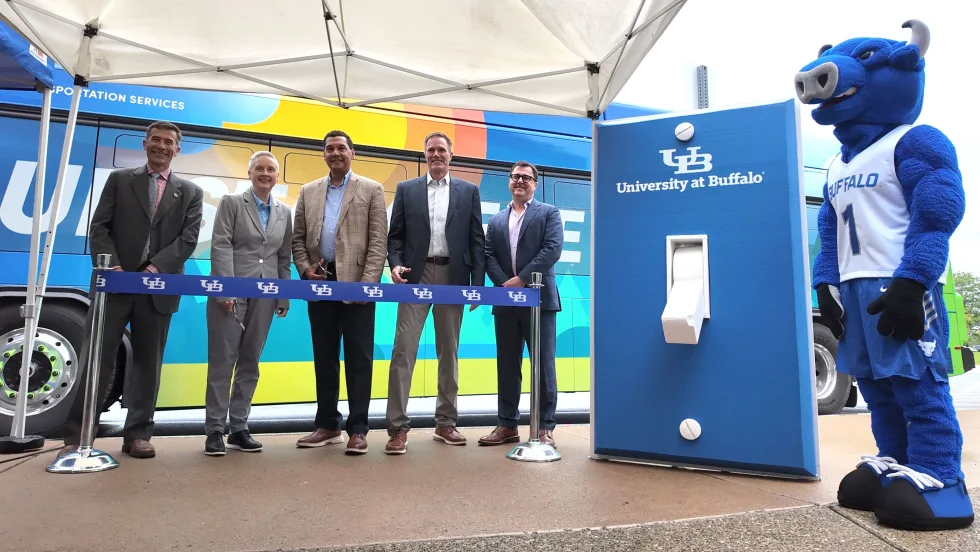
Inside Look: University at Buffalo Puts First 8 Electric Buses Into Stampede Service
UB, transportation solutions provider WeDriveU, and fleet electrification specialist Zenobē marked the deployment in the presence of students, university administrators, and local officials.
Read More →
Biz Briefs: OCTA Taps Clean Energy for Hydrogen Station, Stadler to Supply Via Rail Vehicles, and More
From manufacturers and suppliers to transit agencies and motorcoach operators, these updates offer a snapshot of the projects, partnerships and business moves driving the industry forward.
Read More →
AC Transit’s Cecil Blandon on Building the Next Generation of Transit Maintenance Leaders
The agency’s maintenance chief discusses leadership, workforce development, zero-emission technology, and preparing technicians for the future of public transportation.
Read More →
CTDOT Taps STV for Electric Bus Facility Design
The firm will work with CTDOT and RVT to define the facility layout, operational requirements, and long-term flexibility for RVT’s growing electric fleet.
Read More →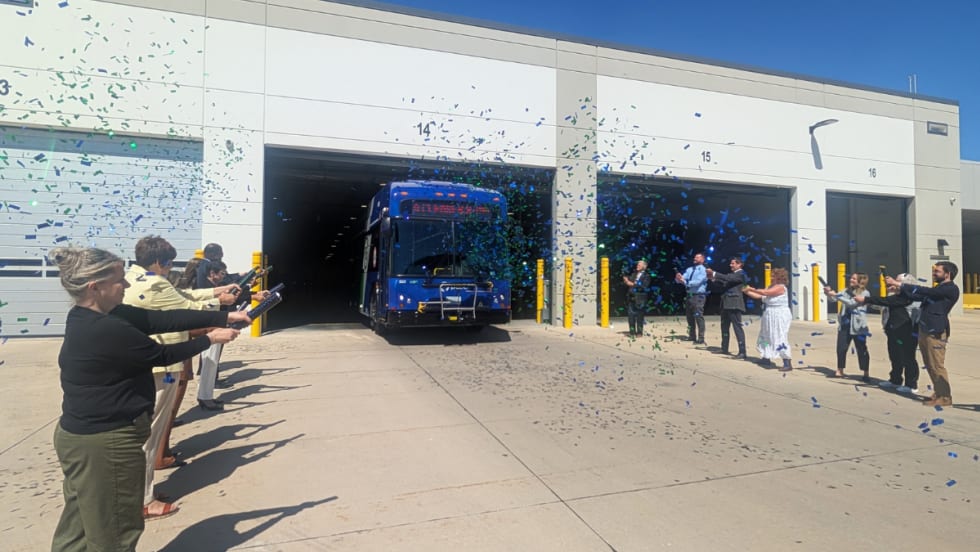
Chicago’s Pace Deploys 24 Hybrid-Electric Buses in Will County
The new buses reduce emissions and fuel consumption while advancing the agency's long-term goal of transitioning to a fully zero-emission fleet.
Read More →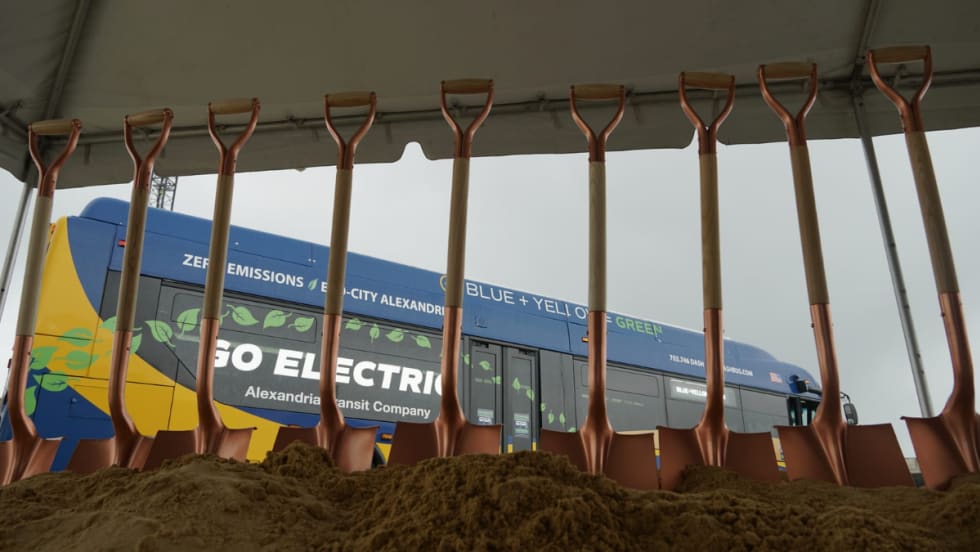
DASH Breaks Ground on First On-Route Electric Bus Chargers in D.C. Region
The fast-charging infrastructure will help extend electric bus range, improve fleet utilization, and support DASH's goal of transitioning to a fully zero-emission fleet.
Read More →